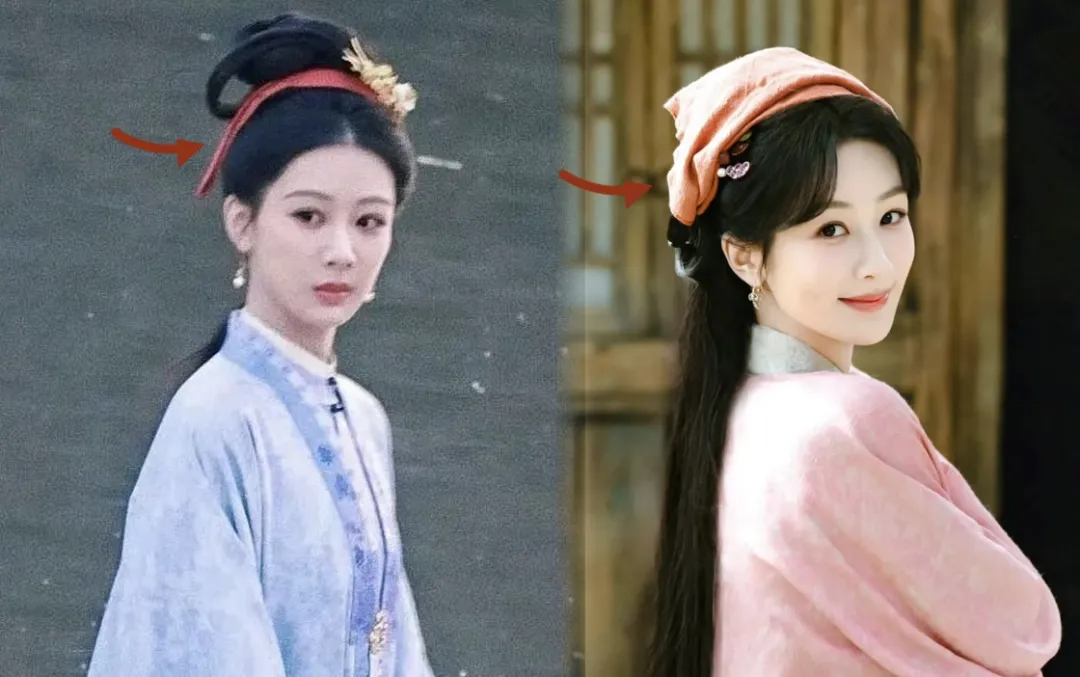
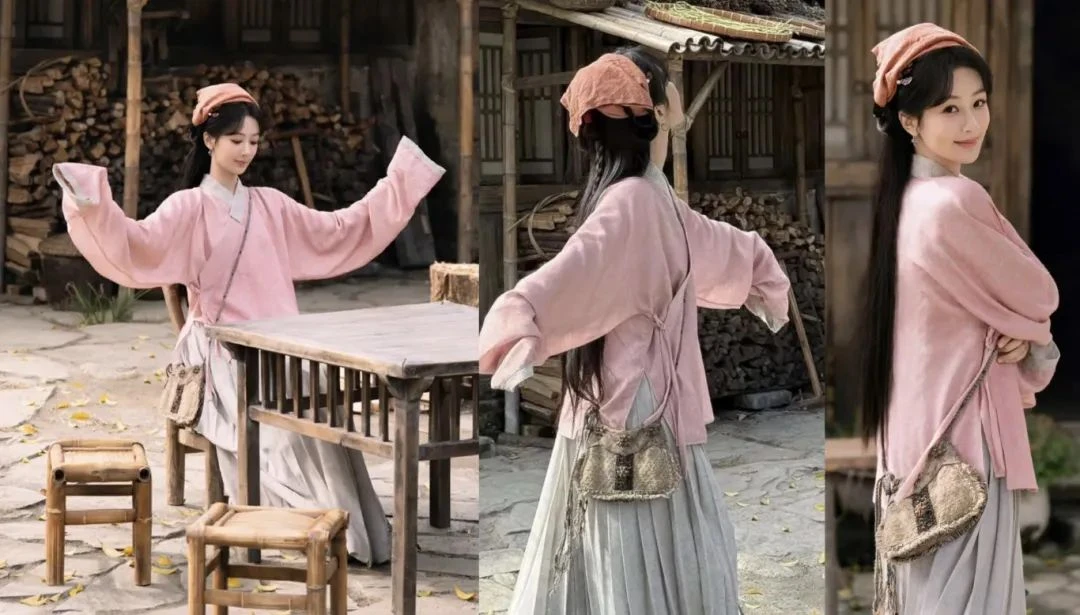
Yang Zi’s headband in the latest drama The Mo has sparked heated discussions among netizens. This seemingly modern accessory actually has ancient roots as a Pazi (帕子), a square cloth used by women to wrap their hair, keeping it neat and tidy. This practice of head wrapping was common across various dynasties, particularly among the
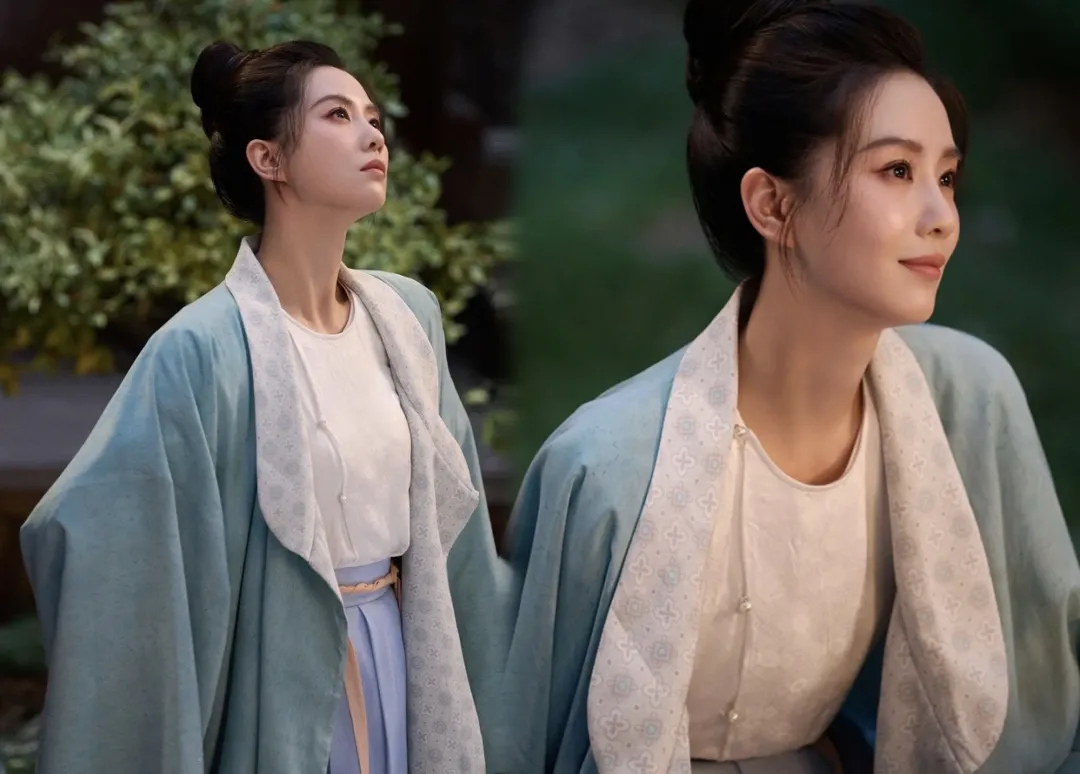
The Versatile Design of Tang Dynasty Outerwear Liu Shishi’s costume in the new drama Kill My Sins features a loosely draped Hanfu style that has sparked online discussions. This garment, known as Piao (披袄), represents a traditional outerwear design from the Tang Dynasty. Unlike modern coats, this historical clothing piece demonstrates remarkable adaptability across seasons
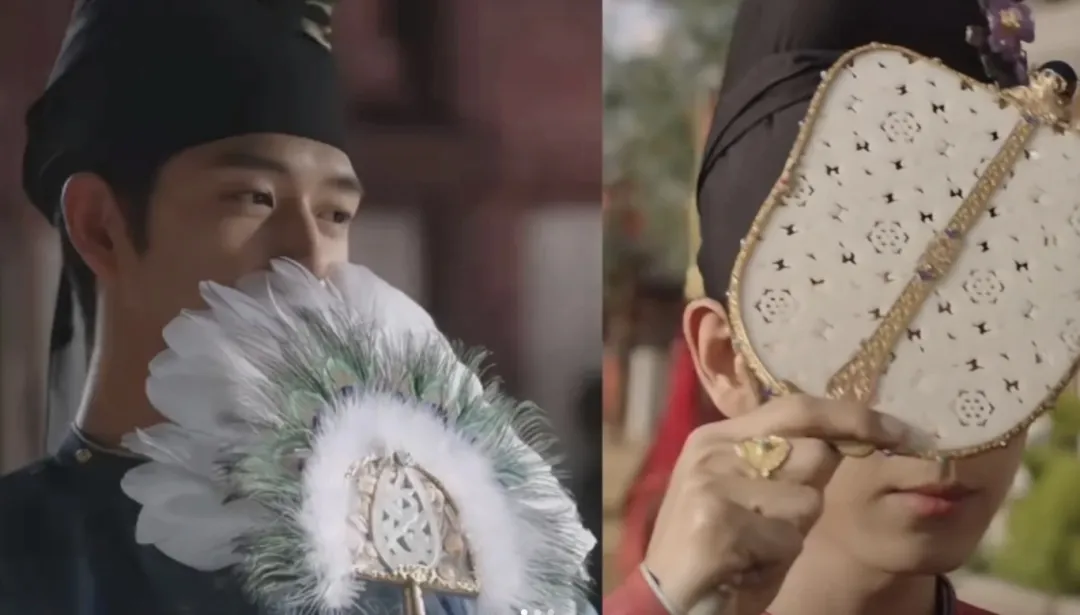
In the popular drama The Glory of Youth, actor Li Xian’s portrayal of Jiang Changyang wielding a round fan has captivated audiences. Contrary to popular belief, round fans, known as Tuanshan or Huanshan, were originally invented and used by men in ancient China. These fans, characterized by their circular or oval shape with a handle,
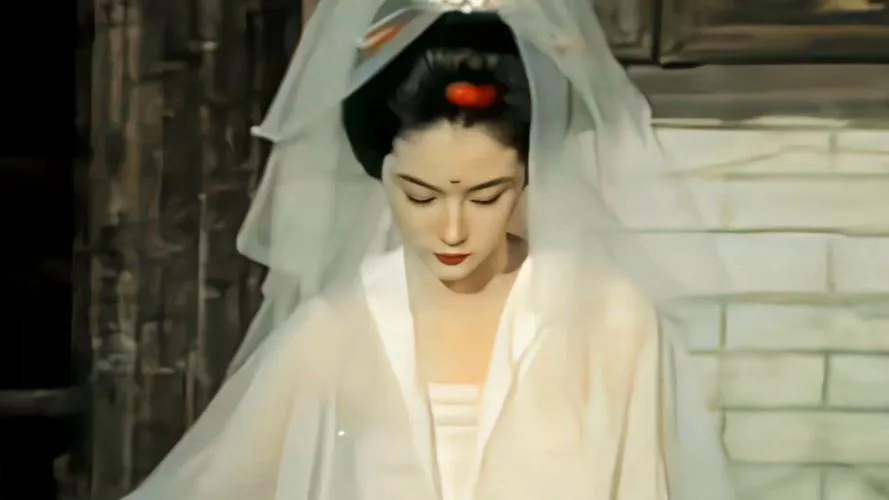
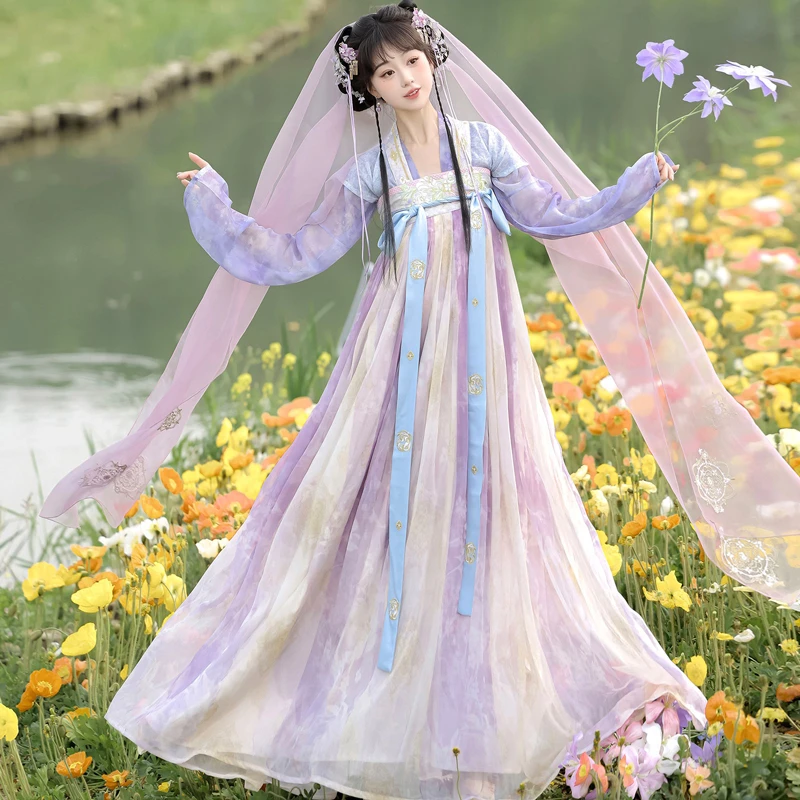
When we think of veils, Western wedding traditions often come to mind. However, the Chinese have their own rich history of veil-wearing, dating back to ancient times. Known as Gaitou (盖头) during the Song Dynasty, this traditional head covering has deep cultural roots. According to historical records like Zhou Hui’s Qingbo Magazine, Song Dynasty women
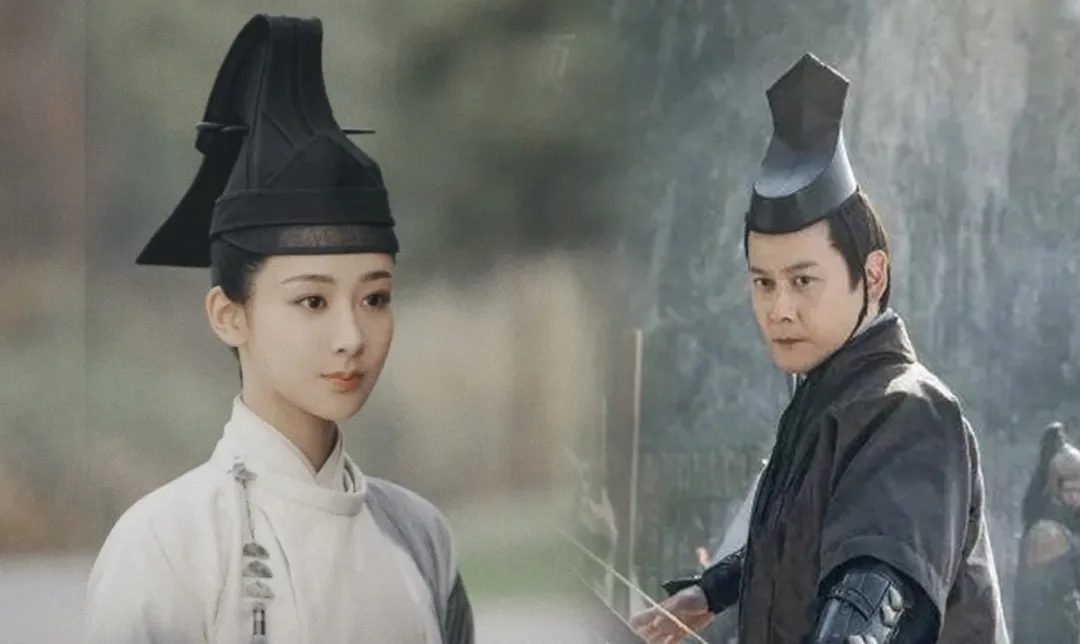
Yang Zi’s upcoming drama, originally titled The Golden Hairpin, has once again found itself at the center of controversy. Following the earlier uproar over digital face replacements, viewers are now questioning the authenticity of the costumes, particularly the hats, which many argue bear a striking resemblance to traditional Japanese designs. While it’s true that Japanese
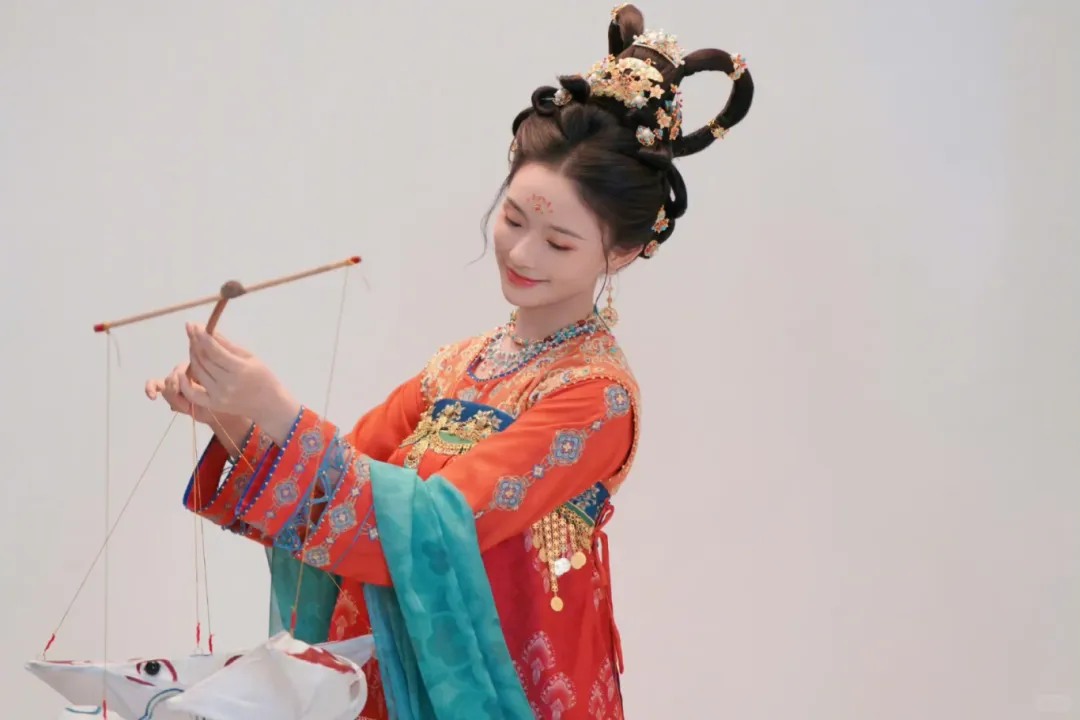
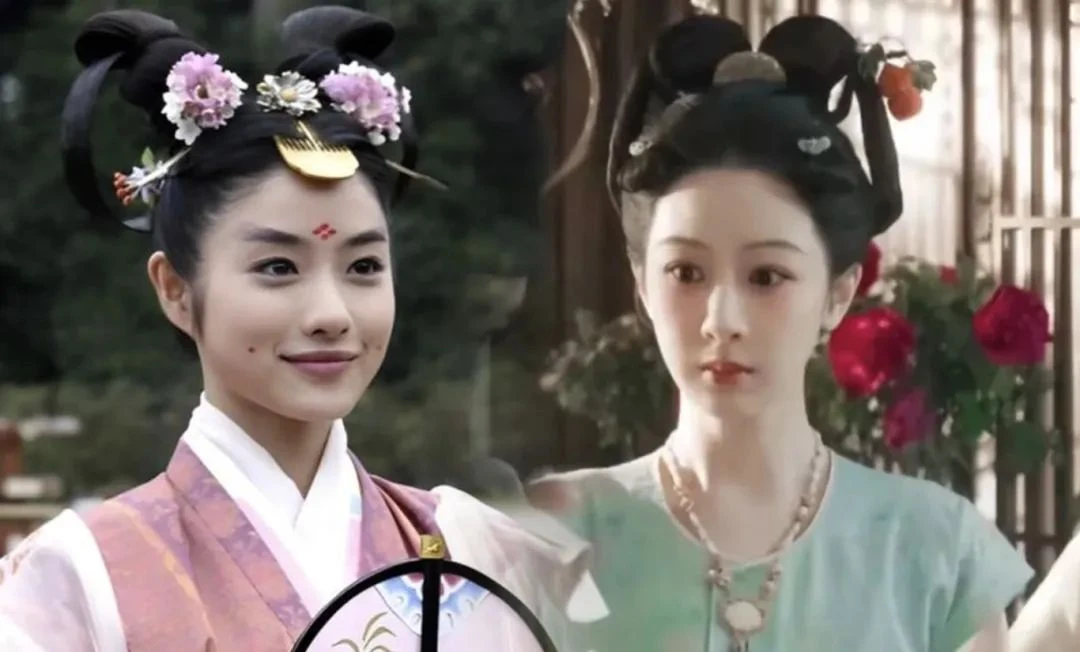
The Evolution of Shuang Huan Wangxian Ji The hairstyle, known as Shuang Huan Wangxian Ji (双鬟望仙髻), has been hailed as the most iconic and popular fairy-like hairstyle, transcending age and time. Originating from the Shuang Huan Ji (双环髻), this hairstyle was initially designed for young girls. However, its ethereal beauty made it a frequent feature
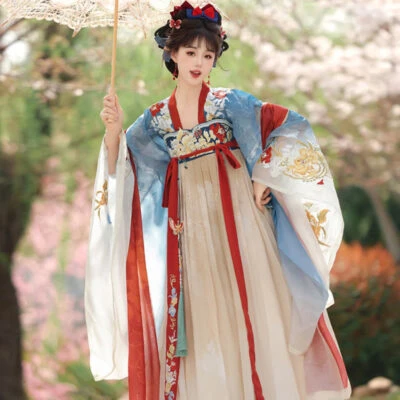
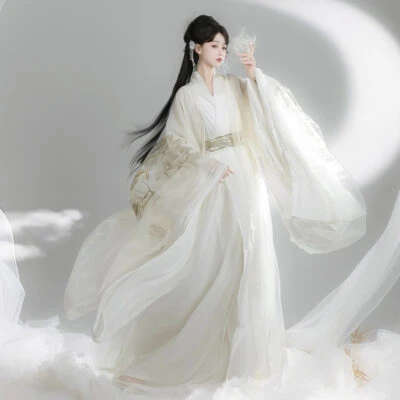
Item Includes: 4-Piece Set / 1x inner shirt, 1x shirt, 1x wrap skirt, 1x Pibo
Please note that the pattern print is not fixed, the position will be random and differ from the product images, and the items do not include the accessories and jewelry shown in the model picture, such as the headdress, necklace, fan, belt, etc.
Measurement of the clothes (S/M/L):
Inner Shirt Chest: 88/90/92CM
Inner Shirt Length: 54/56/58CM
Shirt Chest: 92/96/100CM
Shirt Length: 54/56/58CM
Skirt Waist: 109/113/117CM
Skirt Length: 115/120/125CM
*Note: The unit is CM, 1 inch = 2.54 cm; Please make sure the product's measurements will fit your daily wear size, or view the complete Size Guide Chart to get more help.
Material: Polyester
Recommend Hand-wash with your favorite mild detergent; Cold or warm water, maximum temperature 40°C. When washed, shake off any excess water and let them air dry. (Alternate: washing machine - put clothes into a soft mesh wash bag and run with gentle cycle).
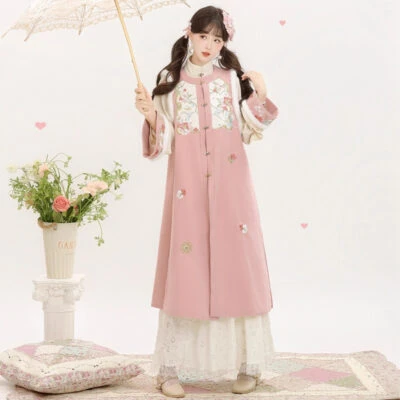
Yang Zi, the renowned Chinese actress, recently shared her Hanfu photos to celebrate the Lantern Festival, sparking widespread admiration online. Fans particularly praised the outfits for their everyday wearability. The Ming Dynasty-Inspired Hanfu Yang Zi showcased two distinct Aoqun (袄裙) styles, a common attire for women during the Ming Dynasty. The first was a pink
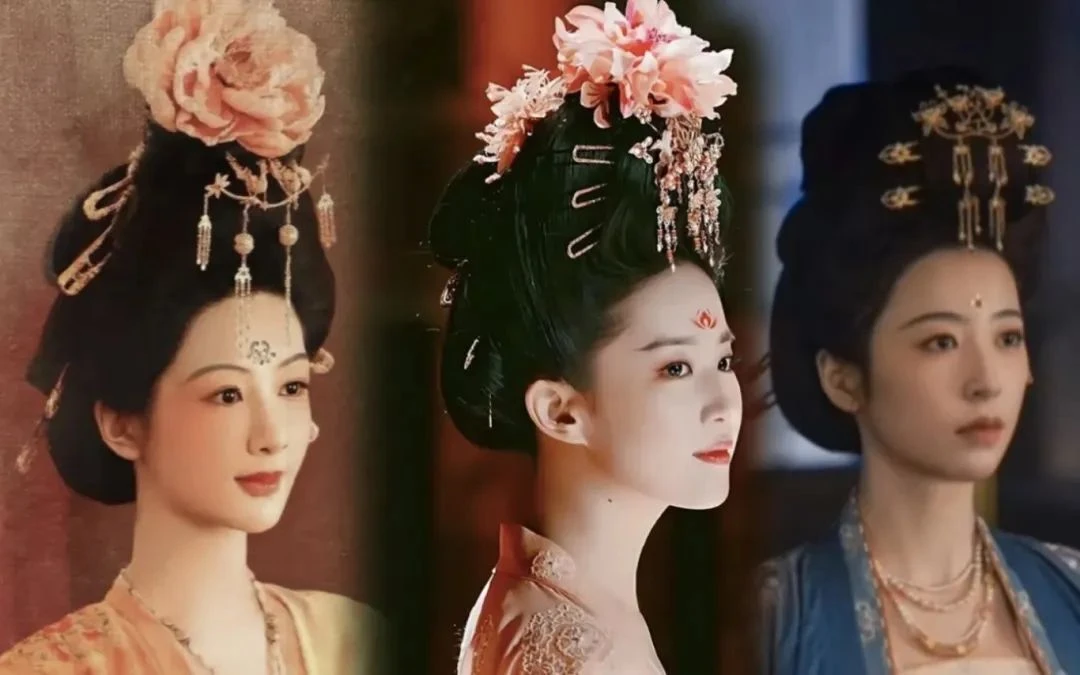
The Court Ladies Adorning Their Hair with Flowers painting has inspired numerous costume dramas, including Dream of Splendor, National Beauty and Fragrance, and Peaceful Year. But how accurate are these adaptations? Let’s delve into the authentic portrayal of court ladies from the Five Dynasties period. The Iconic Hairstyle and Its Origins The hairstyle seen in
In the Japanese drama The Great Buddha Opens His Eyes, Satomi Ishihara’s costume has sparked discussions online. Many pointed out that her hairstyle resembles the popular style of early Tang Dynasty in China, rather than the Tenpyo era in Japan. The answer is clear: this is the Shuang Ji Ji (双髻髻), a hairstyle popular from