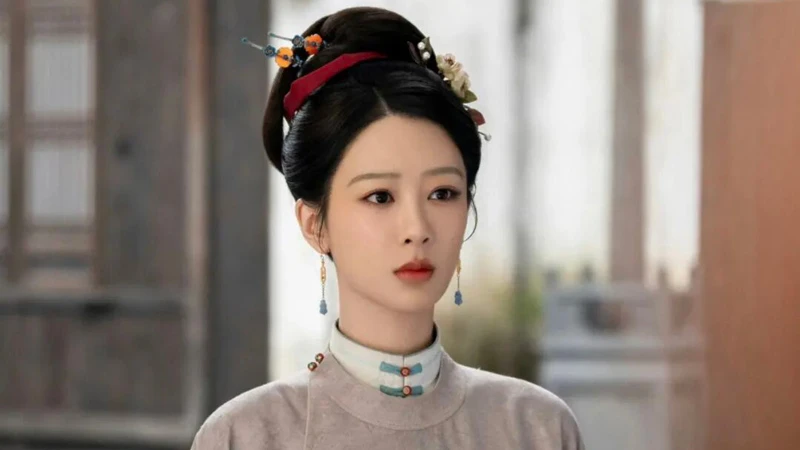
Why does Yang Zi (杨紫) stick what looks like an ear pick into her hair in the new drama The Mo (家业)? It’s not a prop mistake. It’s a clever ancient design that turns a personal hygiene tool into a stunning hair accessory. The moment you notice it, you can’t unsee it—and you’ll start spotting it everywhere, from Empresses in the Palace to The Story of Ming Lan. Before you call it weird, remember: the people who invented this wore it for centuries. And they had very good reasons.
One Tool, Two Jobs
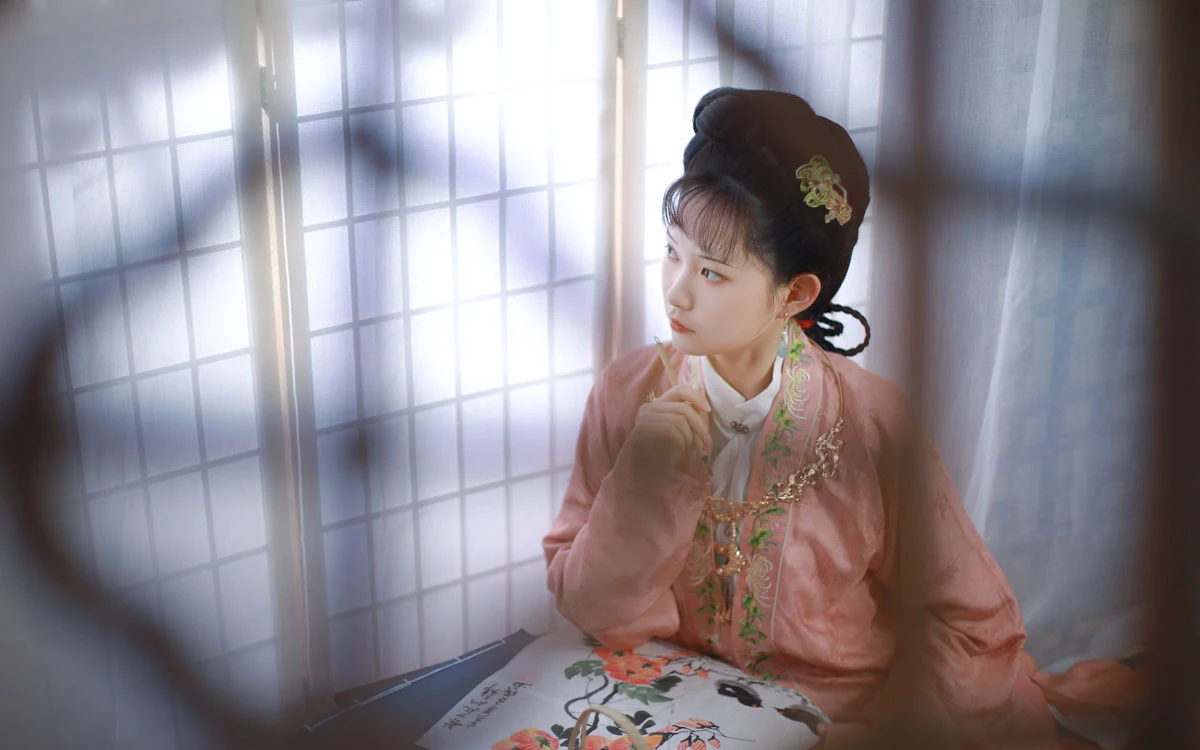
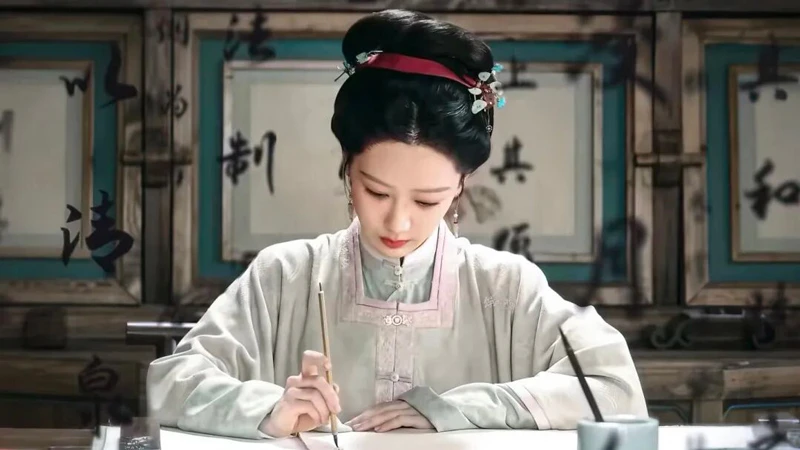
Li Zhen (李祯), the heroine played by Yang Zi, wears an Ear Pick Hairpin in her bun. At first glance, it looks like an ordinary silver stick. But look closer: one end is a tiny spoon, just the right size for cleaning ears. The other end is a pointed shaft that holds the hairstyle in place. That’s the whole point. The ancient Chinese didn’t see a conflict between beauty and utility. They merged them. Archaeological finds trace this design back to the Shang Dynasty (1600–1046 BCE). By the Tang, Song, Yuan, Ming, and Qing dynasties, it was everywhere.
Think of it as the Swiss Army knife of hairpins. You don’t need a separate tool. You don’t rummage through a bag. It sits right on your head, ready to use. After cleaning your ear, you simply push it back into your hair. No extra steps. No lost utensils. That kind of everyday efficiency didn’t come from modern design studios. It came from ordinary people solving small problems with whatever they had—and turning the solution into a fashion statement.
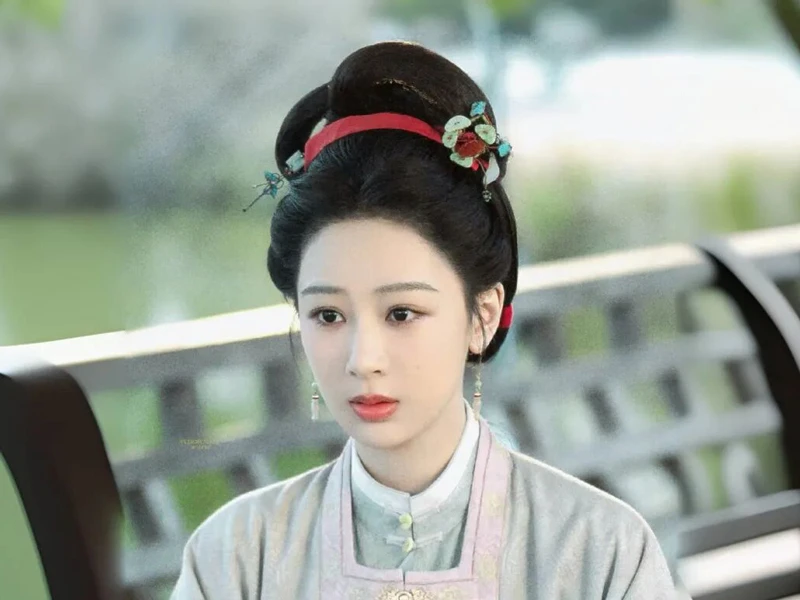
Not all ear pick hairpins were equal. Some were strictly practical: plain metal, no decoration, just the spoon and the spike. Women wore them at home, in the fields, or while traveling. Others were showpieces. Gold, silver, copper, even jade. Craftsmen added tiny flowers, birds, or geometric patterns using filigree and hollow carving. Some had pearls or kingfisher feathers dangling from the end. A simple ear pick became a status symbol. The richer you were, the more elaborate your ear cleaner.
Fancy Upgrades
The basic single-spoon design was only the beginning. During the Tang Dynasty, someone thought: why stop at ears? They made a double-ended version. One end was the ear spoon. The other end was a tiny pair of tweezers for shaping eyebrows. Two grooming tools, one hairpin. That’s the kind of minimalist logic that feels shockingly modern. You could tidy your brows and your ears with the same object, never putting it down.
By the Song and Yuan periods, the decorative side exploded. Hairpin shafts grew intricate carvings—lotus flowers, paired butterflies, lucky clouds. You can see these in period dramas like The Sword and the Brocade (锦心似玉) and The Glory (雁回时), where noblewomen wear them as part of their daily court attire. The shape also evolved. Instead of a single prong, some versions had two or three prongs branching out from the ear-spoon head. Those were less about cleaning ears and more about looking wealthy. But the spoon was still there, just in case.
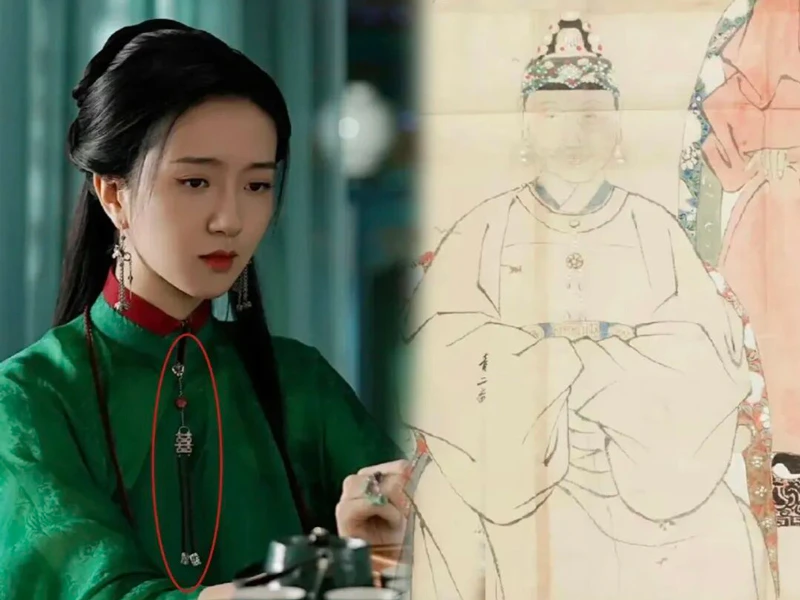
And then there was the “Seven Traditional Tools”of the Ming Dynasty. Imagine a small charm bracelet you hang from your belt. It carried scissors, a tiny knife, an ear pick, tweezers, a toothpick, and other mini gadgets. Everyone—men and women—wore them. A simplified version called “Three Things”bundled just the ear pick, tweezers, and toothpick. But note: these hung from the waist or chest. They weren’t hairpins. The ear pick hairpin stayed in the hair. Two different systems, same philosophy: carry your tools on your body, elegantly.
Defense & Romance
Some ear pick hairpins were surprisingly long. The extra-long version, called Yi Zhang Qing (一丈青), measured up to 25 centimeters—about ten inches. That’s not just a hairpin. That’s a stabbing weapon. In the classic novel Dream of the Red Chamber (红楼梦), one character grabs her Yi Zhang Qing and pokes someone’s hand with it. The book doesn’t say she cleaned his ear. So yes, women used these for self-defense. Sharp, metal, always within reach. The same object that tidied your appearance could also warn off a drunkard or an annoying relative.
But not all uses were violent. In 2017, archaeologists digging at the Jiangkou Ming Battlefield in Sichuan found a silver ear pick hairpin with an engraved message. It read: “Stay with you until white hair, accompany your black locks for long.” (相守到白头,长伴青丝发.) Ten characters. A love vow. Someone had given this hairpin to someone else as a pledge. She wore it in her hair—her black hair—promising to stay until it turned white. The pin was utilitarian, yes. But it also carried a private poem, hidden in plain sight on a daily object. That’s the kind of romance that doesn’t need a diamond ring.
So the next time you watch The Mo or Empresses in the Palace, look closely at the actresses’ hair. You’ll see the tiny spoon. You’ll recognize the Yi Zhang Qing. And you’ll understand: our ancestors were not less creative than us. They just expressed their creativity differently. They turned an ear cleaner into a love letter, a weapon, a status badge, and a piece of art—all at once. Now tell me: wouldn’t you want one in your own hair?