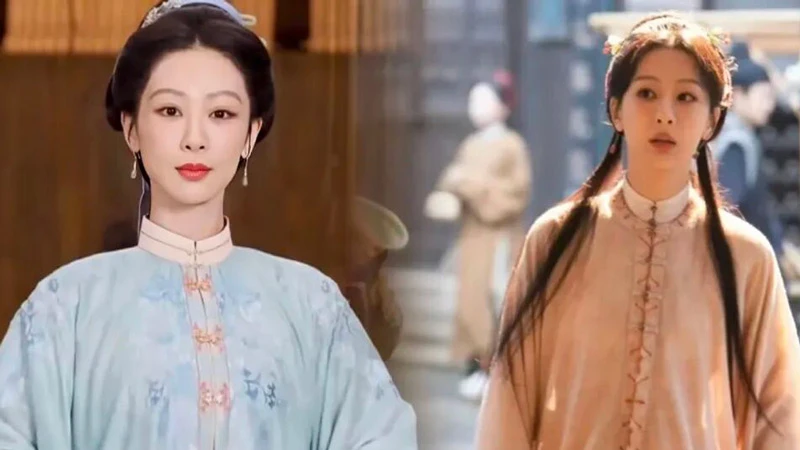
Is The Mo (家业), the hit period drama starring Yang Zi (杨紫) as Li Zhen (李祯), getting its Ming Dynasty (1368–1644) costumes all wrong? Sharp-eyed viewers have noticed a puzzling detail: the cloth buttons on her outfits sometimes look like simple fabric knots, other times like metal snap fasteners.
The real debate, however, centers on a specific style—tightly packed, elongated cloth loops that resemble centipede legs. Many immediately cried foul, assuming these were Qing Dynasty (1644–1912) “centipede buttons”, an anachronism in a Ming setting. But is that accusation fair? Let’s untangle the long, surprising history of the Chinese button—and see where the drama’s costume team might have actually slipped.
The Button Blunder
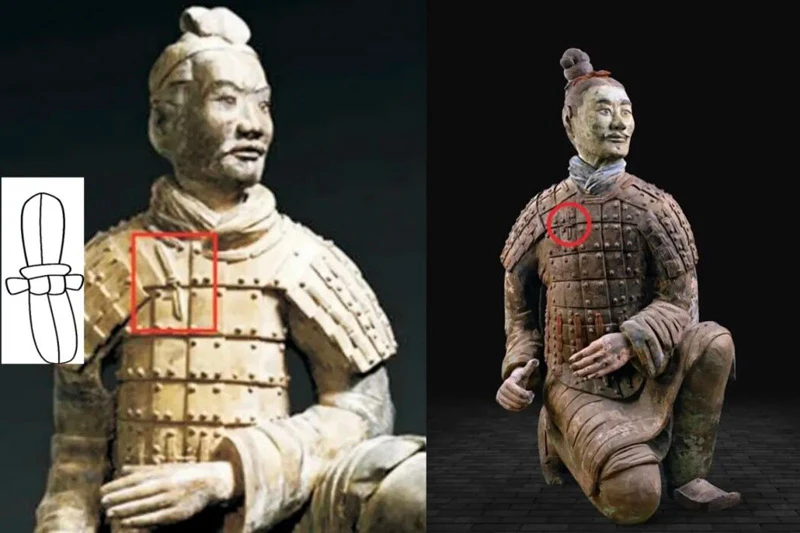
It’s easy to assume that cloth buttons equal Qing style. After all, the elaborate, densely arranged “centipede buttons” are a hallmark of Qing fashion. But that assumption overlooks millennia of evidence. As early as the Qin Dynasty (221–206 BCE), terracotta warriors show knot-like fasteners on their armor—though scholars still debate whether these were functional closures or decorative laces. What’s clear is that by the Tang (618–907) and Song (960–1279) dynasties, simple fabric toggles began appearing on everyday garments like round-collared robes and long jackets. These were hand-woven from silk or cotton thread, precursors to the later button-and-loop system.
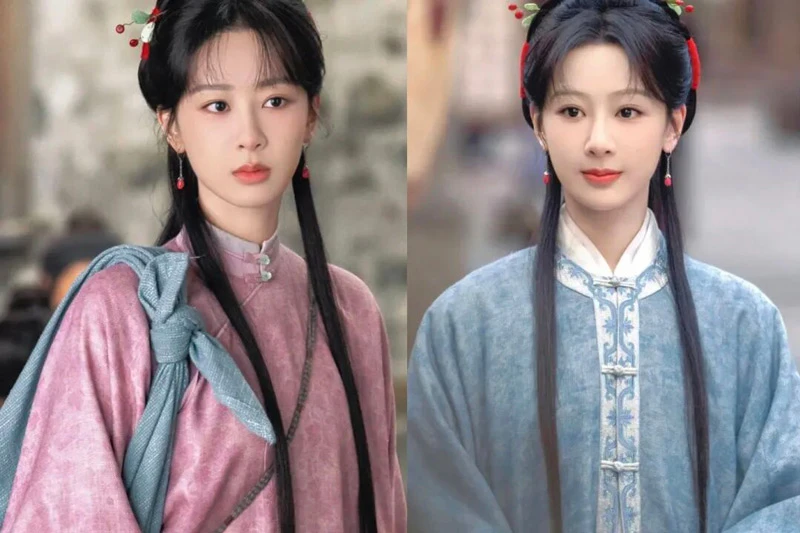
So when viewers spot a cloth button on a Ming costume in The Mo, it’s not automatically a Qing intrusion. The problem lies in the arrangement. Ming buttons—whether humble fabric knots or luxurious metal “mother-child” snaps—were typically sparse, discreet, and spaced apart. They functioned as subtle accents, often just two or three pairs along the collar or front placket. In contrast, Qing centipede buttons feature multiple closely packed loops that run down the garment’s edge like a line of insect legs. It’s this dense, showy layout that screams Qing, not the cloth material itself.
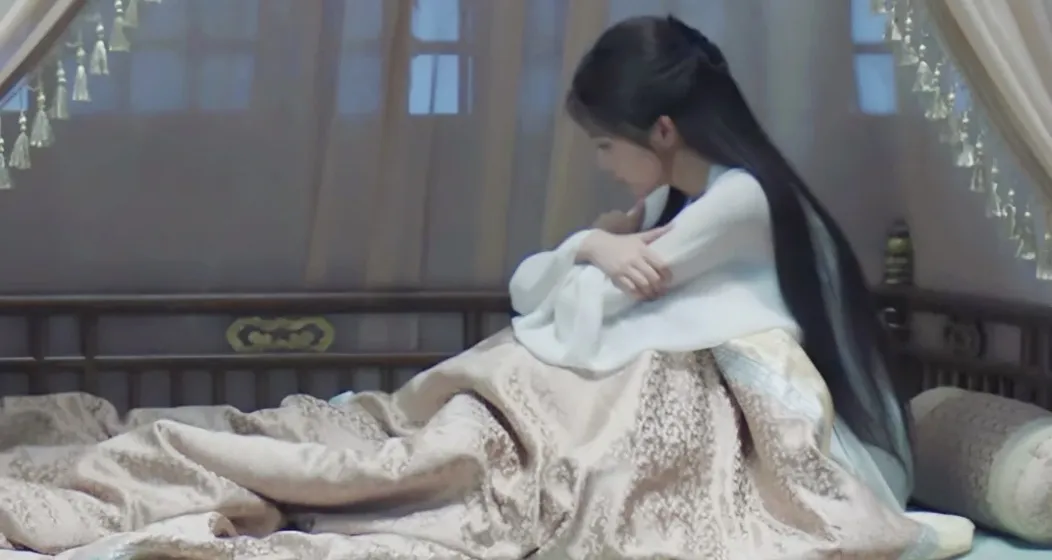
In the drama, two of Yang Zi’s costumes show embroidery so lavish and button spacing so tight that they indeed mimic the centipede look. The costume designer may have over-embellished, mixing Ming silhouettes with Qing-style button density. That’s the real “button blunder”—not the presence of cloth buttons, but their crowded, un-Ming-like placement.
Threads Through Time
The word “button” itself has a fascinating timeline. The Chinese characters Niu (纽) and Kou (扣) each refer to different parts: Niu is the loop or eyelet (often braided from thread), while Kou is the knot or toggle that passes through it. Together they form Niukou, the complete fastener. But the compound word didn’t appear until the Yuan Dynasty (1271–1368), in a line by playwright Guan Hanqing (关汉卿): “He untied his belt, separated the buttons…” Before that, garments were mostly secured with sashes and ties—a method so dominant that Confucian texts like the Book of Rites (礼记) mention elaborate belt-knot etiquette.
So why did buttons emerge? Practicality. Metal buttons first appeared on armor for quick fastening. By the Ming era, a commercial and craft boom turned buttons into status symbols. The era’s signature innovation was the Zi Mu Kou (子母扣): a convex knob that clicks into a concave loop, often cast in gold, silver, or jade. Nobles wore them at the collar and lapels—just two or three pairs, always leaving visual breathing room. Poets of the time praised “golden buttons with carved flowers, jade toggles with tiny inscriptions.”
Even commoners used affordable fabric buttons, but always sparingly. Ming aesthetics valued restraint: a short, subtle button that served its function without screaming for attention. This minimalism is worlds apart from the Qing dynasty’s love for dense ornamentation. To mistake one for the other is like confusing a haiku with a epic poem—both use words, but the rhythm and density tell you everything.
What the Drama Got Wrong
The most misleading costumes in The Mo pair tight centipede-like button rows with Ming-style collar embroidery. That visual clash triggers the instant “That’s Qing!” reaction. But the problem isn’t just button spacing. Another outfit in the series places a Qing-style phoenix coronet on a Ming character—a far more obvious anachronism. For a drama that markets itself as a cultural heritage piece, these mistakes undermine its credibility. Audiences today are more historically literate than ever; they notice when a costume borrows from the wrong century.
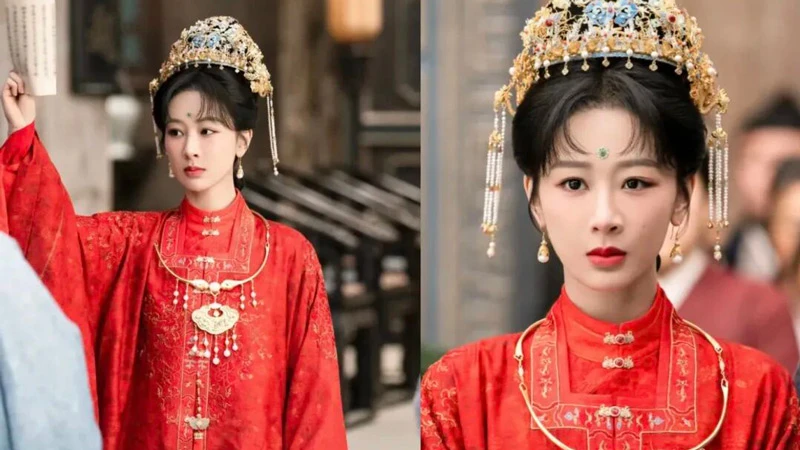
Why does this matter? Because television shapes how millions remember the past. A single season of a hit drama can cement a false image—like the idea that all cloth buttons are Qing—for years. The makers of The Mo clearly invested in beautiful fabrics and intricate embroidery. With a little more research on button evolution and period-specific fastener layouts, they could have turned a controversy into a masterclass. Instead, they gave critics an easy target.
So next time you see a period drama, don’t just look at the big picture. Zoom in on the collar. Count the buttons. Notice their spacing. If they’re dense and leg-like, you’ve likely spotted a Qing intruder in a Ming story. And if you’re a filmmaker? Remember: a button is a small detail, but history lives in the small things. Get them right, and your audience will trust your entire world.