Article
Search results:
-
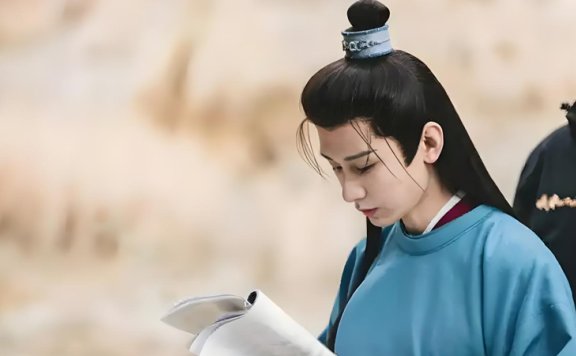
Cheng Yi's Cerebral Revenge Saga Ignites Tang Dynasty Intrigue
Anticipation surges for Chang’an Shi’er Ji (长安十二计), the historical political thriller starring Cheng Yi as Xie Huai’an (谢淮安)—a scholar orchestrating vengeance against 12 corrupt officials. Initially slated for Q4 2025, rumors of a surprise late-summer release intensify after savvy marketing leveraging the 24 solar terms and Cheng Yi’s Mysterious Lotus Casebook (莲花楼). Unlike his iconic martial roles, Cheng Yi embodies a weaponless tactician in this 32-episode drama, promising 50 narrative twists and a powerhouse cast including Zhang Hanyu (张涵予) and Liu Yijun (刘奕君). The Calculated Anti-Hero Xie Huai’an shatters Cheng Yi’s heroic mold. Where Mysterious Lotus Casebook’s Li Lianhua embraced resignation, Xie burns with icy fury. His credo—“No enemy deserves mercy”—fuels a decade-long vendetta against those who slaughtered his clan. Disguised as a lowly county clerk, he infiltrates the Tang court under Emperor Xiao Wuyang’s (萧武阳) secret decree, wielding intellect as his sole blade. A haunting teaser crystallizes his resolve: grey-haired Xie clutches ancestral tablets beneath a tattered umbrella, eyes blazing with deranged purpose. The line “I care not for survival; I demand your demise” strips the character to his ruthless core. This cerebral role trades physical prowess for psychological depth, challenging Cheng Yi to convey menace through stillness. Audiences… -
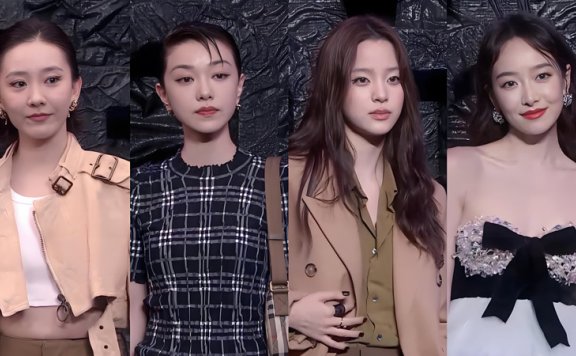
Another Man China's First Anniversary Party in Beijing
Celebrating its first anniversary, Another Man China transformed Beijing into a runway of audacious style with its exclusive party. Eschewing traditional red, the event featured a striking "Black Carpet" – a monochromatic backdrop and floor that challenged attendees to stand out or risk vanishing into the void. This unconventional stage witnessed a fascinating spectrum of personal expression, from seasoned stars embracing reinvention to rising talents making bold declarations. Against this dramatic setting, each ensemble became a conversation piece, revealing the wearer’s confidence, vulnerability, or sheer disregard for convention. The night wasn’t just about celebrating a publication; it was a vivid snapshot of fashion’s ever-shifting boundaries in motion. Veterans Reinvented The established stars navigated the black canvas with distinct strategies. Song Jia (宋佳), typically favoring understated elegance, embraced layered complexity with two overlapping plaid shirts paired with a black skirt. The skirt’s deep hue nearly dissolved into the background in the live stream, creating an arresting visual effect where her upper body appeared to float. Chen Yanxi (陈妍希) opted for full camouflage in a sleek black leather bustier dress and towering platform heels. While her silhouette threatened to merge with the setting, her radiant complexion and youthful energy defied her 42… -
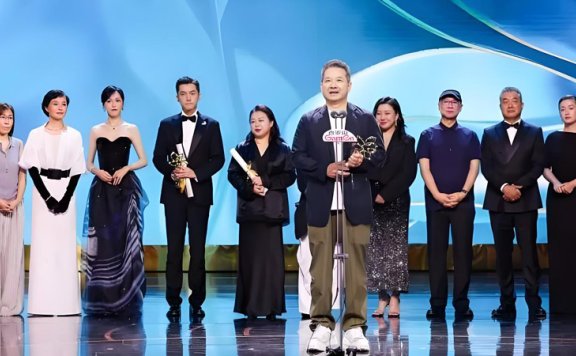
6 Chinese Actresses Redefine Victory at Shanghai's Magnolia Awards
The spotlight at Shanghai's prestigious Magnolia Awards often shines brightest on the winners, yet this year, a different narrative emerged. Several acclaimed actresses, though leaving without the coveted statuette, captured public admiration through their remarkable grace and perspective. Their responses transformed perceived loss into powerful statements about professionalism and personal growth, resonating far beyond the awards ceremony itself. These women demonstrated that an artist's true measure lies not in accolades alone, but in character revealed when the spotlight takes an unexpected turn. Zhao Liying Zhao Liying's (赵丽颖) reaction stood out for its sheer brevity and power. Facing her third nomination without a win, she could have expressed disappointment. Instead, her succinct declaration, "Keep running," became an instant symbol of resilience. This simple phrase shifted focus from the immediate result to the enduring journey of an artist committed to her craft. It acknowledged the moment without dwelling on it, signaling a forward momentum undeterred by setbacks. Fans and observers alike noted how this attitude perfectly mirrored her consistent career trajectory, marked by dedication and continuous evolution. Her words transcended the award, embodying a philosophy of perseverance applicable far beyond the entertainment industry. The public response highlighted appreciation for an outlook prioritizing… -
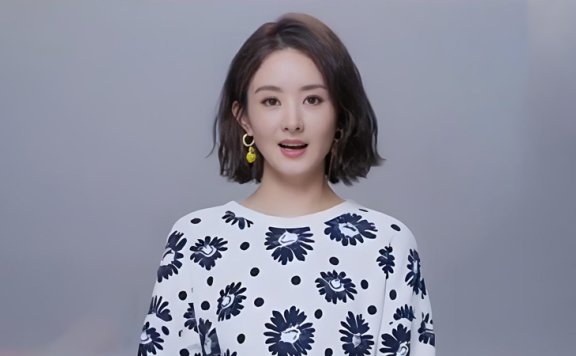
Zhao Liying's Screen Fatigue: When Stardom Stops Smiling
The camera light flickers on, revealing Zhao Liying’s (赵丽颖) face – thinner than audiences remember, her gaze drifting just beyond the lens. A simple blue-flowered blouse and faded pink-tipped hair frame a fatigue that even studio filters struggle to soften. This brief video message for The Chinese Restaurant's (中餐厅) 100th episode isn’t a dramatic comeback, but an accidental spotlight on an actress navigating the quiet storm of mid-career transition. Her absence from public events throughout July only amplified the whispers: Why does rest seem to drain her more than work? Transition Blues at Thirty-Five Zhao Liying’s shift from television dominance to cinematic ambition marks her most critical professional pivot. Television cemented her as a post-85 generation actress through hits like The Story of Minglan (知否知否应是绿肥红瘦) and Princess Agents (楚乔传), praised for nuanced performances in layered roles. Yet her silver screen ventures – three consecutive films with lukewarm box office and tepid reviews – highlight a harsh industry truth: Small-screen success rarely guarantees big-screen acceptance. Each project demanded stylistic reinvention, stretching her beyond the resilient heroines that defined her brand. The pressure isn’t purely artistic. At 35, Zhao Liying operates within an ecosystem obsessed with youth and rapid reinvention. Her deliberate… -
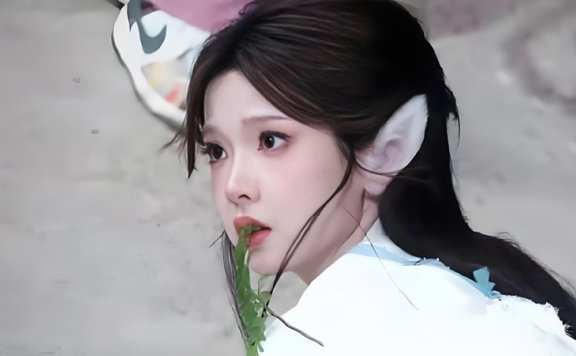
Zhang Miaoyi's Fox Demon Reuters in New Tales of Liaozhai
Costume design in Chinese historical fantasy dramas has transcended mere aesthetics, becoming a powerful narrative force. Recent leaks from New Tales of Liaozhai (聊斋新编) showcase this evolution, with actresses Zhang Miaoyi (张淼怡), Ju Jingyi (鞠婧祎), and Chen Duling (陈都灵) redefining the iconic fox spirit archetype. Their radically different interpretations—Zhang’s ethereal fragility, Ju’s doll-like perfection, and Chen’s chilling duality—ignite debates on whether transformative makeup elevates artistry or obscures identity. These visuals don’t just adorn characters; they rewrite folklore for the digital age. Zhang Miaoyi’s Ethereal Metamorphosis Zhang Miaoyi’s fox spirit in New Tales of Liaozhai shatters expectations. Clad in windswept white robes, she embodies fractured elegance. A single leaf clenched between her teeth becomes an organic accessory, contrasting with the character’s supernatural essence. This marks a stunning departure from Zhang’s prior roles criticized for lacking dimension. The genius lies in contemporary styling techniques. Delicate hairpieces and gradient makeup sculpt her features without drastic alteration. Diffused lighting enhances her porcelain skin, creating a ghostly luminescence. Where Zhang once blended into ensembles, she now commands them through nuanced vulnerability. Fragility defines this interpretation. Her posture suggests weightlessness, as if a breeze might dissolve her form. Wide-eyed glances convey ancient sorrow, transforming traditional fox… -
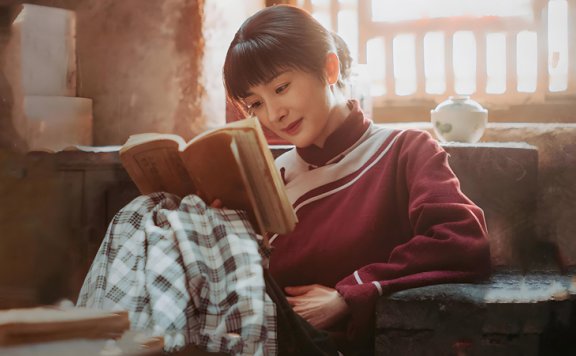
Yang Mi's Make-or-Break Moment in Sheng Wan Wu
This summer, CCTV premieres Sheng Wan Wu (生万物), a rural drama starring Ou Hao (欧豪) and Yang Mi (杨幂). While Ou’s performance is anticipated, Yang Mi’s role as a tenacious village woman could redefine her career or cement her stagnant trajectory. Amid a lackluster season for films and series, this production tests whether star power can transcend China’s entertainment fatigue. The Summer Screen Dilemma China’s summer entertainment season feels unusually muted this year. Blockbuster films like She’s Got No Name (酱园弄) starring Zhang Ziyi (章子怡) and Chen Sicheng’s (陈思诚) thriller Malice (恶意) failed to ignite audiences, despite A-list pedigrees. Similarly, streaming platforms cycle through forgettable series lacking standout narratives or performances. This creative stagnation highlights viewers’ craving for substance over spectacle. Against this backdrop, CCTV’s planned releases—Sword Rose (利剑玫瑰) and Sheng Wan Wu—offer glimmers of intrigue. Both star actresses synonymous with popularity rather than critical acclaim: Dilraba and Yang Mi. For Yang Mi, Sheng Wan Wu arrives at a pivotal juncture. As an '85 Generation' actress nearing 40, her two-decade career relies heavily on costume dramas and romantic leads. Mainstream awards consistently overlook her, and audience critiques of her acting persist. Transitioning to gritty realism isn’t just artistic growth—it’s survival.… -
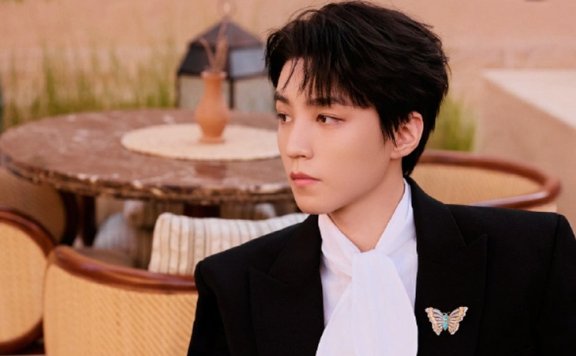
Wang Junkai Attends the 2025 Esports World Cup
Riyadh's July heat met a different kind of fire on the Esports World Cup (EWC) red carpet. Wang Junkai, stepping onto Saudi soil as China's exclusive ambassador for the 2025 tournament, ignited global attention. His appearance transcended the expected celebrity cameo, becoming a statement of evolving artistry and cultural convergence. Gone was the familiar "National Little Brother" image; in its place stood a figure radiating controlled power and international sophistication. The EWC's choice of ambassador signaled more than star power—it marked a deliberate fusion of entertainment, competitive gaming, and cultural diplomacy on the world's newest mega-stage. Sartorial Metamorphosis Wang Junkai commanded the EWC entrance in head-turning precision. A sharply tailored black Balmain single-breasted suit, defined by its assertive peak lapels, formed the foundation. It spoke of authority, meticulously crafted. Beneath it, a crisp white AMI shirt offered minimalist contrast. Christian Louboutin's signature red soles punctuated his stride with subtle luxury. Yet, the true focal point was the Buccellati gold butterfly brooch pinned near his heart. This intricate piece, far from delicate, possessed an unexpected edge—a metaphor for Wang’s own artistic transformation. His grooming completed the evolution. A severely swept-back hairstyle exposed clean, strong features, amplifying a newfound maturity. Dark sunglasses… -
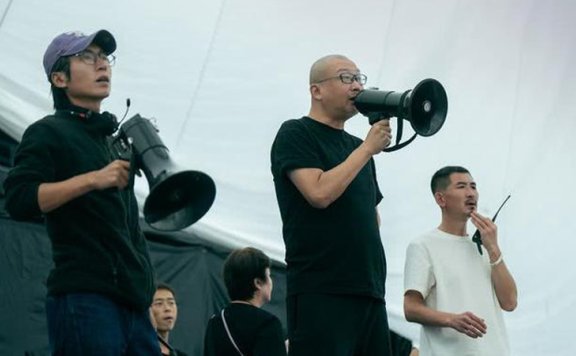
The Untold Rescue Mission of Dongji Island
The sea holds countless secrets, but few as compelling as the story brought to light in the upcoming film Dongji Island (东极岛). Directed by Guan Hu (管虎) and Fei Zhenxiang (费振翔), this cinematic endeavor plunges audiences into 1943, when a Japanese transport ship carrying 1,816 British POWs was torpedoed near China's eastern islands. Facing certain death as their captors abandoned ship and sealed the holds, the prisoners' fate hung in the balance. Against impossible odds, local fishermen from Dongji Island launched their small boats directly into enemy fire, embodying an ancient creed: "Those in peril at sea must be saved." This act of extraordinary courage, forgotten for decades, forms the powerful core of a film six years in the making, demanding monumental effort from cast and crew to resurrect a truth the world needs to witness. Releasing nationwide on August 8th, Dongji Island stars Zhu Yilong (朱一龙), Wu Lei (吴磊), and Ni Ni (倪妮), leading an ensemble cast in a testament to human resilience. Anchored in Truth Recreating this buried history required more than sets and scripts; it demanded pilgrimage. Guan Hu and Fei Zhenxiang led their team to the actual Dongji Islands, seeking the spirit of the past where… -
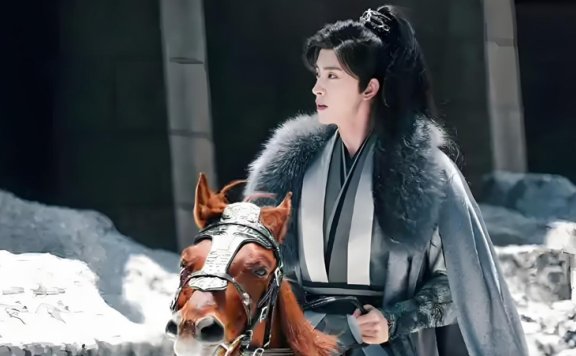
Coroner‘s Diary Zhaoxuelu: A Historical Mystery with Forensic Thrills
Historical suspense drama Coroner‘s Diary (Zhaoxuelu, 朝雪录) surprises audiences with a sudden July 13 premiere on iQIYI. Forensic examiner Qin Wan (秦莞) and General Yan Chi (燕迟) navigate eight chilling cases to expose imperial corruption. Li Landi (李兰迪) transforms into forensic examiner Qin Wan, hiding her identity after her family’s unjust execution. Beside her stands General Yan Chi, portrayed by Ao Ruipeng (敖瑞鹏), whose military prowess shields their investigation into eight interconnected atrocities. Their partnership anchors Zhaoxuelu, which advanced its debut by three days to dominate summer streaming. Director Li Huizhu’s (李慧珠) signature visual tension permeates previews showcasing skeletal remains in moonlit courtyards and bloodstained scrolls. This unexpected scheduling shift capitalizes on intense fan anticipation fueled by Zhou Huang’s haunting soundtrack and viral promotional clips. Premiere Strategy Shift Platform iQIYI prioritized Zhaoxuelu Files following robust early engagement metrics. Over 250,000 viewers pre-saved the series before its rescheduled launch, signaling strong market readiness. Executives moved the premiere to fill a content gap left by A Dream Within a Dream’s (书卷一梦) conclusion, avoiding direct competition with romance drama Cherry Amber (樱桃琥珀). Six consecutive episodes debuted at noon on July 13, establishing immediate narrative immersion. Audience forums buzzed with approval for the accelerated… -
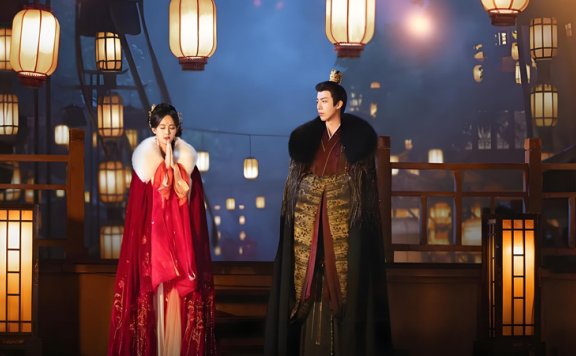
The Anti-Trope: The Journey of A Dream within a Dream
The 2023 costume drama A Dream within a Dream (书卷一梦), starring Li Yitong (李一桐) and Liu Yuning (刘宇宁), delivered a finale that reignited its initial spark. Premiering on June 26th with record-breaking viewership on iQiyi, the series captivated audiences with its unique premise: actress Song Xiaoyu (宋小鱼) accidentally time-travels into her script, becoming the character Song Yimeng (宋一梦). Trapped within the narrative machinery of a period drama titled Qing Ning Yi Meng (清宁一梦), she encounters the seemingly ruthless nobleman Nan Heng (南珩). Their struggle against predetermined plot points promised a fresh take on the genre. While the opening episodes thrilled with fast pacing and clever subversion of tropes, the middle section became mired in repetitive subplots and uneven character development, causing viewer retention issues despite a strong finale rally. This trajectory from high potential to mid-season slump and eventual recovery offers a compelling case study in modern Chinese costume drama storytelling. The Anti-Trope The initial episodes hooked viewers precisely because they defied expectations. Song Xiaoyu's modern sensibilities clashed humorously and dramatically with the rigid, often illogical, world of Qing Ning Yi Meng. Her awareness of being a character within a script provided a meta-commentary on genre conventions. Nan Heng, introduced… -
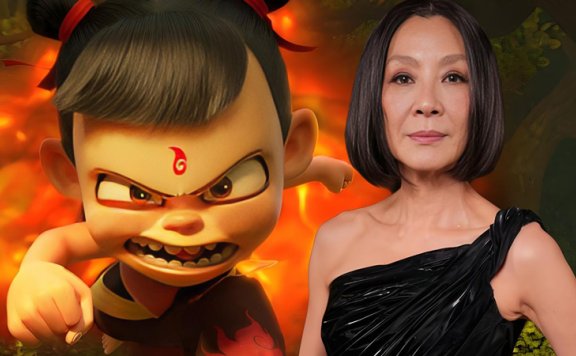
Ne Zha 2 English Voiceover Debuts August 22 with Michelle Yeoh
The highly anticipated English-dubbed version of Ne Zha 2 (哪吒2): The Devil Comes is set to premiere across North America and Australasia on August 22, 2025, marking a strategic expansion for this record-breaking Chinese animation. Oscar-winning actress Michelle Yeoh has joined the cast, lending her voice to an undisclosed role, as revealed by production partners China Lion Film and A24. This release aims to captivate audiences in the United States, Canada, Australia, and New Zealand with premium formats like IMAX and 3D, addressing cultural preferences for dubbed films over subtitles. Following its monumental success in China, where it grossed over $22 billion globally and dominated box office charts, this new iteration promises to amplify the film's universal themes of resilience and heritage for English-speaking viewers. Record-Setting Achievements The original Chinese release of Ne Zha 2 captivated audiences for an extended 153-day run starting January 29, 2025, becoming a cultural phenomenon with unprecedented milestones. It shattered 113 records and earned 308 accolades, cementing its status as China's all-time highest-grossing film and the global animation leader. Global earnings surpassed $22 billion, placing it among the top five highest-grossing movies in history, a testament to its widespread appeal and storytelling power. In North… -
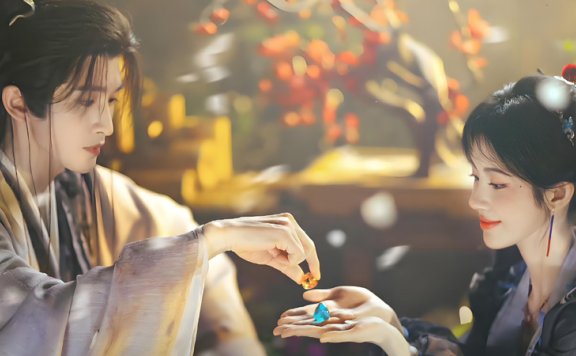
Ju Jingyi's Style Evolution and Zhang Yunlong's Poise in Lai Zhan
Lai Zhan (来战), a highly anticipated fantasy drama, is generating significant buzz primarily due to its visual spectacle. Lead actress Ju Jingyi’s (鞠婧祎) six distinct costumes have become a focal point of fan discussions, showcasing a blend of whimsy and elegance perfectly suited to her character, Ada (阿黛). Co-star Zhang Yunlong (张云龙), portraying her mentor, brings an understated gravitas. Their combined on-screen presence promises a feast for the eyes, elevating the drama beyond typical genre expectations. Ada’s Vibrant Transformations Ju Jingyi’s portrayal of Ada features dynamic costume changes that highlight her character’s playful yet resilient nature. The iconic blue ensemble with double-loop "Gourd Buns" hairstyle radiates doll-like precision, framing her delicate features. This look, captured in early stills, immediately captured audience attention for its meticulous craftsmanship and Ju’s ethereal presence. Equally striking is the fiery orange outfit, where flowing sleeves and vivid ribbons create a "Koi Fish" effect. Paired with twin ponytails, the design merges traditional fantasy elements with modern anime aesthetics. The vibrancy symbolizes Ada’s spirited personality, while the movement of the fabric adds kinetic energy to static images. A softer iteration of the orange costume introduces subtle blue hair accessories, offering contrast through refined details. This version appears… -
How Jin Brocade Weaves Through Chinese Drama Titles
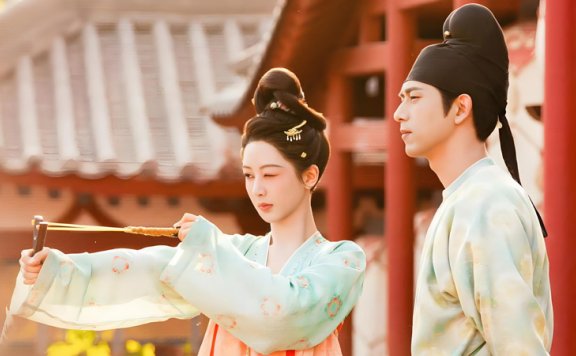
The recent phenomenon of historical dramas embracing the character "jin" (锦, brocade) in their titles, like the hit series Flourished Peony (锦绣芳华), reveals more than a fleeting trend. This linguistic choice taps into deep cultural veins, transforming titles into shimmering gateways of promise. From Colourful Life (锦绣良缘) to Under the Power (锦衣之下), "jin" functions as a multifaceted emblem—evoking luxury, craftsmanship, and narrative ambition. Its recurrence speaks to a shared visual and symbolic language between creators and audiences, where a single character conjures worlds of opulence and intrigue. Characters Woven in Gold "jin" is far more than a decorative flourish. Its linguistic structure—combining "gold" and "silk" —historically signified textiles as precious as metal. As early as the Han Dynasty, scholar Xu Shen (许慎) defined "jin" as "colorful patterned silk," while Eastern Han lexicographer Liu Xi (刘熙) noted its value "equated with gold due to meticulous craftsmanship." This heritage persists in modern dramas, where titles like The Sword and the Brocade (锦心似玉) frame protagonists’ virtues as rare and refined. The character inherently elevates a title’s stature. When paired with "xiu" (绣) in "jinxiu," it becomes "splendid" or "magnificent," transforming ordinary words into poetic ideals: Flourished Peony suggests flourishing beauty. These combinations signal… -
Fu Shan Hai: Cheng Yi's 3 Role Ignites Summer Wuxia Craze
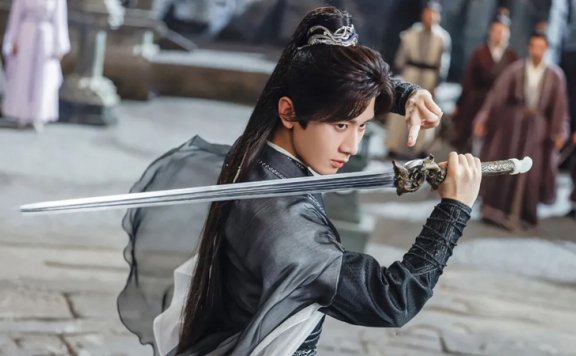
The highly anticipated Wuxia drama Fu Shan Hai (赴山海) is poised to set the summer viewing season ablaze, premiering on iQiyi July 22nd. This S+ production, a flagship entry in iQiyi's "Eastern Legends" lineup, has already shattered genre presale records, surpassing 8 million reservations across platforms. Adapted from Wen Rui'an's (温瑞安) revered Divine Land Swordsman (神州奇侠), the series injects a bold twist into the classic tale: a disillusioned modern editor, Xiao Mingming (played by Cheng Yi), finds himself transported into the very martial arts world he once penned. Thrust into the body of the youthful swordsman Xiao Qiushui (萧秋水), his journey from novice to revered hero unfolds against a backdrop of breathtaking landscapes and intricate conspiracies, promising a potent mix of nostalgia and novelty that has captivated audiences even before its debut. Transmigration Meets Tradition Fu Shan Hai masterfully blends the established lore of Wen Rui'an's universe with a contemporary "transmigration" narrative device. Xiao Mingming's (肖明明) abrupt transition from office drudgery to the perilous Jianghu creates immediate comedic and dramatic friction. His modern sensibilities clash humorously with ancient customs, offering fresh commentary on classic Wuxia tropes. Crucially, the adaptation retains the essence of the source material. Iconic characters like the… -
Curious Tales of a Temple: Showcasing the Artistic Charm of Chinese Animation
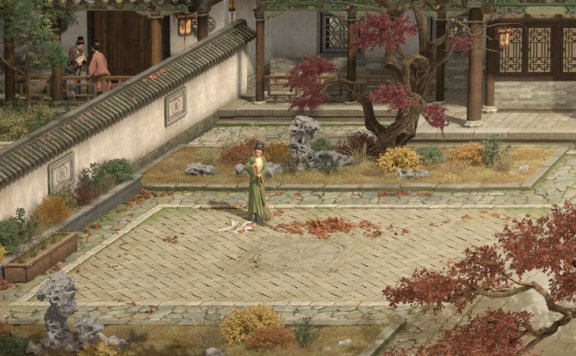
The animated anthology Curious Tales of a Temple (聊斋:兰若寺) premiered July 12th, reimagining classical Chinese literature through groundbreaking visual storytelling. Produced by Light Chaser Animation across four years, the 152-minute film interconnects five tales from Pu Songling’s (蒲松龄) 18th-century Strange Tales from a Lonely Studio (聊斋志异) with an original narrative thread. 6 directors crafted distinct artistic visions for each segment, creating a cohesive exploration of human desires and spiritual resilience. Opening day box office surpassed $2.2 million, signaling strong audience resonance with its innovative fusion of heritage and contemporary animation techniques. Emotional Journeys Through Folklore The anthology examines universal truths through supernatural parables. Taoist of the Mountain Lao (崂山道士) exposes greed’s consequences using tactile felt-textured animation, where heavy wool rendering symbolizes moral weight. The Lotus Princess (莲花公主) transforms a tragic romance into a child’s dreamscape adventure, celebrating innocence with floating petals and luminescent insects. Director Xie Junwei (谢君伟) describes this segment as "a bridge between adult nostalgia and children’s wonder," blending whimsy with emotional authenticity. Nie Xiaoqian (聂小倩) amplifies the original ghost story’s tension by setting it against wartime chaos, intensifying the bond between scholar Ning Caichen (宁采臣) and the spirit Nie Xiaoqian. Director Zou Jing (邹靖) explains the adaptation… -
A Dream Within a Dream: The Script That Controls Fate
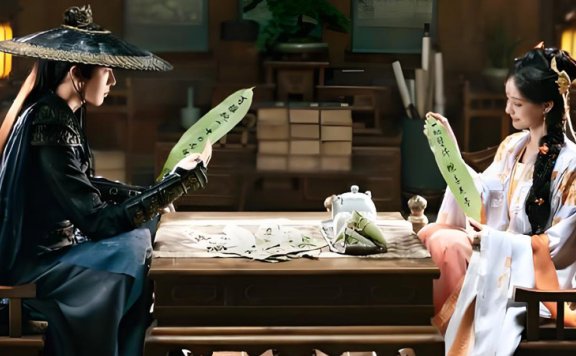
A Dream within a Dream (书卷一梦) isn't just another costume drama; it's a masterclass in bending genres and expectations. This captivating series blends historical intrigue with meta-fiction, following actress Song Yimeng's (宋一梦) chaotic journey after being mysteriously transported into the very period script she was reading. Trapped as her character, she battles against a predetermined tragic fate involving an arranged marriage to Chu Guihong (楚归鸿), facing repeated, bizarre deaths that force the narrative to restart. The show's brilliance lies in its witty subversion of tired tropes, particularly the "forced love" dynamic, turning it into a source of both genuine tension and surprising humor. As Yimeng navigates this perilous, scripted world, her actions ripple through the lives of compelling supporting characters, creating a rich tapestry of rebellion, unexpected love, and self-discovery that resonates far beyond its comedic surface. Its clever plotting and charismatic performances solidify its status as a hidden gem demanding attention. Forced Love, Flipped Script The drama's most ingenious twist lies in its complete inversion of the typical "forced love" trope prevalent in historical romances. Instead of a domineering male lead relentlessly pursuing a reluctant heroine, A Dream within a Dream presents Nan Heng (南珩) as a character equally… -
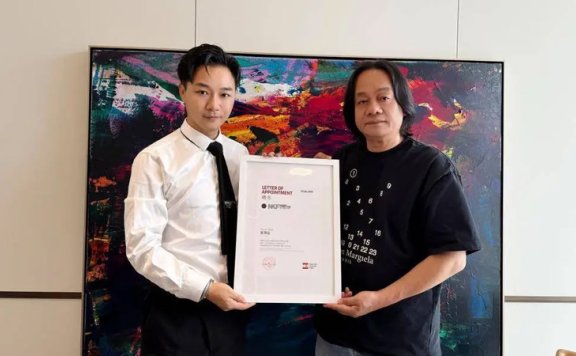
Nanjing Fashion Week 2025: Zhang Zhaoda's Vision of Six-Dynasty Design
Nanjing elevates its fashion ambitions with the appointment of Zhang Zhaoda (张肇达), a foundational figure in Chinese design, as Honorary Chairman for its 2025 International Fashion Week. His participation signals a strategic push to position Nanjing at the forefront of global fashion dialogue. Beyond a ceremonial role, Zhang will headline the opening gala with his iconic brand MARK CHEUNG, leveraging his four-decade legacy bridging Eastern aesthetics and international runways. This collaboration aims to transform Nanjing from a historical gem into a dynamic nexus for luxury commerce, cultural innovation, and trendsetting creativity. Design Philosophy Redefined Zhang Zhaoda’s journey began when Chinese design was virtually absent from global stages. His early 1980s collections introduced a nuanced equilibrium between market viability and artistic expression. The MARK CHEUNG label, renowned for its bias-cut silhouettes and subdued palettes, demonstrated that tradition could converse fluently with modernity. His approach earned him China’s inaugural Golden Top Award and UNESCO recognition. Zhang’s work consistently avoids cliched cultural symbols. Instead, he extracts abstract principles from Chinese art—like the fluidity of ink wash paintings or the structural logic of Ming furniture—translating them into contemporary garments. This intellectual rigor established him as a translator of heritage rather than a revivalist. His… -
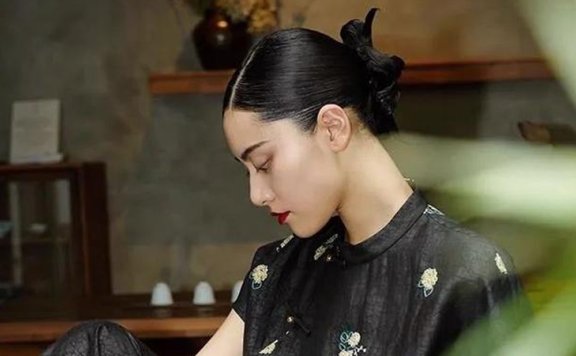
Xiangyunsha: New Chinese Fabric in Stitches
The quiet revolution in fashion isn't loud—it flows. Across bustling cities and serene landscapes, a refined aesthetic emerges: garments honoring heritage while embracing contemporary life. This movement transcends fleeting trends, weaving cultural threads into daily elegance. At its heart lies craftsmanship, where ancient techniques meet modern silhouettes. The Xiangyunsha (香云纱) embroidery set exemplifies this philosophy—unassuming luxury that speaks through texture, drape, and meticulous detail. The Fabric of Time Xiangyunsha isn’t merely silk; it’s alchemy. For centuries, artisans sun-dyed this fabric over 20 times, coaxing crackled patterns resembling aged porcelain. These "turtle wrinkles" aren’t flaws but narratives—each fissure a testament to patience. Unlike synthetics, Xiangyunsha breathes. Its porous structure wicks moisture, offering coolness in summer’s grip. With wear, magic unfolds. The fabric deepens in luster, developing an oil-like sheen that glows softly. This organic evolution makes every garment unique—a living heirloom. The black base in this set serves as a canvas, where light dances across subtle ridges, revealing hidden dimensions. Traditional dyeing uses mineral-rich river mud and plant extracts, yielding hues that harmonize with nature. Modern wearers inherit this legacy: cloth carrying earth’s poetry. Its weight feels substantial yet airy—structure without stiffness. Stitches of Sunlight Hand embroidery transforms fabric into art.… -
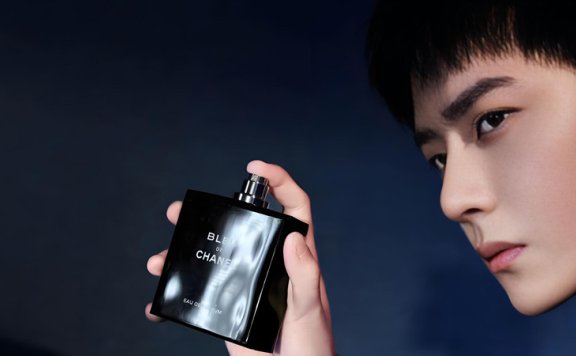
Wang Yibo: Chanel’s Icon Across 8 Runway Journeys
In just two years, Wang Yibo has cemented his status as a global luxury icon through an unprecedented eight appearances for Chanel. From his debut as brand ambassador to achieving a historic high fashion milestone, each meticulously crafted runway moment has not only showcased Chanel's timeless codes but also forged Yibo's unique "Bo-style" signature. This whirlwind journey across three continents represents a masterclass in brand synergy and personal evolution, reshaping perceptions of modern masculinity within haute couture and propelling Chanel's youthful resonance across Asia and beyond. His presence consistently transcends mere attendance, becoming cultural moments that ignite global trends and solidify a symbiotic partnership rarely seen in the industry. Signature Evolution Forged Wang Yibo's Chanel journey began in May 2023 in Los Angeles, radiating California cool in light tweed and retro shades, instantly establishing the "Chanel Boy" persona. His Tokyo debut weeks later saw him masterfully blend the house's classic black-and-white tweed with Eastern aesthetics, a synergy amplified by a bespoke promotional video. By the Paris Spring 2024 show, Yibo introduced a romantic edge, his layered pearl necklaces beneath a grey-blue tweed coat sparking international searches and trendsetting discussions. The Shenzhen show later that year revealed a bolder experimentation, pairing… -
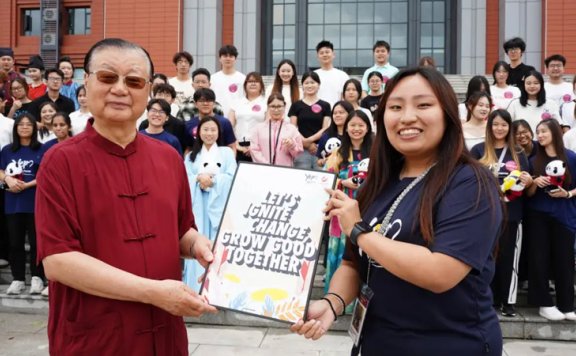
Singaporean Students Immerse in Chengdu's Culture at Jin Cheng College
On July 5th, 2025, a vibrant group of 35 students from Singapore National University and Nanyang Technological University arrived at Jin Cheng (锦城) College in Chengdu. Their half-day visit promised cultural discovery and connection. Greeted warmly by the college leadership, including Founder Professor Zou Guangyan and President Professor Wang Yali, the Singaporean delegation joined Jin Cheng students for an exploration of campus life and shared traditions. The atmosphere buzzed with anticipation for the experiences ahead: discovering campus landmarks, engaging in meaningful dialogue, and diving into hands-on cultural activities designed to foster genuine connection between the young people of both nations. Moments of Shared Discovery The initial encounter dissolved any hesitation. Ice-breaking games sparked laughter and conversation, instantly bridging the gap between the Singaporean visitors and their Jin Cheng hosts. Guided by local students, the group explored the campus heart, including the Entrepreneurship Hall and the History & Alumni Museum. This journey through Jin Cheng's spaces provided context for the institution's spirit. A formal welcome followed in Room Z203 of the Siwei Building. Professor Zou Guangyan (邹广严) expressed heartfelt enthusiasm for the exchange, emphasizing its value for educational collaboration and enduring friendship between Singapore and China. He extended an open invitation…