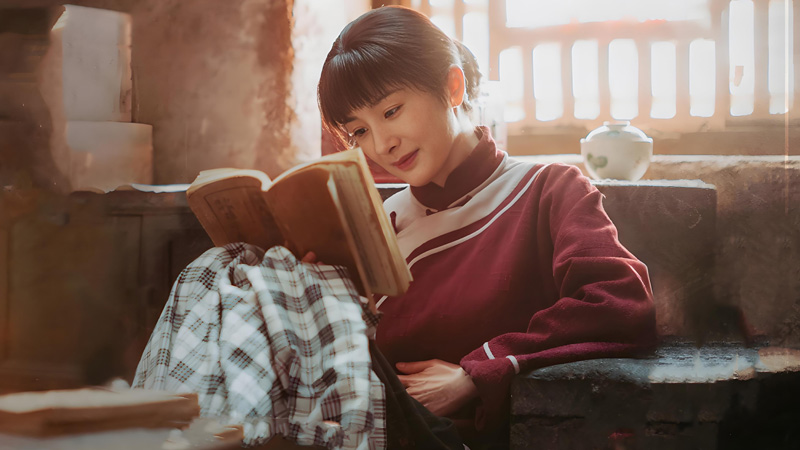
This summer, CCTV premieres Sheng Wan Wu (生万物), a rural drama starring Ou Hao (欧豪) and Yang Mi (杨幂). While Ou’s performance is anticipated, Yang Mi’s role as a tenacious village woman could redefine her career or cement her stagnant trajectory. Amid a lackluster season for films and series, this production tests whether star power can transcend China’s entertainment fatigue.
The Summer Screen Dilemma
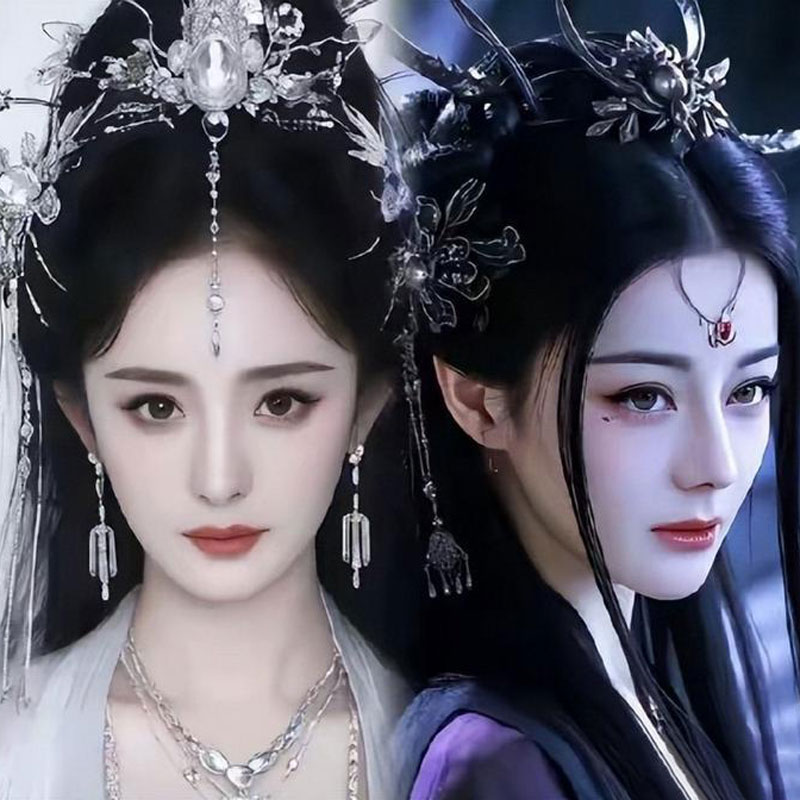
China’s summer entertainment season feels unusually muted this year. Blockbuster films like She’s Got No Name (酱园弄) starring Zhang Ziyi (章子怡) and Chen Sicheng’s (陈思诚) thriller Malice (恶意) failed to ignite audiences, despite A-list pedigrees. Similarly, streaming platforms cycle through forgettable series lacking standout narratives or performances. This creative stagnation highlights viewers’ craving for substance over spectacle. Against this backdrop, CCTV’s planned releases—Sword Rose (利剑玫瑰) and Sheng Wan Wu—offer glimmers of intrigue. Both star actresses synonymous with popularity rather than critical acclaim: Dilraba and Yang Mi.
For Yang Mi, Sheng Wan Wu arrives at a pivotal juncture. As an '85 Generation' actress nearing 40, her two-decade career relies heavily on costume dramas and romantic leads. Mainstream awards consistently overlook her, and audience critiques of her acting persist. Transitioning to gritty realism isn’t just artistic growth—it’s survival. The drama’s rural setting and female-centric story mark her boldest departure yet from commercial tropes. Success could silence skeptics; failure might relegate her to diminishing returns in youth-obsessed markets.
Casting the Crucible
Sheng Wan Wu centers on a woman’s struggle to uplift her village, blending personal grit with communal hope. Ou Hao, playing the male lead, embodies reliability. His evolution from pop idol to respected actor includes acclaimed roles in films like "The Sacrifice" and series such as "The Knockout." His earthy charisma suits the drama’s raw aesthetic—a stark contrast to Yang Mi’s usual glamour. Supporting veterans like Ni Dahong (倪大红) and Qin Hailu (秦海璐) further anchor the project with award-winning depth. Their presence signals artistic ambition beyond box-office metrics.
Yang Mi’s casting, however, remains the wildcard. Her cameo in She’s Got No Name hinted at untapped potential, but a leading role demands sustained nuance. Can she shed mannerisms branded as "wooden" by detractors? Early stills show her weathered and plain-spoken—a visual reinvention. Yet physical transformation means little without emotional authenticity. Her character drives the narrative; if her performance falters, even stellar co-stars can’t compensate. The gamble reflects a broader industry tension: marquee names draw eyeballs but risk undermining substance.
A Generation’s Turning Point
China’s ’85 Generation actresses—Yang Mi and Liu Yifei—face mounting pressure to evolve beyond idol roles. Zhao Liying, their contemporary, set a benchmark with layered performances in projects like The Story of Xing Fu (幸福到万家). Her trajectory underscores Yang Mi’s urgency. While Dilraba, younger by a decade, still leverages her star appeal, Yang Mi’s window for reinvention narrows. Sheng Wan Wu isn’t merely a drama; it’s litmus paper for whether commercial icons can master artistic legitimacy.
The series’ success hinges on Yang Mi’s synergy with director Zheng Xiaolong (郑晓龙), known for nuanced female portraits in works like Empresses in the Palace (甄嬛传). His lens could either expose her limitations or unlock new dimensions. Marketing emphasizes her "dedication to craft," but audiences await proof. If she stumbles, critiques will likely overshadow the ensemble’s efforts and the story’s social relevance. Conversely, a resonant turn could redefine her legacy—and offer hope to peers navigating similar pivots.
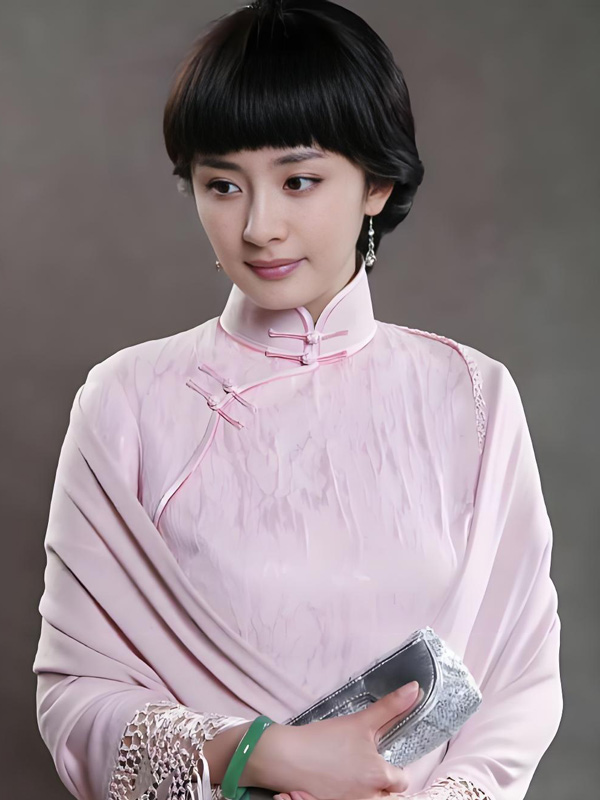
Ultimately, Sheng Wan Wu transcends summer entertainment. It mirrors an industry crossroads where star power collides with artistic hunger. As CCTV broadcasts this experiment nationwide, Yang Mi carries more than a character—she shoulders the weight of an entire career renaissance.