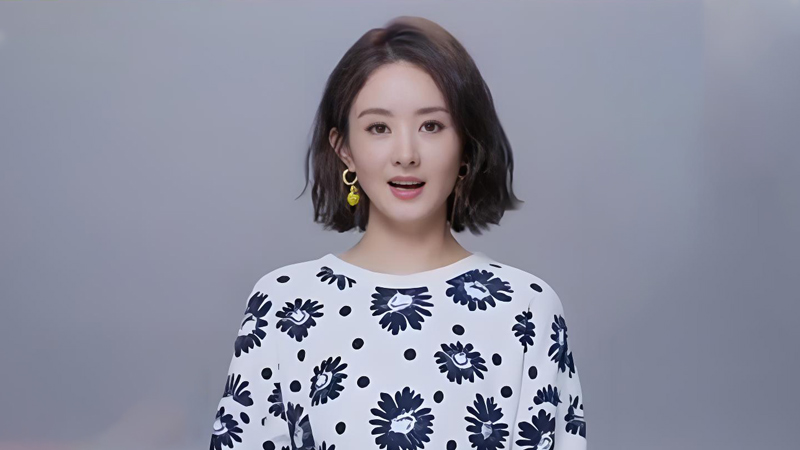
The camera light flickers on, revealing Zhao Liying’s (赵丽颖) face – thinner than audiences remember, her gaze drifting just beyond the lens. A simple blue-flowered blouse and faded pink-tipped hair frame a fatigue that even studio filters struggle to soften. This brief video message for The Chinese Restaurant's (中餐厅) 100th episode isn’t a dramatic comeback, but an accidental spotlight on an actress navigating the quiet storm of mid-career transition. Her absence from public events throughout July only amplified the whispers: Why does rest seem to drain her more than work?
Transition Blues at Thirty-Five
Zhao Liying’s shift from television dominance to cinematic ambition marks her most critical professional pivot. Television cemented her as a post-85 generation actress through hits like The Story of Minglan (知否知否应是绿肥红瘦) and Princess Agents (楚乔传), praised for nuanced performances in layered roles. Yet her silver screen ventures – three consecutive films with lukewarm box office and tepid reviews – highlight a harsh industry truth: Small-screen success rarely guarantees big-screen acceptance. Each project demanded stylistic reinvention, stretching her beyond the resilient heroines that defined her brand.
The pressure isn’t purely artistic. At 35, Zhao Liying operates within an ecosystem obsessed with youth and rapid reinvention. Her deliberate retreat from variety shows after The Chinese Restaurant Season 4 backlash – where critiques of her "unpolished" dining habits and emotional transparency clashed with her poised on-screen persona – reflects a protective instinct. That retreat now feels less strategic, more symptomatic. The industry’s unforgiving pace offers little room for missteps or mid-career recalibration.
Off-screen controversies further cloud her transition. A terse dismissal of dating rumors with Myanmar-based director Zhao Deyin (赵德胤) triggered memories of past impulsive moments, chipping away at a carefully cultivated "resilient woman" image. Such incidents, amplified by social media, distract from her craft. They underscore a paradox: The authenticity fans crave in her performances becomes a liability when mirrored in unfiltered personal moments.
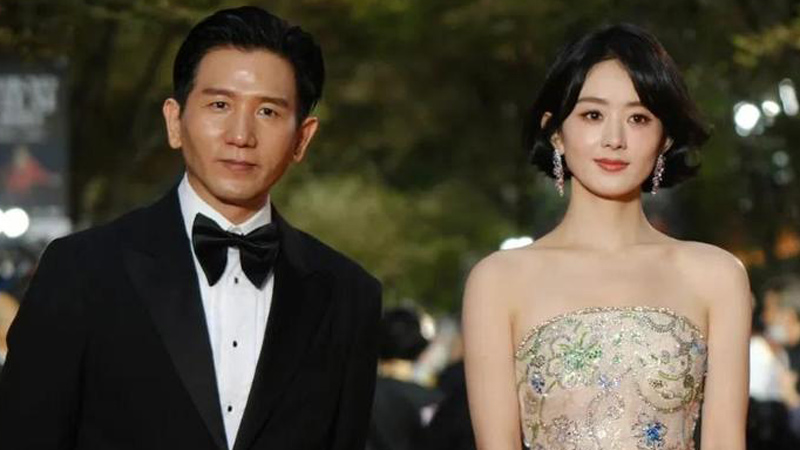
Her physical transformation speaks volumes. The recent video shows a sharpened jawline and hollowed cheeks, contradicting expectations that downtime would bring rejuvenation. This visible strain, whether born from creative uncertainty or personal demands, becomes an unintended narrative – one where the actress’s body seems to echo professional growing pains.
Audience Whispers and Shifting Sands
Zhao Liying’s relationship with her audience is evolving. Loyal fans champion her artistic risks, framing her film ambitions as courageous. Yet broader public perception remains tethered to her television triumphs and curated vulnerability. The Chinese Restaurant fall out revealed a disconnect: Audiences comfortable with her playing tenacious characters bristled when real-life mannerisms – like searching for a prompt off-camera – disrupted the illusion of effortless grace.
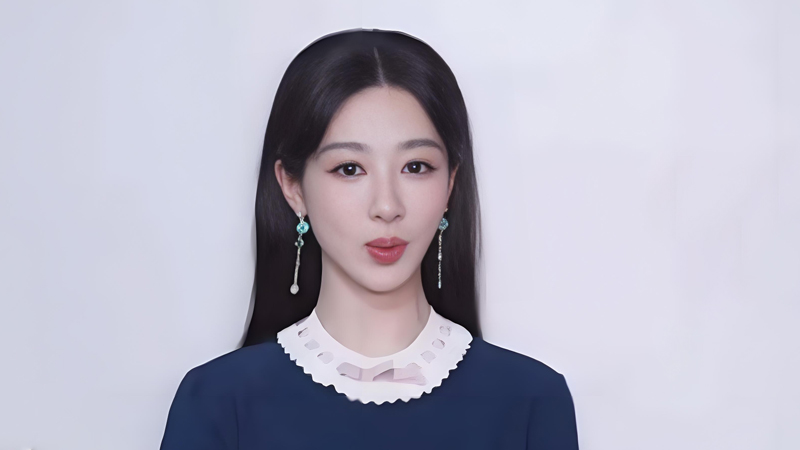
Her peers’ parallel struggles contextualize her journey. In the same anniversary video, Zhou Dongyu’s (周冬雨) face appears unnaturally still, Yang Zi’s (杨紫) nose contour draws scrutiny, and Huang Xiaoming’s (黄晓明) wrinkles defy digital smoothing. This collective visibility exposes systemic pressures, but Zhao Liying’s case feels distinct. Her transition coincides with a cultural moment questioning the sustainability of stardom built on relentless output. The exhaustion viewers detect isn’t just physical; it hints at the emotional toll of perpetual reinvention.
The "independent woman" persona, once a powerful asset, now demands meticulous upkeep. A single frustrated outburst or rumored romance can unravel years of narrative-building. This fragility forces performers like Zhao into exhausting vigilance, where every public appearance becomes a high-stakes performance audit. The warmth reserved for her dramatic roles cools when applied to the complexities of the person behind them.
Ultimately, the audience’s verdict rests on the work. While sympathetic to her visible fatigue, viewers prioritize compelling stories. Her television legacy offers goodwill, but cinematic credibility must be earned frame by frame. The murmurs about her appearance or past controversies will persist – unless silenced by a role that reminds everyone why she ascended in the first place. For Zhao Liying, the next script isn’t just another job; it’s the bridge back from the brink.
Her path forward hinges on finding collaborators who leverage her strengths – emotional transparency, quiet intensity – within cinematic frameworks that resonate. The fatigue captured in that brief video isn’t an endpoint, but a stark reminder: Even for China’s most beloved stars, the spotlight’s warmth is conditional. Redemption, should she seek it, lies not in hiding, but in the transformative power of the next character she dares to become.