
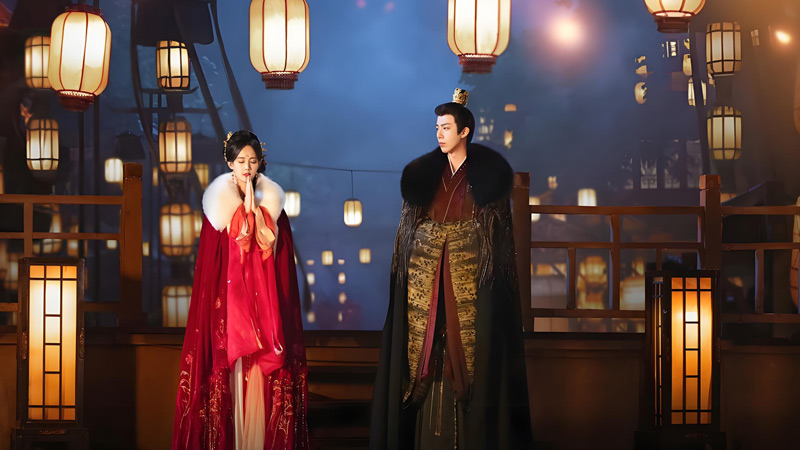
The 2023 costume drama A Dream within a Dream (书卷一梦), starring Li Yitong (李一桐) and Liu Yuning (刘宇宁), delivered a finale that reignited its initial spark. Premiering on June 26th with record-breaking viewership on iQiyi, the series captivated audiences with its unique premise: actress Song Xiaoyu (宋小鱼) accidentally time-travels into her script, becoming the character Song Yimeng (宋一梦).
Trapped within the narrative machinery of a period drama titled Qing Ning Yi Meng (清宁一梦), she encounters the seemingly ruthless nobleman Nan Heng (南珩). Their struggle against predetermined plot points promised a fresh take on the genre. While the opening episodes thrilled with fast pacing and clever subversion of tropes, the middle section became mired in repetitive subplots and uneven character development, causing viewer retention issues despite a strong finale rally.
This trajectory from high potential to mid-season slump and eventual recovery offers a compelling case study in modern Chinese costume drama storytelling.
The Anti-Trope
The initial episodes hooked viewers precisely because they defied expectations. Song Xiaoyu's modern sensibilities clashed humorously and dramatically with the rigid, often illogical, world of Qing Ning Yi Meng. Her awareness of being a character within a script provided a meta-commentary on genre conventions. Nan Heng, introduced as a cold-blooded antagonist, quickly revealed hidden depths through his alter ego.
This dynamic setup – an actress fighting the script’s control and a complex male lead trapped by his own narrative – felt innovative. The brisk pacing and focus on the central duo’s attempts to rewrite their "fated" encounters generated significant buzz, propelling the drama to an impressive premiere heat index of 7687 on iQiyi. The premise wasn't just about time travel; it was a rebellion against narrative inevitability within a fictional universe, resonating with audiences tired of predictable plots.
The Trap of Convention
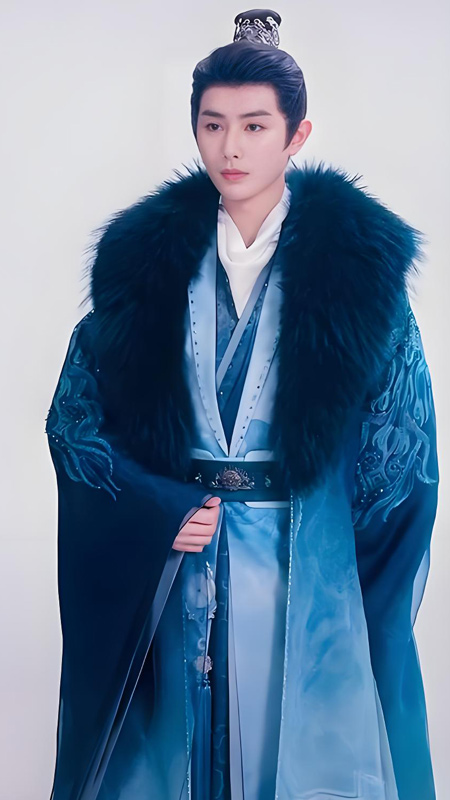
Despite its rebellious start, A Dream within a Dream succumbed to the very tropes it initially mocked. A significant shift occurred as the narrative focus diluted. Extensive, often inconsequential, screen time was devoted to secondary characters like Chu Guihong (楚归鸿), the designated villain whose motivations felt paper-thin. This sidelined the compelling dynamic between Song Yimeng and Nan Heng, leading to fan complaints about their reduced presence.
Crucially, Song Yimeng's character arc stagnated. Instead of leveraging her modern perspective, she became increasingly passive, seemingly absorbed by the script’s logic. Her repeated refusal to communicate openly with Nan Heng, based on lingering prejudice against his primary identity, felt contrived and frustrating. While Nan Heng endured repetitive cycles of misunderstanding and suffering, meant to evoke sympathy, the overuse of this device backfired, numbing audience engagement.
The pacing slowed, and the initial novelty wore thin without equally inventive mid-season plot developments to retain viewers who weren't solely invested in the leads' star power. The heat index plateaued below 9500, unable to breach that ceiling despite the strong start.
Awakening's Promise and Limits
The finale's strength lay in its return to the core concept: mass narrative rebellion. The climax saw not just the leads, but numerous minor characters and even extras gaining self-awareness, collectively rising against the antagonist Chu Guihong and the oppressive script mechanics. This created the chaotic, energetic, and emotionally resonant ensemble effort missing in the middle episodes. It highlighted what could have been – a continuous exploration of agency within a constructed world. Li Yitong and Liu Yuning delivered powerful performances in these high-stakes scenes, showcasing their chemistry and emotional range.
However, this late surge couldn't fully compensate for the preceding weaknesses. Song Yimeng’s delayed realization about Nan Heng’s true nature felt rushed after episodes of circular conflict. Supporting characters like Song Yiting (宋一汀), who demonstrated sharper modern-like intuition earlier, only fully activated their potential far too late. The finale proved the concept's enduring appeal but underscored the missed opportunity to weave this "awakening" theme consistently throughout the narrative, maintaining the initial momentum and depth.
Beyond the Page
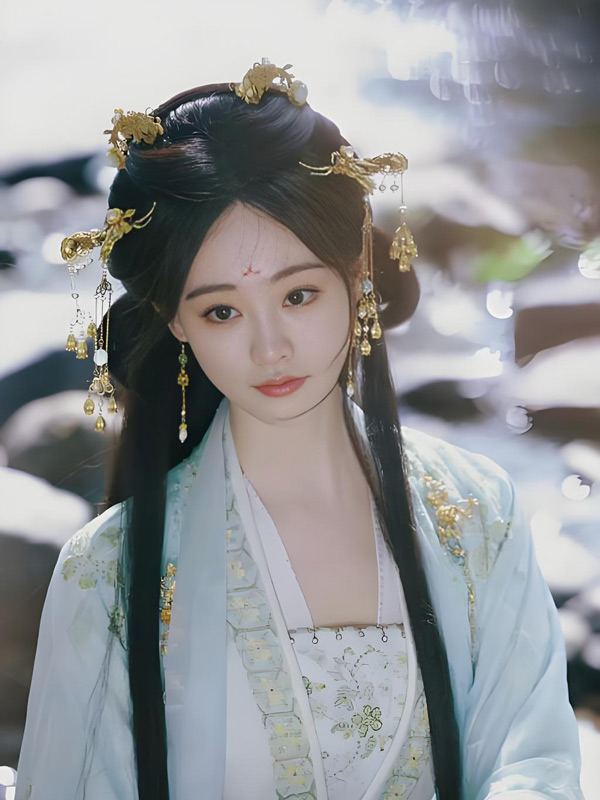
A Dream within a Dream stands as a fascinating, albeit flawed, experiment. Its premise placed it among peers like The Romance of Tiger and Rose (传闻中的陈芊芊) and Love Game in Eastern Fantasy (永夜星河), which also explored self-aware characters challenging their stories. Phrases like "I am the master of my fate" resonate deeply in this sub-genre.
A Dream within a Dream started with the advantage of meta-commentary but struggled to move beyond simply identifying genre cliches to offering a consistently fresh narrative. The finale demonstrated the potent catharsis of collective defiance against a predetermined plot, delivering the emotional payoff and energetic spectacle that defined its best moments.
However, its journey highlights the critical importance of sustained narrative focus, balanced character development, and consistent pacing. For future costume dramas seeking to deconstruct tropes, A Dream within a Dream offers a clear lesson: identifying the problems is only the first step; crafting a compelling, coherent, and character-driven story that avoids the pitfalls it critiques is the true challenge. Its ultimate legacy might be reminding creators that even within a "dream," execution matters as much as the initial spark of rebellion.
