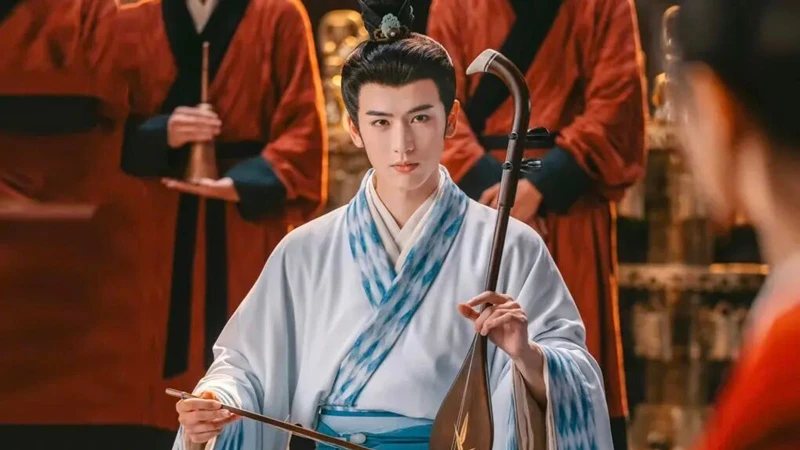
In The Princess Royal, Zhang Linghe (张凌赫) wears robes that should keep attention on his face. Instead, viewers zoom in on his waist. The scene is not about a slim figure. A small hook on his belt does the work. That hook is a belt hook an ancient fastener that once held robes and leather straps. It looks like a modern buckle, but its story reaches back thousands of years. This tiny object explains why old Chinese dress codes still feel sharp today. Once you notice it, ordinary belts seem dull.
Old Waist, New Eyes
Early Chinese belts used cloth, silk, or leather. The belt hook was the detail that mattered most. For men, it joined the belt, kept robes closed, and held a leather strap in place. It also signaled taste and ritual. Nobles, scholars, and warriors wore one. A plain strap could become a quiet statement. The hook sat at the waist, yet it spoke before a man did. Its job was practical. Its effect was social. That double role made it more than a button. It was a small stage for craft, rank, and memory.
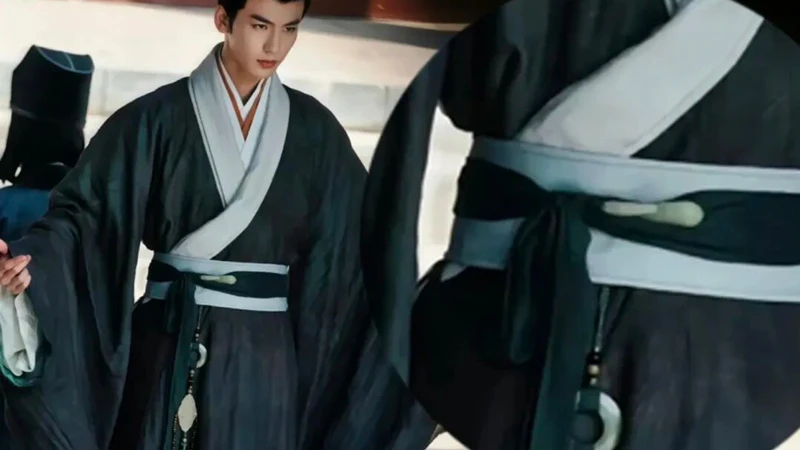
Its age is striking. At Liangzhu (良渚) sites, roughly five thousand years old, jade hooks appear in early form. These are among China’s first dress ornaments. They show that people cared about how clothing looked, not only how it worked. A hook could mark a body, a rank, or a ceremony. Long before fashion magazines, the waist already carried meaning. The object survived because it solved a simple problem with beauty. It fastened fabric, but it also fastened identity to the body. That is why a tiny piece of jade or metal can still stop a camera today.
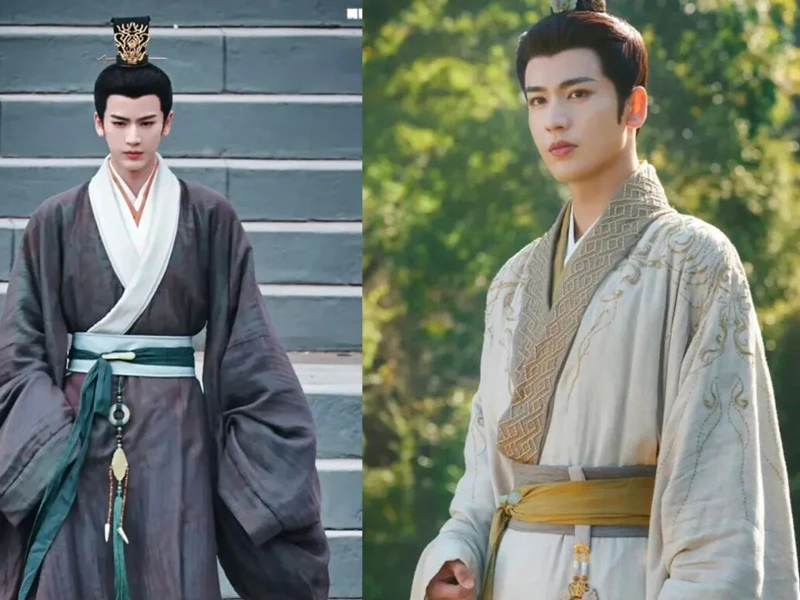
Written sources add rules. Shuowen Jiezi (说文解字) says men used leather belts, while women used silk ribbons. Before Qin and Han times, men often wore leather with metal or jade hooks. Women tied soft silk, creating a different line. Huainan Zi (淮南子) notes that at one banquet, every guest’s hook looked different. During the Spring and Autumn and Warring States periods, hooks became common. Shape, pattern, and material told others who you were. The waist became a ledger. No words were needed.
Rank in Metal
The Han dynasty pushed belt hooks to a high point. Court names for them included shibi (师比) and xipi (犀毗). The shape settled into a slightly curved bar or the well-known pipa form. Lines became smooth and simple. This basic design shaped later hooks. The hook was not random decoration. Material followed rank. Gold and white jade suited emperors and nobles. Silver and jade fit scholars. Bronze and iron served officials and warriors. A small object at the waist worked as a social label. It told strangers where a person stood before conversation began.
Television knows this power. In Legend of Zang Hai (藏海传), Xiao Zhan (肖战) wears a belt hook as a key signal when his character’s status changes. The accessory does not shout. It shifts. That quiet shift is the point. In old dress, a hook could say noble, official, scholar, or fighter. Today, a buckle can say minimal, wealthy, sporty, or eccentric. The grammar changed, but the sentence remains. People still read the waist. They still guess a life from a small metal or stone detail. The hook simply made that reading official.
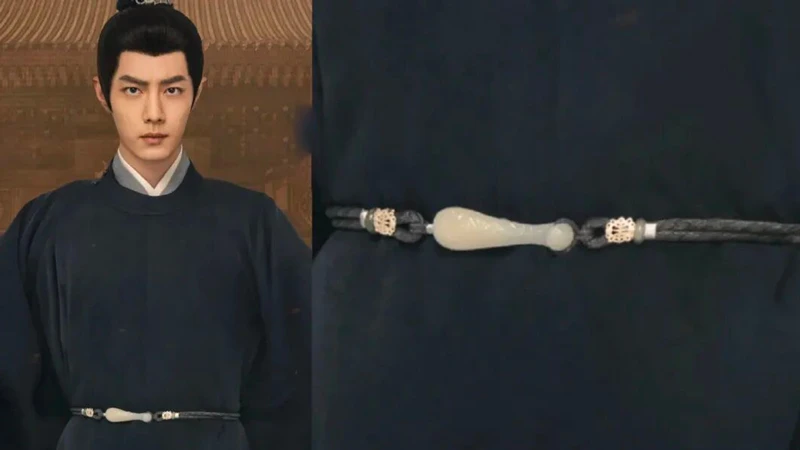
Archaeologists group hooks into eight shapes: waterfowl, beast face, plough, curved rod, pipa, long plaque, full beast, and unusual forms. Materials include gold, silver, copper, iron, jade, stone, wood, and bone. Copper hooks were common because they cost less and worked well. Some were lively; others were severe. A waterfowl hook could feel light. A beast-face hook could feel heavy. Each choice matched a wearer’s needs and taste. The system was broad, not narrow. Within strict rules, people still found room to play. The waist was regulated, but never completely silent.
Craft to Street
Makers used gold inlay, openwork, gilding, inlay, and engraving. In a space no wider than a finger, they cut patterns and set stone. The work rewarded close looking. Many unearthed hooks still show clear lines after centuries underground. That survival says much about skill. It also says much about value. A hook was small enough to lose, yet important enough to make with patience. Craft gave the object weight beyond its size. When a viewer today pauses on Zhang Linghe’s waist, that old patience returns. The camera finds what the hand once made.
Wide robes and long sleeves left daily life. Belt hooks stopped being necessary. Their logic did not vanish. Modern men’s belts repeat the same idea: a strong strap, a metal or alloy buckle, a clean line. Jade-textured accessories and warm gold tones echo old tastes. The old love for gold and jade did not appear from nowhere. It grew from materials that felt smooth, heavy, and lasting. What once marked rank now marks preference. A CEO and a student may wear similar buckles. The object no longer decides status. It lets a person decide a mood.
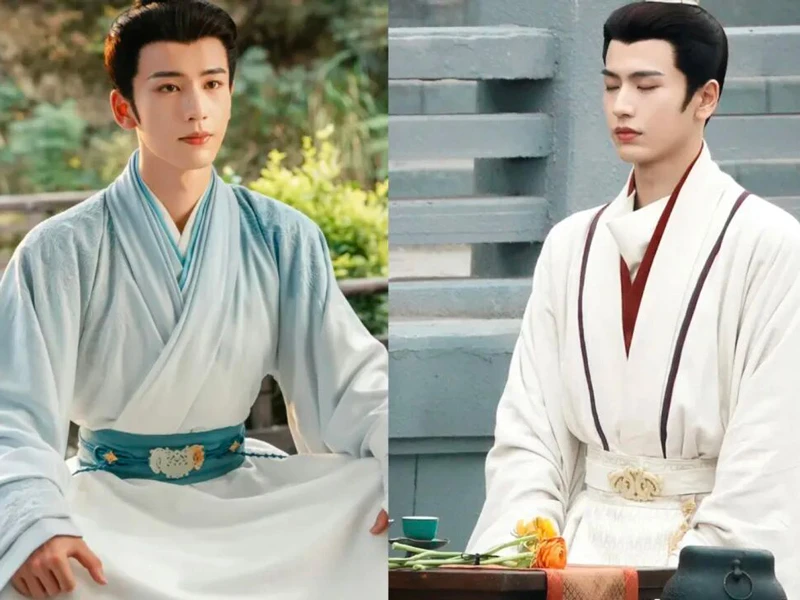
The deeper style lesson is restraint. Belt hooks worked best when they stayed quiet: hidden enough to seem simple, rich enough to reward a second look. That fits current men’s fashion. Loud logos fade. Clean leather, a well-made buckle, and a balanced waistline last longer. The hook shows that small details can carry a whole outfit. It does not need jewels on every surface. It needs proportion, material, and confidence. So, would you try a traditional belt hook? Or would you keep the modern buckle and let the old ghost stay in the museum?