Why Did Bao-yu’s Robe Never See Soap? A dirty little secret of period dramas is that the most dazzling costumes are never thrown into a washbasin. In Dream of the Red Chamber (红楼梦), the young master’s formal gowns glow with gold thread and pearl buttons, yet no servant ever scrubs them. Modern viewers assume this is sheer laziness or a one-wear-only extravagance.
The truth is far more practical, and far stranger. It is not about filth; it is about fear. Water, that humble cleanser, was the deadliest enemy of the aristocracy’s wardrobe. To understand why, we must unfold the fabric of history, thread by fragile thread.
Silk and Gold Can’t Swim
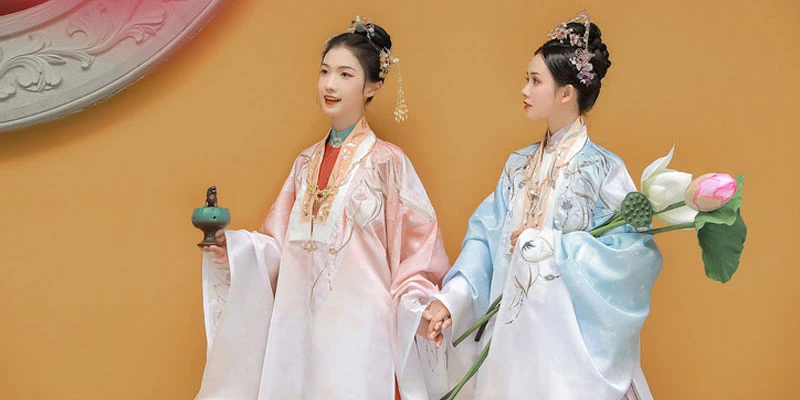
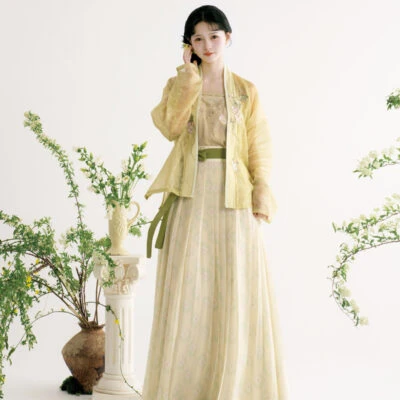
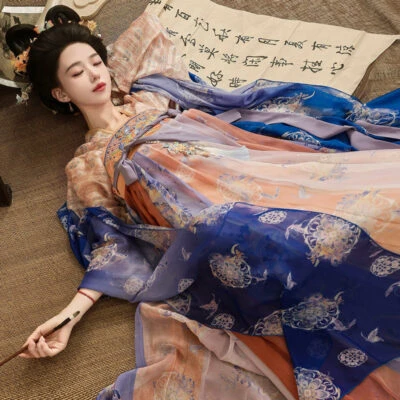
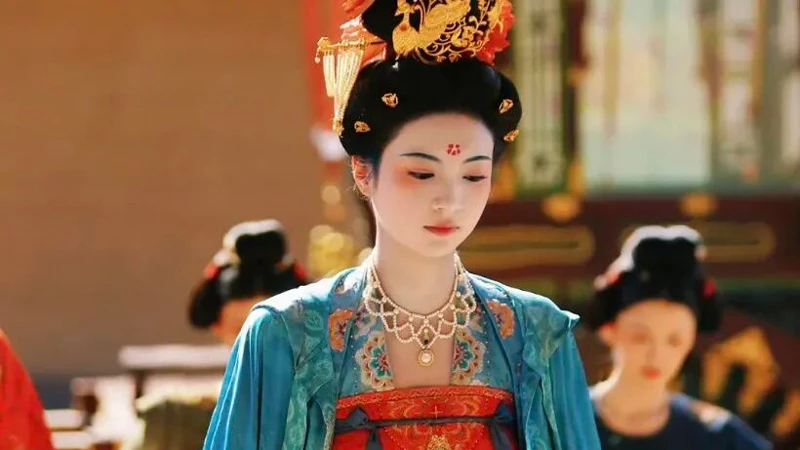
The first rule of noble fashion is this: if it shines, do not rinse. Ceremonial robes, whether the emperor’s dragon robe or a noblewoman’s Xiapei (霞帔) cape, were woven from Yunjin (云锦) brocade and Zhijin (织金) gauze. These are not simple cottons; they are proteins. Silk is animal fibre, and water makes it shrink, wrinkle, and lose its luminous sheen. Repeated washing turns a glowing gown into a stiff, brittle rag. Natural plant dyes, so prized for their rich hues, bleed and fade with every dip. For these materials, one wrong wash is not a mishap—it is an execution.
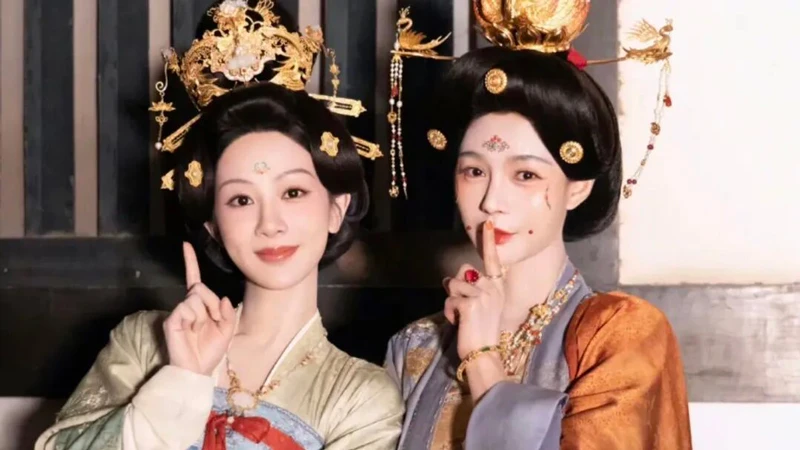
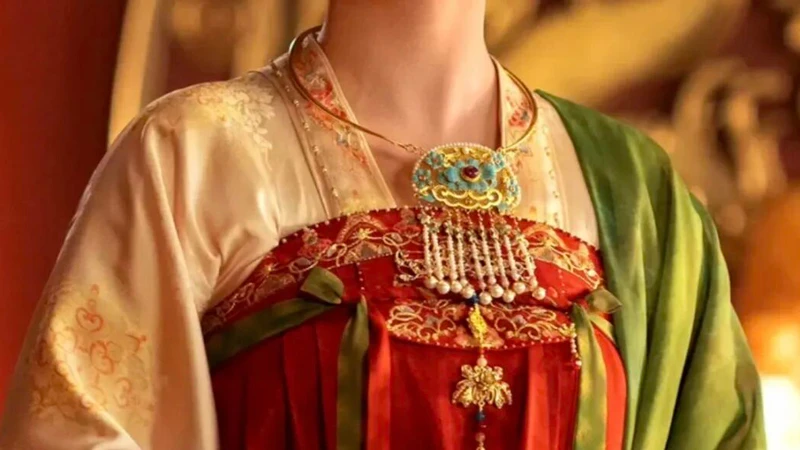
Yet the fabric is only half the tragedy. The real catastrophe lies in the decorations. Those intricate embroidery patterns use gold and silver threads, which are actually thin metal foil wrapped around silk core. Water tarnishes the metal; it oxidises, blackens, and flakes away. Pearls and gemstones seem durable, but the cotton or silk threads that hold them swell and loosen when wet. A single soak can turn a masterpiece of needlework into a drooping, dishevelled mess, with jewels scattering like fallen tears. For a robe that contains hundreds of metres of gold thread, the loss is not just monetary—it is cultural desecration.
So the noble class did not wash; they maintained. This was not neglect, but a sophisticated preservation strategy. The garments were worn rarely—only for sacrifices, court audiences, or grand weddings. They were stored flat in camphor-wood chests, which repelled insects, moisture, and mildew. After each use, they were aired in the shade, never in the sun, to disperse odours without risking water damage. If a spot appeared, a servant would dab it with a cloth moistened in alcohol or rice water, never wetting the entire body of the robe. It was dry-cleaning, medieval style, executed with the precision of a surgeon.
Keep It Dry, Scent It High
When a stain proved stubborn or the style became outdated, the solution was simple: replace it. For the aristocracy, a robe’s value was not in its durability but in its symbolism. To own a garment that could not be washed was to prove you could afford to abandon it. It was a silent boast: “I do not labour, I do not sweat, and I do not repeat.” This practice extended beyond cost. In humid southern regions, even ceremonial robes absorbed dampness and body odour after one wearing. The remedy was not soap, but perfume. Sachets of fragrant herbs were tucked into sleeves and chests; the robe was fanned dry and then gently smoked over aromatic woods. The scent masked the mustiness, restoring an illusion of purity.
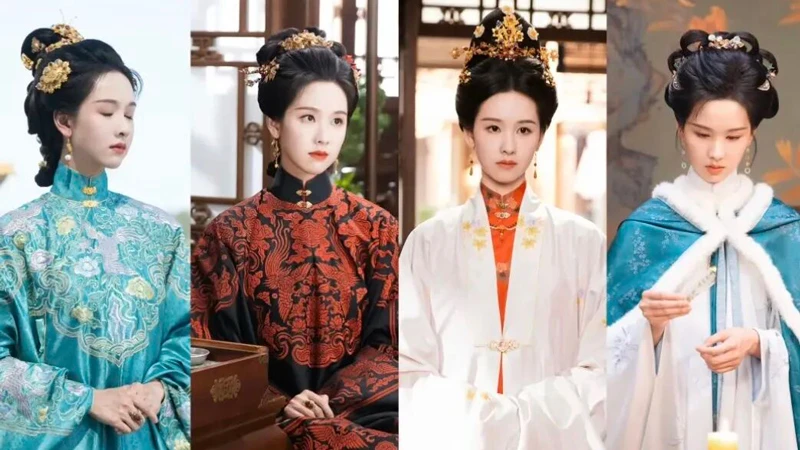
This ritual of fragrance was a class marker. It signalled that you had servants to fan, herbs to burn, and time to wait. It was a sensory declaration of status, as unmistakable as the rustle of silk. And it worked, because the garments were never worn long enough to become truly soiled. They were rotated frequently, with the master changing multiple times a day. A robe that touched the emperor’s shoulder for an hour would be immediately removed, aired, and stored. It never met the grime of daily life, because daily life was beneath its dignity.
Therefore, when we watch period dramas and see those glittering costumes in scene after scene, we are not witnessing filth. We are witnessing a system of care that rejected water as a destroyer, not a cleaner. The gowns are not dirty; they are simply never allowed to get dirty. And if they do, they are retired. This is not waste; it is theatre. The costume is a prop for power, and power, like gold thread, does not survive a rinse.
The Washers and the Worn
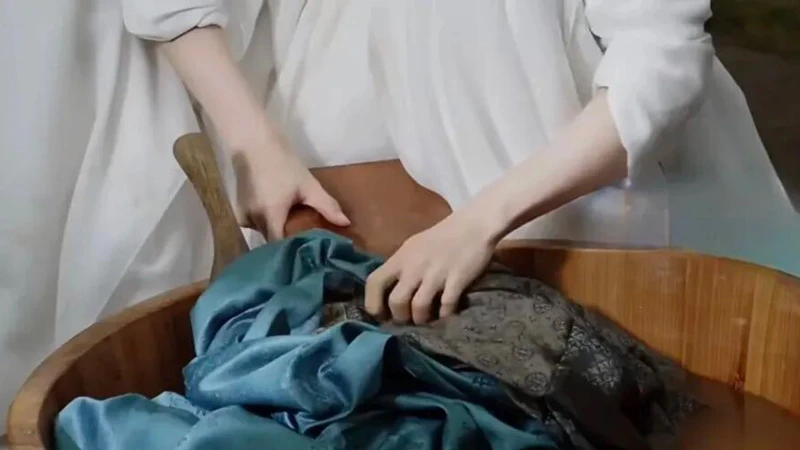
Does this mean the nobility never washed any clothes? Absolutely not. The myth of the unwashed aristocrat collapses when we look at their undergarments. Inner robes, undershirts, and linens were washed frequently and vigorously. Even the most pampered lord could not tolerate a sour, stale smell next to his skin. In Dream of the Red Chamber, the maid Xiren (袭人) spends her days not just serving tea, but scrubbing the daily clothes of Jia Baoyu (贾宝玉). These were not the golden gowns, but the soft cotton layers that touched his body. For these, the household employed a full laundry system, from the imperial Huanyi Bureau (浣衣局) to private servants. The difference was in the material: cotton and hemp can endure water; silk and gold cannot.
The cleaning agents were natural and effective. Cao Mu Hui (草木灰), or plant ash, provided alkaline power to cut grease. Zaojiao (皂角), the fruit of the soapberry tree, produced a mild, foamy lather. And Yizi (胰子), a primitive soap made from animal fat and pancreas, tackled stubborn dirt. For coarse fabrics, servants would knead and beat these cleansers directly into the cloth. For silk undergarments, they used only the gentlest soapberry solution, squeezing the water out by hand and drying them flat in the shade. Sunlight, that natural bleacher, was forbidden; it would yellow the silk and weaken the fibres. The standards were exacting, but they were applied only to garments that could survive the process.
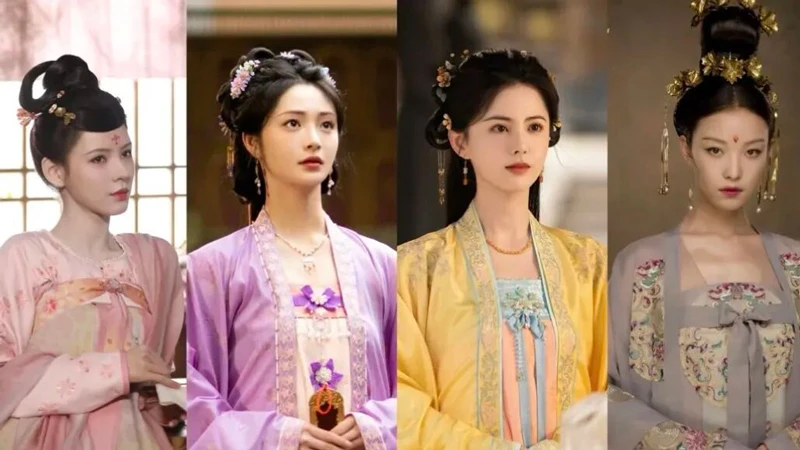
This dual system—water for the common, dry care for the elite—was not just practical; it was a social mirror. The peasant in his coarse hemp tunic washed it repeatedly because he had to; it was his only protection. The noble in his gold-flecked robe never washed it because he could afford not to. The garment became a badge of a life free from sweat and soil. It whispered to the world: “I am above the mud.” And for centuries, that whisper was loud enough to drown out the smell of history. So the next time you see a lavish period costume, remember: it is not that they didn’t want to wash it. It is that they couldn’t, and that inability was the whole point.