
The Liyi Huaxia (礼衣华夏, "Ritual Garments of China") Hanfu Model Contest — one of China's largest national-scale hanfu modeling competitions — opens its Shanghai regional round this weekend in Changning District, adding a structured competitive format to Shanghai's already intense national-trend cultural calendar.
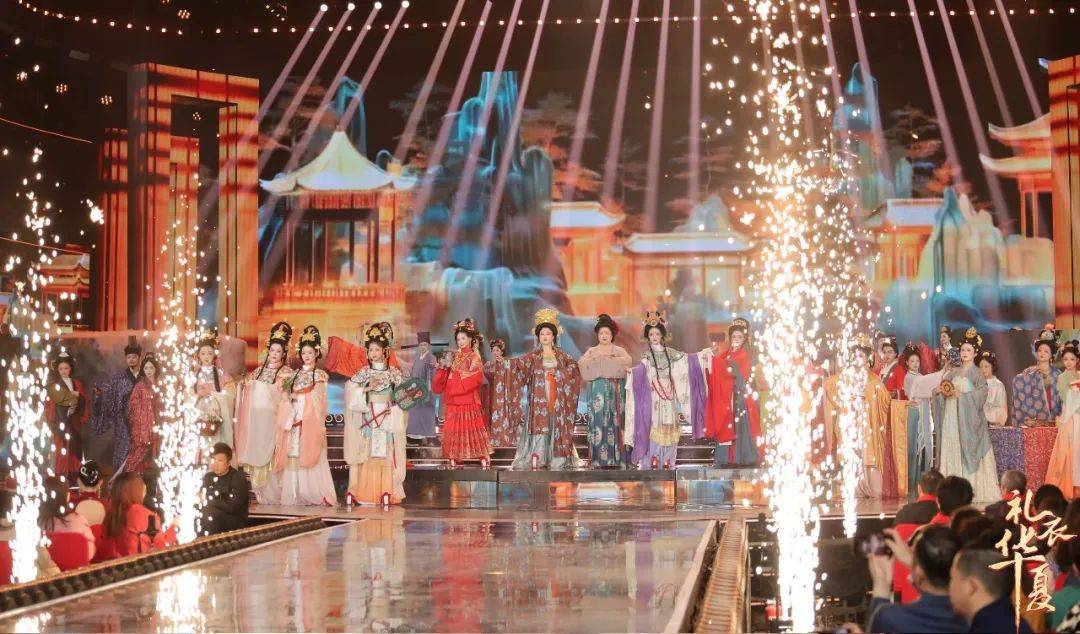
The contest, which has run annually since 2018, evaluates participants across three dimensions: garment authenticity (whether the hanfu matches documented historical construction), styling integration (whether hair, makeup, and accessories form a coherent period-appropriate look), and stage presentation (the model's ability to embody the garment's cultural narrative through movement and expression).
The Shanghai round is one of eight regional qualifiers feeding into the national finals later this year. Previous rounds in Xi'an, Chengdu, and Beijing have drawn over 200 contestants per city, with the format increasingly attracting professional models alongside amateur enthusiasts — a sign that hanfu modeling is developing career infrastructure rather than remaining a hobby.
The timing aligns with Shanghai's overlapping cultural events: Haipai Qipao Month (running through June), the Heritage Day satellite activities, and the general summer-graduation tourism surge. Changning District — home to Shanghai's most concentrated national-trend retail corridor — is the natural venue: contestants can visit qipao shops, hanfu rental studios, and heritage craft exhibitions within a single afternoon.
The contest's growing professionalization reflects a broader market shift. Hanfu modeling agencies now exist in five major cities, offering commercial shoot services for brands, tourism boards, and event organizers. The Liyi Huaxia contest provides a credentialing pathway — regional winners gain visibility that translates into paid modeling opportunities. For a cultural movement that started as a community hobby, this is institutionalization in action.
The judging criteria's emphasis on xingzhi (形制, structural authenticity) is a deliberate counterweight to the social-media-driven hanfu aesthetic that prioritizes visual beauty over historical accuracy. Contestants who wear commercially popular "xianxia-style" hanfu — the fantasy robes inspired by costume dramas — score lower on authenticity than those who choose archaeologically documented Song or Ming constructions. The tension between "beautiful but fictional" and "accurate but less spectacular" is the contest's implicit debate, and it mirrors a larger conversation within the hanfu community about whether visual appeal or scholarly rigor should define the movement's public face.
The Shanghai round's expected contestant count is 250–300, a 25% increase from the 2025 edition. The growth is driven partly by the graduation-season demographic — young women who have completed their exams and are seeking structured cultural engagement beyond casual photo sessions. The contest's entry fee is nominal (¥30), making it accessible to students; the real cost is the hanfu itself, which contestants must provide. This creates an indirect economic driver: contestants who lack suitable garments rent or purchase from nearby Changning shops, generating retail foot traffic that the contest organizers count as a community benefit.
National finals are scheduled for October in Xi'an — the Tang-dynasty capital that has become hanfu tourism's most visible destination. The Liyi Huaxia finals there will coincide with peak autumn tourism season, maximizing both audience size and media coverage.
