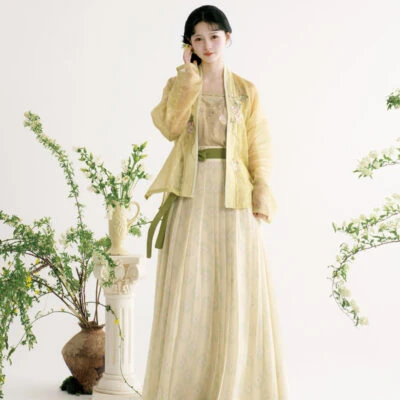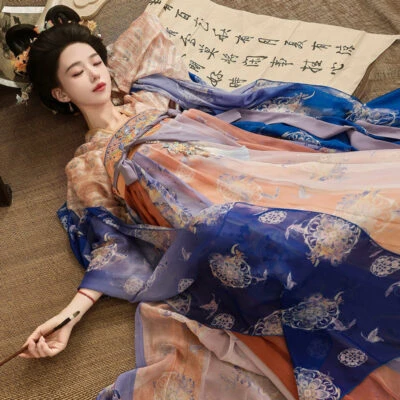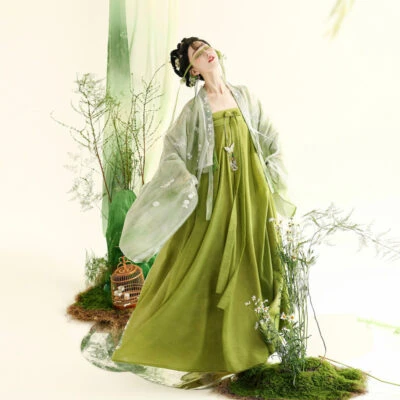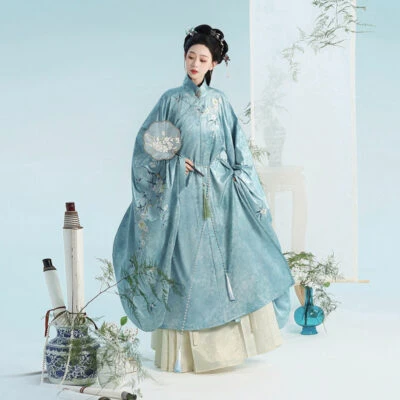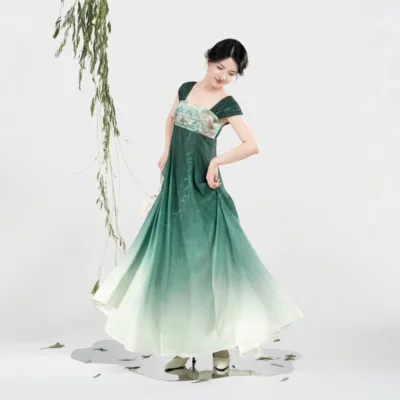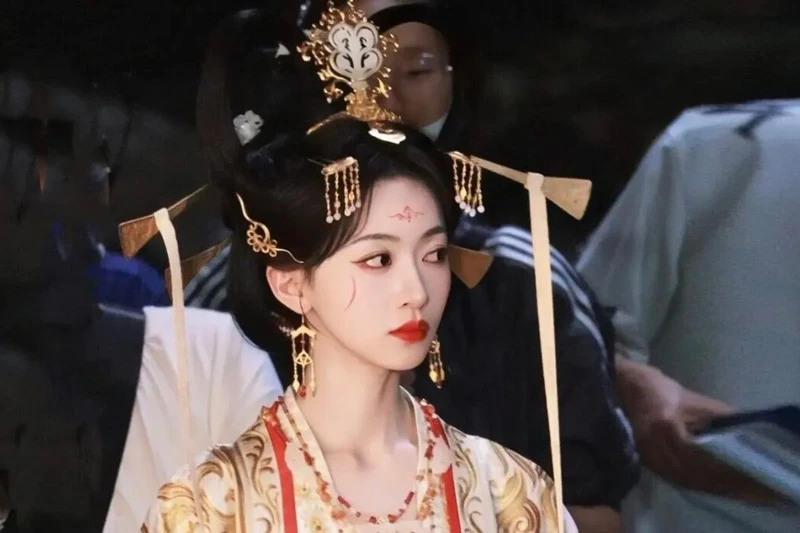
Wu Jinyan (吴谨言) steps back into ancient China with her new drama, Feng Bu Qi (凤不栖). Sharp-eyed viewers immediately noticed something unusual hanging from her hair: two long, straight cloth strips, one on each side. They look soft, elegant, and oddly familiar.
Yet they also raise a simple question: why are they there? In an era where historical dramas chase ever‑more accurate costumes, these dangling ribbons feel like a throwback. But they are not random decorations. They carry a forgotten story that weaves through imperial rituals, Korean court traditions, and the wild creativity of early 2010s TV studios. Today, we unpack the mystery of those two little strips—and why they vanished, then suddenly returned.
The Ritual Cord
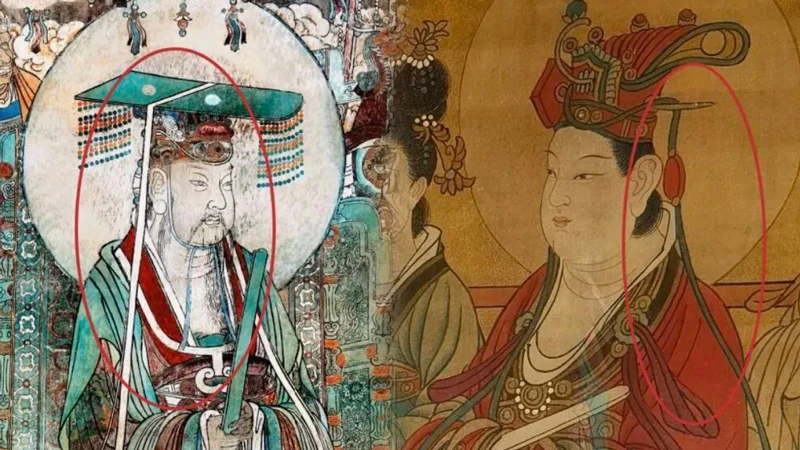
Long before TV dramas existed, ancient Chinese aristocrats wore a special headpiece called a Mian Guan (冕冠), a ceremonial crown with a flat top and dangling beads. Attached to it was a thin cord hanging from both sides of the cap, known as Hong (纮) or Tianhe Dai (天河带, “Milky Way belt”). This was no fashion accessory. It was a strict ritual marker. Only high‑ranking officials and the emperor himself could wear it. The Book of Rites (礼记) even specified colors: the emperor used red, nobles used blue‑green, and scholar‑officials wore black with a light crimson edge. The cord symbolized self‑discipline and moral balance. It had to be paired with the full ceremonial crown—never alone, and never stuck into an ordinary hair bun.
You might wonder: did any woman wear it? In ancient China, the Hong belonged to male court attire. But its visual language—straight, symmetrical lines hanging from the head—was too striking to ignore. Centuries later, artists and costume designers borrowed that silhouette. Taoist murals and temple paintings often depicted divine figures with similar cords flowing from their headgear. The shape became a shorthand for dignity and otherworldly authority. It was never meant for daily life, yet its clean geometry made it unforgettable. That is where the seed of our TV drama look was planted.
The Korean Cousin
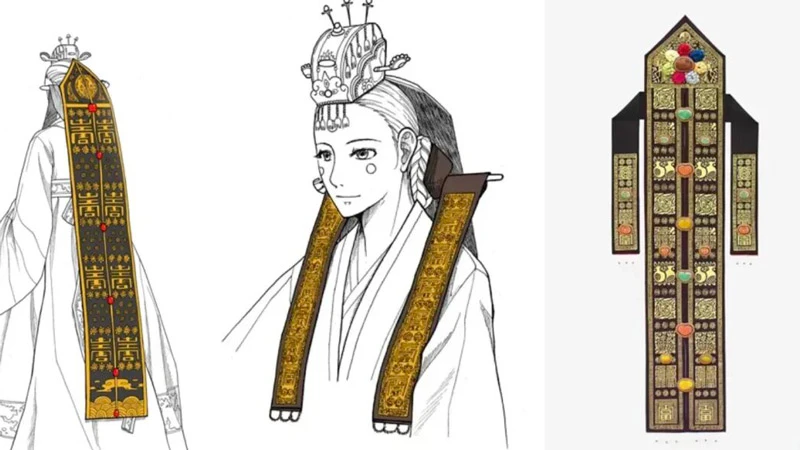
Across the sea, the Korean kingdom of Goryeo (and later Joseon) adapted many Chinese ritual elements. One of them was a formal female headdress called Dodoe Tangji (도도이탕지, also written as 图涂乐唐只). It came in two parts: a small front piece and a large, ornate back piece known as Da Tangji (大唐只). The wide back version featured long, dangling ribbons that fell straight down on both sides of the wearer’s face. Only royal women and noble ladies could wear it on weddings, coming‑of‑age ceremonies, or grand court events. Commoners were strictly forbidden. The Tangji was a status symbol, not a playful hair clip.
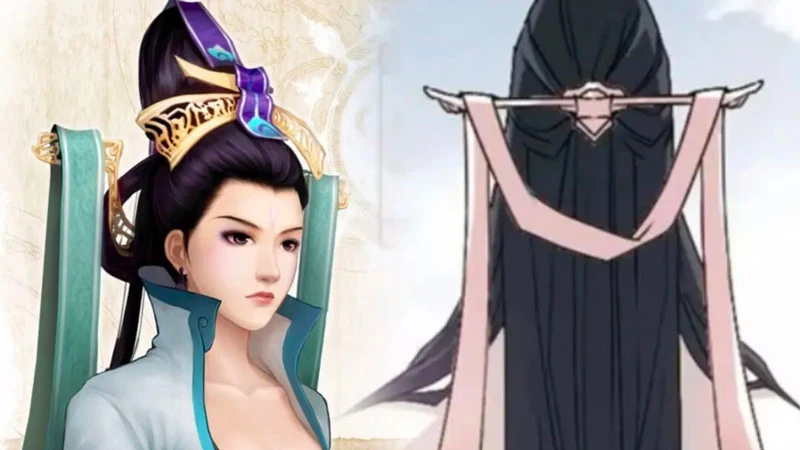
Scholars widely agree that Joseon’s formal headwear was inspired by China’s Mian Guan and its Hong cord. However, Korean artisans simplified the design due to limited materials and local customs. The heavy silk and jade of the Chinese original were replaced by stiffer fabric strips. The colors remained solemn—dark blues, blacks, and deep reds. No pastel pinks or baby blues. The Tangji kept the ritual seriousness while becoming distinctly Korean. And it survived well into the late Joseon period. When early Chinese TV drama designers looked for “ancient East Asian” headwear ideas, they often mixed the Korean Tangji with their own imagination. That mix created the iconic 2010s look.
Screen Magic vs. Real Rules
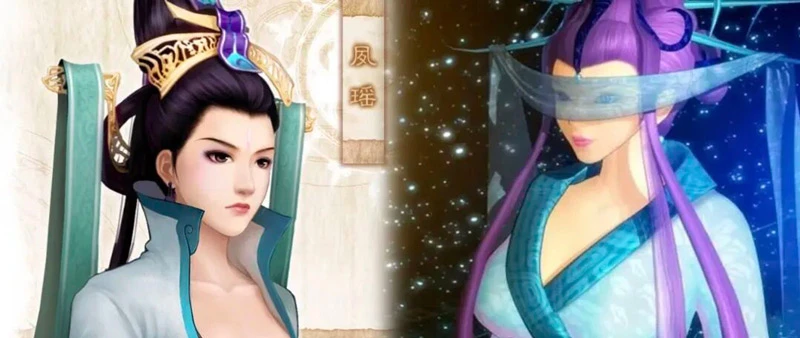
Now we arrive at the golden age of Chinese costume dramas: around 2010–2015. Shows like Legend of Lu Zhen (陆贞传奇) starring Zhao Liying (赵丽颖) featured a long horizontal hairpin with two plain ribbons dropping straight down. That image became so popular that it defined “noble lady” or “palace female official” hairstyles for a generation. The Myth (神话), many fantasy immortal dramas, and even animated films copied the formula. But here is the catch: none of them followed real ritual rules. They took the solemn Hong from Chinese classics, the hanging shape from Korean Tangji, and stuck them onto everyday hair buns with a single jade pin. In real ancient China, you could never wear a Hong without its matching crown. In Joseon, a Tangji was strictly for weddings and state ceremonies. The TV version was a pure hybrid—lovely to look at, but historically impossible.
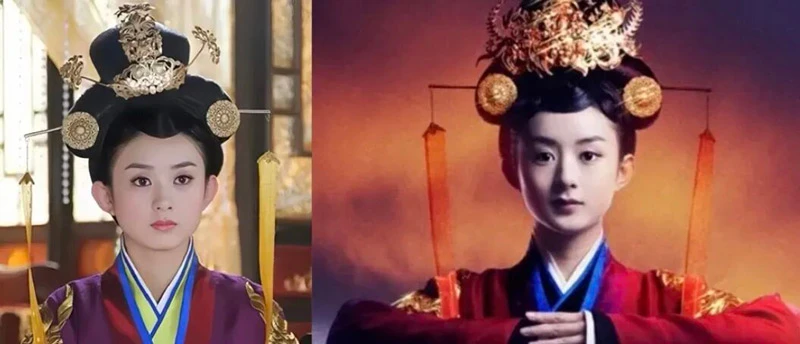
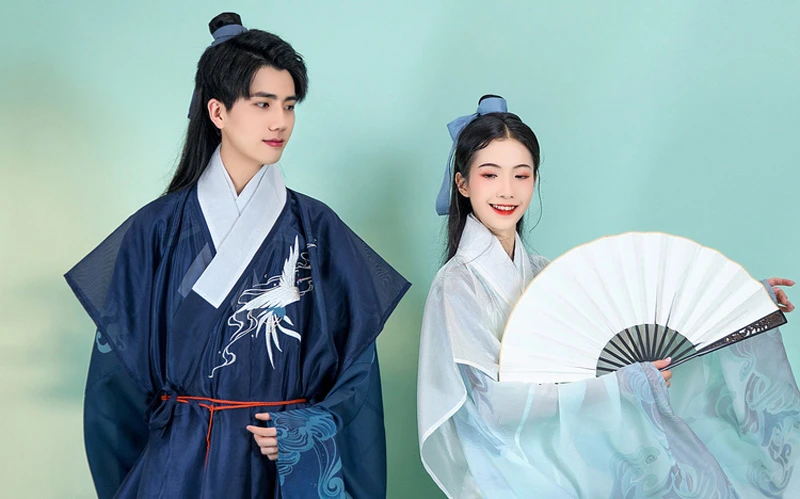
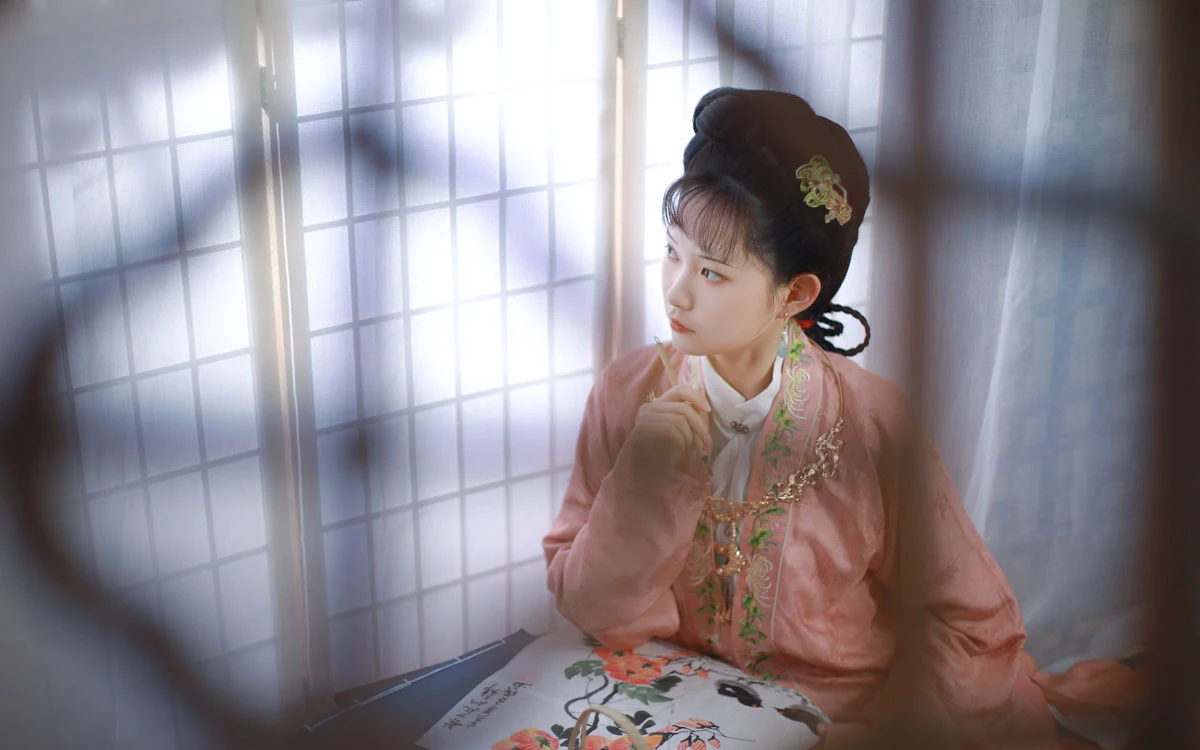
For years, this style faded from mainstream screens. Costume designers began hiring historical advisers. Audiences demanded accuracy. Then came Wu Jinyan’s Feng Bu Qi. She appears again with those two cloth strips hanging from her hair. It is a deliberate revival of that early‑2010s “drama classic” look. Today, mass‑market “national style” hair accessories flood online shops with soft pink, beige, and light blue ribbons. They are purely modern aesthetic items—sweet, floaty, and completely stripped of the old solemn meaning. Wu’s costume reminds us of a lost moment when TV creators freely mixed Chinese ritual and Korean court elements into something new. It may not be authentic heritage. But it is authentic drama heritage. Would you wear those two strips? And which classic character wore them best in your memory?