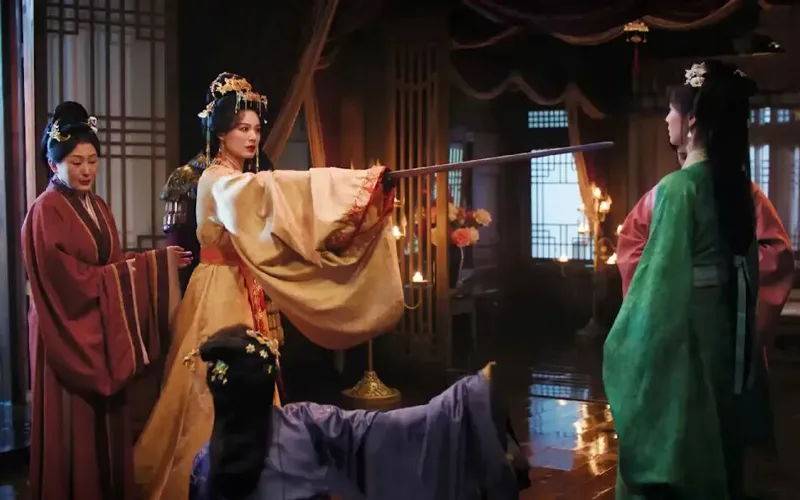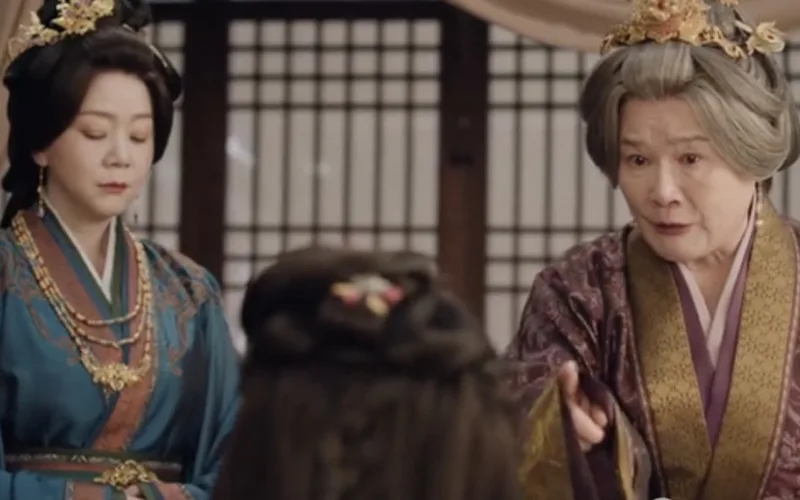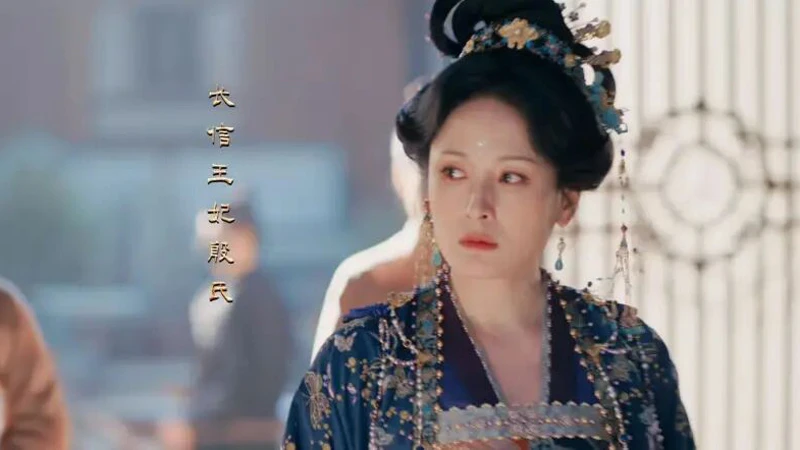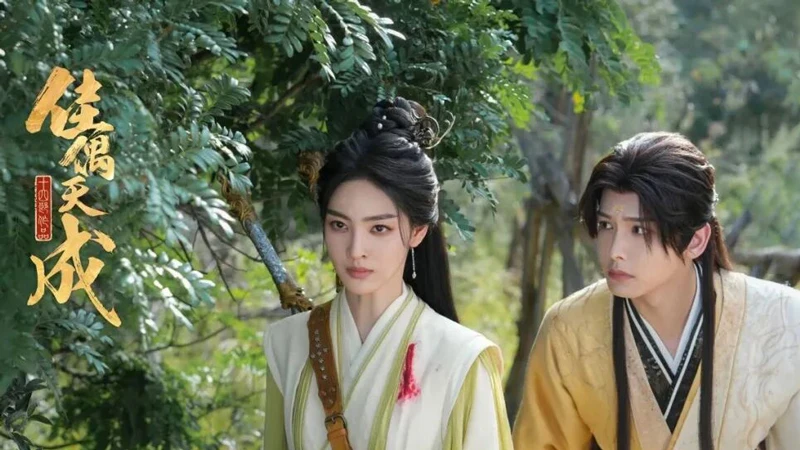
After finishing the last episode of Fate Chooses You (佳偶天成) , one feeling sticks: this is a Xianxia (仙侠) that refuses to follow the old playbook. No endless cycles of three-lifetime heartbreak. No main characters who steamroll every enemy with effortless power. Instead, the drama builds a world with warmth, moral backbone, and a real sense of fate. It leans hard into the “xia” spirit—if you remove the cultivation system, you’d almost call it Wuxia (武侠).
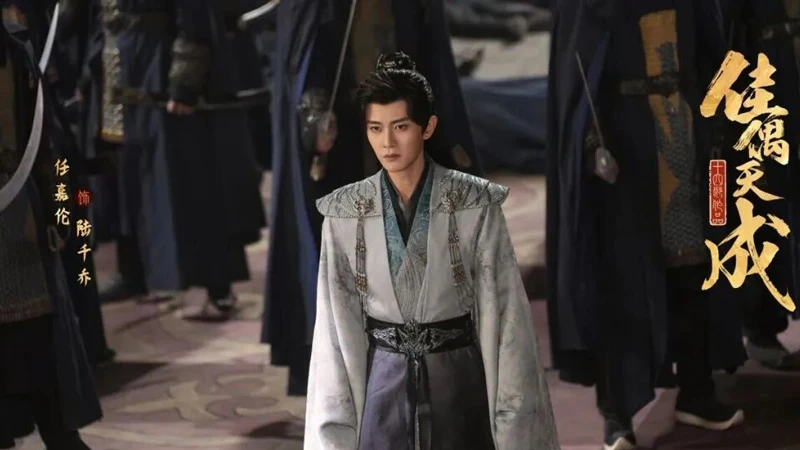
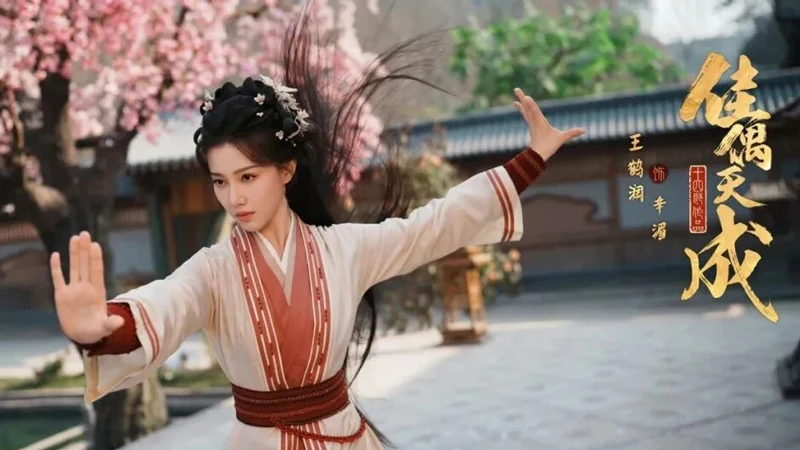
What makes it stand out is how little screen time the leads, Xin Mei (辛湄) and Lu Qianqiao (陆千乔), actually get compared to typical shows. Rather than circling around one hero’s journey, Fate Chooses You boldly chooses ensemble storytelling. It hands the spotlight to supporting roles and secondary couples, and that choice opens up the story’s depth and scale.
The Real Stars
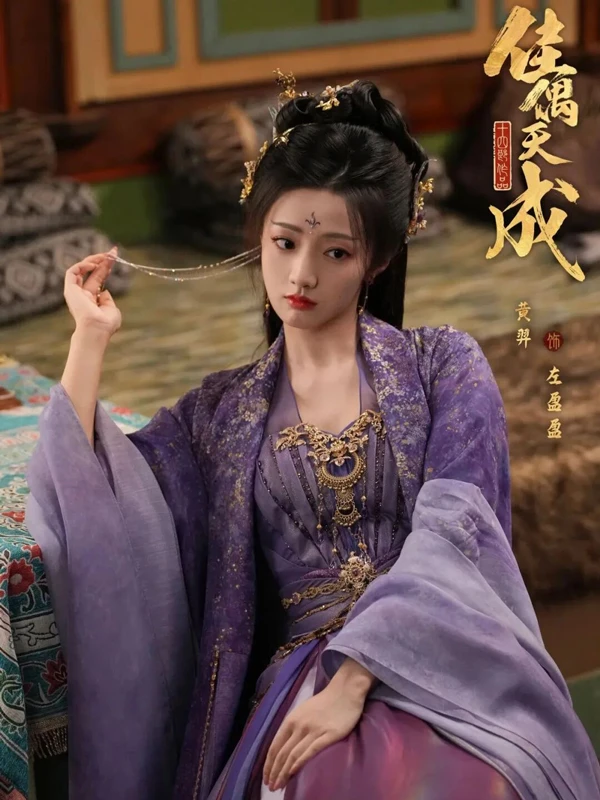
Zuo Yingying (左盈盈) is a breath of fresh air. She’s bold, clear-headed, and unafraid to love or hate. Unlike the usual second female lead who either schemes in jealousy or suffers in silence, Zuo has her own obsessions and the wisdom to let go. She acts decisively, and her character arc feels genuine. Then there’s Mei Shanjun (眉山君)—gentle, perceptive, floating above worldly quarrels while quietly protecting everyone around him. He carries a cool, healing presence. Every time he appears on screen, you feel safe. The show doesn’t force these personalities into tired molds; it lets them breathe.
The secondary couple, Jin Lun (金轮) and A Sheng (阿笙), becomes the show’s biggest heartbreak. Without any hero halo to shield them, their love isn’t a smooth ride. It’s pulled apart by forces beyond their control—fate, clan wars, hidden loyalties. Their affection grows through small moments: a shared glance in captivity, a silent vow whispered in a cave. The script never begs for tears. It just shows you two people trapped by duty, and that restraint makes their story more painful and more beautiful than the main couple’s destined marriage. The ending leaves much unsaid. Where do they go? The show trusts you to imagine the rest.
Even minor characters get their moment. The young valley master, the hypocritical junior sister with her crush on the dark senior brother—they all shine during the final rescue mission. No one feels like filler. Everyone has a reason for being there. This is what Fate Chooses You does best: it proves that a supporting role can carry as much weight as the leads, sometimes more.
Easter Eggs and Universe-Building
The show loves planting long-term clues. Xin Mei’s so-called “husband-killing” fate isn’t random—it ties back to a forgotten scandal among ancient immortals. Lu Qianqiao’s curse, his half-demon heritage, gets subtle setup early on: dream fragments in a prison cell, old runes carved on a cave wall during a secret expedition. When the truth finally comes out, it fits perfectly. No cheap surprises. Just careful storytelling that respects your attention.
And the foreshadowing runs deep. Nothing is wasted. A line about an old seal in episode four pays off twenty episodes later. A dream sequence that seemed like filler becomes the key to a curse. This is writing that trusts its audience to remember and connect. It’s the opposite of lazy exposition. It makes rewatching a joy.
Heaven’s Bumbling Bureaucracy
Under all the magic and romance, Fate Chooses You hides a sharp satirical edge. Look at the human cultivators: they desperately chase the “Wushuang Codex” to reach higher realms, but the immortal sects keep them down, afraid of losing control. And those immortal sects? They can’t ascend either—the gods suppress them just as hard. It’s a ladder of oppression, every rung kicking the one below. No one is truly free. That’s painfully funny and painfully real.
The best joke comes at the end. Xin Mei climbs to the Celestial Realm using a ladder that Jin Lun and A Sheng built for her. She wants to lift the curse on the Battle Ghost people. What does she find? The gatekeeper is asleep on the job. Inside, the heavenly officials are feasting and drinking, ignoring all duties. And the curse? It expired long ago. No one bothered to remove it from the records. Xin Mei spends only a few minutes up there before heading back down. The whole celestial bureaucracy is a giant, incompetent circus. The show’s message lands hard: even heaven runs like a shoddy startup.
This grounded cynicism makes the fantasy feel real. The heroes aren’t fighting epic villains with clear motives. They’re fighting indifference, sloth, and systems that forgot why they were built. When Xin Mei descends with the curse already broken by time itself, you don’t cheer. You laugh at the absurdity. And that laugh is more satisfying than any thunderbolt-powered victory. Fate Chooses You doesn’t need a flawless hero. It needs honest characters bumping against a broken world—and finding their own small ways to fix it.