

Fate Chooses You (佳偶天成): Why Does a Man Salting a Bland Cake Move Us More Than His God-Like Battle?
Eleven episodes into Immortal Destiny, we finally witness Lu Qianqiao (陆千乔) unleash a battle prowess that feels god-tier. It’s explosive, visually stunning, and exactly what you expect from a Xianxia climax. But here’s the strange truth: the moment that truly broke me wasn’t the fight. It was the scene before – a quiet, clumsy shot of him kneading dough, salting a cake he could not taste, for a woman who did not remember him. That salt-crusted, unbearably savory cake, made by a man with no senses, turned out to be the most honest love letter of the year. How did a piece of flatbread become more memorable than a supernatural showdown? Let’s break it down.
The Strangest Kindness
After a breakneck pace that crams marriage, widowhood, revenge, and reunion into six episodes, episodes 9 and 10 of Immortal Destiny slow down to a painful whisper. The leads meet again as perfect strangers – he her former husband now disguised as her senior. She wears amnesia like a shield. He wears a body that feels nothing. This is where the show’s real genius lies: in the almost unbearable gap between intention and perception.
Lu Qianqiao, a “War Ghost” who cannot smell, taste, or feel pain, decides to bake her a cake. The result is a salty disaster. Viewers joked it could cure hypertension. But that salt is not a mistake – it is his only metric of effort. Without taste, he cannot measure “just right.” So he errs on the side of too much. Every grain is a silent scream: “I am here. I am trying. I love you beyond what my broken body can prove.” It is awkward, almost laughable, but devastatingly pure.
This kind of love language – the unsexy, physically inept gesture – is what modern romance often skips. We get grand speeches and moonlight rescues. But a man who cannot feel pain subjecting himself to bone-grafting agony for her? That is not a trope. That is a choice. And that choice lands because of what comes earlier: his flour-dusted hands, her puzzled frown, the silence between two people who once shared everything. The salt cake is absurd. It is also immortal.
When the War Ghost Finally Strikes
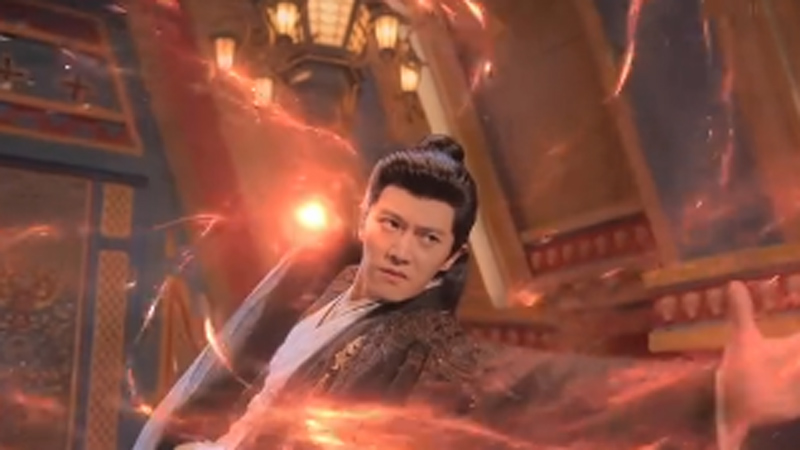
Then episode 11 arrives. Lu Qianqiao breaks her speech curse by obliterating the Northern Xiang elder in a fight sequence that redefines Xianxia action. No slow-motion cheating. No frantic cuts. Every strike has bone and logic. His white hair and red pupils, previously just cool aesthetics, now feel earned. That battle is a release valve for ten episodes of suppressed agony – his, hers, ours as the audience.
But even here, the show refuses empty spectacle. Right after that victory, he returns to Chongling Valley to brutalize his own disciple, Su Taiyi (苏太乙). Why? Because Su used the healing arts Lu taught him to scam the innocent with fake “eternal life” promises. The fight is not about power levels; it is about moral rupture. Lu’s face shifts from cold fury to something worse – disappointment so deep it looks like grief. He is not just punishing a traitor. He is cleaning his own failed teaching.
This is the core of Immortal Destiny’s appeal: it marries fights to feelings. The spectacle earns its keep because it answers a question the slow episodes planted: “What would this silent, suffering man do when pushed past his limit?” Now we know. He would break worlds and then break his own heart by hurting someone he once trusted. The duel is short. The aftershock lasts episodes.
The Memory Trap and a Love That May Not Survive Truth
The next threat is not a villain but a recollection. Xin Mian (辛湄), the heroine, is inches away from remembering that her “dead” husband faked his death, erased her memory, and tricked her into a ghost marriage. The clues are piling up – a visitor named Bai Zongying (白宗英) pushes the wrong question, and her eyes flicker with dangerous uncertainty. When the dam breaks, their fragile reconnection will likely shatter.
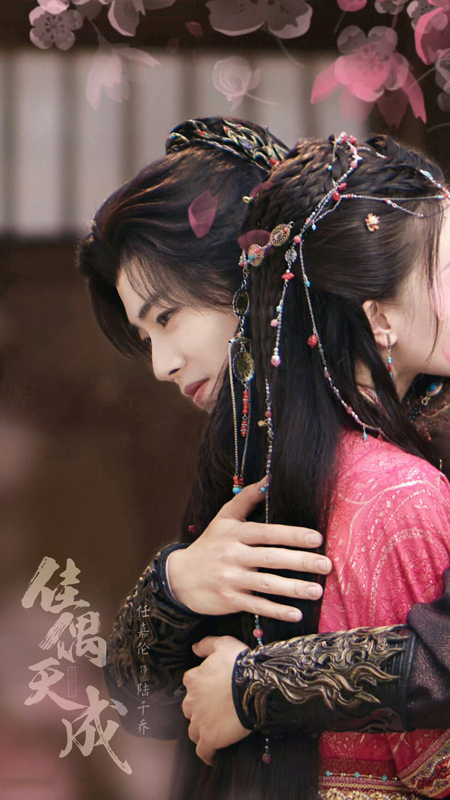
What makes this different from typical amnesia plots is the motive. Lu did not erase her past to control her. He did it to shield her from a curse that would share his every pain. The show’s “shared suffering” mechanic – his bone change pain echoes in her body, her speech curse lifts as he fights – means his love is literally torturous. When she learns the truth, her betrayal will be real. But so will his impossible choice.
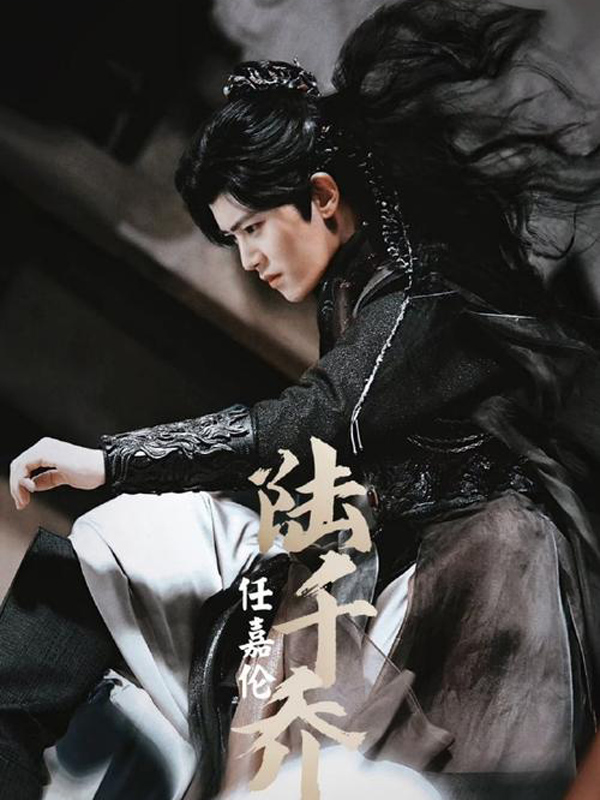
That is the final lesson of those “boring” cake-making episodes. They established a rhythm of small, daily sacrifices that make the grand ones legible. Without the salt, the battle is just noise. Without the flour, the memory loss is just a plot device. Immortal Destiny dares to be slow when it counts, so when it explodes, we feel every shard. The man salting a bland cake is not a side note. He is the whole point.
