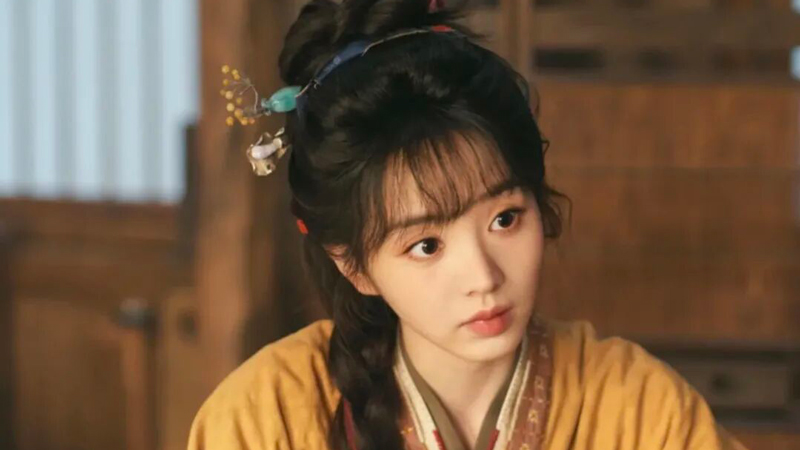
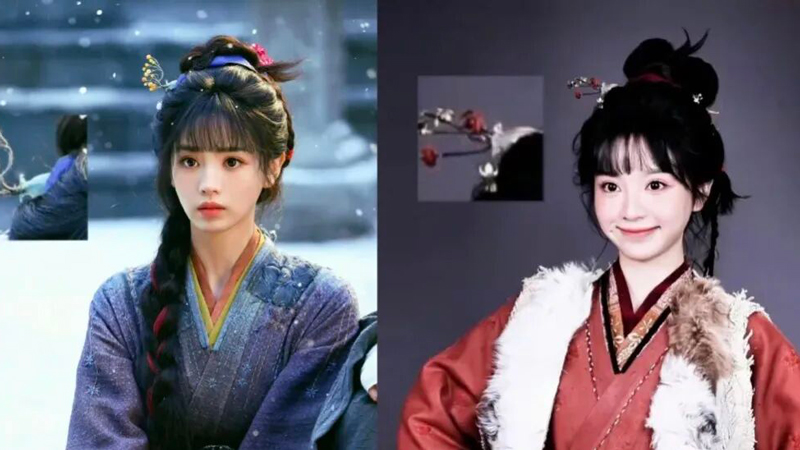
Have you ever noticed a seemingly simple hairpin in a period drama and wondered about the story it carries? In the recent hit series Pursuit of Jade (逐玉), the female lead, played by Tian Xiwei (田曦薇), frequently wears a distinctive ornament that has sparked curiosity among viewers. It looks like a tiny, delicate vase nestled in her hair. This isn't just a prop designer's fancy; it's a historical accessory known as the "vase hairpin," a item that has captivated women for centuries. Its journey from a practical, flower-holding tool in the Song Dynasty (宋朝) to a symbol of status and peaceful wishes reveals a fascinating chapter of ancient Chinese aesthetics and ingenious craftsmanship.
A Blooming Idea: The Song Dynasty Origin
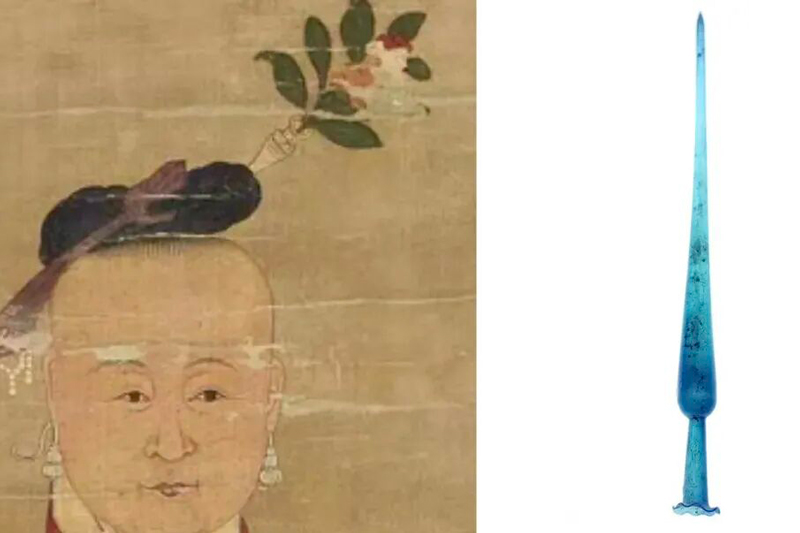
The story of the vase hairpin begins in the Song Dynasty, an era renowned for its refined taste and love for nature. The prevailing fashion of wearing fresh flowers in hair directly inspired this creation. Imagine a woman wanting to adorn her hair with a real, fragrant bloom all day without it wilting. The solution was the vase hairpin, or "Huaping Zan" (花瓶簪).
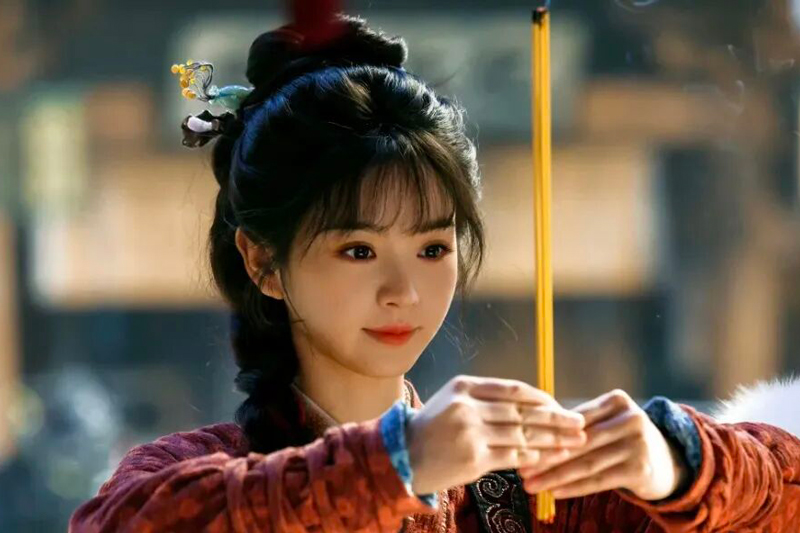
Craftsmen shaped the head of a hairpin into a small, often hollow, vase that could hold a little water. A fresh flower could be inserted, effectively turning the hairpin into a personal, wearable vase. This design perfectly embodied the Song people's appreciation for understated elegance and their desire to stay connected with the natural world . Early versions were typically made of gold or silver, shaped with simple hammering techniques, and featured minimalist engravings, letting the purity of the form and function shine.
From Practical Ornament to Status Symbol
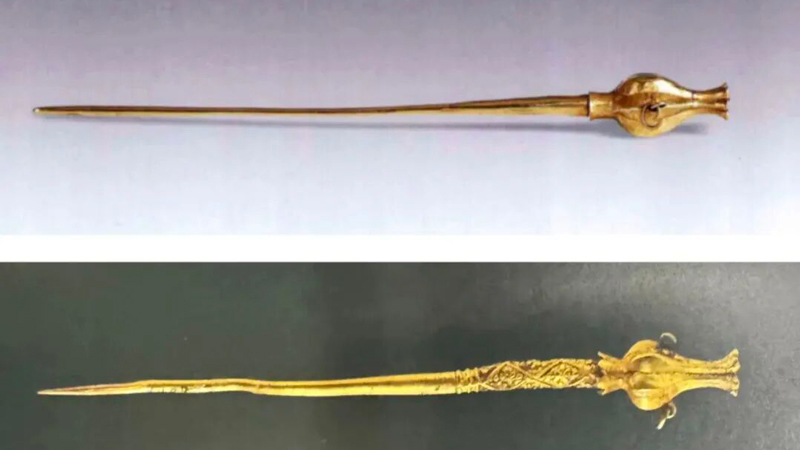
By the time of the Ming Dynasty (明朝), this hairpin had evolved. While the Song version was cherished for its delicate simplicity, its Ming counterpart grew more elaborate and opulent. The techniques became more sophisticated, with intricate carving and the widespread use of gilding, which gave the hairpins a brilliant golden luster without the immense cost of solid gold. Artisans also began using a wider variety of materials, including jade and sandalwood. More than just a pretty accessory, the vase hairpin in the Ming Dynasty became a marker of social standing.
A noblewoman's hairpin would be adorned with complex, masterful patterns, its richness and detail a clear signal of her family's wealth and status . It was a beautiful declaration of identity, transforming a simple hair accessory into a piece of fine jewelry that spoke volumes.
The Clever Craft and Enduring Wish for Peace
The vase hairpin’s popularity was not just about looks; it was deeply rooted in cultural symbolism and clever design. The Chinese word for "vase," "ping" (瓶), is a homophone for "peace" in the word "ping'an" (平安). Wearing a vase hairpin was therefore a daily, personal prayer for safety and a smooth life, a tangible wish worn close to the body. This beautiful meaning ensured its place as a beloved ornament through the ages. And what about the practical question of water spilling from such a tiny container? This is where ancient wisdom shines. The design cleverly used the principle of atmospheric pressure.
When the hollow vase was filled with water and a flower was inserted, it created an airtight seal, preventing the water from easily leaking out—a miniature marvel of physics applied to fashion, proving that the ancients' attention to detail was as brilliant as their artistry. Today, these hairpins, though no longer everyday items, continue to fascinate us as relics of a time when beauty, meaning, and daily life were woven together with extraordinary skill and care.