-

Swords into Plowshares: The Irreplaceable Youthful Spirit
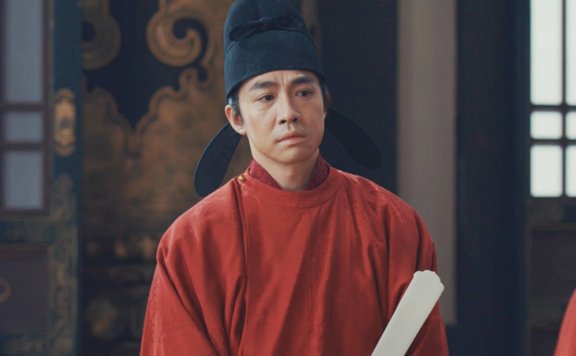
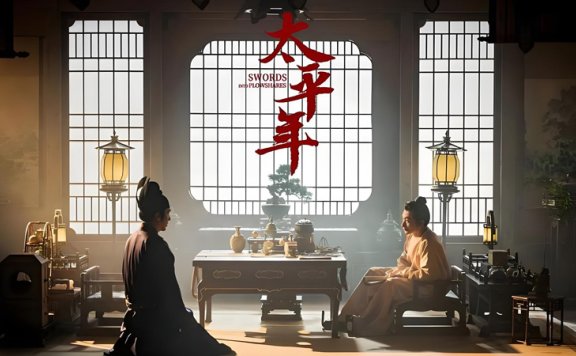
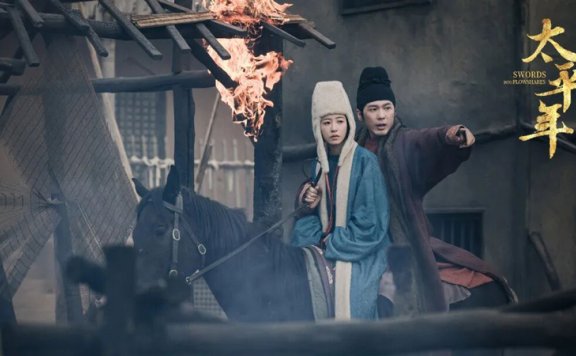
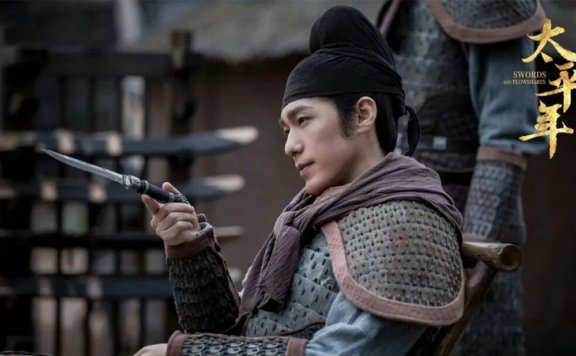
What makes us hold fast to our beliefs when the world seems to demand we let them go? The historical drama Swords into Plowshares (太平年) offers no easy answers, but instead immerses viewers in the turbulent final days of a fictional dynasty. Through the eyes of its young nobles-turned-soldiers, the series poses difficult questions about sacrifice, duty, and the cost of integrity. It is not the intricate political machinations or grand battle scenes that resonate most deeply, but rather the persistent, flickering flame of idealism within the characters—a quality that feels both achingly familiar and tragically distant to the modern viewer. This intangible spirit, this youthful refusal to accept a compromised world, forms the heart of the narrative. As the walls of the capital strain under siege and loyalties are tested, the story becomes less about saving an empire and more about what one chooses to preserve within oneself. The Last Day of Xiaosui (小岁) The chill of a winter siege grips the capital. Three young men, Jiu Lang (九郎), Da Lang (大郎), and Guo Rong (郭荣), find a moment of respite. Exhausted yet defiant, they warm themselves with wine. The night marks Xiaosui, an ancient tradition where one speaks…- 53
- 0
-
Swords into Plowshares: Fear and Legacy in the Five Dynasties Turmoil
The historical drama Swords into Plowshares (太平年) presents a gripping portrait of the Five Dynasties and Ten Kingdoms period, an era notorious for its political volatility. Thrones changed hands with dizzying speed; a reign lasting more than a few years was an exception. Against this backdrop of relentless upheaval, the series focuses on the fates of eleven monarchs. It traces the intricate history leading to the eventual incorporation of the Wuyue (吴越) kingdom into the Song (宋) dynasty. This narrative spans 37 tumultuous years, beginning with the death of one king and concluding with a peaceful surrender that altered the map of China. A King's Demise Among these rulers is Qian Yuanguan (钱元瓘), the second king of Wuyue. His death, as portrayed in the series, is shockingly mundane yet deeply psychological. He does not fall in battle or to an assassin's blade. Instead, a catastrophic fire that ravages the palace treasuries reportedly frightens him to death. This event serves as the dramatic catalyst for his downfall, highlighting the fragile mental state of a ruler living in perpetual anxiety. Though historically a seasoned leader, the dramatized Qian Yuanguan is consumed by paranoia. He rules a relatively stable southeastern kingdom, yet news…- 28
- 0
-
5 Historical Treasures to Spot in Swords into Plowshares
A new television experience is captivating audiences. It’s not just about following the plot twists of a period piece, but about embarking on a treasure hunt within the frame. As viewers watch the popular series Swords into Plowshares (太平年) on CCTV-1, a fascinating secondary activity has emerged: spotting the real historical artifacts meticulously recreated by the production team. From a merchant’s stringed instrument to the intricate design on a wine warmer, each detail is a deliberate nod to a tangible piece of history, waiting to be discovered in museums across China. Fans are thrilled, feeling they’ve been treated to a refined cultural feast, and are taking to social media to compare screenshots with photos of ancient relics. 1. Guqin (古琴) - A Melody in Wood The merchant Cheng Zhaoyue’s (程昭悦) entrances in the drama’s first episode are accompanied by the quiet presence of a Guqin. This isn't just any prop. Its distinct shape closely mirrors classical designs preserved for centuries. The Guqin, a seven-stringed zither, is one of China's oldest plucked instruments. Its basic form was largely standardized by the end of the Han Dynasty, yet it evolved into numerous styles, each with its own name and character. Viewers with…- 93
- 0
-
2 Scenes in Swords into Plowshares That Boost Your Career
Historical dramas are more than just costumes and court intrigue. Shows like Swords into Plowshares (太平年), set in the tumultuous Five Dynasties and Ten Kingdoms period, offer a masterclass in human dynamics and strategic thinking. The challenges faced by rulers and ministers centuries ago—managing alliances, asserting authority, navigating crises—mirror the complex interpersonal landscapes of modern offices and boardrooms. By observing the characters' choices, we uncover timeless principles of influence, communication, and leadership that are startlingly applicable to today's professional world. Let's examine two pivotal scenes from the drama that hold powerful workplace wisdom. The Weight of Words Early in Swords into Plowshares, the young king Qian Hongzuo (钱弘佐) ascends the throne of Wuyue. To consolidate his power, he makes a drastic move: imprisoning his influential elder brother, Qian Hongjun (钱弘俊), and stripping his other brother, Qian Hongyou (钱弘侑), of rank. Their father, Qian Yuanyi (钱元懿), is desperate. He seeks help from the seasoned minister, Yuande Zhao (元德昭), pleading for him to intercede with the new king. Yuande Zhao offers crucial counsel. He advises that the plea must come from a different voice. He suggests that Shuiqiu Zhaojuan (水丘昭券), another trusted advisor, should be the one to speak to Qian Hongzuo.…- 60
- 0
-
Malice: A Moral Mirror of the Digital Age
Chen Sicheng’s (陈思诚) suspense thriller Malice (恶意) has ignited nationwide discourse with its unflinching critique of digital-age morality. Starring Zhang Xiaofei (张小斐) and Zhang Zixian (张子贤) as former allies turned ideological foes, the film dissects China’s obsession with viral content through a high-stakes ethical duel. Since its July 5 release, Malice has defied industry expectations—grossing nearly ¥200 million ($27.5M) amid fierce competition. Its Sunday-to-Monday box office surge, overtaking Hollywood blockbusters Jurassic World: Rebirth and F1: The Movie (F1:狂飙飞车), signals resonant storytelling. Central to its impact is a pivotal showdown where journalist Ye Pan (Zhang Xiaofei) denounces media mogul Xiao Baoqian’s (Zhang Zixian) ruthless tactics: "Stop acting like wolves—why not be human?" This confrontation crystallizes the film’s thesis: Truth cannot coexist with click-driven sensationalism. Journalistic Integrity Versus Viral Hunger The film’s explosive "Bottom Line Clash" scene exposes journalism’s moral decay. When Xiao Baoqian’s (萧保乾) company deliberately leaks ICU footage of cancer-stricken mother You Qian (尤茜)—framing her as a child murderer—Ye Pan (叶攀) storms his headquarters during a blackout. Their argument escalates as Xiao justifies manipulating tragedy for traffic, declaring "public interest" a facade for profit. Zhang Xiaofei’s controlled fury contrasts Zhang Zixian’s smug pragmatism, embodying China’s real-world debates about media responsibility.…- 133
- 0
Mei Ting


Scan to open current page
-
$CouponsLimitation of use:Expired and UnavailableLimitation of use:
before
Limitation of use:Permanently validCoupon ID:×Available for the following products: Available for the following products categories: Unrestricted use:Available for all products and product types