What if the key to understanding ancient China's soul lay not in grand philosophies, but in a single grain of sweetness? For centuries, sugar was more than a flavor; it was a rare treasure, a bridge between the divine and the mortal, and a secret weapon of emperors. Before grocery store shelves overflowed with candy, the pursuit of this simple taste drove innovation, shaped trade routes, and created a sweetness so profound it would eventually sweeten the entire world. The story of how the Chinese got their sugar is a tale of ingenuity, desire, and the relentless human pursuit of happiness.
Bitter Earth to Sweet "Yi"
Long before sparkling white crystals, the first taste of sweetness in ancient China came from an unexpected source: the grain fields. The Book of Songs (诗经) hints at this primitive pleasure with the line, "How rich and beautiful is the plain of Zhou; even the sowthistle and bitter herbs are as sweet as yi (饴)." This "yi" was the country's original sugar, a maltose syrup extracted from fermented grains like rice and barley as early as the Western Zhou dynasty. It was a liquid joy, a thick, comforting sweetness that stood in stark contrast to the bitter greens of daily life.
This early sugar was so cherished it created its own street music. By the Han dynasty, the "yi" had a solid counterpart called "xing" (饧). Historical annotations tell us that vendors would wander the bustling markets, playing a bamboo flute called a "xiao (萧)" to announce their presence. The sound of that flute was a siren's call, promising a rare and affordable moment of bliss for commoners, even as the most prized sugar remained locked away in aristocratic kitchens. It was a taste of happiness that anyone could, for a moment, afford.
The Sweet Secret of the Cane
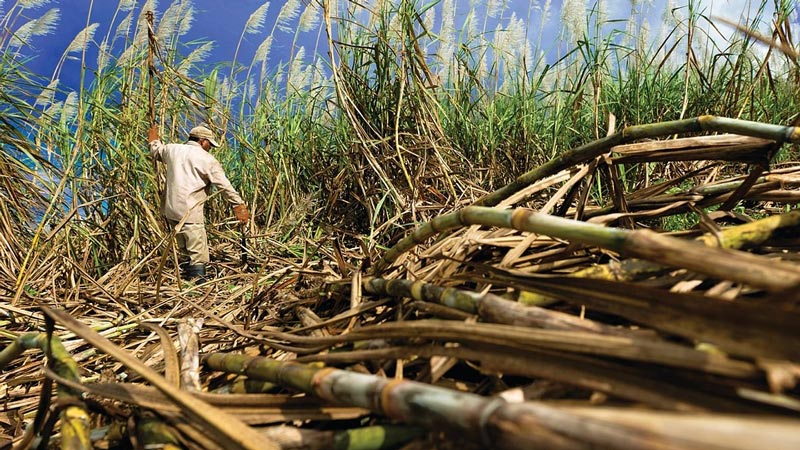
While grain offered a hint of sweetness, the true game-changer was a tall, tropical grass: sugarcane. Its arrival on the Chinese scene was delayed by geography. The cradle of Chinese civilization was the Yellow River valley, a region far too cold for this warmth-loving plant. It wasn't until the cultivation pushed south, into the Yangtze River region during the Warring States period, that the sugarcane's potential was unlocked. Initially, its juice was simply drunk, a refreshing and exotic delicacy at noble feasts.
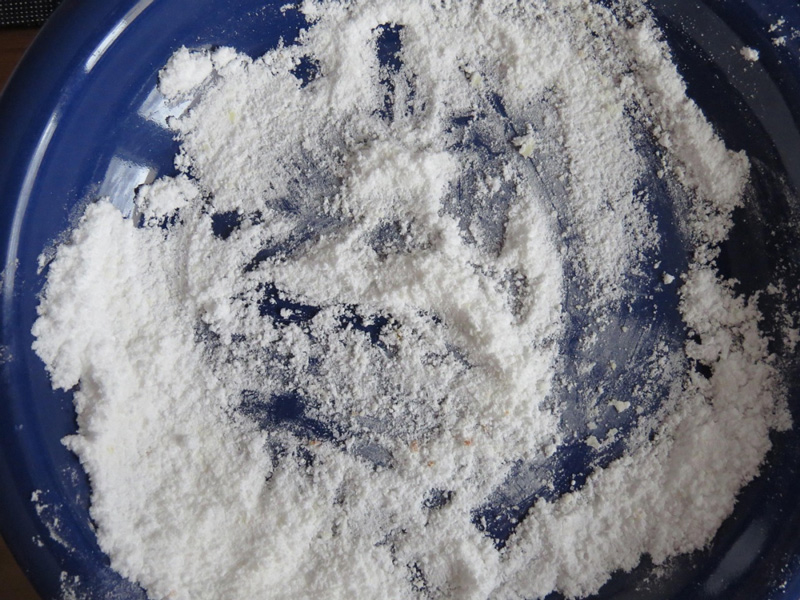
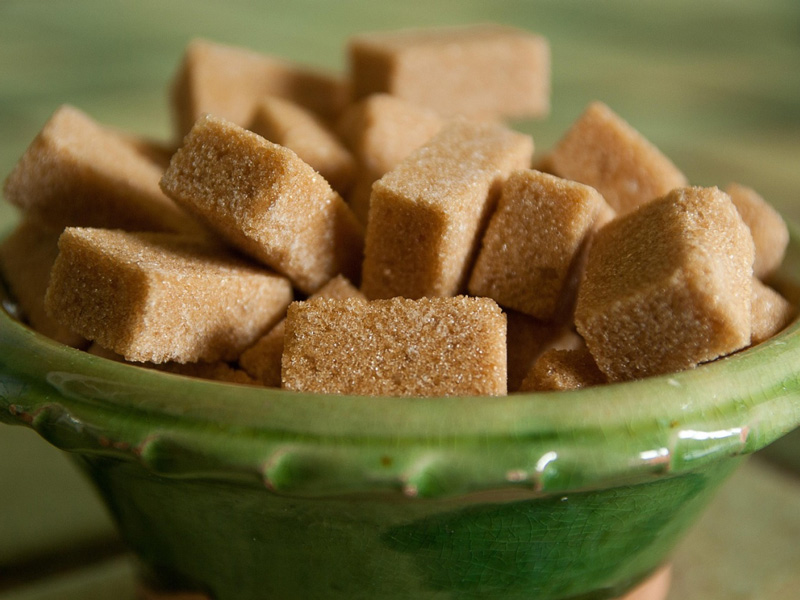
The transformation of juice into solid "stone honey," or shimi (石蜜), was a revelation. Ancient texts describe the process of crushing the cane and leaving the juice to dry in the sun until it formed crystalline blocks. For most of the Tang dynasty, this "shimi" was an unattainable luxury for the average person, a substance so valuable it was practically a currency of the elite. The common people still relied on their grain-based "yi," while the emperor and his court savored the intense, pure sweetness of sugarcane sugar, a taste that symbolized a world of privilege far beyond their reach.
An Emperor's Quest and a Technological Triumph
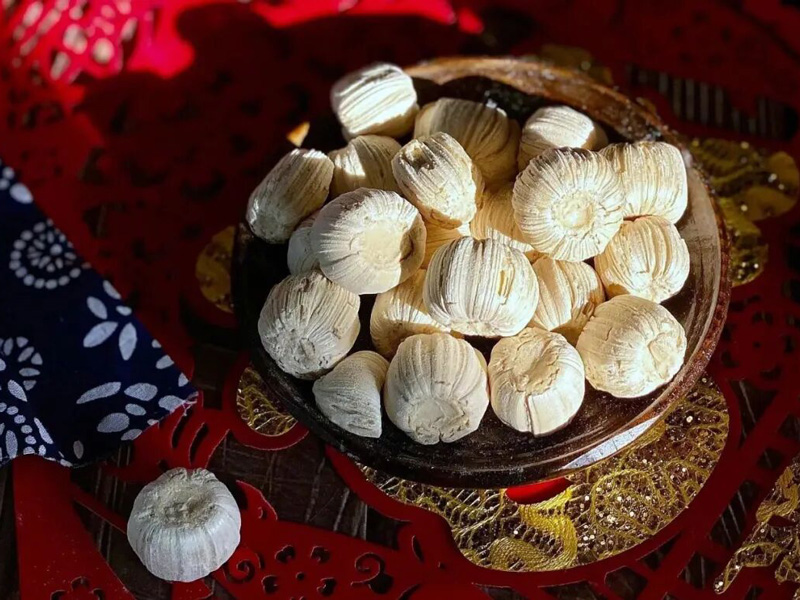
The Chinese were never content to simply enjoy sugar; they sought to master it. This ambition is perfectly captured by an emperor's quest. According to The History of Sugar (糖史) by the scholar Ji Xianlin (季羡林), Emperor Taizong (太宗) of the Tang dynasty, unsatisfied with the quality of local sugar, dispatched envoys to India to learn the "true art" of sugar-making. This was a state-sponsored mission for sweetness. The result was a stunning success. Within a short time, Chinese sugar was being described as vastly superior in both color and taste to that of its teachers, "far superior in color to that from the Western Regions".
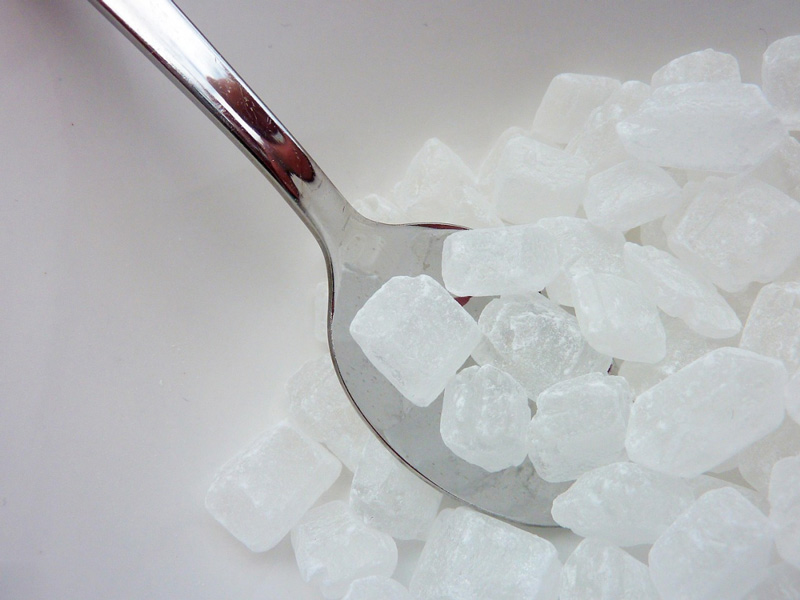
This hunger for perfection didn't stop. In the Song dynasty, the Sichuan region gave birth to "shuang" or "frost sugar," an early form of what we would call rock sugar. By the late Ming dynasty, a revolutionary method called the Huangni Shuilin Fa (黄泥水淋法), or "clay-water decolorizing method," was invented. This ingenious process used yellow mud and water to filter and whiten raw sugar, producing a crystal of almost pure white. This wasn't just an improvement; it was a leap that created the finest-quality white sugar in the world, a testament to Chinese ingenuity that would soon sweeten tables across the globe.
A Gift to the Gods and a Cure for the Soul
In a world where sugar was a treasure, its use went far beyond simple snacking. It was considered a worthy offering to the divine. Zhou dynasty kings presented it to their ancestors, hoping to share a taste of earthly delight with the spirit world. Tang dynasty monks offered "sweet porridge" to the Buddha and sprinkled sugar water in their temples to purify the space, believing its inherent goodness could invite blessings. This spiritual connection continued for centuries, with sugar cakes and "sugar melons" becoming essential offerings to the Kitchen God during winter festivals, a sugary bribe to ensure he reported only good things back to heaven.
Beyond its sacred uses, sugar was also medicine. The ancient medical classic, the Huangdi Neijing (黄帝内经), noted that sweetness was a balm for the spleen and could harmonize the properties of different herbs. "Jianzhong Tang (建中汤)," a famous herbal decoction recorded in the Shanghan Lun (伤寒杂病论), relied on malt sugar to soothe cold and weak stomachs. This practical wisdom evolved into folk traditions that survive today, such as drinking brown sugar and ginger tea to ward off the cold, or eating brown sugar eggs to build energy after illness. Sugar was a holistic substance, healing the body, pleasing the palate, and connecting the mortal to the divine.