How did the ancients welcome the spring? Without smartphones or social media, they didn’t just step into the season; they embraced it with all their senses. They didn’t merely look at spring; they lived it—through poetry, ritual, and a deep connection to the natural world. Their methods were a form of art, turning a seasonal change into a cultural event. From the simple joy of a kite flight to the profound peace of a spring nap, they captured the essence of the season in ways that still resonate today. Let’s step back in time and see how our ancestors opened the door to spring.
Spring Outings: A Social and Spiritual Reawakening
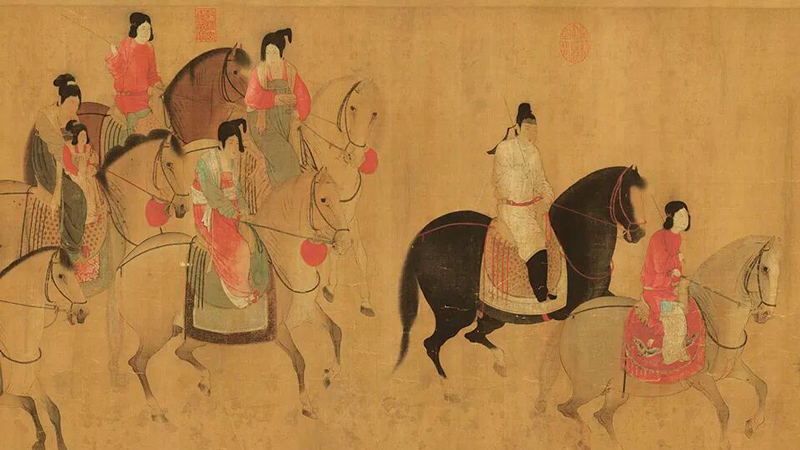
The arrival of spring was a signal to go outdoors, a practice deeply rooted in ancient customs. The Book of Jin (晋书) records that people would venture to the outskirts to appreciate the vibrant scenery . For women, it was a chance to don their finest, with the tinkling of jade pendants accompanying their laughter as they walked among the blooming flowers. The Tang poet Wei Zhuang (韦庄) captured this youthful energy perfectly: "Wandering in early spring, apricot blossoms falling all over my head. Who is that handsome young man on the path, so elegant and free?" This wasn’t just a walk; it was a public display of vitality and a celebration of life renewed. This practice, known as Tap Qing (踏青), or spring outing, was a vital part of the season.
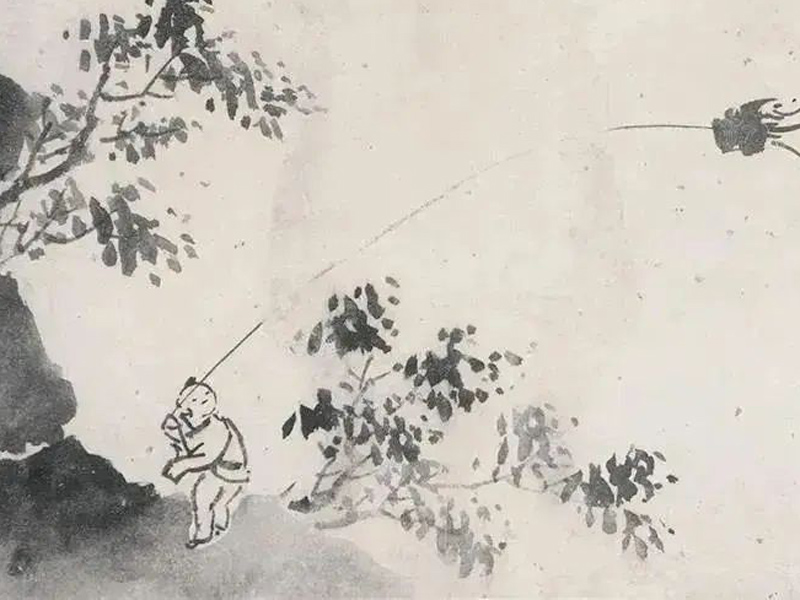
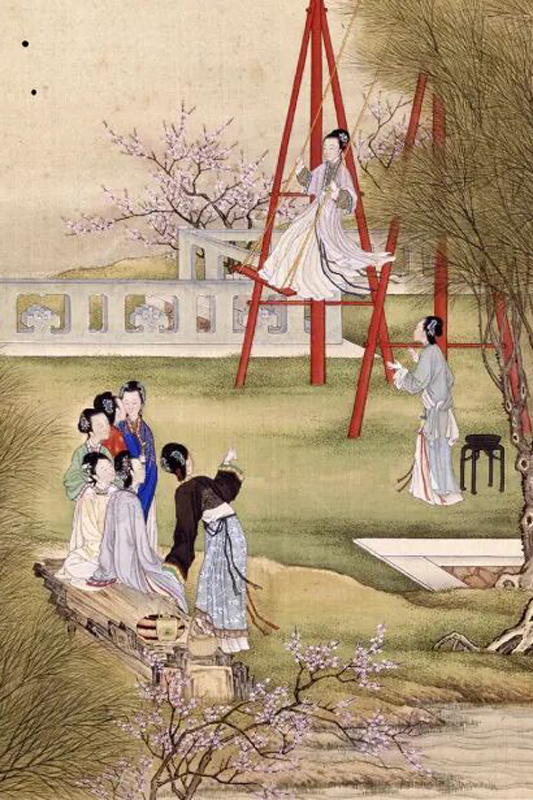
Activities during these outings were far from passive. In his poem "Village Life," Qing dynasty poet Gao Ding (高鼎) describes children rushing home from school to fly kites, seizing the easterly wind. But kite flying was more than child’s play. People believed that letting a kite soar into the sky could carry away bad luck and illness, a symbolic cleansing for the new year. Similarly, swinging on a swing was a beloved pastime for all social classes, from the imperial court to common folk. Swings were often simple constructions of tree branches and colorful ribbons, and they added a dynamic, joyful element to the spring landscape. The sight of women on swings, their sleeves fluttering in the breeze, was a favorite subject for poets and painters alike, symbolizing grace and the carefree spirit of the season.
The Art of the Spring Nap: A Slumber of Body and Mind
One of the most charming phenomena of spring is the feeling of drowsiness, known as "spring sleep." While modern people might fight it with coffee, the ancients saw it as a natural and even beneficial part of the season. The famous line "In spring, one sleeps unaware of dawn" speaks to this deep, restorative slumber. As temperatures rise, the body’s yang (阳) energy flourishes, directing more blood to the body’s surface and slightly reducing it to the brain—a perfect recipe for a nap. Medical texts like the Suwen (素问) explain that "when a person lies down, the blood returns to the liver." A short spring nap, therefore, was seen as a way to nourish the liver and clear the mind, harmonizing with the season’s rising energy.
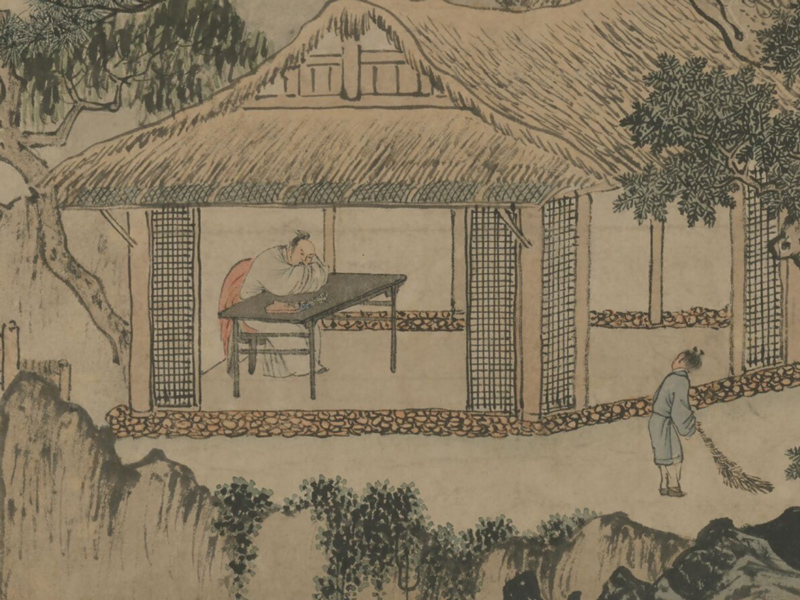
For poets and scholars, this drowsiness was not a nuisance but a state of being to be savored. The Song dynasty poet Su Shunqin (苏舜钦) described himself as shedding his worldly concerns like an insect molting, his dreams drifting for thousands of miles. Even Su Shi (苏轼), during his exile in Huizhou (惠州), famously requested, "Report that the gentleman is sleeping beautifully, so the monks should strike the midnight bell more softly," fearing the sound would disturb his peaceful dream. This concept of Chun Shui (春睡), or spring slumber, was more than physical rest. It was a temporary escape from the world’s troubles, a return to a state of innocence, and a moment of pure, undisturbed peace. For Fan Chengda (范成大), waking from a nap meant quietly watching silkworms hatch, blending the tranquility of rest with the simple joy of new life.
Painting Spring: Immortalizing Fleeting Beauty
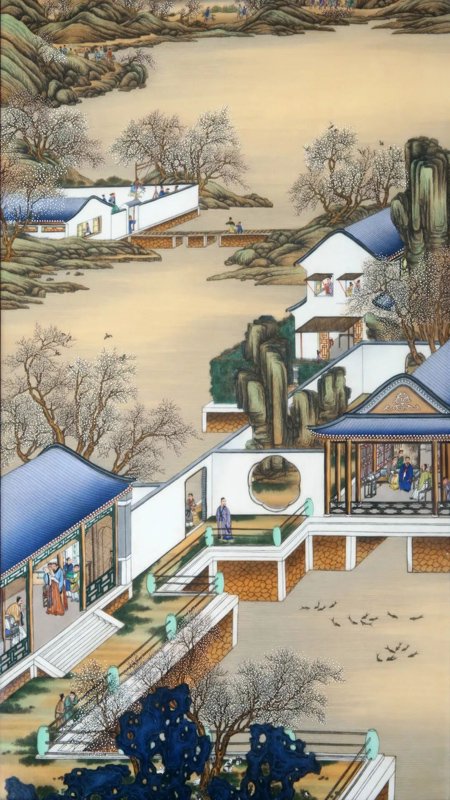
Today, we capture spring with smartphone photos. The ancients, however, had their own technology: the paintbrush. Court painter Lang Shining (郎世宁) created the "Twelve Monthly Pleasures of the Yongzheng (雍正) Emperor," which includes stunning depictions of court life in spring. In "February: Going for an Outing," the Emperor is seen in the Apricot Blossom Spring Pavilion in the Old Summer Palace, casually dressed and watching fish, while the garden bursts with pink and white blooms. "March: Appreciating Peach Blossoms" shows him strolling through a sea of peach trees, with petals falling like snow, capturing the romantic and poetic essence of the season. These weren’t just records of events; they were celebrations of the imperial connection to nature.
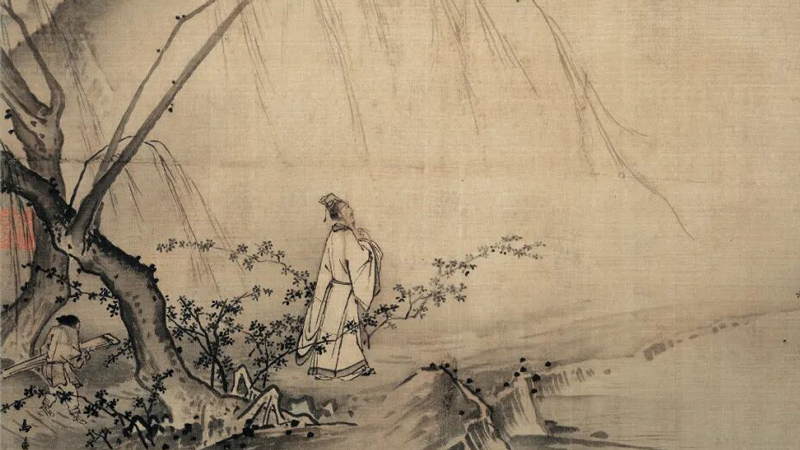
The scholarly class also left behind masterpieces. Ma Yuan’s (马远) "Walking on a Mountain Path in Spring" from the Southern Song dynasty depicts a scholar stroking his beard as he walks, his sleeve gently brushing against wildflowers that seem to dance in the breeze, startling a singing bird. The painting perfectly balances movement and stillness, embodying the leisure and poetic reflection of a scholar’s spring outing.
Similarly, Dai Jin’s (戴进) "Returning Home Late from a Spring Outing" from the Ming dynasty shows a scholar returning on horseback at dusk, with a servant holding a lantern at the gate. The weeping willows in the courtyard and the fading light create a scene of serene domesticity. If these artists had social media, these paintings would be their timeless posts—windows into their world, allowing us, a thousand years later, to join their spring outing and see the season through their eyes.