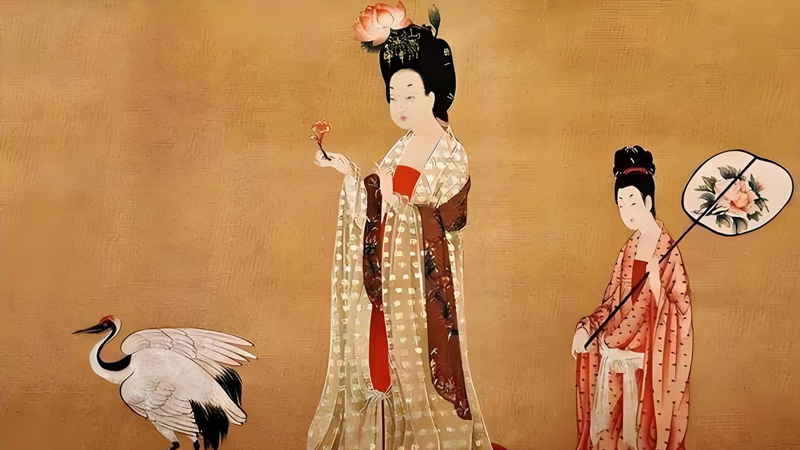
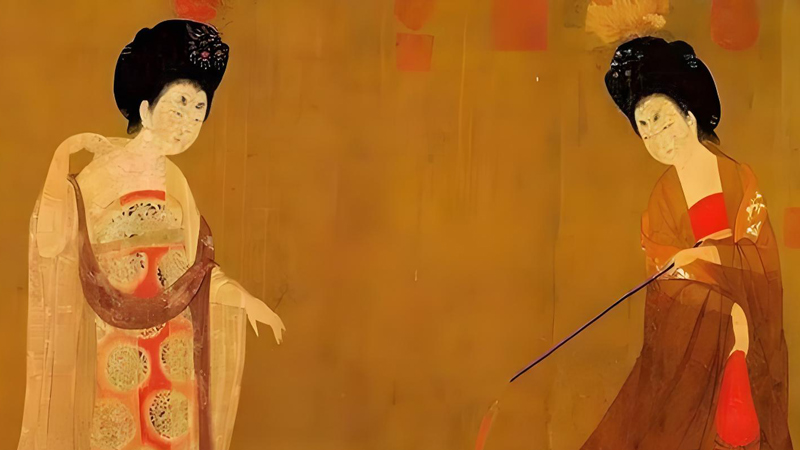
When we scroll through images of Tang Dynasty (618-907) art today, a distinct physical ideal stares back. The women in paintings and sculptures possess round faces, full cheeks, and softly curved bodies. This stands in stark contrast to the slender figures celebrated in later Chinese dynasties or modern fashion runways.
The most famous beauty of the era, Yang Guifei (杨贵妃), is historically described as having a plump figure. This preference wasn't a superficial trend; it was a reflection of an empire at its peak. To understand why Tang culture celebrated a fuller figure, we must look beyond simple aesthetics and explore the economic stability, cultural openness, and social psychology that defined this golden age.
A Sign of Prosperity and Peace
The foundation of any cultural ideal often rests on basic survival. After centuries of division and warfare following the Han Dynasty, the Tang reunified China. This political stability brought unprecedented agricultural surplus and commercial growth. Poet Du Fu (杜甫) famously described the era's granaries as "full of white rice and red millet." In a pre-industrial society, where famine was a constant threat, a fuller body was tangible proof of health, wealth, and access to sufficient food. It signaled that a person belonged to a class that did not have to struggle for their next meal.
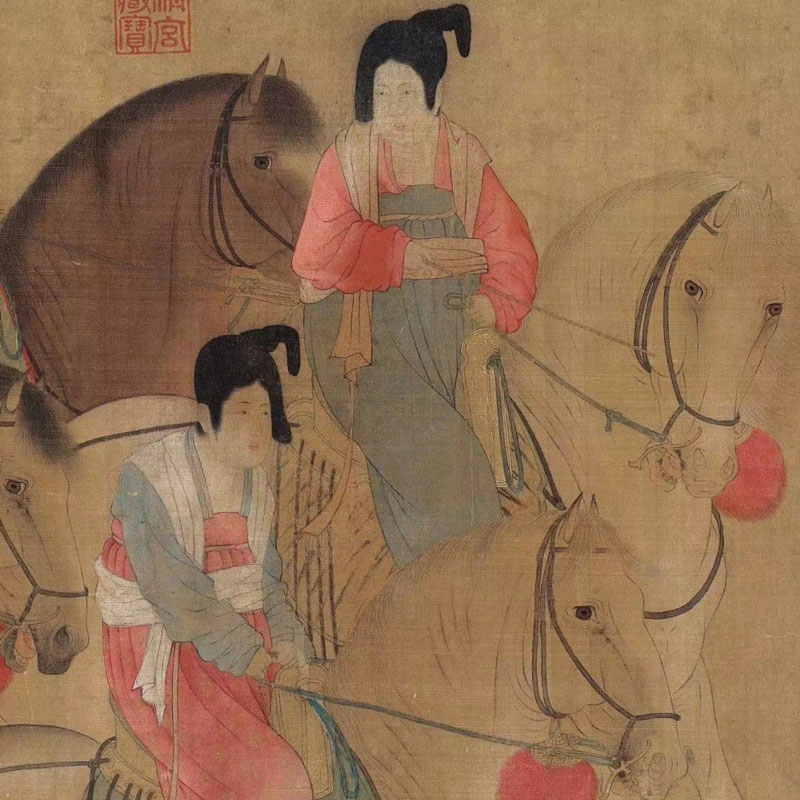
For the average citizen, seeing plumpness in art and life was reassuring. It visually represented the state's success in providing for its people. This contrasted sharply with the fragility often associated with poverty and illness. The robust figures in Tang paintings were not just beautiful; they were patriotic symbols of a thriving nation. They embodied the collective hope for a prosperous life, finally realized after generations of hardship. This made the fuller form a desirable and aspirational trait for all.
The Cosmopolitan Confidence of an Empire
The Tang Dynasty was one of the most cosmopolitan periods in Chinese history. Its capital, Chang'an (now Xi'an), was a global metropolis, hosting envoys, merchants, and scholars from over 130 different countries via the Silk Road. This constant flow of diverse cultures—from Central Asia, Persia, and beyond—fostered an incredible openness. The Tang people were confident, curious, and unafraid to embrace foreign influences, including different standards of beauty. There was no single, rigid template for attractiveness.
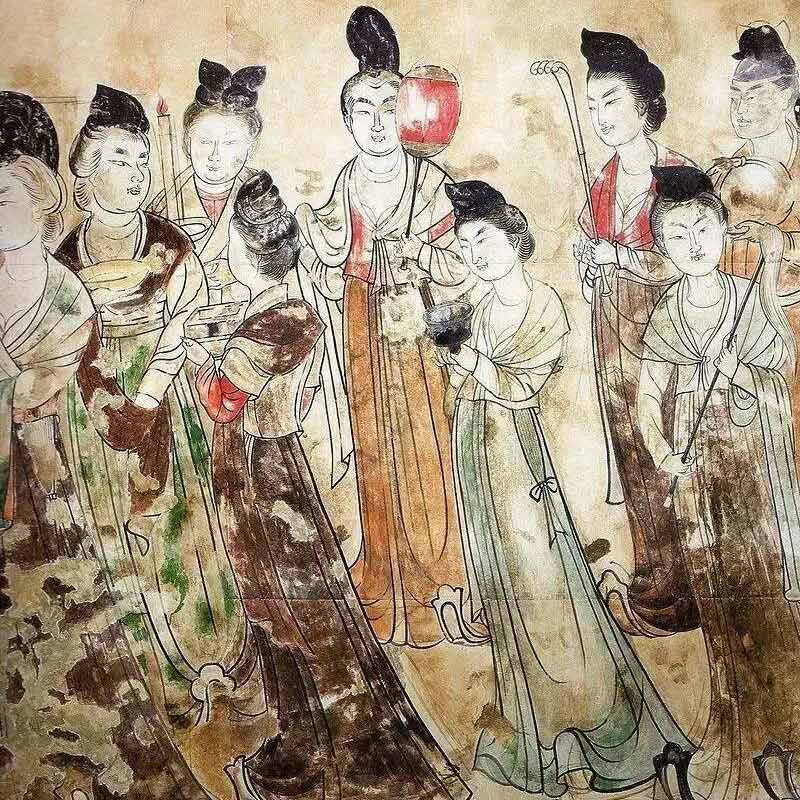
This cultural melting pot directly impacted perceptions of the female form. The influence of Buddhism, which had become deeply entrenched, also played a role. Buddhist art frequently depicted deities with rounded, "perfect" features, symbolizing spiritual fulfillment and completeness. The concept of "yuanman" (圆满), or completeness and satisfaction, became intertwined with physical ideals. A rounded figure was not seen as excessive, but as harmonious and whole. This blend of foreign influence and religious symbolism created a society that found beauty in fullness and vitality, rather than ascetic thinness.
Vitality and the Legacy of Nomadic Roots
The Tang ruling family had strong ties to nomadic cultures of the north, such as the Xianbei (鲜卑). These were horse-riding peoples whose lifestyles demanded strength and resilience. Their diet, rich in meat and dairy, naturally resulted in sturdier builds. This heritage infused the Tang court with a taste for active, outdoor pursuits like riding and polo. The ideal woman was not a delicate, housebound figure, but one who possessed energy and vitality. A strong, capable body was admired and celebrated.
Furthermore, in a society that valued family lineage and continuity, plumpness was often linked to fertility and good health. Medical texts of the time associated a fuller figure with the ability to bear healthy children and live a long life. It was seen as a practical, biological asset. However, it is crucial to remember that Tang aesthetics were not monolithic. While the fuller figure dominated imperial art, a concurrent appreciation for slenderness and grace existed in poetry and fashion. This diversity proves that Tang society did not have a single, enforced standard, but rather a broad and inclusive palette of beauty.