
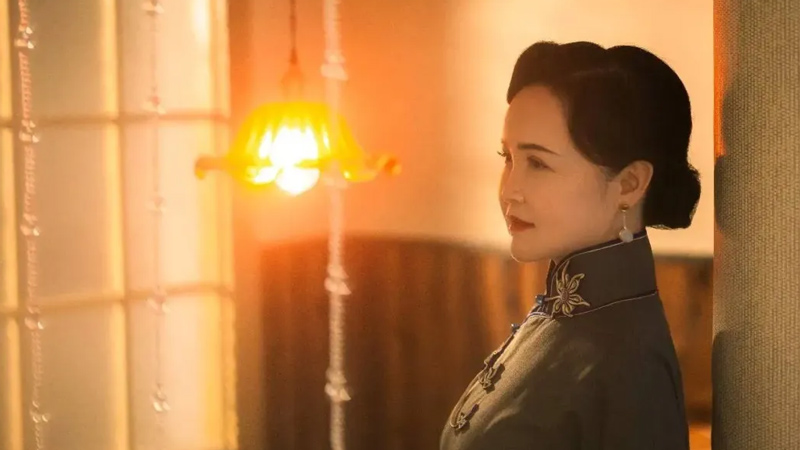
The Qipao transcends mere attire—it embodies a century of Chinese femininity, resilience, and artistry. In Changde’s July gathering, the Qipao Cultural Association illuminated this legacy. Beyond intricate silks and precise tailoring lies a philosophy: where fabric becomes poetry, and seams trace cultural evolution. This event wasn’t a fashion showcase but a dialogue with history, inviting wearers to discover their narrative within each fold.
1. Allure
A well-cut Qipao honors the body’s architecture. Its high collar frames grace, while the bias-cut skirt flows with natural movement, celebrating curves without constraint. This subtlety defines allure—confidence worn softly. As Changde’s members demonstrated, it’s not about spectacle but harmony: a shoulder line echoing porcelain-vase curves, sleeves hinting at restraint.
True allure lives in posture. When standing like bamboo—spine straight yet supple—the Qipao’s slits reveal just enough to intrigue. Modern wearers blend tradition with individuality: pairing classic brocade with minimalist jewelry, letting fabric speak louder than adornment.
2. Nobility
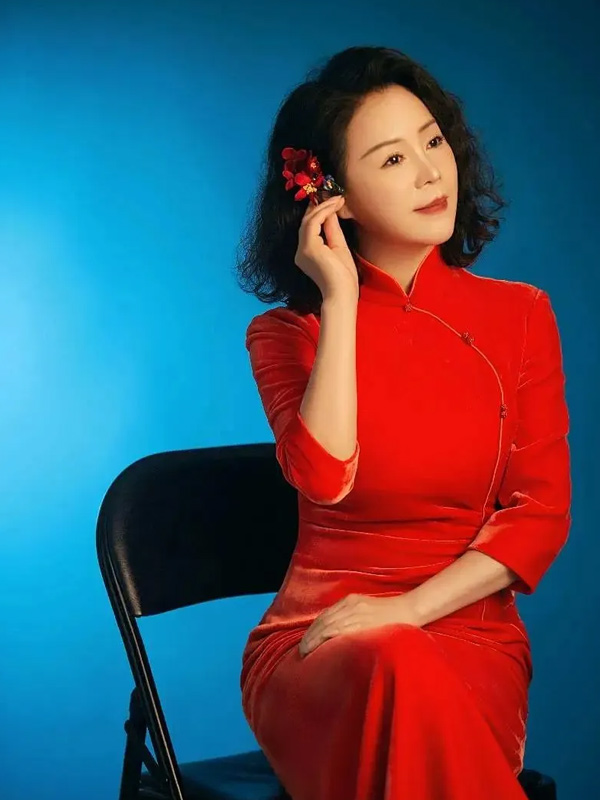
Nobility emerges from self-possession. Experienced Qipao wearers in Changde moved with unhurried precision, their embroidered gowns radiating authority. Gold-threaded phoenixes or indigo-dyed linens became extensions of their composure—proof that luxury is presence, not decoration.
This elegance rejects rigidity. A laugh lines the eyes, hands gesture fluidly—nobility embraces humanity. Members shared how Qipao-wearing reshapes daily habits: sitting upright at desks, choosing calm over haste. The garment cultivates dignity from within.
3. Elegance
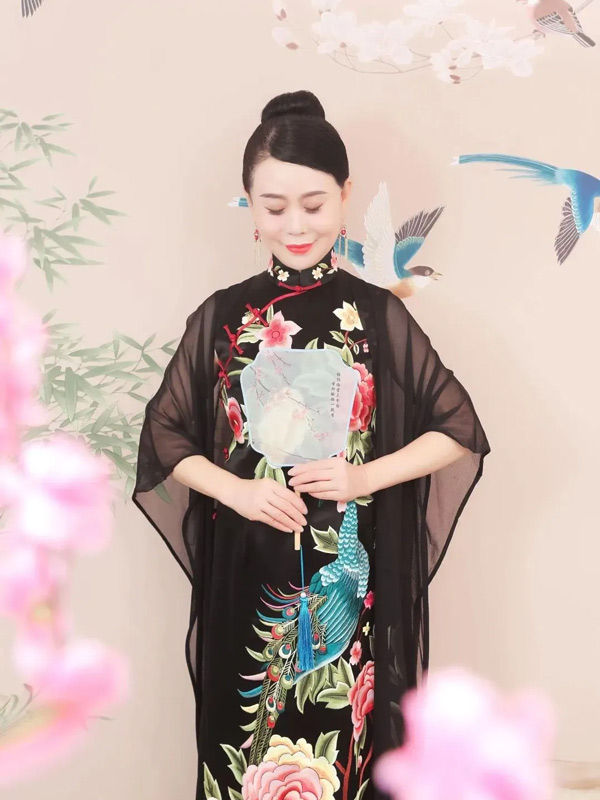
Elegance whispers. In Changde, matrons wore understated Qipaos—moon-white silk or dove-gray linen—their beauty radiating through intelligent eyes and gentle gestures. No flamboyance competed with their cultivated grace; they embodied Confucian ideals of inner refinement manifesting externally.
Such elegance thrives in simplicity: a single jade bracelet, hair coiled neatly. One member described her Qipao as "armor for serenity," worn during stressful days to recenter. The fabric’s touch—cool, smooth—becomes a tactile meditation.
4. Simplicity
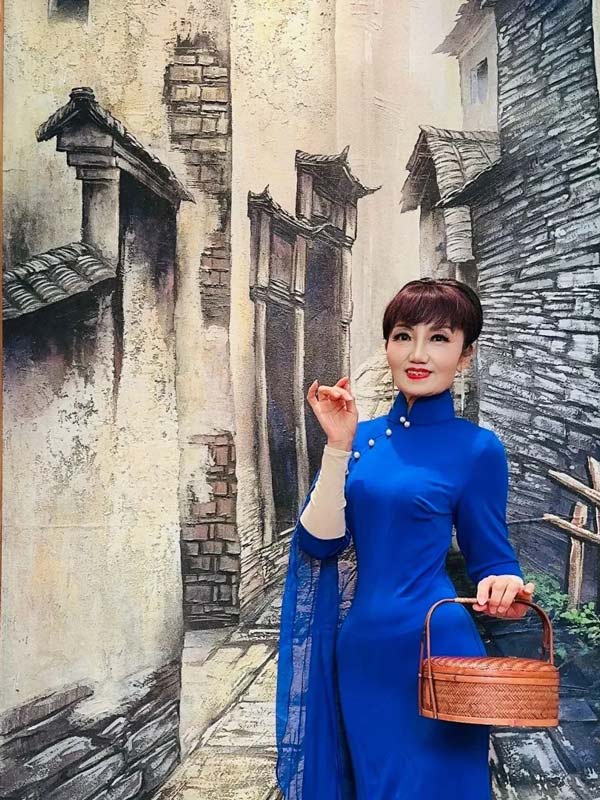
Minimalist Qipaos reveal profound sophistication. Unadorned midnight-blue cotton or raw-seam linen focuses attention on the wearer’s essence—thoughtful words, a scholar’s hands. Changde’s advocates champion this aesthetic: "Let your spirit fill the space where embellishment might reside."
Simplicity also honors sustainability. Many members wear vintage or locally handwoven Qipaos, rejecting fast fashion. The practice mirrors Taoist principles—owning fewer, meaningful pieces that age with the wearer.
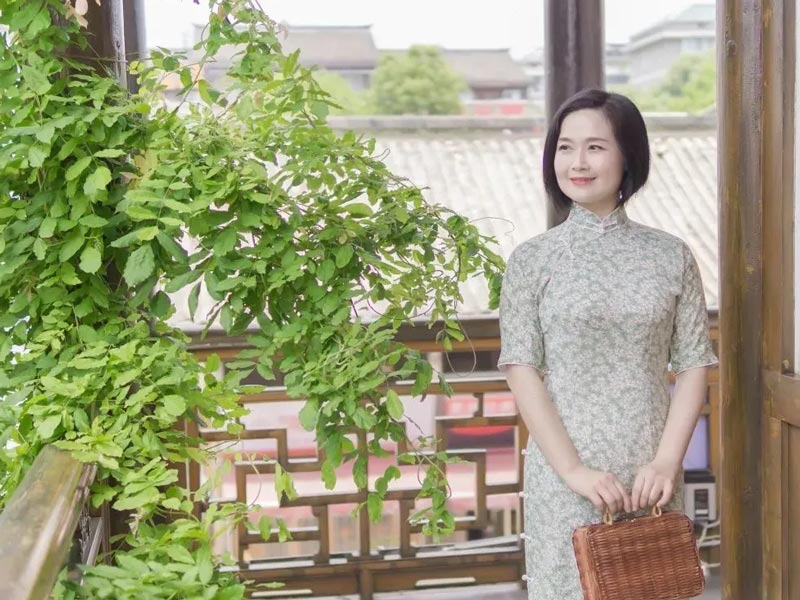
5. Boldness
Modern Qipao disrupts stereotypes. Changde’s younger members paired cropped Qipaos with tailored trousers, layered sheer panels over modern slips, or chose geometric-patterned synthetics. Their confidence declared: tradition evolves through audacity.
Boldness also means redefining context. A doctor wears her Qipao to conferences; a teacher pairs hers with sneakers. These women honor heritage while claiming contemporary relevance—proving the garment empowers, never confines.
The Qipao remains a canvas for Chinese women’s identities. Changde’s gathering revealed its timeless power: a stitch can connect generations, a collar can lift a chin, and a choice of fabric can declare independence. As attendees departed, their varied silhouettes—some demure, some daring—unified in one truth: this garment is no relic, but a living language of selfhood.
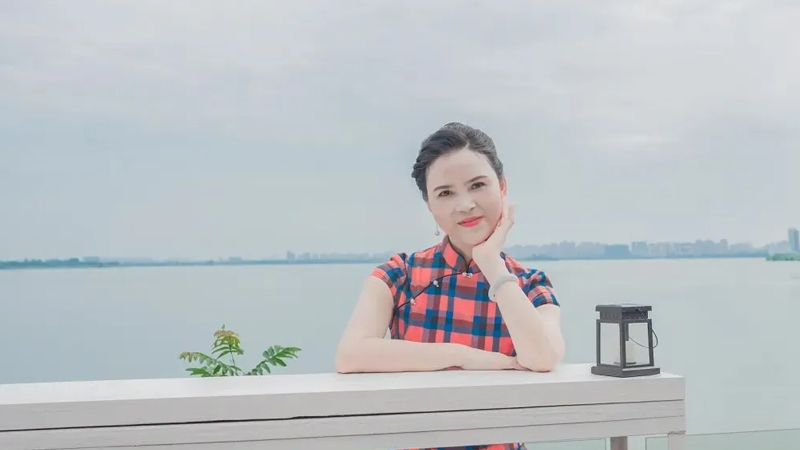
Changde's Qipao Culture
Under the soft glow of lanterns, Changde’s waterfront transformed into a living gallery of Qipao artistry. Local designers showcased modern reinterpretations of the classic silhouette, where traditional brocade met contemporary minimalism. Elderly artisans demonstrated intricate knot-button techniques, drawing crowds eager to witness craftsmanship passed through generations.
Young models glided along the promenade, their flowing silks catching the breeze—a dynamic fusion of heritage and innovation. Community workshops invited visitors to touch luxurious fabrics and trace embroidery patterns, bridging history with hands-on experience. As moonlight reflected on the river, the celebration affirmed Qipao’s enduring allure in China’s cultural tapestry.
I had no idea that the qipao could be such a dynamic garment! Truly an eye-opening article. Thank you!!