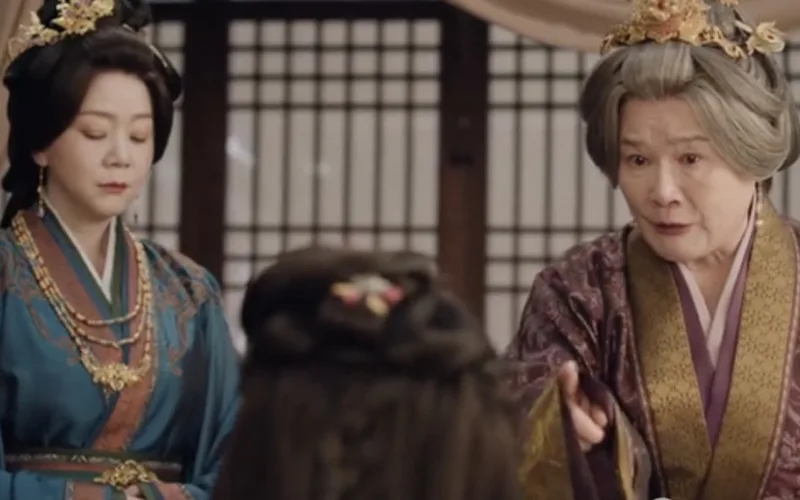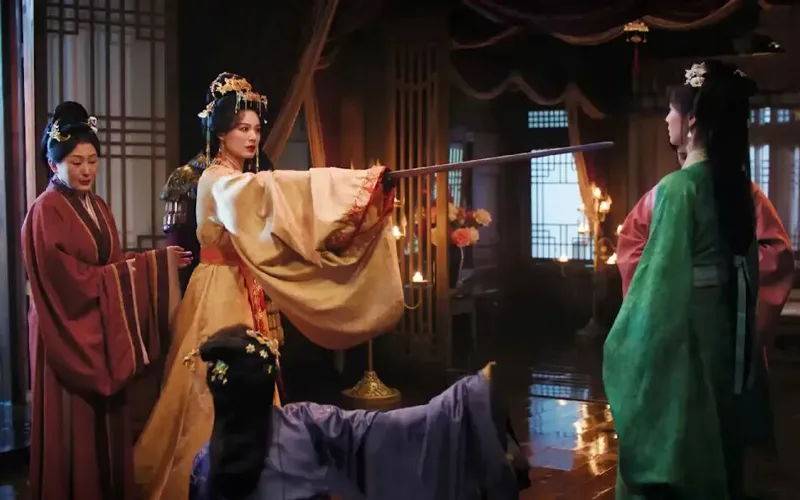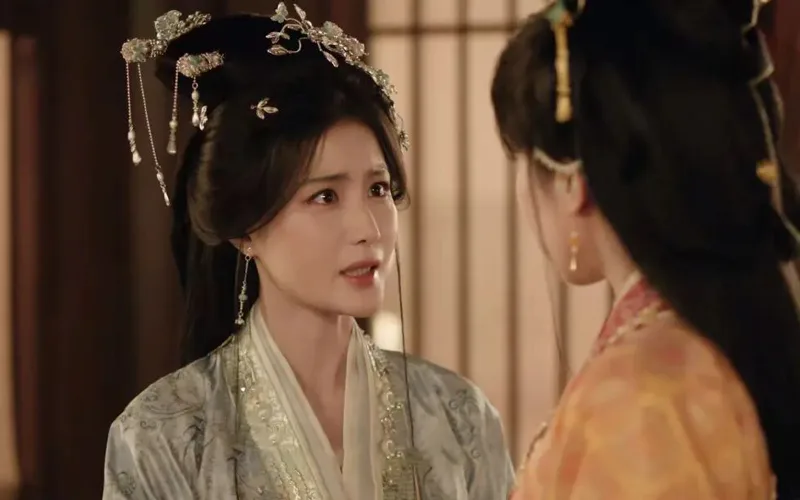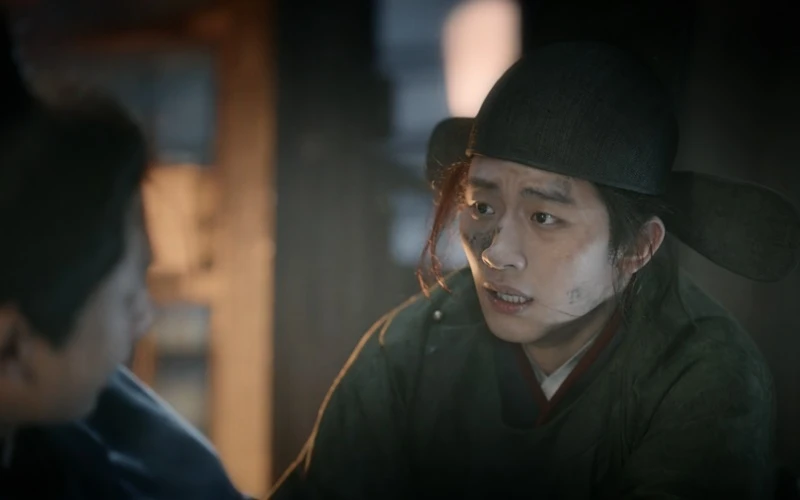
At first, Yu Qian (于谦) in River of No Return (两京十五日) seems like a minor official with a stubborn streak. He questions Zhu Zhanji (朱瞻基), risks his life on a fifteen-day dash between Nanjing and Beijing (北京), and talks about the people as if a crown prince were not in the room. Then the ending lands: thirty-two years later, the man he guarded is emperor, and Yu Qian is executed by Zhu Zhanji’s own son, Zhu Qizhen (朱祁镇). Why does loyalty cost so much?
The Odd Loyalist
Some viewers find this Yu Qian too naive. He is not a smooth courtier. He argues with the prince, clings to principle, and says, “The people matter most; the state comes next; the ruler is light.” To a future emperor, that is close to suicide. Yet the line explains him better than any clever speech. He is awkward because he refuses to treat power as the only reality.
The historical Yu Qian was just as blunt. In 1426, after Zhu Gaoxu (朱高煦) rebelled and lost in eleven days, Yu Qian listed his crimes until the prince shook on the ground and begged forgiveness. He did not do it to humiliate a loser. He did it because a clear public voice felt necessary. A court that forgets consequences, he believed, invites worse disasters later.
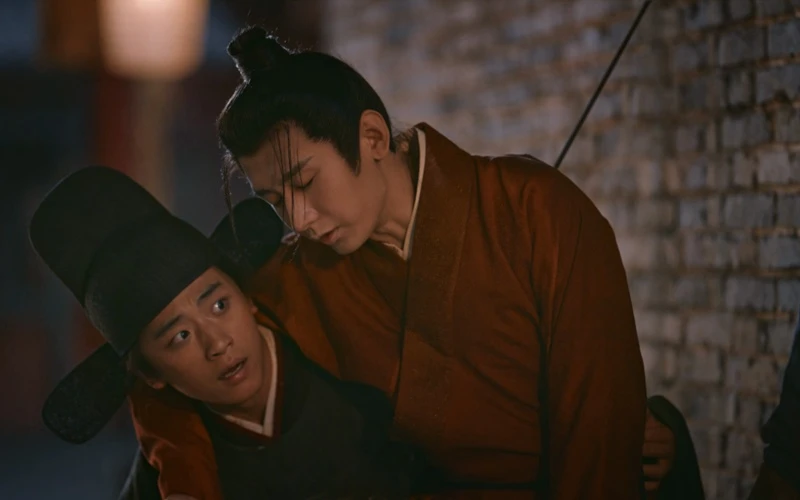
That refusal to bend looks noble in a crisis and dangerous in a palace. In the Ming dynasty, court politics rewarded silence, gifts, and flexible memory. Yu Qian had none of those talents. He could guard a city, but he could not guard himself. His honesty made him useful to the throne and unbearable to the people around it.
That contrast is why the drama’s version works. He looks clumsy beside polished officials, yet his clumsiness is not stupidity. It is a man testing every action against a hard question: will this protect ordinary people? The answer often puts him at odds with power, and he accepts the price before he knows how high it will be.
Beijing’s Saving Grace
In 1449, the Tumu Crisis (土木堡之变) left Zhu Qizhen captured by the Oirat Mongols. Yu Qian pushed for resistance, backed Zhu Qiyu (朱祁钰) as emperor, and helped win the Defense of Beijing. His logic stayed simple: people and state first; personal gain and throne last. A capital that panicked would have lost everything.
He even argued for Zhu Qizhen’s return when Zhu Qiyu hesitated. Yu Qian could have stayed silent; bringing back the former emperor served no private ambition. He spoke anyway. The same stubborn moral code that saved Beijing now made him inconvenient. He was not trying to pick a winning prince. He was trying to keep the court from becoming a private family quarrel.
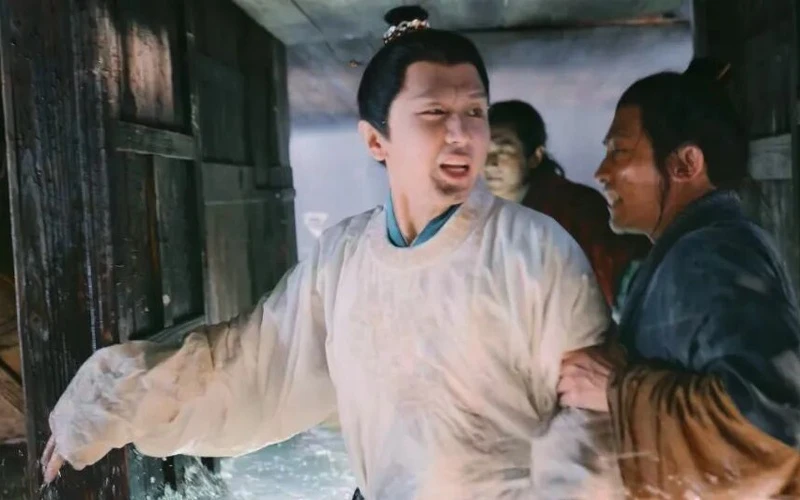
Such a man made enemies. Wang Zhen (王振), a powerful eunuch, encouraged gift-giving; Yu Qian brought nothing. The idiom “two sleeves clean breeze” grew from his poem. He refused flattery, parties, and bribes. Clean hands do not protect a man from resentful ones. In fact, they can make resentful people feel exposed.
His integrity had a public cost. When the court needed compromise, Yu Qian offered rules. When rivals needed a scapegoat, he stood alone. The same voice that steadied soldiers on the wall could not soften a room full of officials who wanted him gone. His strength was real, but so was the loneliness it created.
The Unpaid Debt
In 1457, the Duomen coup (夺门之变) put Zhu Qizhen back on the throne. He hesitated over killing Yu Qian. Xu Youzhen (徐有贞) supplied the lethal line: “If Yu Qian is not killed, this action has no name.” Legitimacy needed a traitor, so guilt did not matter. The question was never whether Yu Qian had committed a crime.
The confiscation told another story. Officials found no treasure in the home of a minister of war. One locked room held only robes and a sword given by the Jingtai Emperor (景泰帝). Did Zhu Qizhen ever feel a flicker of regret? Without Yu Qian, perhaps the family throne would not have survived. The man who saved the dynasty was now a debt the new regime preferred to erase.
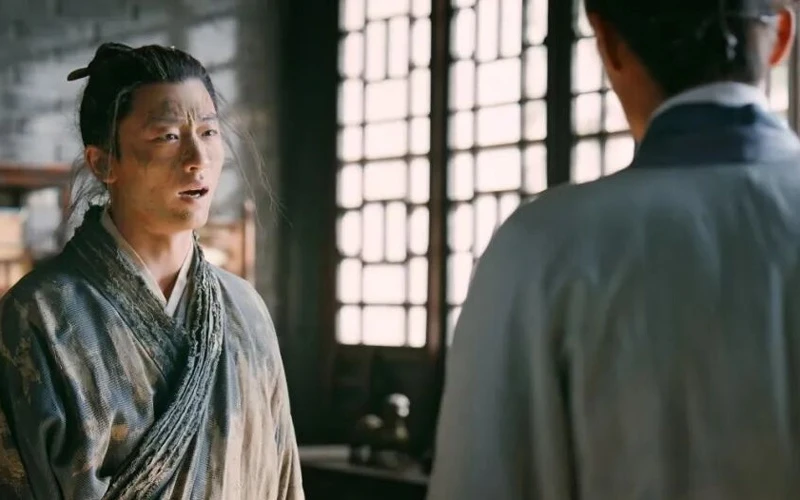
Watching the young Yu Qian escort Zhu Zhanji in the drama now hurts. Zhu Zhanji could never guess that his loyal defender would be killed by his own son. In the novel’s ending, the four travelers reach the capital, Zhu Zhanji takes the throne, Yu Qian enters court, and Wu Dingyuan (吴定缘) and Su Jingxi (苏荆溪) are left in ambiguity. The fifteen-day race is thrilling; the debt behind it is brutal.
The tragedy is not that Yu Qian trusted the wrong prince. It is that he served the office and the people, not the person. Zhu Zhanji benefited from that loyalty; Zhu Qizhen used it as a threat. The drama’s fifteen-day rescue becomes a sharp irony: the closer Yu Qian comes to the throne, the less safe he is. His story asks viewers a question that outlasts any dynasty: can a truly honest man survive at court?