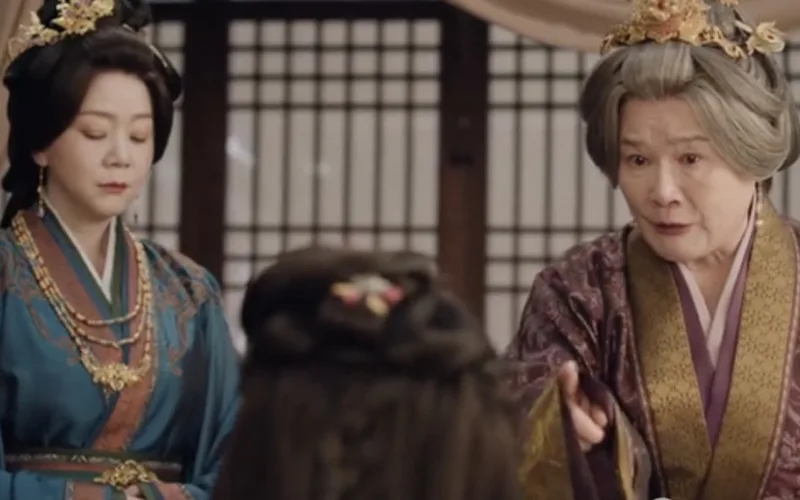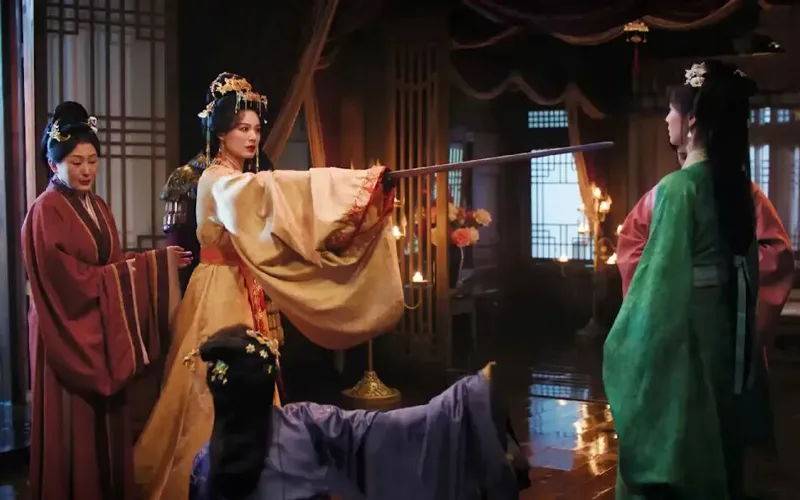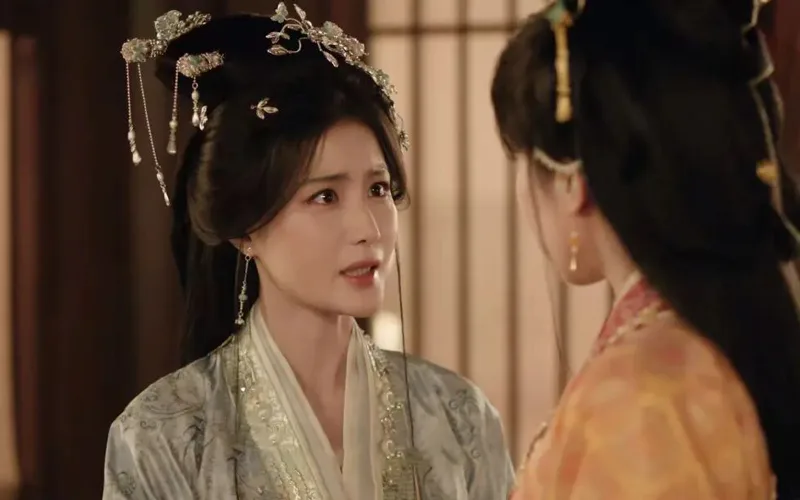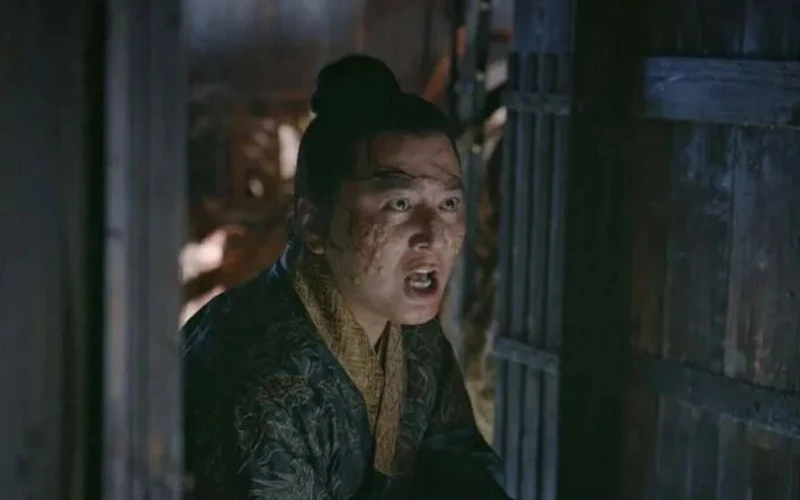
In River of No Return (两京十五日), a 26-episode series directed by Zhang Li (张黎) and starring Cheng Yi (成毅), the Grand Canal carries more than a fleeing crown prince. Adapted from Ma Boyong’s (马伯庸) novel of the same name, the story airs on CCTV-8 and iQIYI. Zhu Zhanji (朱瞻基) must reach Beijing alive, yet the stronger drama lies in people who read old favors as commands. Zhu Buhua (朱卜花) is one of them. He tries twice to kill his former master and never asks pardon. His final tears, then, are not a plot twist but a question: what happens when loyalty chooses the wrong grave?
Poison in Plain Sight
At the Yellow Register Archive, fire roars and Zhu Buhua is about to order arrows against Zhu Zhanji’s boat. Su Jingxi (苏荆溪), however, has already spoken in the woods. Using her medical cover, she placed slow poison in prescriptions and hid its work under sores. The revenge is personal: she cannot forget Wang Jingshu (王景姝), whose death bought a family plaque and a court shrug. The toxin erupts on Zhu Buhua’s face; ulcers break; he falls into the river. Pursuers see the collapse and call off the chase. Water washes away the pus and, accidentally, saves the assassin.
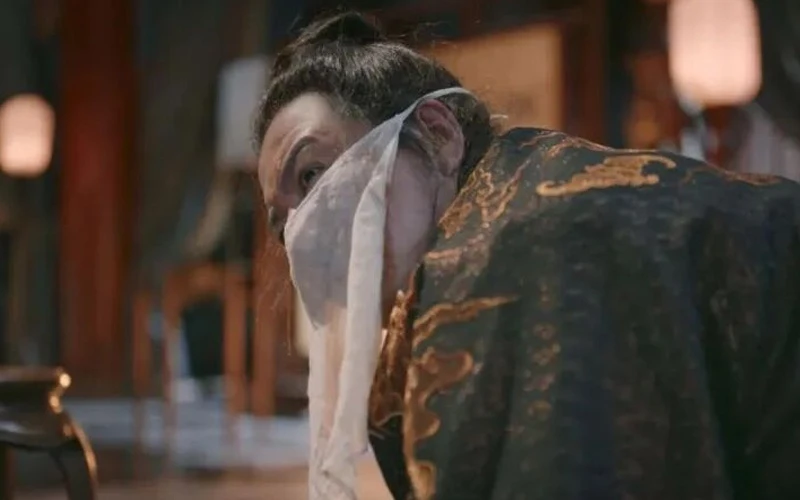
The rescue does not end the threat. It only moves the knife above Zhu Zhanji’s head again. Viewers may label the betrayal greed, yet his loyalty was never anchored in the prince. He was a Mongol, taken young into the Yan (燕) Palace, given the Zhu surname by Zhu Di (朱棣), and placed over the imperial horse bureau and a brave camp. That recognition became his whole creed. When he looks at the crown prince, he sees the emperor’s frame, not the man.
So the poison scene is not just a trick. It exposes a court habit: private debts outlive public orders. Su works through medicine; Zhu Buhua works through old gratitude. Both refuse to let time close the ledger. The river gives him another chance, but no cleaner choice. He returns quickly, saying he does not surname Zhu, that their Eunuch Zhu is dead, and that the man he wants to kill does surname Zhu.
Debt to Yongle
His memory of battle explains the tears. In a blood-soaked northern fight, six thousand soldiers died in sand. Of five attendant eunuchs, only he stayed beside Zhu Zhanji, repeating Tatar words to keep the prince from giving up. The closeness was borrowed warmth. He served the crown prince because the old emperor had set the frame; affection came later, if at all.
After Zhu Di died, Zhu Buhua moved that debt to Han Wang (汉王). He helped hide explosive powder beneath a treasure ship and planned for Zhu Zhanji to die in Jinling (金陵). Before the tablet of the old emperor, his guilt is not about betraying a friend. It is about failing a trust. He does not regret the marches they survived; he regrets that he cannot complete what he believes the dead emperor handed him.
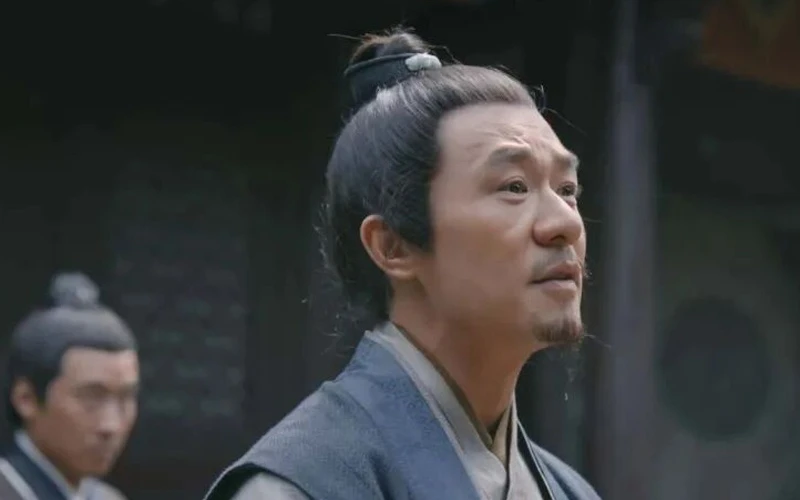
This is why “villain” is too small a word. He is not cruel by nature, nor a hothead who stumbled into treason. He is a pawn moved by era, favor, and power. Wang Ji (汪极) is chained by rebellion and gambles his family’s fortune on Han Wang. The boat owner Xie Sanfa (谢三发) is forced to cooperate because his household stands under knives. At Guazhou Ferry (瓜州渡), arrows rain; Xie and the Zheng brothers fall. Zhu Zhanji has already packed the lower hold with gunpowder. The blast leaves Zhu Buhua half a body in wreckage.
Two Tears, No Return
Even then, he does not beg. Seeing Zhu Zhanji, the killing anger drains away, leaving tenderness. Those two tears are the drama’s sharpest turn. He knows he chose a road with no return after joining Han Wang. This is not repentance with a clean moral. It is the quiet ache of a man who has stood in sand and blood with another man and cannot erase that memory, even while raising a blade against him.
He keeps his promise to the old emperor, but the promise pushes him against an old comrade. That split is the character’s strength. The script refuses a simple scorecard. Su Jingxi avenges a dead friend; Zhu Buhua dies for a dead emperor’s command. Both are tied to past obsession and pay with their lives for matters already finished. The canal keeps moving, carrying Zhu Zhanji toward Beijing and burying those locked inside an old order.
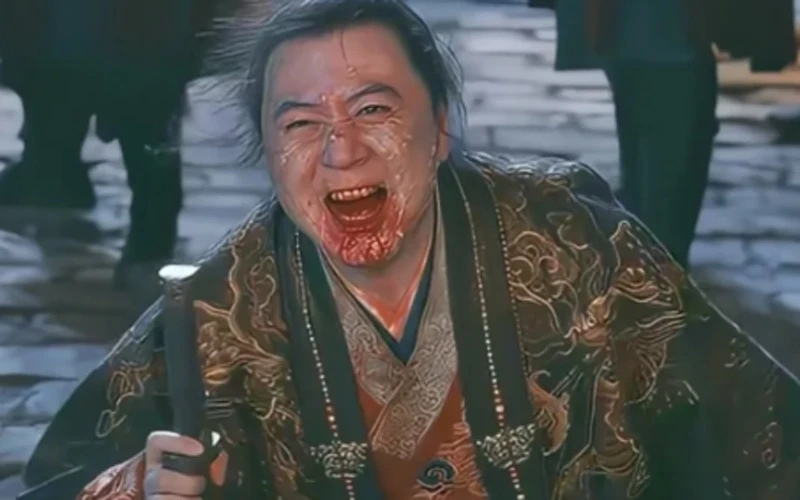
After the dust settles, Zhu Buhua’s two deaths look less like a villain’s ending than loyalty misplaced, with nowhere left to stand. In the game of imperial power, a man who remembers an old bond and keeps his word becomes a tragedy too. His tears ask the audience not to excuse him, but to see the cost of a creed that saved him once and then led him to the wrong door.