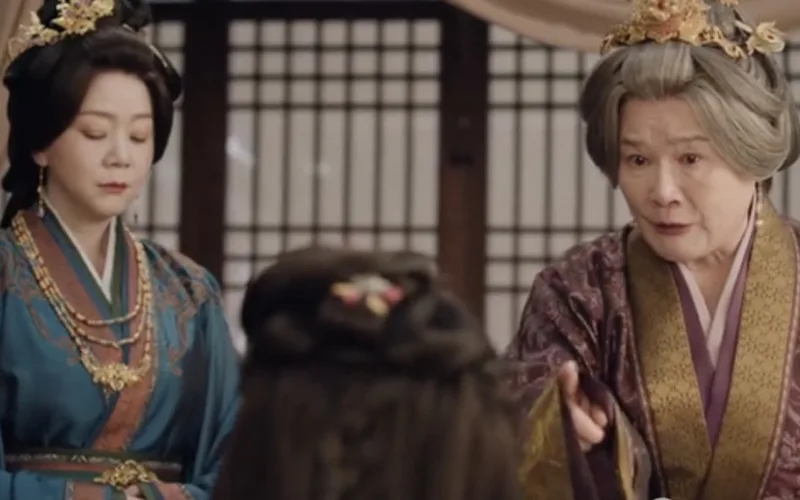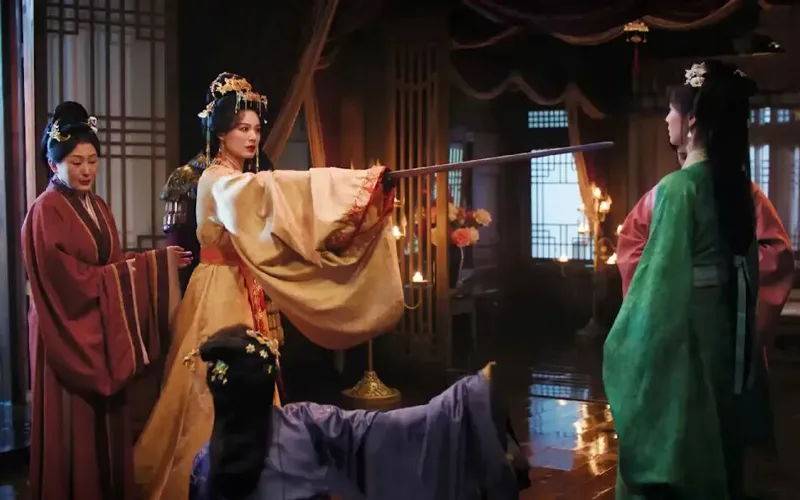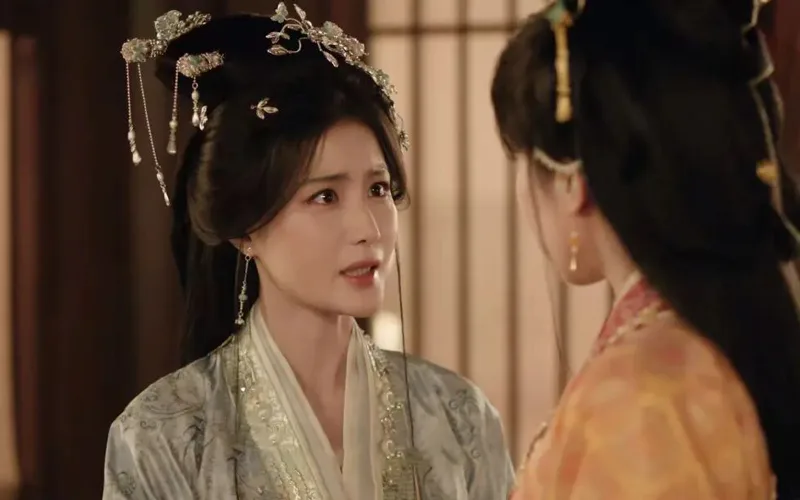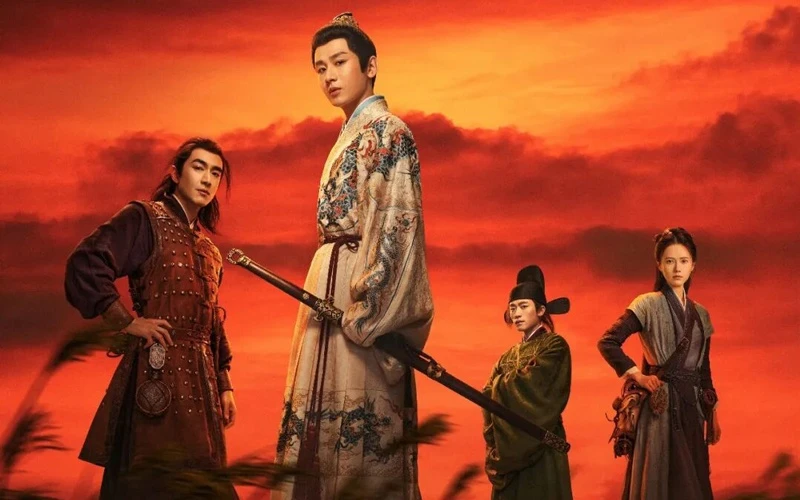
A ship reaches a Nanjing dock, then breaks apart. The explosion kills guards and welcoming officials, but leaves one survivor: crown prince Zhu Zhanji (朱瞻基). In River of No Return (两京十五日), the blast is not just a crime; it is a pressure test. Nanjing is tense in the Ming dynasty, with stolen gunpowder, nervous bureaucrats, and rumors of a throne shift. The prince has fifteen days to reach Beijing before his father dies and rivals seize the palace. Every road is watched. Every ally has a price.
Explosion and Doubt
The first episodes treat danger as a system, not a villain. Gunpowder vanishes under official watch. The officer in charge dies in a blast. Zheng He (郑和), the famous eunuch, moves the remaining stock for reasons nobody trusts. Zhu Zhanji smiles through reunions, then asks why Zheng He escaped unhurt. The question lands like a blade because it reveals the real rule: rank does not create loyalty; position does.
Zhu Buhua (朱卜花), a senior palace eunuch, becomes the sharpest tool of the local bureaucracy. The Iron Alliance, a street network of hungry and displaced people, serves as a hidden fist. Wealthy merchants supply ships and cash. None of these forces looks identical, yet they share one interest: a dead prince would make their problems disappear. The show refuses easy villains. It shows pressure turning ordinary people into obstacles.
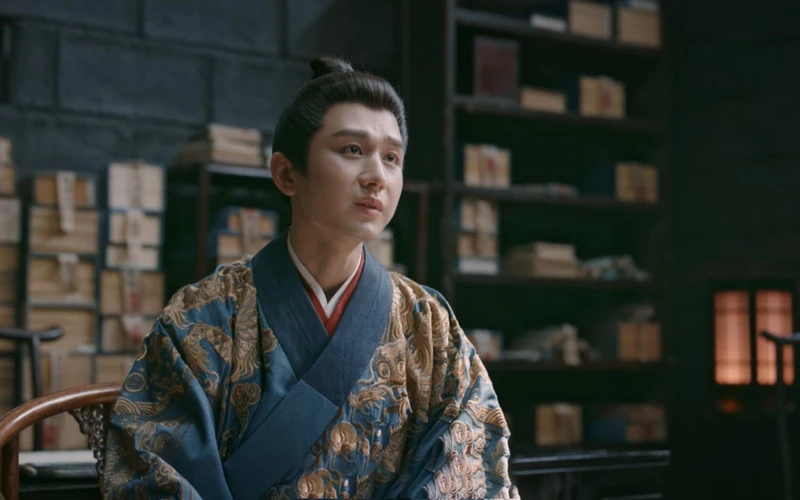
The chase is political physics. If the prince lives, Nanjing’s bureaucrats lose leverage, canal merchants lose routes, and imperial relatives lose a chance. If he dies, the whole machine breathes easier. So the story strips away good-versus-evil and replaces it with stakes, choices, and consequences. That makes even quiet conversations feel dangerous. A bow, a pause, a cup of tea can hide a decision to kill.
Four Uneasy Allies
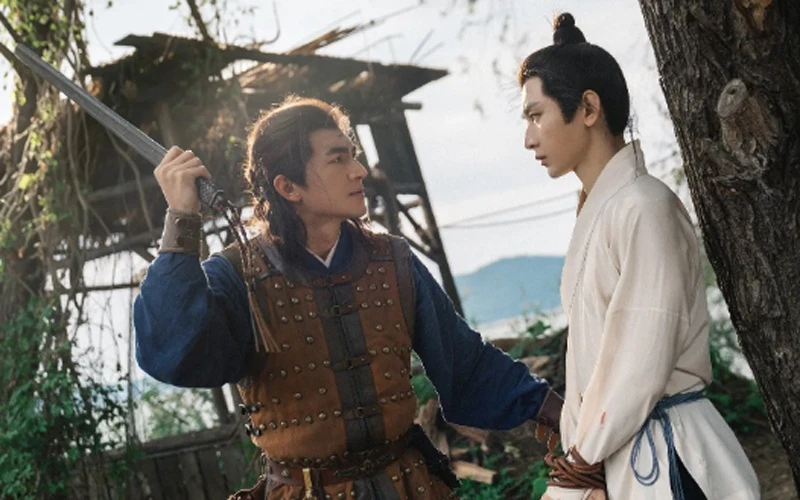
Zhu Zhanji does not travel alone. Wu Dingyuan (吴定缘), a local constable, first sees him as a bounty. Wu is lazy by reputation, practical by instinct, and sharp enough to notice that every story about the prisoner is a cover. Su Jingxi (苏荆溪), a female doctor, joins with her own revenge to pursue. Yu Qian (于谦), a low-ranking official, brings stubborn duty and a dangerous question: should loyalty belong to a ruler or to the realm? These four form a team bound by convenience, not trust.
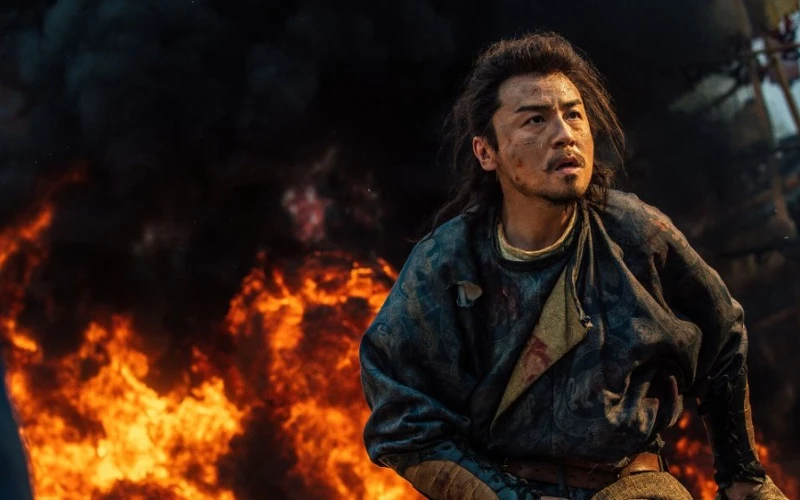
The fun comes from watching them think. Wu calls the prince “big radish” after learning his identity, because a fallen heir is still a family threat. Su moves lightly, changing masks to reach her target. Yu charges into offices while others pick sides. Zhu Zhanji pretends to be foolish, yet his choice of a merchant’s luxury boat is calculated: display builds authority, contact with canal traders builds political footing, and a spoiled image buys room to act.
A cricket in a cage gives the prince a visible double. It is small, trapped, and apparently useless—until it fights. When the boat explodes, the camera finds the cricket free. So is Zhu Zhanji. He has a blade, a ruined identity, and fifteen days to learn whom he can use, whom he must protect, and whom he must outwit. The group feels like a tabletop game: each member has a job, a weakness, and a reason to run.
History with Pulse
Ma Boyong (马伯庸) works from tiny historical anchors. A few lines in Ming History (明史) say the prince went to Nanjing, returned, and took the throne. The novel and drama ask what those lines omit: which roads, which enemies, which meals, which betrayals? By filling gaps with plausible human choices, the story makes history feel less like a monument and more like weather—unstable, local, and personal.
The Grand Canal carries more than boats. It carries grain, tax, gossip, and the fortunes of merchants who fear a capital move. Along its banks, the drama finds ordinary motives: a father wants to buy a singer’s freedom, a constable wants pay and safety, a doctor wants revenge, a clerk wants a better state. Their small desires collide with a palace crisis, and that collision gives the adventure its weight.
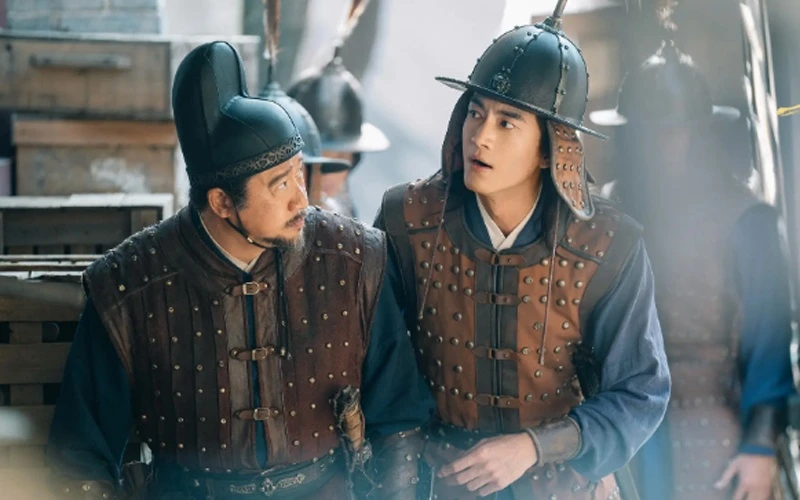
This is why the series avoids simple escapism. It has chases, fights, and clever reversals, but its real subject is the price of order. A prince learns that a realm is not saved by bloodline alone. A constable learns that decency can survive inside selfishness. A minor official learns that ideals must be tested by action. The past remains distant, yet the question stays close: who pays when power moves, and who gets to call that payment necessary?
What remains after the schemes fade is not a slogan but a texture: wet docks, cramped inns, bribes folded into sleeves, a father’s distracted silence. The show lets grand history brush against small life. That brush is its best trick. We watch a future emperor, but we remember the constable who wants to go home, the doctor who hides her grief, and the clerk who cannot stop arguing. History becomes human because the stakes are carried in ordinary hands.