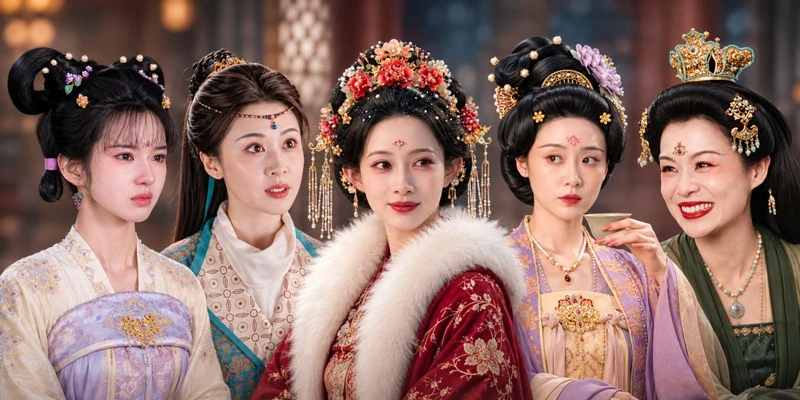
Tigers Sniff the Rose (尚公主) ends with a grand bow, yet the bow feels heavy. Five women stand in different lights: one holds power, one holds a title, one holds a sword, one holds a memory, and one holds her own road. Each ending looks like a win from far away. Up close, it stings. Why? Because every crown in this story has a price, and the bill is paid in private.
1. Mu Wanyao (暮晚摇) – Scarred Victor
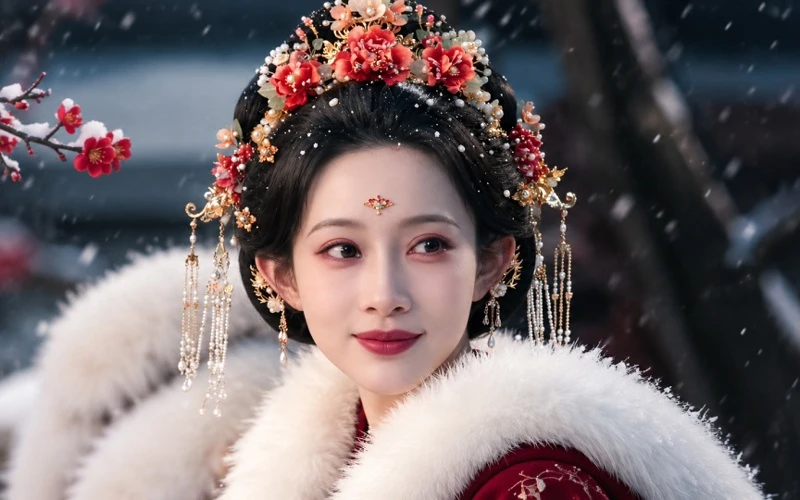
Mu Wanyao begins as a golden girl in Chang’an (长安). At fifteen, she is sent north as a bride to an old general. The years there are not painted softly; they are sharp, cold, and cruel. When she returns, home should heal her. Instead, whispers meet her at the gate, and old wounds reopen before she can rest.
Her father’s love shrinks under political need. Her brother, the crown prince, sees her as a tool, then as a threat. The people closest to her cut deepest. So she grows quills. She snaps, dresses loudly, and refuses to smile for the court. Outsiders call her proud; they miss the bruise under the armor and the fear behind her sharp words.
Then Yan Shang (言尚) arrives like a quiet hand on a wound. He survives death, stands beside her, and together they guide a child emperor. Mu ends as a grand princess with real power. It is a comeback. It is also a lifetime of swallowing glass, and the throne room cannot hide that taste.
2. Chunhua (春华) – Gilded Cage
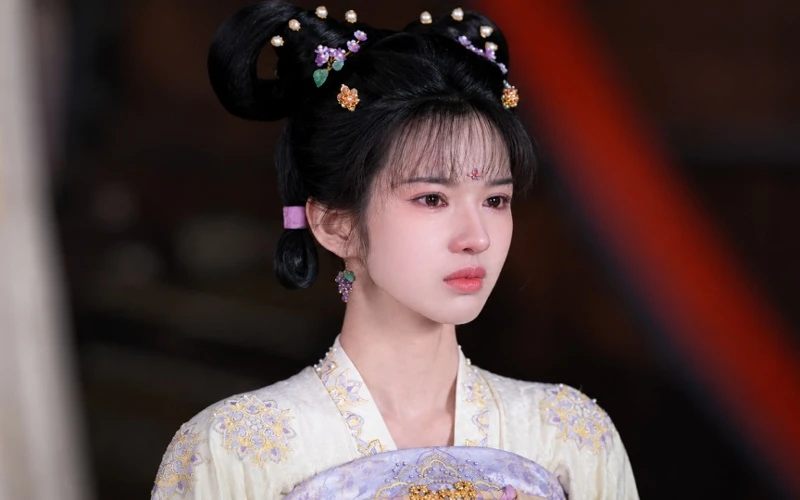
Chunhua almost escapes. She returns from the northern trouble with the princess, then meets Liu Wenji (刘文吉). For a moment, a simple life is within reach. Family should protect that hope. Instead, her mother and brother trade her future away, and her small dream breaks before it can grow roots.
Prince Jin (晋) takes her by force. She is young, shut inside palace walls, and pressed down by rank. Liu Wenji tries to shield her, but fear pushes him down a crooked path. Chunhua ends his life with her own hand. Love becomes the knife she must hold, and no title can soften that memory.
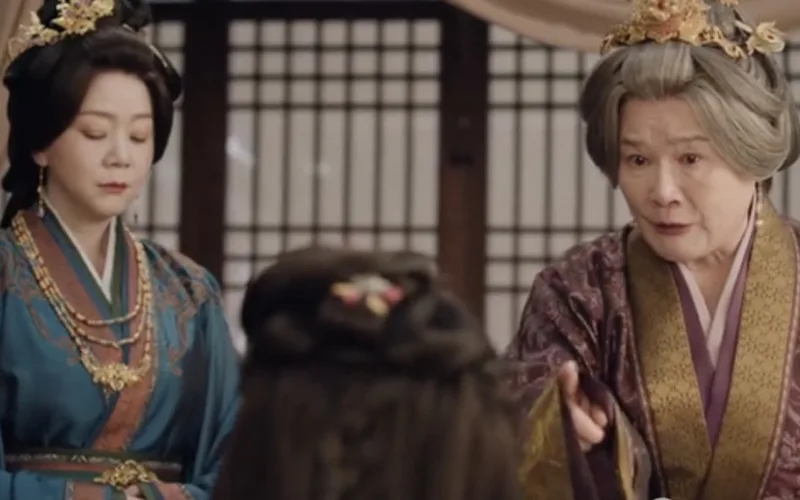
She rises to empress dowager, a seat many would envy. Yet the seat is cold. Her family used her; Prince Jin moved her like a piece; the throne wrapped chains around her voice. Her title shines. Her heart does not. She has the highest chair and the loneliest room.
3. Liang Lingyi (梁令仪) – Proud Defeat
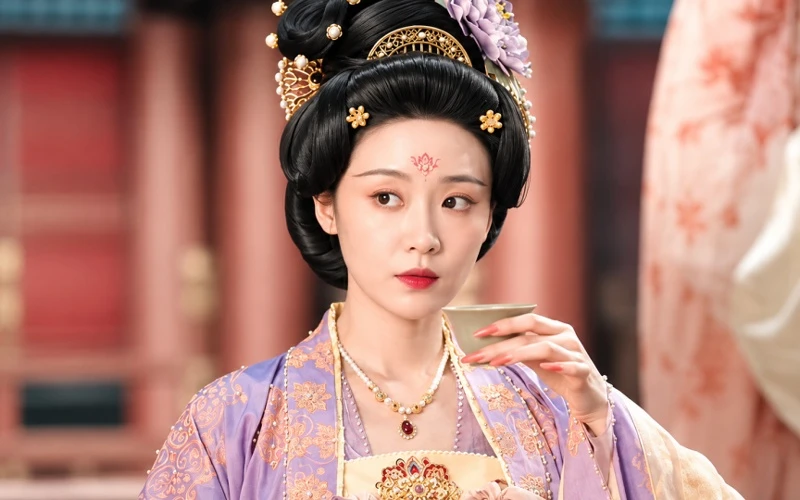
Liang Lingyi looks like a winner. She comes from a great house and marries a prince. Servants bow; guests praise. Behind the silk curtain, she knows the truth. Prince Jin is weak, idle, and small in spirit. She cannot respect him, and she does not hide it well.
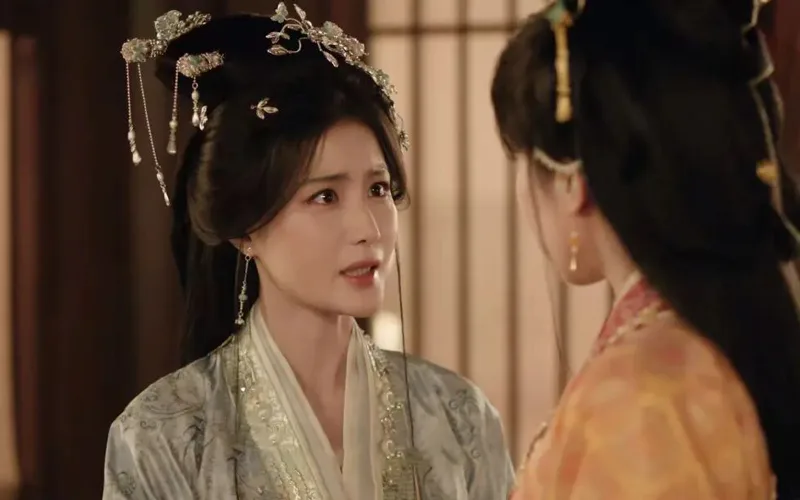
When trouble comes, she asks him for help. That scene strips away the polish. A proud woman lowers her head to a man she despises. He fails her. Still, she refuses to be humiliated. She chooses a clean exit over a dirty life, and her silence says more than any speech.
Her death is not a grand gesture. It is a locked door. She protects the name of princess consort, and she grieves the child she waited for so long. Her last thought is tender. That tenderness proves she was never cold; she was trapped in a house with no honest exit.
4. Luling (庐陵) – Blade of Pride
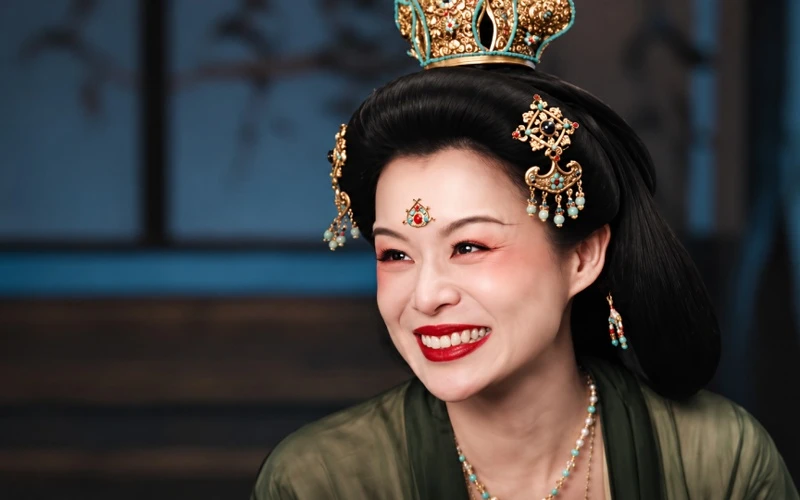
Luling is loud, spoiled, and surrounded by pretty companions. The court sees a reckless princess. Under the noise, she is alone. Royal life rewards dullness and punishes talent. A clever woman can become a danger to herself. Luling learns this early, and she wears her wildness like a shield.
She takes responsibility when others run. That is the moment her spoiled mask slips. A princess with nerve is rarer than a princess with jewels. She does not ask for praise; she simply does what must be done, then returns to her music and her strange, crowded solitude.
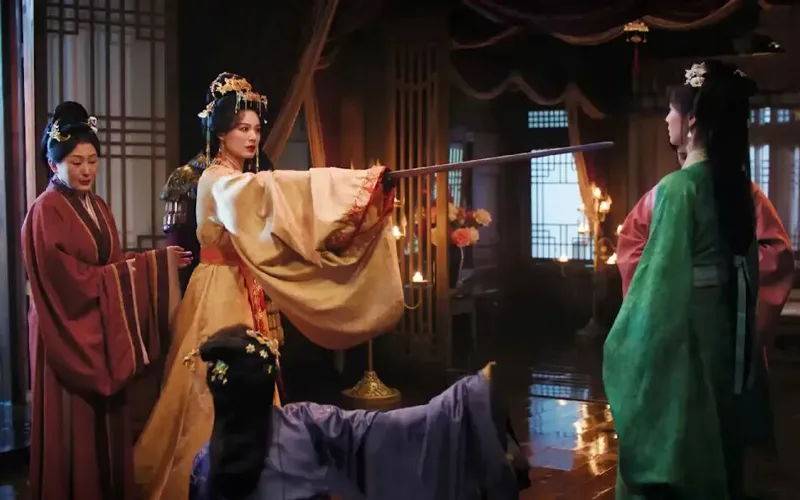
In the finale, Mu Xun (暮恂) brings soldiers to Chang’an and eyes her palace. Luling does not hide. She draws her sword, rallies her people, and fights. When defeat is certain, she cuts her own throat. Her life was wild; her end is steel, and the city remembers the noise.
5. Zhao Lingfei (赵灵妃) – Own Path
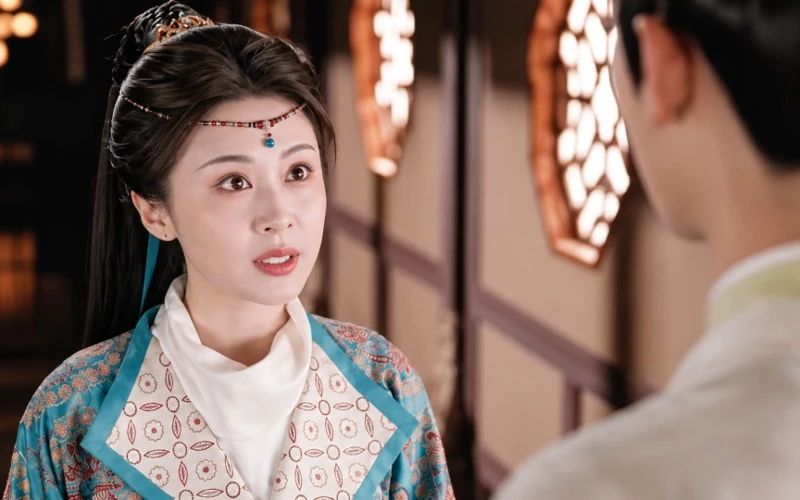
Zhao Lingfei refuses the usual script. She grows up in a military house, rides hard, shoots straight, and wears men’s clothes without apology. Other girls chase favor and weddings. She follows Wei Shu (韦树) and earns a real office, Yuzheng (御正), with work rather than charm.
When Chang’an is in danger, she and Wei Shu use thunder-fire jars to hold the wall. The rebels are pushed back. Her contribution is not a rumor or a poem; it is smoke, sweat, and a city still standing. She proves that courage has no fixed dress code.
She does not treat marriage as the only door out. Duty gives her a stage, and courage keeps her there. Her ending is not a crown or a cage. It is motion. Among five hard fates, hers feels least like a wound, though the story still leaves a quiet ache.