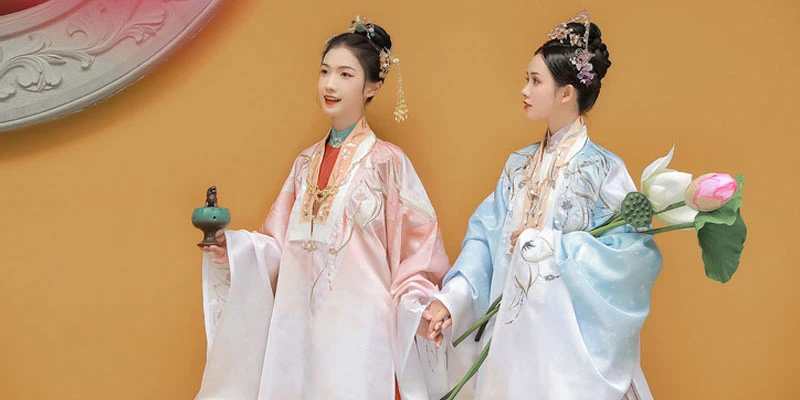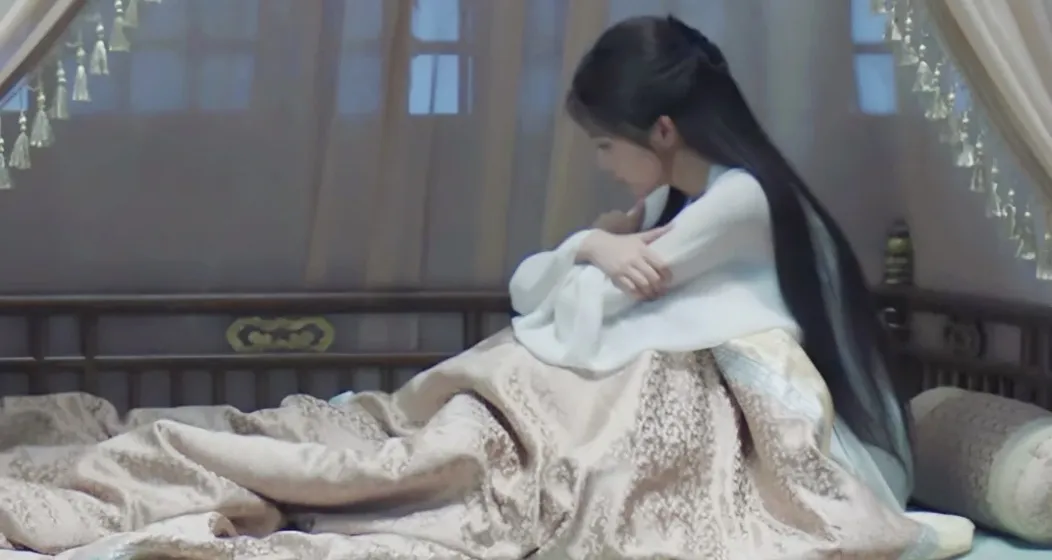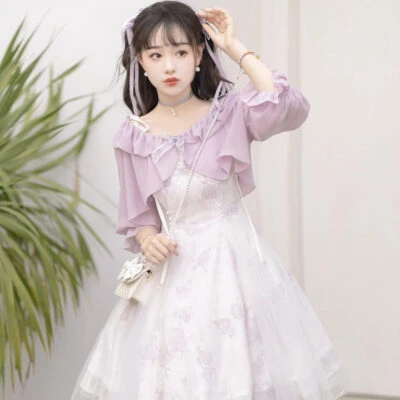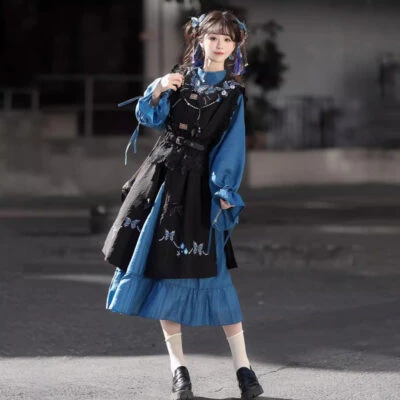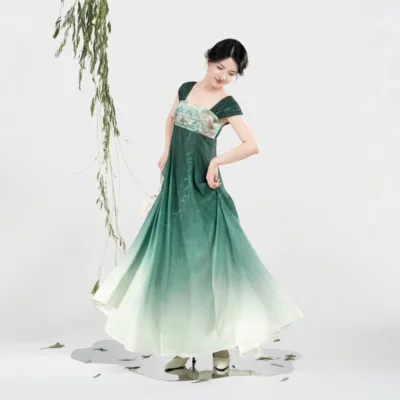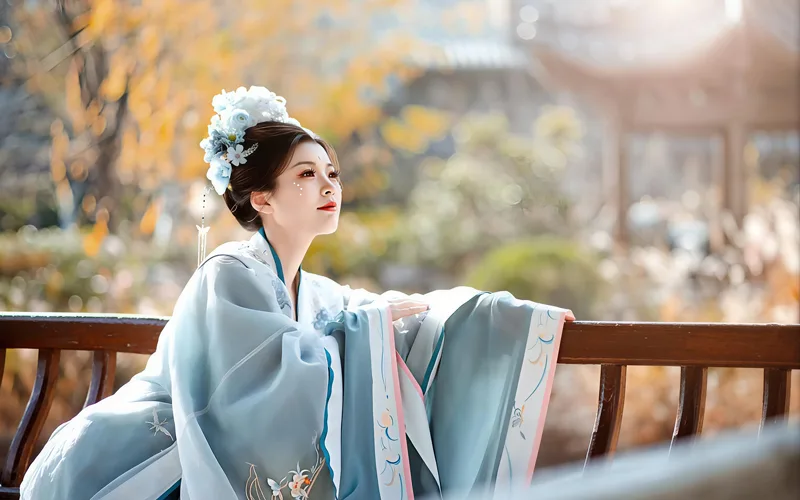
Hanfu is not a costume from one ancient dynasty. It is a broad clothing tradition worn by Chinese people across many periods, with many cuts and moods. Some pieces feel grand; others look quiet. You do not need a rulebook before you try it. Modern wearers mix full sets with everyday clothes. A long skirt may sit beside a shirt; a light robe may work as a summer layer. The point is not to pass a test. It is to feel comfortable enough to walk outside, take photos, and enjoy what you wear.
What It Really Is
Most Hanfu shares a few simple ideas. A cross-collar top often closes to the right, with one side over the other. Ties do much of the work; buttons and zippers are not the main structure. Wide sleeves, a top with a skirt, and a light outer layer are common, but not mandatory.
Online looks may be full historical, yet real wardrobes are flexible. One person wears a complete set for a festival. Another wears only a pleated skirt with a plain blouse. Someone else uses a thin robe as sun protection. None is wrong.
“Is it authentic?” can be scary. Ask a kinder question: “Can I move, sit, eat, and breathe in it?” If yes, you are on solid ground. Start with one piece you like, then learn as you wear it.
Three Popular Eras
Hanfu covers more than three periods. Older styles have strong looks, but ready-made versions and clear references can be harder to find. Their moods differ: some feel ancient, some floaty, some quietly formal. For a beginner, Tang, Song, and Ming are easier to find and compare.
Tang looks bright and outgoing. Song feels cool, clean, and close to daily wear. Ming reads neat and formal. These are not strict rules, just useful shortcuts when you shop. A photo may show a “Tang style” that borrows ideas from several periods. Use the label as a guide, not a law.
Your body and plans matter more than the dynasty name. For a strong first impression, look at Tang. For a normal weekend, look at Song. For one item that mixes easily with modern clothes, look at Ming. Pick the mood you will actually use.
Tang: Bright Fun
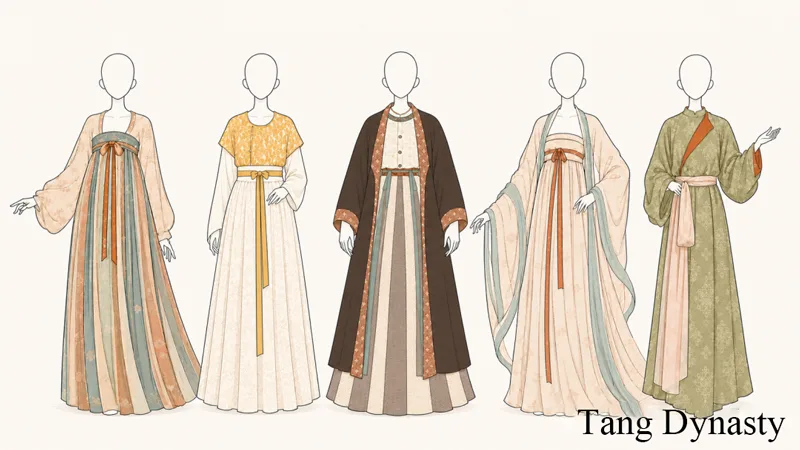
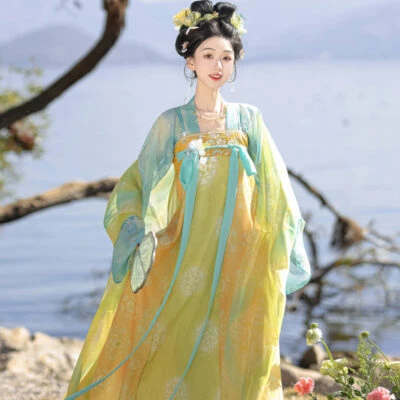
Tang-style outfits often lift the waist and open the silhouette. High-waisted skirts, light shawls, and roomy sleeves create a festive line. The effect is not subtle: it says you came out to be seen. That makes it popular for spring photos, lantern fairs, and trips.
Qixiong Ruqun (齐胸襦裙), a high-waisted dress with the skirt tied above the chest, is a famous choice. It can look light and lively. Yet a weak fit may slip, and a very wide hem can make stairs annoying. Try walking and turning before you buy.
For a first Tang look, skip the biggest sleeves. Choose a clean color, a stable waist, and a shawl that is not too heavy. If you want a slimmer line, keep the waist high but not tight. You still need to eat dinner.
Song: Easy Everyday
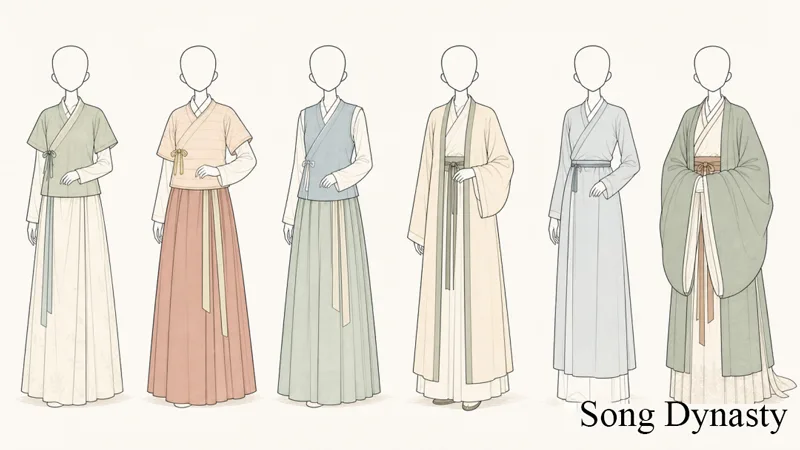
Song style is the easiest place for many beginners to begin. It does not shout for attention. A short top, straight trousers, a simple skirt, and a light outer layer can look calm and fresh. The charm comes from line and color, not piles of decoration.
Beizi (褙子), a long or short outer robe, is especially friendly. It works like a cardigan with a traditional cut. Wear it over a plain top, a dress, or a simple set. Low-saturation shades such as off-white, pale green, tea brown, and moon blue suit it well.
Petite wearers can try a short Beizi with a higher waist. The proportion may surprise you. Check fabric: too thin, too shiny, or too soft can look messy in real light. A little structure helps. Tea shops, galleries, and parks are fair places to wear it.
Ming: Neat and Strong
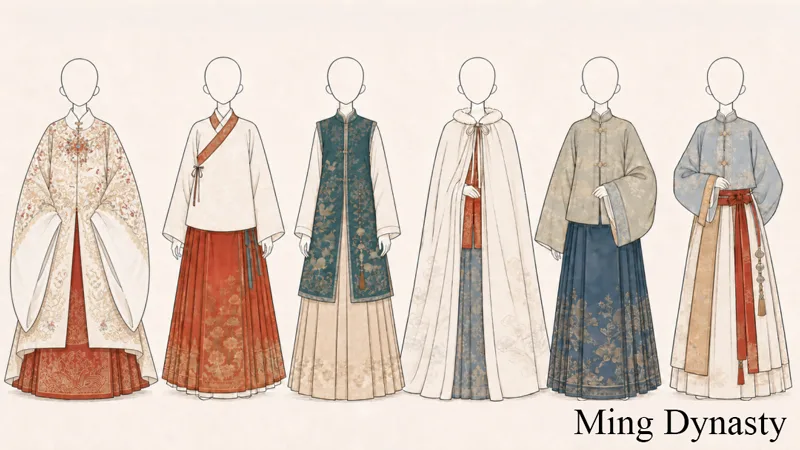
Ming style has a steady, upright feel. Long robes, stand collars, sleeveless layers, and pleated skirts create a composed outline. It can look formal without feeling fragile. That balance draws many people in.
Mamian Qun (马面裙), a pleated skirt with flat panels, is the star. It pairs with shirts, knitwear, short jackets, and even office basics. The skirt does not demand a full costume. Check length and pleats: too long drags, too short loses shape, and messy folds weaken the line.
For a first purchase, pick a solid color or a low-key woven pattern. Save huge floral or dragon designs for later, unless you know how to style them. A simple skirt lets you test the look without feeling dressed by the clothes. It is also easy to keep wearing after photos.
How to Choose First
Ask where you will wear it. For photos and a quick mood lift, Tang gives fast results. For weekends, cafes, and normal streets, Song feels light. For one useful item, Ming’s Mamian skirt is hard to beat. Your answer narrows the field faster than rules.
Color matters. A first set in moon white, pale green, mist blue, tea, or beige is safer than hot red or deep purple. Red can be lovely, but a beginner may tip from “bright” into “annual party host.” Check fabric: summer needs breathable cloth; winter needs weight.
Buy pieces you can split. A Mamian skirt with a shirt, a Beizi as a jacket, or Song trousers with a simple top will earn more wear. You do not need to name every cut. Choose one set you like, can walk in, and will not spend all day adjusting.