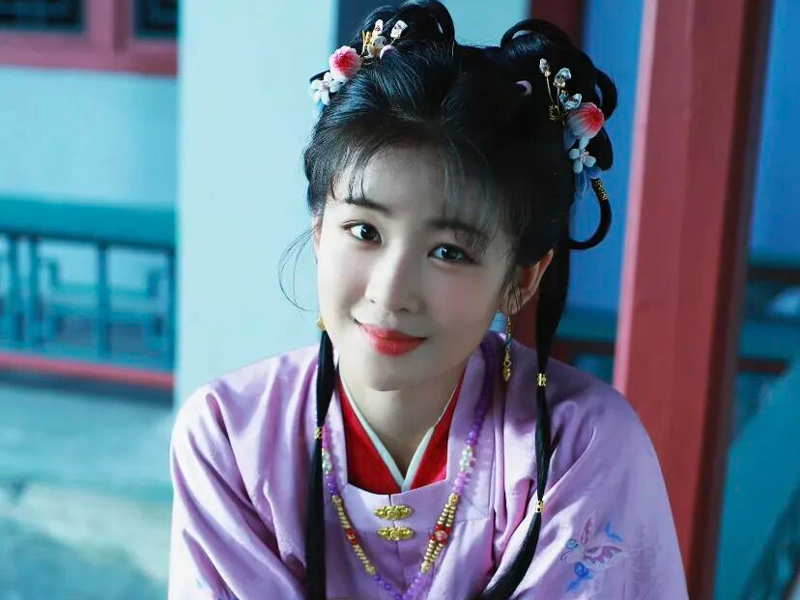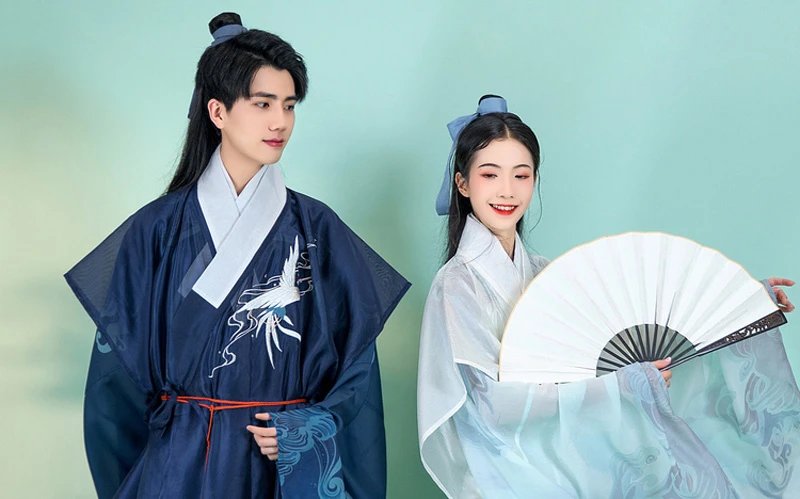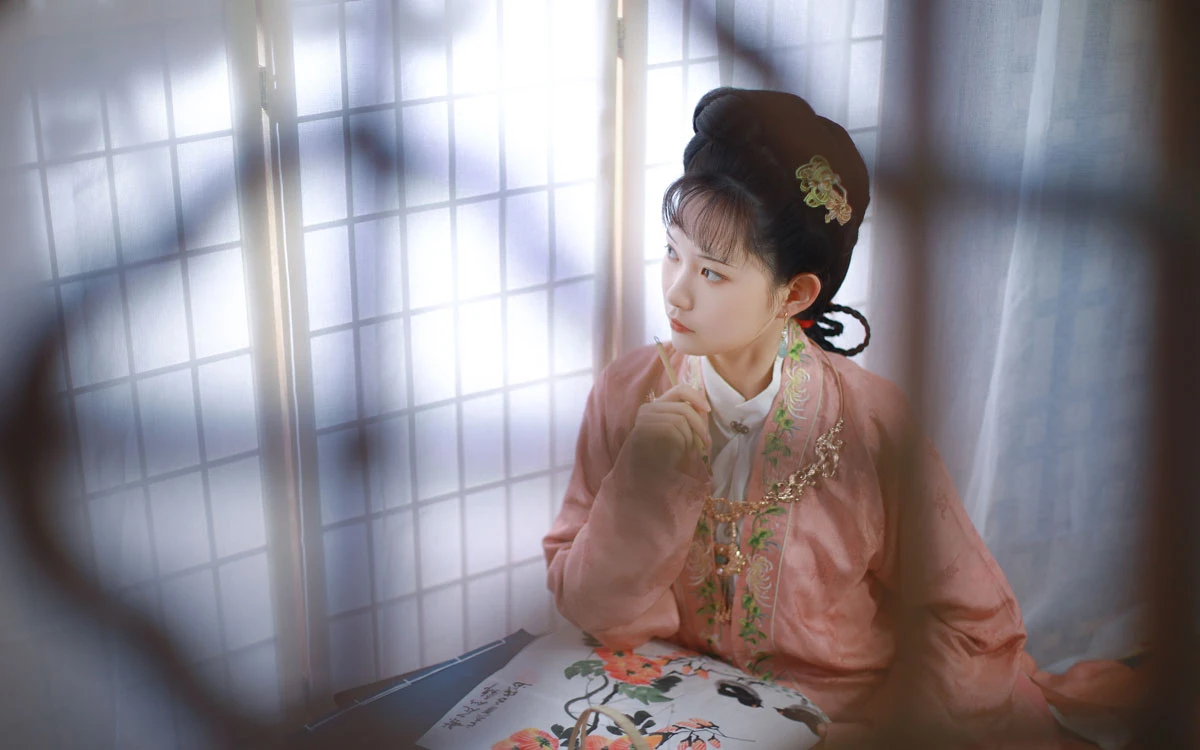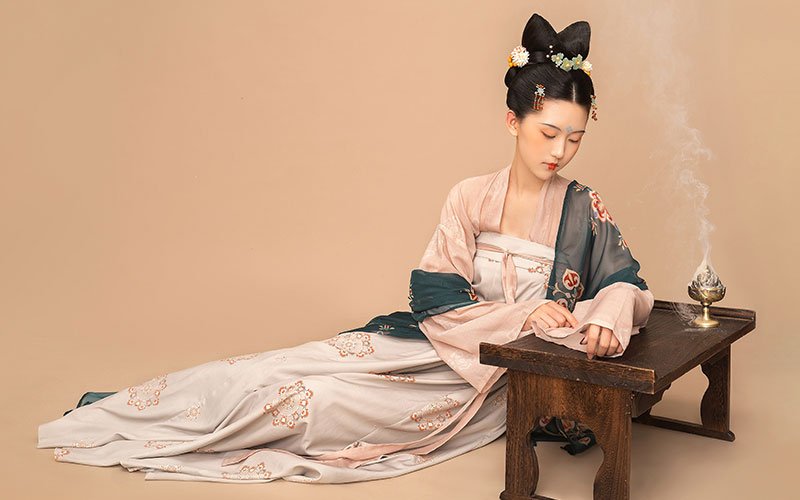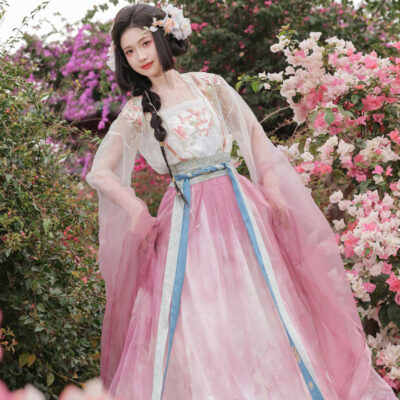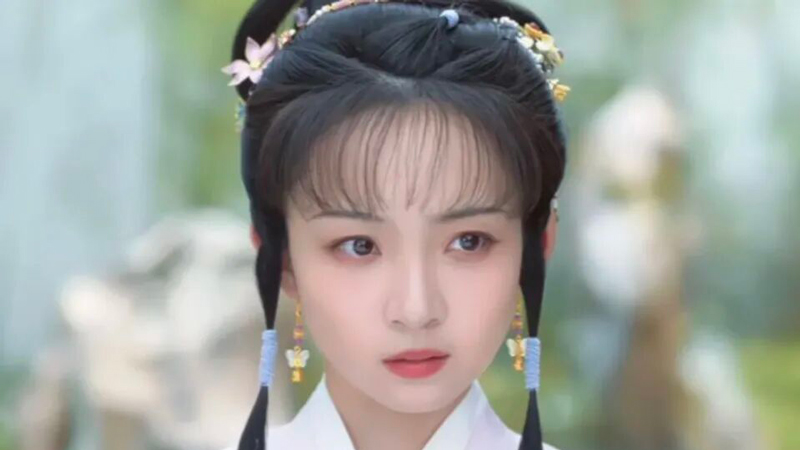
In old China, a girl’s hair worked like a clock. Before she reached marriageable age, she rarely pinned it into a full bun. Instead, her hair hung loose in two small braids, one braid, or little tied tufts. This style had a name: hanging locks. It did not mean she was careless. It marked her as young, unmarried, and still growing into adult rituals. Boys and girls both passed through stages of hair care, but girls’ styles became a public signal. A braid said: not yet an adult. A bun said: adult duties and marriage talks may begin.
Costume dramas often use these looks for beauty, yet the original meaning was practical and strict. Hair announced age before anyone spoke. In Against the Current (兰香如故) and Dream of the Red Chamber (红楼梦), viewers can spot this code at once. A hairstyle was not only beauty; it was a public label.
Braids Before Marriage
Braids also differed by class and age. A farmer’s daughter might wear a simple braid because it stayed tidy during work. A wealthy girl might add ribbons, beads, or small side locks, but the basic message stayed the same. She had not yet entered the adult hair code. In some periods, girls parted hair into two sides; in others, they tied a single tail. Boys could have shaved patches or small knots. None of this was pure decoration. Each choice helped a village, a household, or a servant read who belonged where. When a girl finally pinned her hair, neighbors noticed. The change was small in shape but large in meaning. It told everyone that childhood had ended and adult expectations had begun.
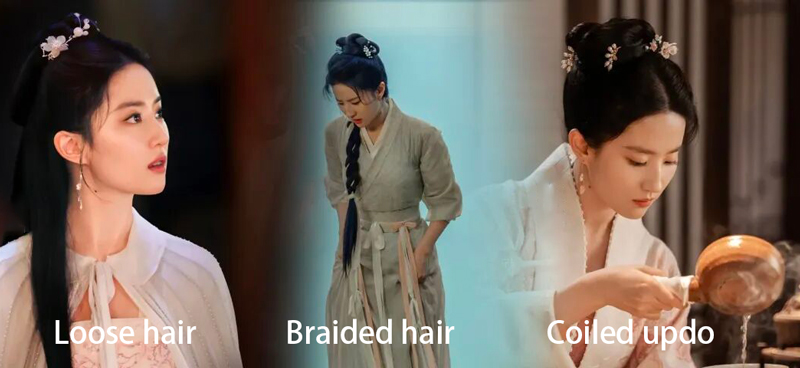
The turning point came with coming-of-age ceremonies. A girl around fifteen or sixteen received the hair-pinning rite, also called the above-head rite. A boy near twenty received the capping rite. Families with means held formal events; ordinary families told relatives and neighbors that their child had grown up. After the rite, hair was gathered and pinned. This did not automatically mean wedding bells. It meant the person had entered adult society and could be discussed as a marriage partner. In other words, the bun was an announcement, not a contract. Many adults stayed unmarried for years, yet they still wore neat pinned hair in public. Leaving hair loose after adulthood broke basic manners, not just fashion. A family might also use the ceremony to invite matchmakers, but the choice to marry remained separate.
So why do brides often have buns in dramas? Marriage and adulthood were linked, but not identical. Law and custom expected marriage after adulthood. Since adult women pinned their hair, a married woman’s bun looked natural on screen. Still, an adult unmarried woman could wear a bun too. A girl’s braids belonged to childhood and the years before the rite. A married woman’s bun belonged to adult responsibility. Between those stages, there was overlap. A poor family might simplify the ceremony; a wealthy one might make it grand. The hair still carried the same message: the body had crossed a line. That line was social, ritual, and deeply visual. It helped strangers read a person’s place without a document.
Adult Hair Rules
Hair was not a small detail in traditional dress. In Confucian thought, the head held the highest rank in personal appearance. Neat hair showed respect for family, guests, and ancestors. Men used caps or cloth to bind their hair; women used hairpins and combs. An adult with loose, unmanaged hair could be compared to a “barbarian” outsider. This sounds harsh today, but the rule was about order. Children could wear loose hair because their short hair was hard to tie. Once hair grew long enough, adults tied it up, often in small sections. Those cute little knots on ancient children were not random. They kept hair off the face and followed the rule against loose adult hair. Even a simple ribbon could become a quiet sign of discipline.
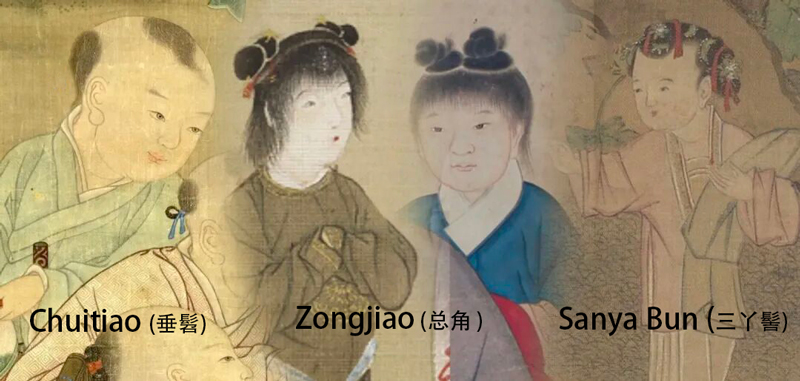
Costume dramas often blur these signals. Modern beauty standards call a full traditional bun “old-fashioned,” so actors may wear half-loose hair, tiny braids, or flowing locks before marriage. Some characters marry without any visible coming-of-age change. That confuses viewers who know the old rules. In Shang and Zhou times, braiding could mark children or foreign groups. In Qin and Han times, a small bun at the end of the hair could signal adulthood. Loose hair, or a bun mixed with loose hair, usually pointed to a young girl on screen. These choices are aesthetic, but they are not always historical. A careful drama can use hair to show growth, status, and family expectations without saying a word. The next scene may reveal a wedding, but the hair should have told you first.
Next time you watch a costume drama, read the hair like a clue. Is the character wearing small braids, a half-bun, or a clean pinned style? Does the change happen after a rite, a betrothal, or a wedding? In Against the Current, and even in Dream of the Red Chamber, hair helps set age and rank. A braid can mean innocence, but it can also mean dependence. A bun can mean maturity, but it can also mean duty. The rules behind these looks lasted for centuries because they made social life readable. They were the quiet grammar of the body. Which style do you prefer: the freedom of youth or the dignity of adulthood? And whose hair in Against the Current catches your eye most?