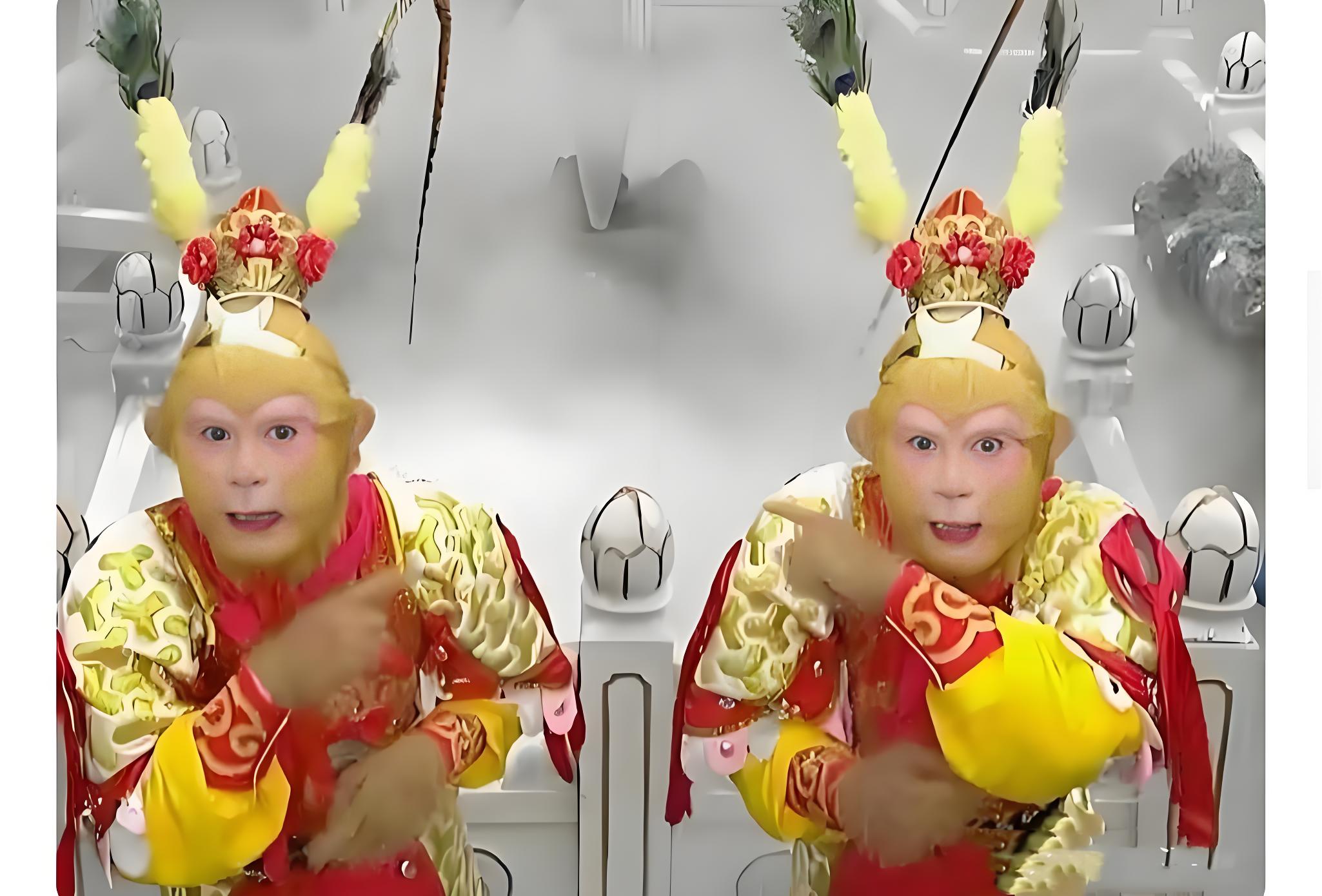
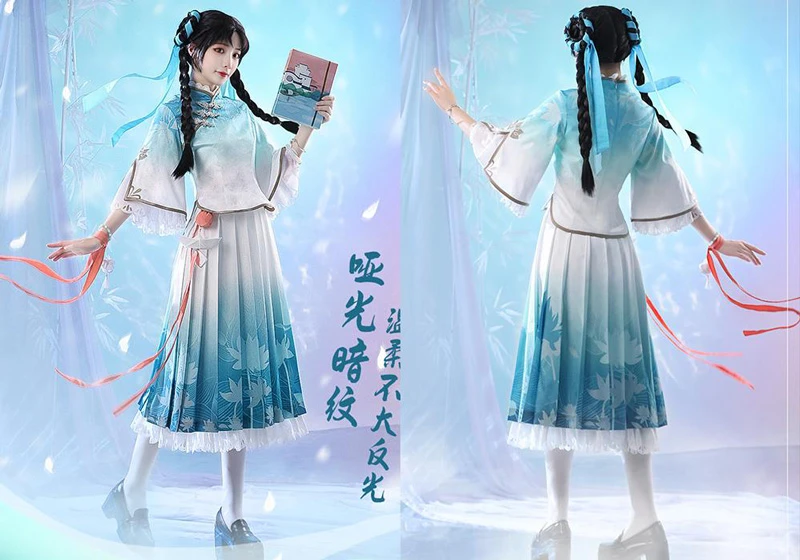
Chinese culture is travelling overseas less as a symbol and more as content people choose to watch, read and play. CCTV News reported on October 4 that Chinese titles and Chinese-made entertainment are reaching foreign audiences across a widening range of formats that includes serialized fiction, console games and short-form drama.
The numbers it cited are large. Overseas readers of Chinese web literature now number about 352 million, and the domestic action game Black Myth: Wukong has passed 30 million copies sold worldwide, a record for a single-player title developed in China.
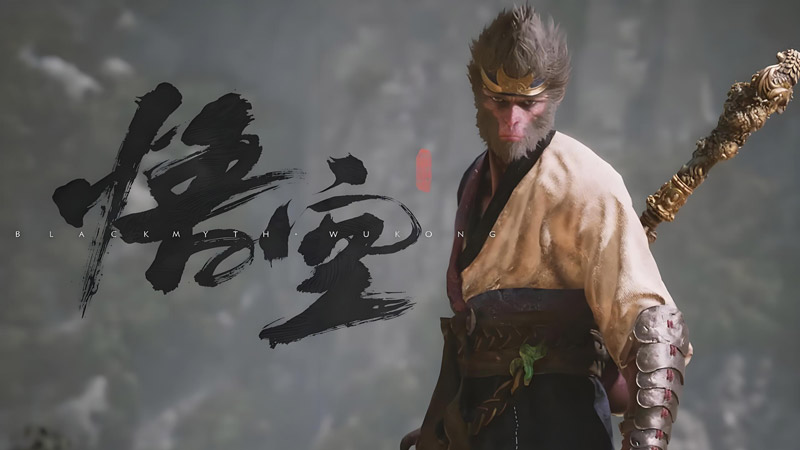
A Milestone for Chinese Games
Black Myth: Wukong is the clearest signal. Built in China as a premium, big-budget title and rooted in Eastern myth, it has sold more than 30 million copies since launch, the highest total any Chinese single-player game has reached. The figure matters beyond one studio’s balance sheet: it suggests that a game with a Chinese cultural core can clear the taste barriers between regions and reach players across age groups, rather than appealing only to a niche at home.
For an industry long associated with mobile titles and free-to-play design, a premium game carrying folklore and classical imagery is a new kind of export. It competes on production value and world-building, not on price, and it gives foreign players a reason to meet the mythology on its own terms.
Readers Who Translate on Their Own
Web literature tells a similar story with fewer marketing dollars. Works drawing on traditional myth and martial-arts fiction have drawn overseas readers into fan translation communities that grew on their own, without an official push. Those readers follow new chapters with the same appetite as audiences at home, one of the reasons the overseas readership has climbed past 350 million.
Micro-dramas are the newest format to cross over. Apps built around the short, vertical episodes have passed 1.21 billion downloads overseas and their user base is still expanding quickly. The format is cheap to make and easy to sample, which has let it find viewers in markets where longer Chinese series struggle to break in.
Why Originals Are Replacing Dubs
How the content is made is changing too. In the first half of 2026, so-called native dramas, productions commissioned, shot and tailored for audiences abroad, rose to 46 percent of overseas output from 27 percent a year earlier. Rather than translating a finished show, studios now develop the story inside the target market’s own cultural context and viewing habits.
The shift moves the industry past simple dubbed export toward local production. A series written for a specific audience travels differently from one retrofitted after the fact, and the rising share of originals suggests producers have concluded that local voices and local settings sell better than a translated package.
Where the Momentum Comes From
People in the sector say the surge is not simply a low-price play to buy market share. It rests, they argue, on the actual quality of the content and on the cultural features that set it apart, and that internal pull is what will let more Chinese products hold a place in overseas markets over time. Chinese culture, the report concluded, no longer reads as a distant abstraction removed from daily life; it reaches global audiences through formats built for how those audiences already spend their free time.