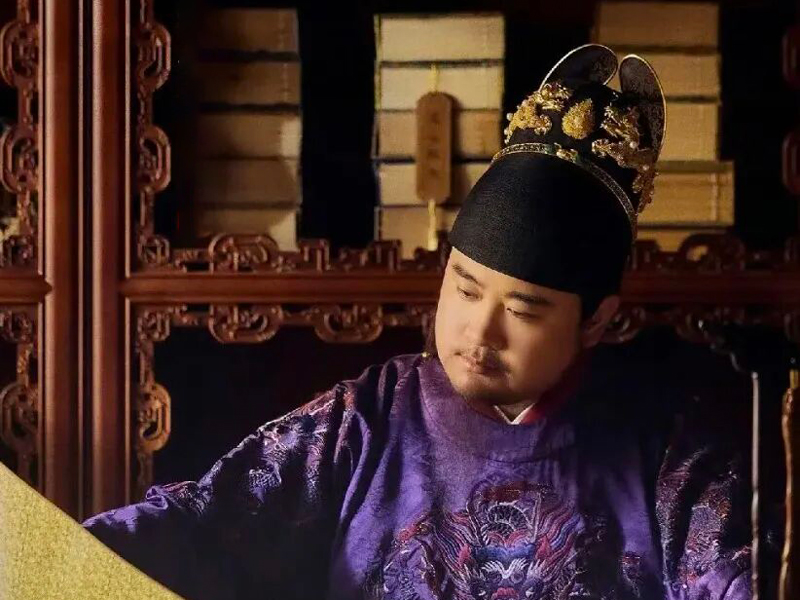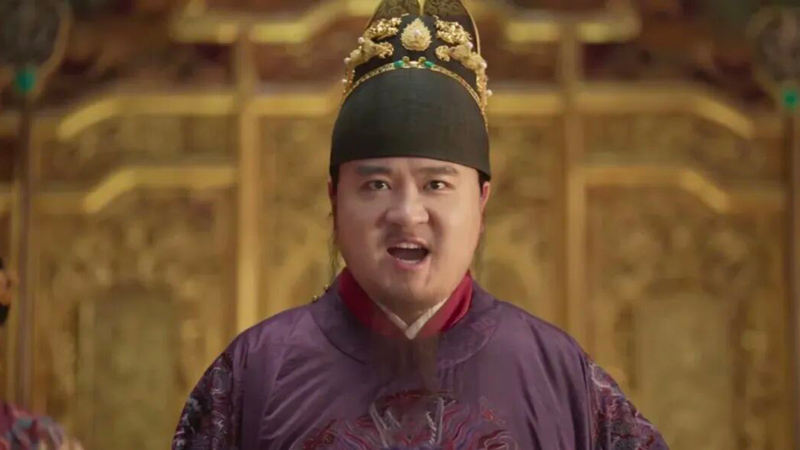
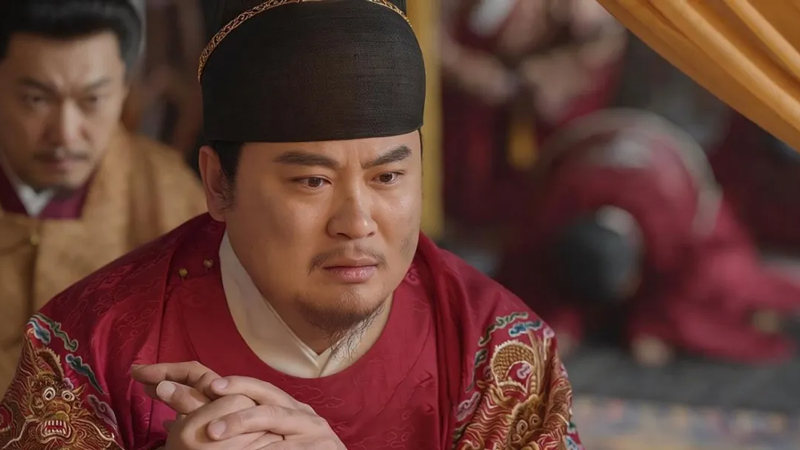
In Against the Current (兰香如故), Kong Lianshun (孔连顺) plays the emperor, who attends court in a purple robe. For viewers steeped in period dramas, something feels off. Emperors wear yellow. Or red. Purple is for someone else. So why does this on-screen ruler break the rule, and does history back him up?
The short answer: no. In formal Ming court sessions, an emperor almost never wore purple. Yet the longer answer involves a faded robe, a frugal emperor, and a television production that chose visual impact over strict historical accuracy.
A Very Rigid Dress Code
The Ming dynasty ran one of the most tightly regulated dress systems in Chinese history. Colors, patterns, and fabrics were assigned by rank and occasion. For the emperor, formal court dress came down to two dominant colors: red and yellow. Yellow dragon robes signaled supreme authority and appeared at major ceremonies, sacrifices, and festivals. Red served as the standard color for daily court sessions and administrative work, projecting gravity and formality. Purple never made the list. In the official ritual codes, it was classified as an “intermediate color”—a blend, not one of the five orthodox hues: blue, red, yellow, white, and black. An intermediate color could not replace an orthodox one in the most solemn contexts.
That said, purple was not a lowly color in Ming society. It carried prestige—just not for the emperor on the throne. High-ranking officials and imperial relatives wore it, a legacy from the Tang and Song dynasties when purple robes marked the highest civil service grades.In the Ming, purple remained a mark of elite status among nobles and senior ministers, but it belonged to subjects, not the sovereign.
The Wanli Exception
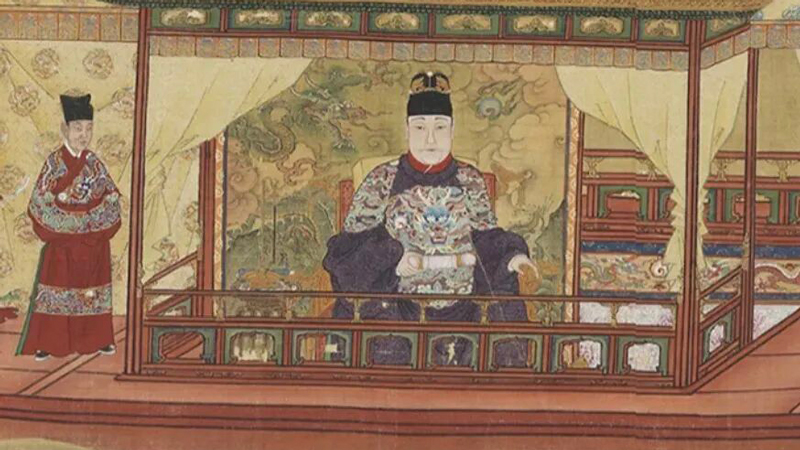
History does offer one famous exception: the Wanli Emperor (万历帝). He genuinely liked purple and wore it often—though never for formal court audiences. The Veritable Records of the Ming (明实录) contains a telling anecdote. During a lecture session at the Wenhua Hall (文华殿), Wanli showed his robe to his ministers and asked what color they thought it was. His chief minister guessed blue. Wanli corrected him: purple. The robe had faded from repeated washing. The minister seized the moment to praise imperial frugality and urge restraint in spending.
The painting Departure and Return (出警入跸图) also shows Wanli in a purple dragon robe during an imperial tomb visit. But the key detail is context: lectures and tomb journeys were semi-formal or ceremonial outings, not the throne room. Even Wanli, fond of purple as he was, kept it out of the grand court assemblies and sacrificial rites. Purple was his leisure wear, not his working uniform.
Television Prefers Drama
By the late Ming, especially under the Jiajing and Wanli reigns, the once-strict dress code had loosened considerably. Sumptuary rules were harder to enforce, and violations became common across society.Still, for an emperor described as diligent and conscientious—as Kong Lianshun’s character is in the drama—openly flouting court ritual would be out of character. The purple robe on screen is best understood as artistic license. Purple reads as regal on camera. It stands out against the usual sea of yellow and red. It gives the emperor a distinct visual identity.
And maybe that is the real point. Historical dramas are not documentaries. They compress, amplify, and recolor to tell a story. The purple robe is not a historical error so much as a visual choice—one that happens to collide with a very old, very specific set of rules. Whether that collision bothers you depends on what you watch for: the past as it was, or the past as it looks good on screen.