A silk robe can hide a modern spine. A perfect wig can frame a modern face. Yet the moment an actor crosses a courtyard in a costume drama, something often feels wrong. The props are old, the lines are formal, the camera is patient, but the walk betrays the century. The problem is not beauty or tailoring. It is gait. In Chinese performance training, the old remedy is the square-step gait. It looks plain, almost slow, but it separates a person wearing ancient clothes from a person who seems to belong in an ancient room. The step is small, the body is upright, and the mind appears calm. Why is such a simple act so hard to fake?
The Real Step
The square-step gait is not an outward toe stance, a tiny shuffle, or a dragged slow motion. It is a way of moving with a calm center: the path stays even, the shoulders stay level, and the weight lands under the body instead of shooting forward. Modern walking often pushes the chest ahead, swings the arms freely, lifts the feet high, and lands fast. It carries hurry. Ancient walking, even at speed, keeps a stable core. The body may move, but it does not wobble. This steadiness is not stiffness. It is control that lets the actor look settled inside the scene.
Etiquette made this visible. A gentleman, a scholar, an official, or a young woman from a respectable household all had rules. The upper body stayed straight and open, without shoulder rolling, waist twisting, or a sunken chest. The waist and abdomen held firm. Steps were smaller, rhythm was even, the lift was light, and the landing was sure. Men were expected to move with breadth and dignity. Women moved with restraint and grace, their steps quiet and their posture calm. These differences were not decorative. They told viewers who a person was before a single line was spoken.
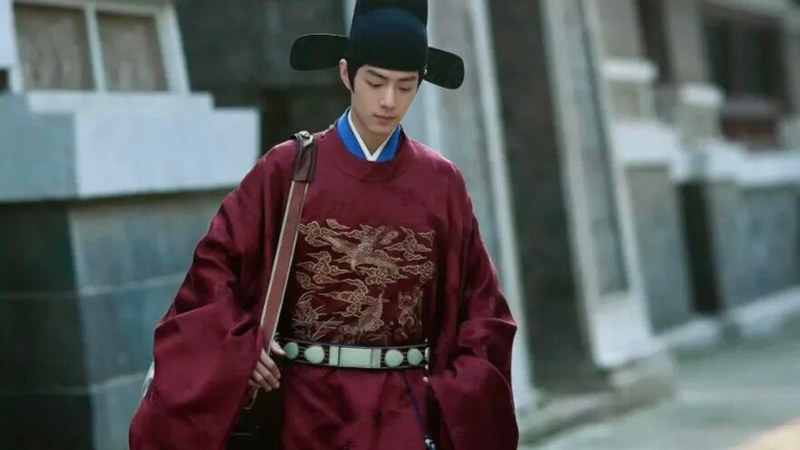
The Book of Rites: Yuzao (礼记·玉藻) records old noble rules: a ruler walked with “joined steps,” a senior official with “continuing steps,” and a scholar with “middle steps,” meaning different gaps between the feet. These rules came from a later editor’s memory of earlier practice, so they are not a perfect film manual. Still, they show one idea clearly: pace was not private taste. It was rank, training, and self-control written on the ground.
Actors often fail in small details. They rush as if late for a train. They let their shoulders pitch and their arms fly. They try a delicate shuffle and become stiff, petty, and false. The square-step gait is not about looking theatrical. It is about making the body obey an older logic. The spirit sits in the stride. “Stand like a pine, walk like wind” does not mean sprinting. It means a clear, unhurried current. When the feet are noisy, the character feels modern even in a palace hall.
Body and Rank
This is why experienced actors can seem right even in silence. They pass a corridor, climb a step, or pause by a screen, and the audience believes them. Younger stars may wear richer embroidery, but one wide modern stride breaks the spell. The clothes become a rental. The room becomes a set. The viewer stops believing the story. A good walk does not ask for attention. It removes doubt.
Walk also carries status. In older ethics, a restless, tilted, noisy gait suggested an unsettled mind and poor upbringing. A square, steady, composed walk suggested a person who had trained the self and respected ceremony. The phrase “a belly full of poetry gives a radiant air” was never about powder or fabric. It was about daily habits: how one stood, spoke, bowed, and moved. Costume can copy surface style, but gait exposes deeper training.
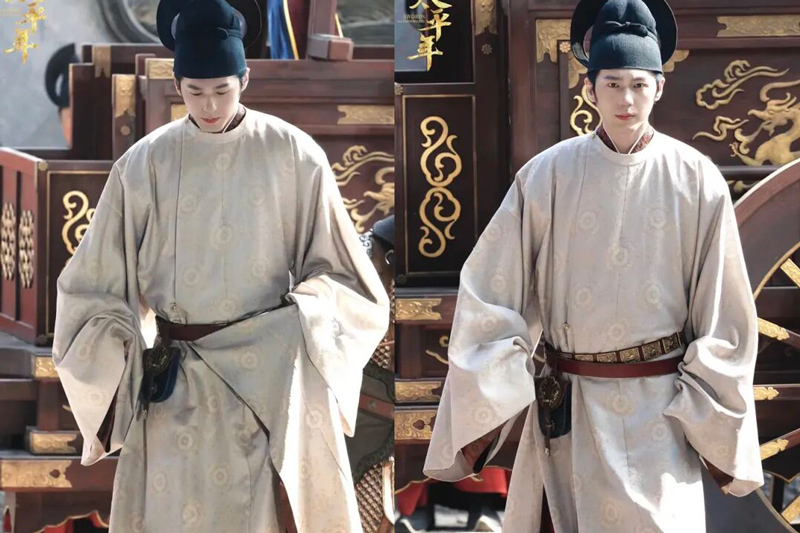
Modern life leaves marks. Long sitting, bent backs, forward-leaning weight, and rushed errands teach the body a different rhythm. A costume cannot erase that rhythm. Training in Chinese opera helps actors unlearn it. The point is not to copy stage exaggeration, but to rebuild balance, control, and presence. The old walk returns not as nostalgia, but as a physical language. It changes how an actor occupies space, how others react, and how the camera reads authority or gentleness.
So the warning has teeth: if you cannot walk well, do not play ancient roles. The square-step gait is the base coat. When the step is steady and the posture true, the old atmosphere appears without effort. When the step is crooked and the face is restless, no expensive set can save the illusion. Whose walk on screen makes you believe the past is real?