Imagine tapping a phone, booking a car, and reaching a city hundreds of kilometers away before lunch. Now imagine the same trip without maps, police, refunds, or roadside help. In early China, leaving home was not a casual choice. It meant paperwork, danger, money, and luck. A traveler needed official permission, a reason, supplies, and prayers. The road could offer mud, tigers, thieves, and empty pockets. The empire watched who moved and why. Most people died within a short walk of their birthplace. They did not lack curiosity. Travel was simply a gamble with terrible odds.
Papers First
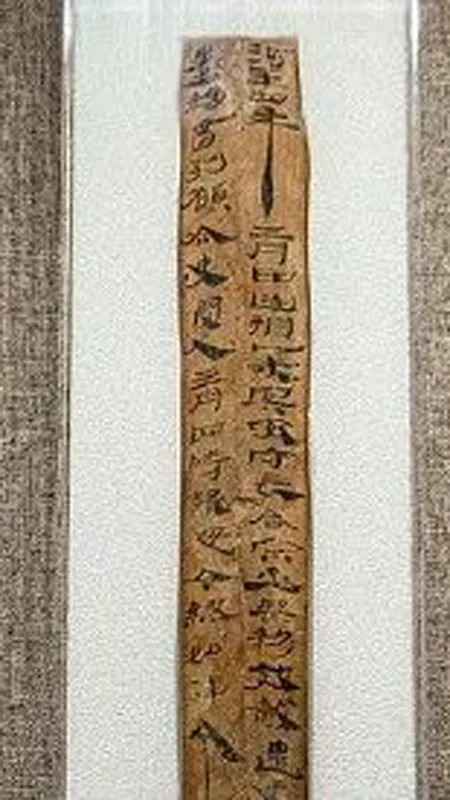
The state controlled movement. The Qin dynasty required a tally called a jie (节). No pass, no travel. Under the Han dynasty, the permit became a wooden zhuan (传). It listed the issue date, official, holder’s name, and crossing reason. Guards checked name, age, hometown, skin tone, even horses and carts. A mismatch could stop you.
Later, the Tang dynasty used a guosuo (过所). Crossing a checkpoint illegally meant one year in prison. The Ming dynasty and Qing dynasty used a luyin (路引). The Great Ming Code (大明律) said soldiers or civilians traveling more than 100 li without a permit faced punishment: at least 80 strokes. Sneaking abroad could bring death. Permits expired, and renewing them could cost days.
Getting papers was not easy. You needed a legitimate reason, local guarantors, stamps, and patience. Merchants, officials, and exam candidates had better chances. Farmers, women, and the poor often did not. A journey began in an office, not on a road. Freedom of movement was not a right. It was a privilege granted by clerks.
Perils on Route
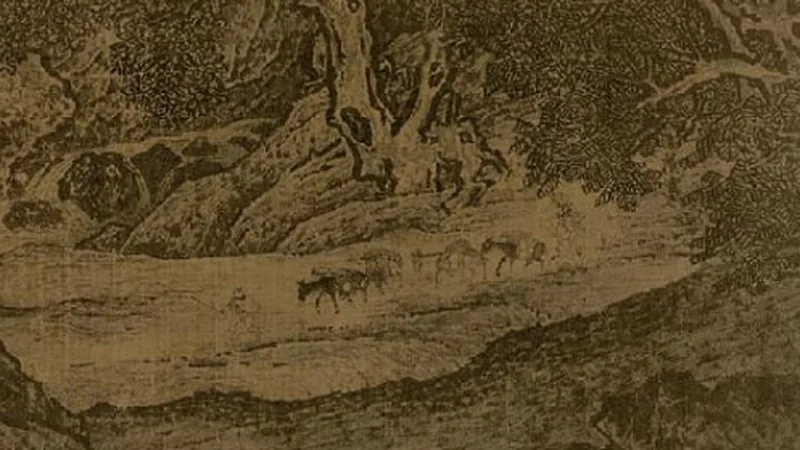
Even with papers, roads were cruel. Fan Chengda (范成大) described Jiangxi mud as thick as oil, making every step torture. The main road between Chang’an and Luoyang could jam in winter. On Mianchi Road (渑池道), snow trapped thousands of carts, unable to move forward or back. Bridges were few; fords could flood.
Animals added teeth. In Tang times, tigers roamed Shanxi, Henan, and Sichuan. “Avoid tigers in the morning” was practical advice, not poetry. South China tigers killed many travelers in Jiangnan and Huainan (淮南). The court itself worried.
People were worse. Yuan Code (元典章) recorded over 100,000 boat households in the Jianghuai (江淮) region forming gangs. They welcomed passengers, then robbed and killed them. Xu Xiake (徐霞客), a famous Ming traveler, was robbed three times. On the Xiang River (湘江), pirates stormed his boat at night with torches and swords. He lost everything. Later his servant ran off with his remaining money and clothes. Even a professional wanderer could be left stranded thousands of miles from home.
Months and Money
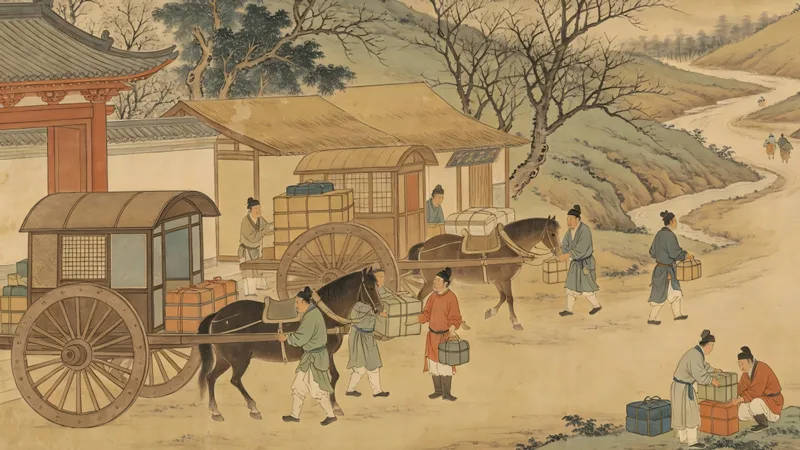
Speed was painful. Tang rules set horse travel at 70 li (里) a day, about 35 kilometers. A donkey managed 50 li; a cart 30; a walker about 50. A modern half-hour drive could mean a full day in the saddle. Under the Kangxi Emperor (康熙), official Huang Shujing (黄叔璥) left Beijing for Fujian. He used the Grand Canal, the Xianxia Ancient Road (仙霞古道), and the Min River (闽江). The trip took nearly two months. There was no Spring Festival rush. The new year ended before you reached home. Returning added the same ordeal again.
Costs emptied purses. Tang records: a cart carrying 1,000 jin (斤) for 100 li cost 900 wen; a pack animal carrying 100 jin for 100 li cost 100 wen. The route between Chang’an and Fuzhou (福州) ran roughly 5,000 li, so 100 jin of luggage meant 5,000 wen in transport. Rice cost about 10 wen (文) per dou (斗), about 12 jin. So 5,000 wen could buy 6,000 jin of rice. A 300-kilometer cart trip might feel like spending 2,000 modern yuan. Boats were cheaper, maybe 300 to 500, but poor families barely earned that in a year.
Poor students walked for months, eating coarse food. They arrived at exams half-dead. Packing was another burden. Zhuangzi: Free and Easy Wandering (庄子·逍遥游) said a 100-li trip needed overnight grain; a 1,000-li trip needed three months of food. Lists included dried food, rice, flour, cured meat, salt, tea, cookware, bowls, clothes, rain capes, medicine, and even a chamber pot.
Before leaving, people asked the spirits. Shang dynasty diviners burned turtle shells and read cracks. Han travelers sacrificed to the road god and held farewell feasts. I Ching (周易) contains a “Travel” hexagram for judging fortune. Months of preparation, dozens of jin on your back, and a fortune-teller’s nod: this was not a holiday. It was a campaign. No wonder most people never left their home region. The next time a train is late, remember the traveler on a muddy road a thousand years ago. Your delay was his miracle.