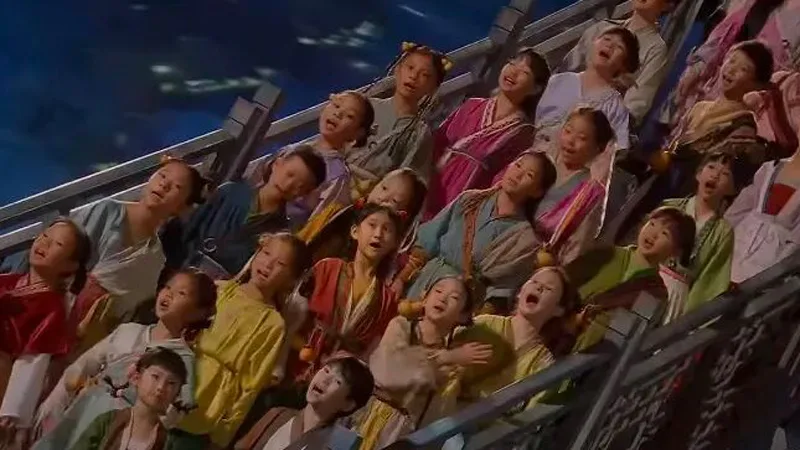
When children walked onto the stage of the CCTV Mid-Autumn Festival Gala wearing plain, unadorned Hanfu, the internet lit up. Some viewers questioned whether such simple attire belonged on such a grand stage. Others felt it captured something rare: the pure, unspoiled spirit of Chinese childhood. This moment sparked a larger conversation about what ancient commoners actually wore—and why our assumptions are often wrong.
Stage and Reality
The costumes on that stage were not strict historical reproductions. Designers added lace trim, adjusted necklines, and refined silhouettes for theatrical effect. Yet the core elements remained: cross-collar right-lapel closure, front-buttoned jackets, and skirt-and-blouse combinations. These features point to real Hanfu traditions, even if the stage version softened them for modern eyes.
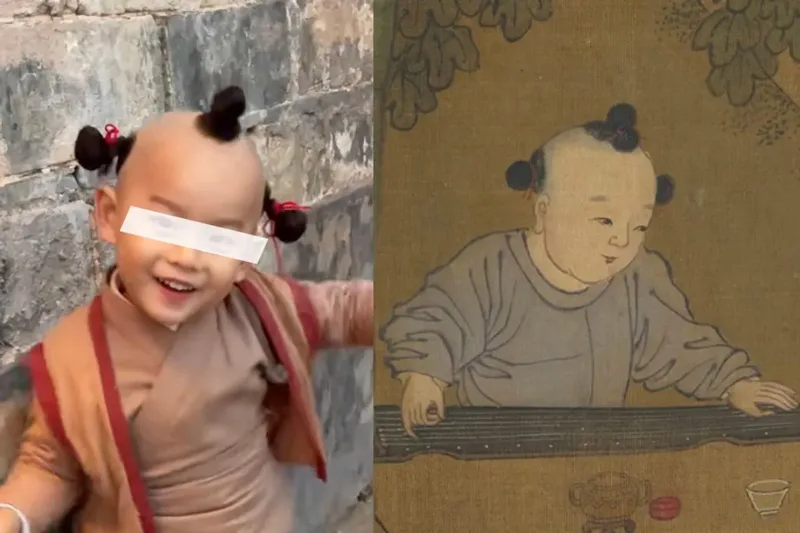
Many people assume ancient commoners wore only coarse hemp and rough cotton year-round. Television dramas reinforce this image: peasants in drab, shapeless clothing, regardless of season or occasion. But this is a lazy stereotype. Daily work clothes were indeed plain and durable—yet they were not the only clothes people owned. For festivals, weddings, birthdays, and ancestral rites, even modest families prepared clean, well-made garments.
The logic behind ancient dress was never about fixed class markers alone. It followed a simpler rule: match the outfit to the occasion. Work demanded toughness. Celebration demanded respect. A child at the Mid-Autumn Festival was not dressed for the fields—he or she was dressed for the moon, for family, for joy.
What Kids Wore
For boys in ordinary households, everyday wear meant short shirts, straight robes, or small long gowns. During harvest help or errands, a short cross-collar cloth top kept them mobile. On Mid-Autumn night, they changed into slightly decorated cross-collar tops or small long gowns. The fabric was softer, the cut looser, and the color cleaner—echoing the pale moonlight.
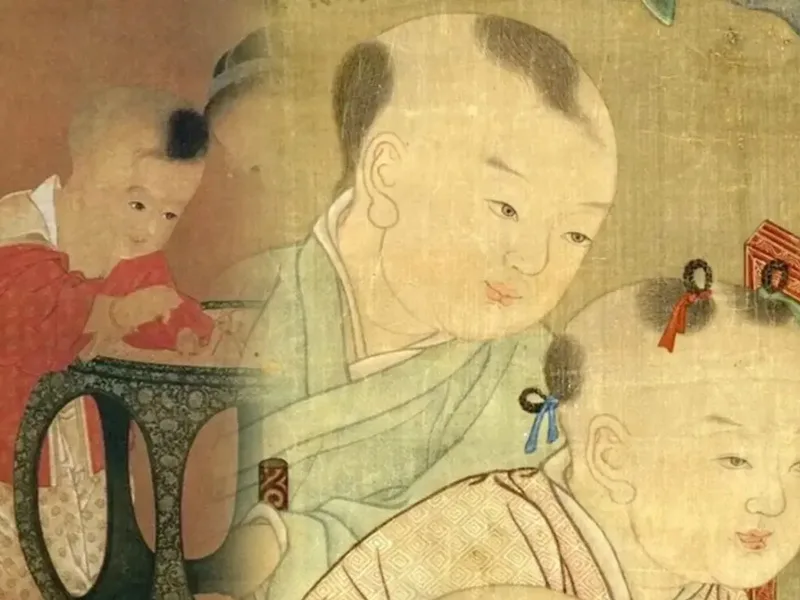
Some mothers, if means allowed, stitched tiny orchids or crescent moons along collars and hems. These were not flashy. They were quiet wishes: peace every year, safety under the full moon. The clothes let children move freely while still looking neat and respectful. No stiff adult robes. No miniature versions of grown-up formal wear.
Girls wore cross-collar short jackets or front-buttoned tops paired with pleated skirts. This combination appears repeatedly in classical paintings. Colors leaned toward soft pink, pale green, and duck yellow. Fabrics were light and breathable for autumn evenings. Skirts fell to a practical length—short enough to run, long enough to bow to the moon.
Embroidery stayed minimal: small flowers, crescent shapes, leaf patterns. Nothing heavy or ornate. The effect was fresh, gentle, and quietly elegant. A girl could chase lanterns one moment and kneel in respect the next. That balance—lively yet composed—defined the best of ancient children’s holiday wear.
Modern Echoes
We admire elaborate Hanfu gowns today because life is comfortable enough to afford beauty. Ancient people felt the same pull. They simply expressed it within their means. Rough cloth was for labor. Soft cloth was for living. The difference between noble and commoner dress lay mostly in color, fabric quality, accessories, and detail work—not in basic shape. Only specific large-sleeved ceremonial robes were reserved for aristocrats.
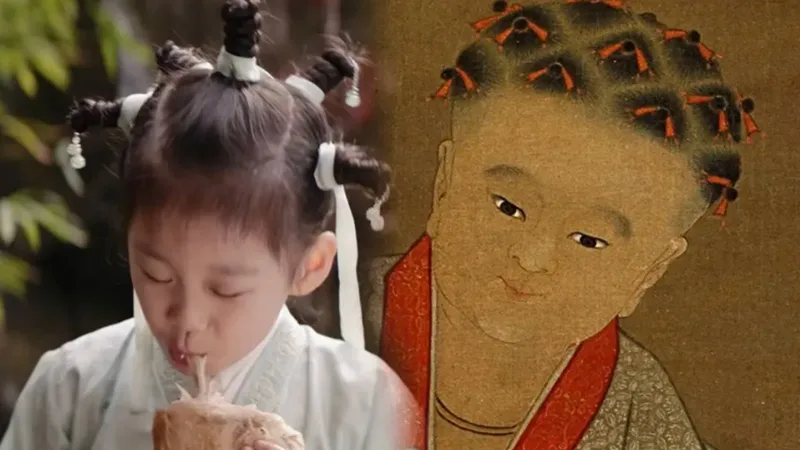
Today, Hanfu has moved from niche interest to everyday option. More period dramas now dress child characters properly—with children’s hairstyles and children’s cuts, not shrunken adult costumes. This shift matters. It corrects a long-standing visual lie. It also gives young viewers a truer sense of their own history.
A small set of Hanfu is never just clothing. It carries etiquette, memory, and a child’s first taste of tradition. We do not need to obsess over whether a style belonged to nobles or farmers. The better question is simpler: does it fit the moment, the body, and the life being lived? Sometimes a plain, clean Hanfu under a bright moon is the most beautiful national scene of all. What do you think?