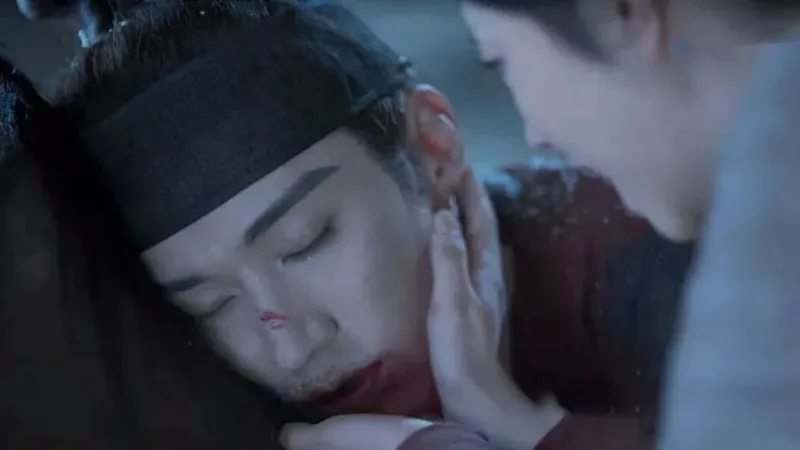
At the end of Against the Current, Lin Jinqi (林锦岐) leans against a bed, blood soaking his inner robe dark. Xu Lanxiang (许兰香) opens a makeup box, takes out a handwritten letter that could destroy the whole Lin household, and drops it into a brazier. Paper curls, blackens, turns to ash. She says nothing. He watches the flame and whispers that his debt to the Shen family is paid.
Viewers weep because love and guilt collide. A harder question remains: she was a wanted fugitive, a top-ranking noble daughter, then a maid in her former fiancé’s house for over ten years. When the Shen family was cleared and the emperor sought surviving members, why did she never step forward? The answer is not a passive accident. Her silence began as a planned partnership between people who understood the cost.
Fire And Silence
Lin Jinqi knew much earlier than the audience thinks. In the drama, he identifies her through handwriting, a birthmark, and half of the Hanshan Map (寒山图). Yet his first move is not to claim her. He gathers every object that proves Shen Jialan (沈嘉兰) lives, destroys it, and seals the mouths of those who know. A boy forced to break an engagement and marry another does not rush to make amends when he learns his first betrothed survived. He hides her instead. That choice says more than any love speech. He knows what exposure means for a convicted official’s daughter. He also knows what old engagement records could do to the Lin house if enemies reopen them. So he makes Shen Jialan vanish from the world, not because he forgets her, but because a living name would kill her.
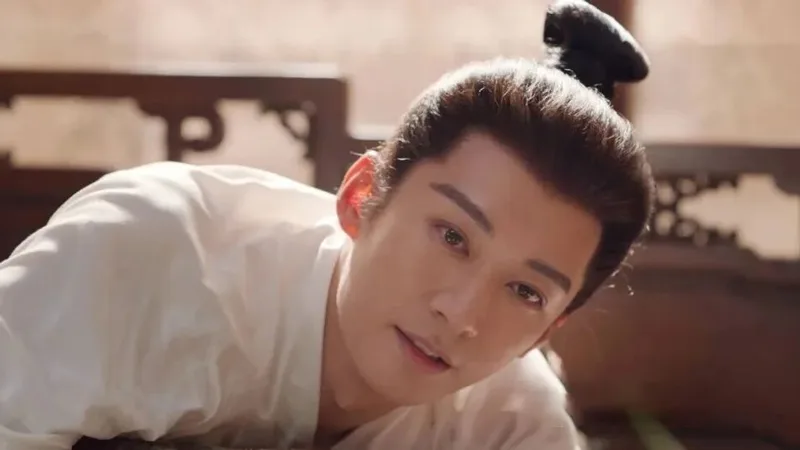
Xu does not want to be found either. In one scene, many viewers miss it, she stands in the overgrown courtyard of the old Shen house and says, “Father, mother, your unfilial daughter Jialan has returned.” This is the only time in the whole drama that she says the three words Shen Jialan, and she says them in an empty ruin. She does not lack a need for identity. She places that need where no one can hear it. Tan Songyun (谭松韵) once noted that during the snow-night kneeling scene, she played weakness with blank eyes and held breath. That restrained acting is Xu’s survival logic: the more pain she feels, the less others may see. A loud cry would invite questions. A tear could become evidence.
The third wall is the silence of the Lin elders. Slowly, they learn her real name. No one leaks it. No one demands a divorce or drives her out. Their reason is not pure sentiment. Xu dismantles the poison trap set by Du Cuique (杜翠雀). During the Han Prince (汉王) rebellion, she protects the granary and hundreds of lives. At the end, she burns the evidence that could brand the family as rebels. The Lin household owes her a life. That debt weighs more than the label “daughter of a criminal.” The elders are not waking to conscience. They are settling an account, and keeping quiet costs less than losing the woman who has already saved them. Silence, for them, is not kindness; it is bookkeeping.
A Shared Lie
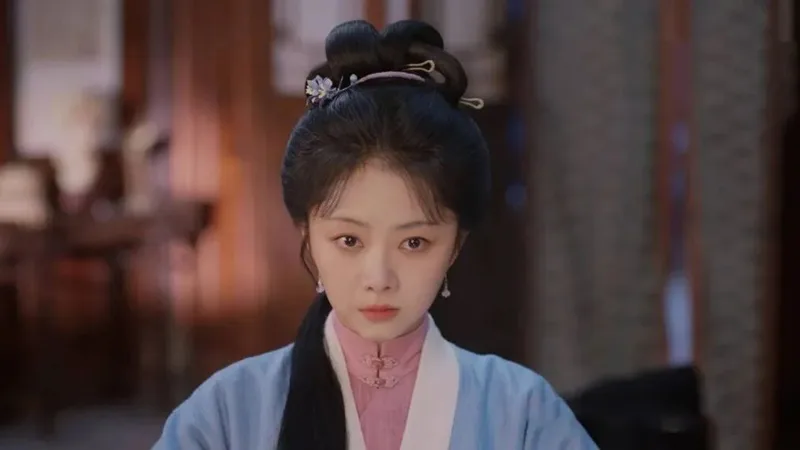
The wedding-day slap causes the loudest fight in the comments. Xu strikes Lin Jinqi in front of everyone. Many viewers pity him and call his punishment for marrying her unfair. Few notice what the slap answers. Lin trades six years of bloody border war for an imperial marriage order. He pulls a free woman—just out of slavery, just bought a small yard, just promised a spring walk with someone else—back inside the Lin walls. Her palm attacks the false idea that sacrifice earns gratitude. Still, this military-merit marriage gives her the safest identity available: she is Lin’s wife, not an outsider whose past must be investigated. The trap and the shield are made from the same edict.
Mr. Lu (陆先生) is the first to see her truth. He tells Xu to stop carrying the dead alone and says the Shen case should be closed. She refuses. The day the Shen injustice is redressed is also the day the Lin family’s old accounts may be opened. Lin Jinqi dies at fifty, his body hollowed by old wounds and exhaustion. Before leaving, he asks for a red rope from Yue Lao Temple (月老庙) and ties himself to Xu. He says his wife was called Shen Jialan when they were betrothed and Xu Lanxiang when she married him; the red thread binds one person. That line is the drama’s gentlest and cruelest reading of identity. The only public place where he can name both versions of her is a rope.
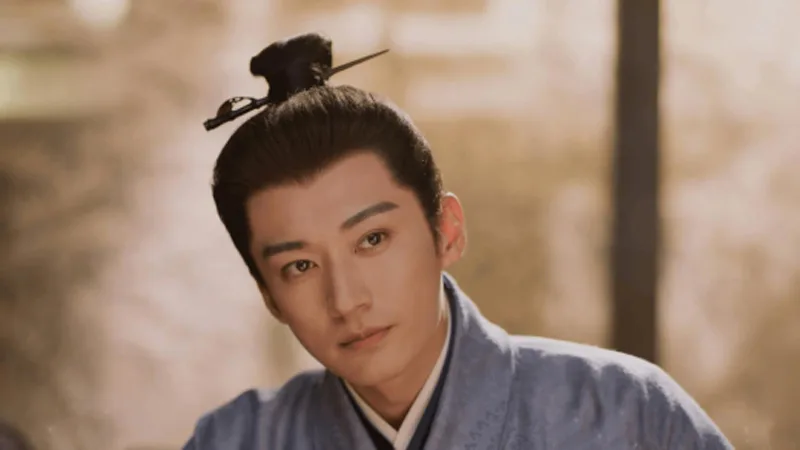
Xu later holds the Lin family together alone for more than thirty years. She lives to eighty-three, and the red thread is still in her hand when she dies. The family genealogy hides her with one small line. Outsiders never learn that the daughter of the Shen scholar became the Lin matriarch. She spends a lifetime proving one thing: survival costs silence, but that silence lets the people she guards keep living. Her hidden name is not a failure. It is the price she chose, and the lie everyone around her chose to keep. In the end, the fire she fed did not erase her. It protected the only version of her that could stay. The audience finally understands why the reveal never came: a public name would have become a public sword.