Dianjiang county opened its stone-milled tofu food festival on 24 October 2026 at the county sports and culture park in Chongqing, running three days to 26 October. Bowls of fresh tofu sold for one yuan, roughly 14 US cents, and the county’s commerce bureau built the programme around tasting, judging, teaching and selling at the same site. Each of the three days carries a different job: competition, then snacks, then a chef’s classroom.
| Dates | 24 to 26 October 2026, three days |
| Venue | Dianjiang county sports and culture park, Chongqing |
| What It Is | A county food festival built on stone-milled tofu, with a Jianghu-style dish contest, intangible heritage snack sessions and chef-led cooking classes |
| Tickets | One-yuan tastings: tofu on the first day, rice balls and steamed buns on the second |
| Scale | Three themed days, plus street-market stalls and streamed sessions |
| Beyond the Fair | Programming continues to September 2027, including livestreams, meal vouchers, dish development and an industry forum |
What One Yuan Buys
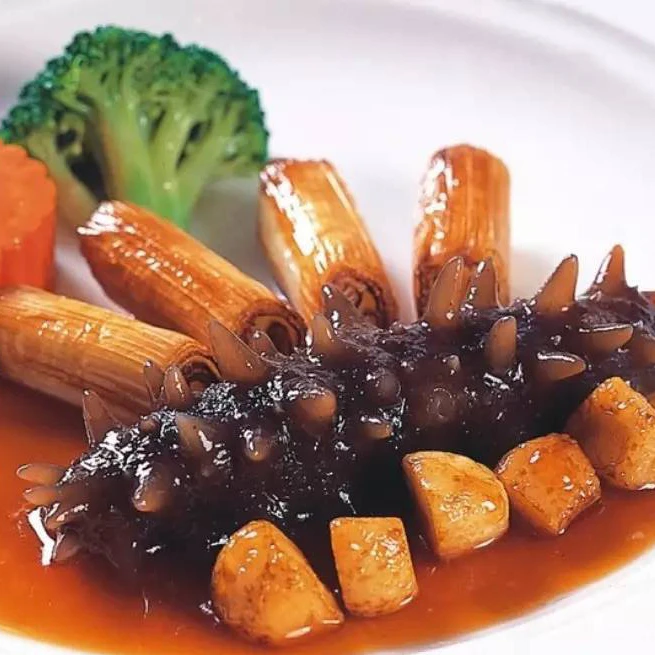
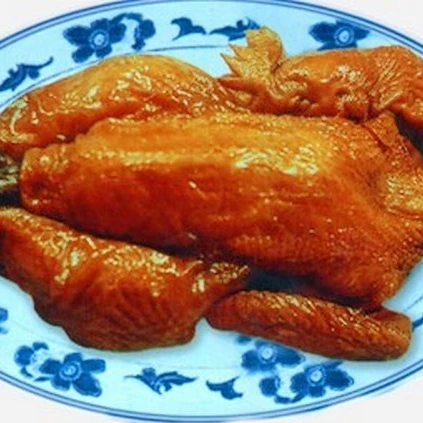
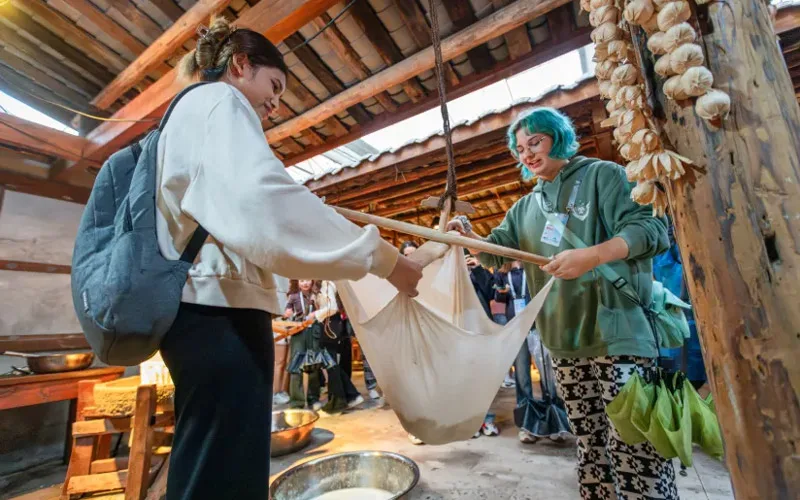
The opening day belonged to the contest. Restaurants across the county entered a competition for Jianghu-style dishes and home-style country cooking, and the winning plates went straight onto display tables where visitors could taste them and buy them. Lunch service offered the entries themselves; the evening moved to a buffet of local specialities. Running underneath all of it was the one-yuan bowl, ladled out while cooks from the county demonstrated the full sequence at the next table.
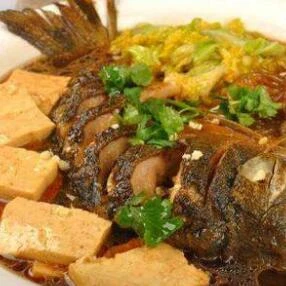
Dianjiang natives who work as food bloggers in Chongqing came back for the day and posted from the park, which is the standard arrangement now for county festivals: the offline crowd supplies the photographs and the online crowd supplies the reach. The second day shifted to snacks, with one-yuan rice balls and oversized steamed buns, and a fourth-generation inheritor of the Ning Tangyuan rice-ball house teaching visitors to roll and boil them so the water stays clear. The third day turned into a classroom for restaurant cooks, covering Jianghu dishes, home-style plates and Dingguan fish from the Longxi River.
Stone Grinding as a Local Signature
Douhua is ordinary food across the Chongqing and Sichuan basin, cheap enough to eat weekly, and that is exactly why it works as a county brand. The stone mill supplies the distinction. Grinding at low speed keeps the pulp cool, separating slurry from residue by hand controls how much grit reaches the pot, and the pour of the setting agent decides whether the curd holds together or collapses into cloudy water. None of those steps is difficult, and all of them are visible, which makes the craft teachable in an afternoon and photographable in a market stall.
That combination of daily demand and clear technique explains the festival’s shape. A county with a dish people already buy, and a process a visitor can watch and then attempt, does not need to invent a theme. The teaching sessions are the giveaway: inheritors walking a stranger through a full pot of Chinese food, at festival prices, is the cheapest credibility a food event can buy.
The Ceiling of a County Food Fair
Organisers are not treating the three days as the event. From late October 2026 through September 2027 the county has scheduled charity livestreams with high-follower hosts, discount vouchers for restaurants that add tofu dishes to their menus, a hunt for forgotten country recipes, and a research programme on local catering. It will also host the 2027 annual meeting of the Chongqing hotpot industry association alongside a forum on high-quality development of soy products. Putting a tofu festival next to a soy-products industry forum shows the intent: the target is processing and supply chains, not one crowded weekend.
County festivals of this kind share a structure that works and a ceiling that does not move. A one-yuan price generates traffic, an inheritor generates trust, a contest generates content, the market stalls generate sales, and a long tail of follow-up programming spreads the attention out. The ceiling is the join between the temporary and the permanent. Cheap bowls do not create regular customers, and three days of coverage fades unless something else keeps pulling people back. The real verdict will come from whether the workshops behind the stalls land steady orders after the tents come down, and whether restaurants keep a tofu item on the menu once the vouchers stop.