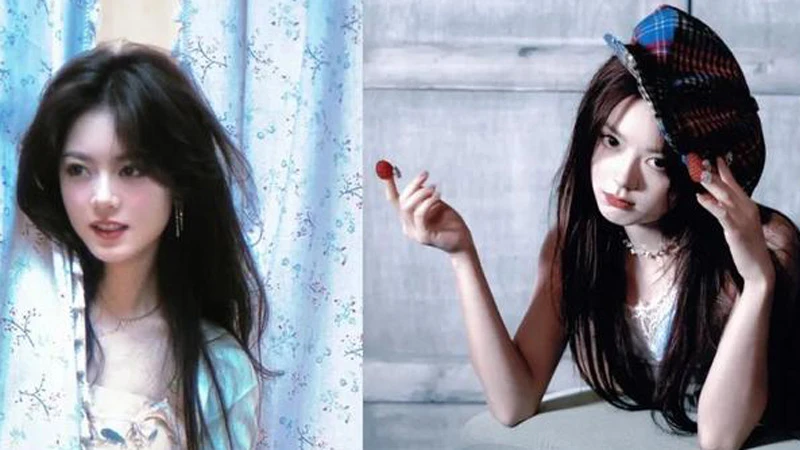
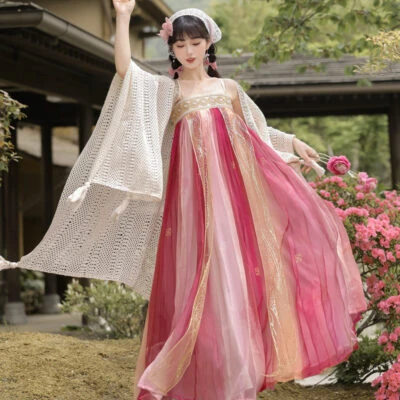
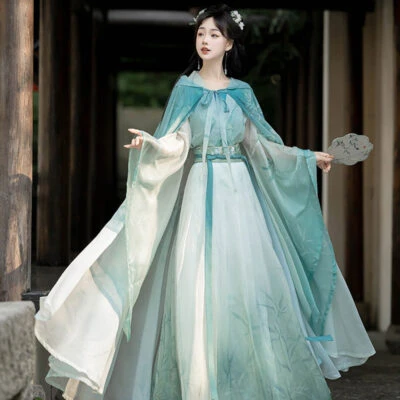
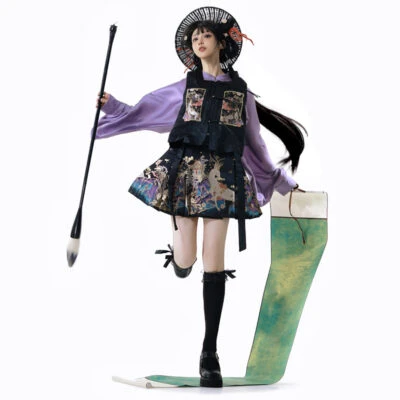
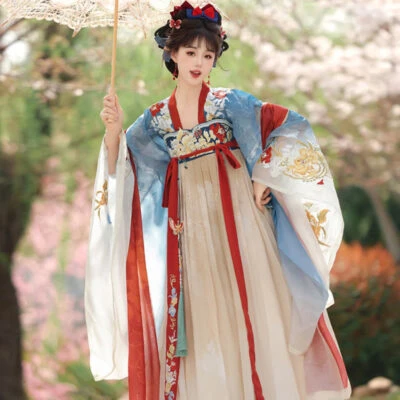
Twenty-five labels took the runway in Hangzhou on the evening of 22 October 2026 at a joint show closing the Siji Cup, the design competition run by the Sijiqing garment street. Models wore new Chinese style womenswear that borrowed from Li brocade, Miao embroidery and Dazi embroidery. The street, the China Fashion Association and Bank of Hangzhou hosted the event for more than 450 industry guests. The clothes were not the point. The point was whether a wholesale district one kilometre long can turn itself into a source of design.
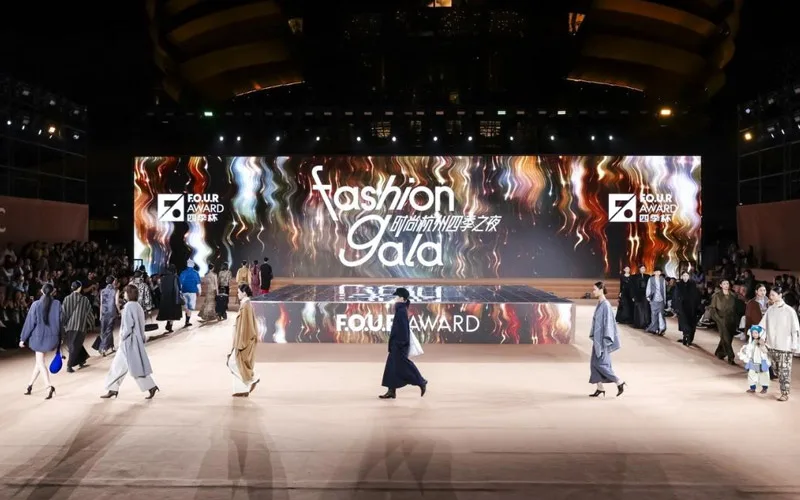
The Scale Behind One Runway
Sijiqing is not a boutique cluster that can pivot in a season. The street runs 1.1 kilometres and contains 23 professional markets, 13,000 stalls and more than 5,000 original brands, with daily footfall above 100,000 people, which makes it one of the largest garment distribution districts in the country. In March 2026 it was named among Zhejiang’s first batch of professional markets in a high-quality development pilot, and the upgrade began: away from moving goods, toward originating designs, services, showrooms and brand partnerships.
The competition is the recruitment channel for that shift. More than 100 entries arrived from across the country and 25 labels were shortlisted. Zhoushi Yilin took first place, A.1 Yichu and Xuanxiu Fang shared second, and Moushang placed third. All 25 showed on the same runway, which is a cheaper and faster form of exposure than renting a booth at a national trade fair, and it hands the street a roster of names it can keep promoting.
The Support Package, Item by Item
At the same event the street launched a programme called Four Plus, which bundles six services rather than offering a subsidy. Exhibition commerce runs through the CHIC fair with the China National Garment Association; shows and contests run through the China Fashion Association’s international fashion week calendar; brand training sits with HDL Studio; AI design is handled with Lingdi Digital; cross-border selling leans on Alibaba.com; finance comes from Bank of Hangzhou. Each leg has a named partner, which is unusual for this kind of announcement and makes the package checkable later.
Zhuang Yingchen of Alibaba.com’s Zhejiang team presented the street’s AI cross-border growth service centre, built to move stall holders onto overseas marketplaces. For a district whose customers have been domestic wholesalers, the value is a different buyer list rather than a new sales channel. Mo Ping, party secretary of the Caihe subdistrict’s garment-block industry community, stated that the street is watching more than a contest or a single show: the plan is to connect strong labels with trade fairs, competitions and the China International Fashion Week, open public resources such as the Hangzhou fashion centre’s show hall, and offer design copyright protection, with the stated rhythm of small shows every month and a large show every year.
Owners Who Came In Differently
Two of the labels on the runway show how differently people arrive here. Xuanxiu Fang, which shared second place, pairs Li brocade with cuts built for city wear. Its owner Ni Yanan is a second-generation trader: her mother started in textiles, and she came back after studying in Italy. “When people used to mention Chinese style or silk, the first reaction was often that it looked old-fashioned,” she said. “In our generation we want it to read younger and more fashionable.” The pieces shown were production samples rather than display-only runway work, staged with accessories and layering for the lights.
Her rule for original design is the part other producers should read twice. Chinese tradition, she added, cannot simply be copied: Miao embroidery, Dazi embroidery and Li brocade become wearable when they are redesigned, and this is where she draws the line on automation. “AI can give us inspiration and help us read trends, but design is still an output of aesthetics and culture,” she said, which puts the model in the reference library rather than at the drawing board.
Liu Guiming of the Hangzhou label Baishui took the other route: a first stall in Sijiqing last year, four now, aimed at professional and entrepreneurial women over 35 with minimal, oversized shapes. Consumers, he noted, have become far more demanding about original work, and homogeneous product no longer holds shelf space. That gap between a stall and a brand is rarely about design talent. It is a stable fabric supply chain, provable copyright, a calendar of shows and fairs, and a channel that can take foreign orders, which is why the street bundles four commercial services with the two that touch design. The same test waits across the Hanfu industry, and the street’s answer is to back new Chinese style labels on all of it at once, on the argument that a subsidy can produce one season of show pieces but not a company.