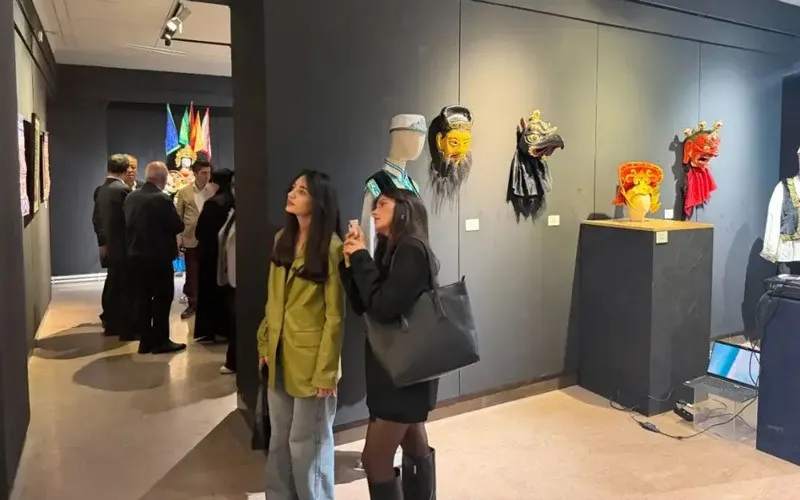
Yerevan — Qinghai Provincial Museum has put 37 objects on view at the Museum of Folk Art of Armenia, the first exhibition it has curated for a venue outside China. The show opened on 23 October and runs to 27 December, free to Armenian visitors and to foreign tourists passing through the capital.
| Dates | 23 October to 27 December 2026 |
| Venue | Museum of Folk Art of Armenia, Yerevan |
| Organisers | Qinghai Provincial Department of Culture and Tourism, with Qinghai Provincial Museum and the host museum |
| Scale | 37 objects, an entrance hall and four sections |
| Admission | Free |
| Screenings | Two promotional films, on loop |
Why the Costumes Stand at the Door
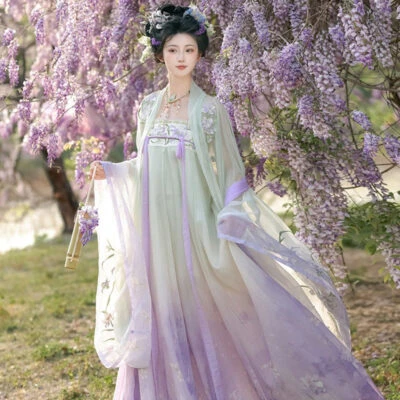
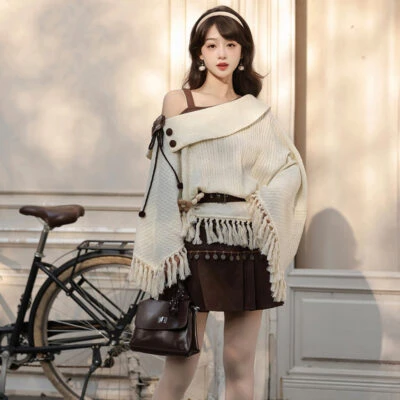
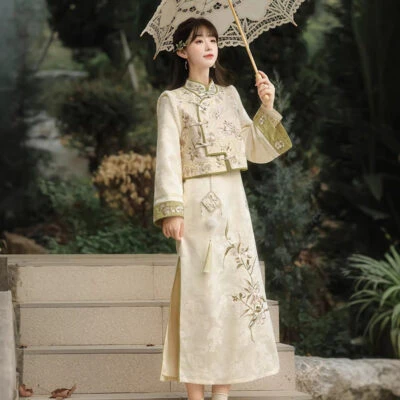
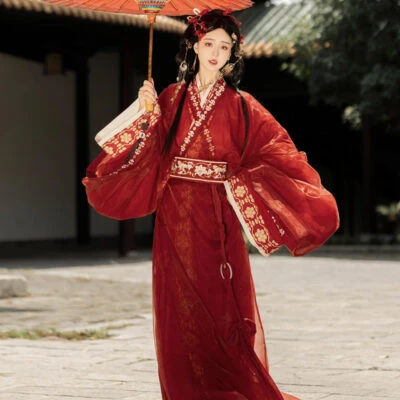
Nothing under glass greets the visitor. The entrance hall holds five sets of dress instead, Tibetan, Hui, Tu, Salar and Mongolian, hung so that cut, colour and headdress register before any label about technique does. A curatorial choice sits behind that arrangement: in a hall where the audience reads no Chinese, clothing is the one layer that arrives without an interpreter.
Compare what the rest of the show has to explain. A thangka asks for its painting school and its mineral pigments. A carpet asks for its knotting and its loom. A timber frame asks for its bracket sets and their ranking. A long robe and a flowered cap ask for nothing; the visitor settles within a minute whose wardrobe this is, and every technique that follows has somewhere to belong.
Dress also carries more than one trade at a time. A single festival set pulls in embroidery, weaving, silverwork and dyeing, and behind those pulls in rules about marriage, about festival rank and about belief. Marshalling five of them in one room says something the four sections cannot say separately: the province’s heritage is not a list of parallel items but a set of systems nested inside each other.
Four Rooms Behind the Entrance Hall
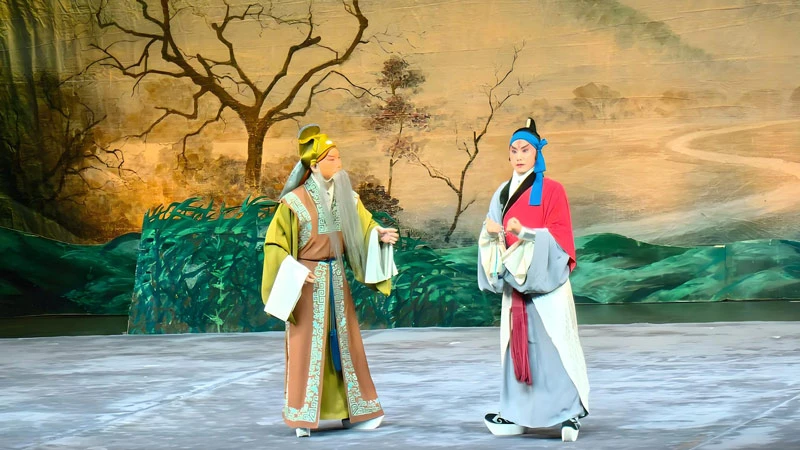
Performing arts take the first section: the Hua’er songs of the plateau, sung where farmland meets pasture, along with the Gesar epic, Huangnan Tibetan opera and Hehuang shadow puppetry. Handwork fills the second, with Regong thangka, silver and copper work, Tu Pan embroidery, Tibetan carpet weaving and traditional building on show. The third runs on the calendar, through the Jiuqu Yellow River lantern fair, the Regong June assembly and the Nadun festival of the Tu. Film closes the sequence with a loop of the Sanjiangyuan headwaters and the wildlife that shares them.
Text, object and moving image carry that argument in parallel rather than in order, which suits a province whose heritage refuses a single category. Pasture and cropland meet along one river system, and what comes out of the meeting behaves differently by trade: an epic belongs to a household, a lantern fair to a village, a thangka to a monastery workshop.
Ties That Outlast the Display
Opening week brought the museum into talks with the History Museum of Armenia, the Yerevan History Museum and its host institution. Those conversations were the part of the trip the delegation treated as the point of it, together with its stated aim of carrying provincial holdings to audiences outside the usual circuit.
For an institution that has never curated abroad alone, the measurable test is narrower than the object count. A provincial museum has to prove it can pack, insure, label, translate and hand over a show in a foreign venue, get it home intact, then repeat the exercise without the first team. Two months of display covers the year-end travel season and the family visits that come with it. The loans fly back in January; the catalogue, the footage and three institutional contacts stay.
Part of the Armenian audience will read the show through the Silk Road framing the organisers put around it, and part will read five minorities in costume. Both readings leave the same residue, which is a provincial collection seen outside China on its own terms. For Qinghai that counts ahead of the visitor figure.