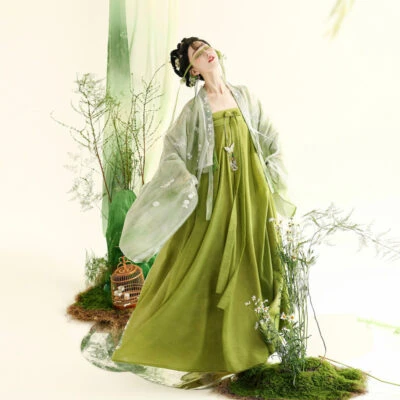
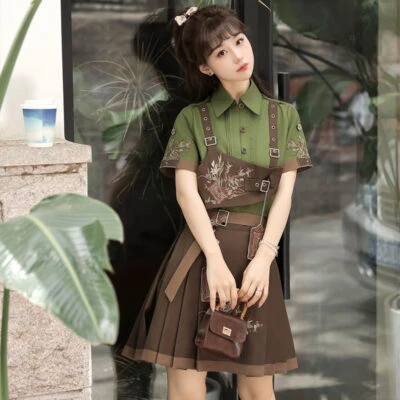
Hainan has sent Li brocade to Paris Fashion Week twice. What travelled with it were weavers, platforms and occasions rather than bolts of cloth, Hainan Daily reported.
Platforms That Turn Visits Into Exchange
Hainan’s advantage is a set of standing occasions. Visa-free entry and eased procedures for exhibitions and conferences let heritage display sit inside trade fairs and diplomatic gatherings, so a cultural showing stops being a one-off delegation abroad and becomes something that recurs on the same calendar as commerce.
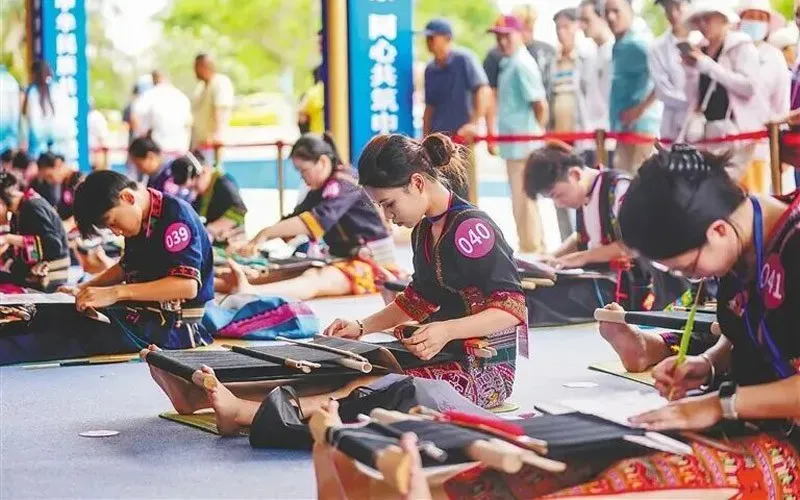
At the China International Consumer Products Expo the heritage zone stays crowded: visitors put on a headset and walk a rainforest Li village, watching the four processes of spinning, dyeing, weaving and embroidery in sequence. Side events at the Boao Forum for Asia have brought weavers onto the programme more than once. Liu Xianglan, a national-level inheritor of Li spinning, dyeing, weaving and embroidery, carried hand-woven Li costume into the forum hall and said that standing on a Boao stage let her tell the island’s story held between warp and weft, with the garment as the vehicle.
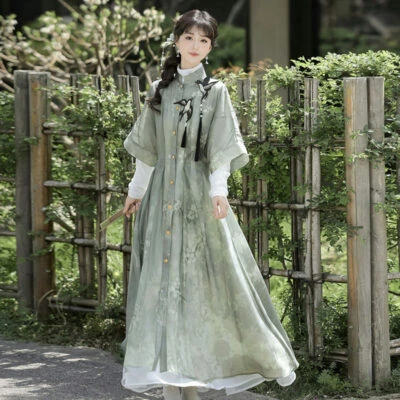
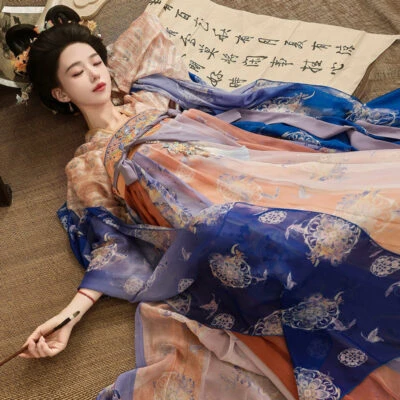
Splendid World Culture Week, held on the island, is the platform built for this. At the 2025 edition a huge Li brocade dragon quilt hung as a backdrop while Li brocade, Yunjin brocade and woven dress from several countries went down the runway in turn; Liu Xianglan and her granddaughter performed a short play together, and the show folded in a passage from the dance poem “Li Homeland”, setting Dalishen and Gangong bird motifs against modern cutting. The week has twice carried Li brocade to Paris Fashion Week, and the same body of work has appeared at the Osaka Expo and at an ASEAN heritage week.
A Dialogue With Southeast Asia Next Door
Distance shapes the second channel. Hainan and Southeast Asia share an island ecology and a maritime inheritance, which surfaces in similar household rites and similar handwork. At the 2025 Hainan free trade port and ASEAN intangible heritage week, themed on the maritime silk road setting sail, an Indonesian weaver watched Li weaving and stopped at the plant dyes; Liu Meizhen, a national-level inheritor of Li coil-built pottery, sat with potters from several Southeast Asian countries over clay coils, comparing how comparable island conditions produced different vessels.
That exchange is neighbourly rather than broadcast. Qiong opera appeared at the China-ASEAN theatre week in the same season, and Li bamboo and wood instruments along with Yazhou folk songs keep returning to regional stages. An official in the provincial tourism, culture, radio, television and sports department put the logic plainly: a woven panel or a carved coconut needs no elaborate translation, because the object is already a legible cultural language.
Overseas Hainanese as a Distribution Network
Several million Hainanese live abroad, most of them across Southeast Asia, and the island treats them as both an audience and a channel. Since the island moved to an independent customs regime, families have been coming back to look at property and to invest, and heritage has become the part of the visit that carries feeling rather than paperwork.
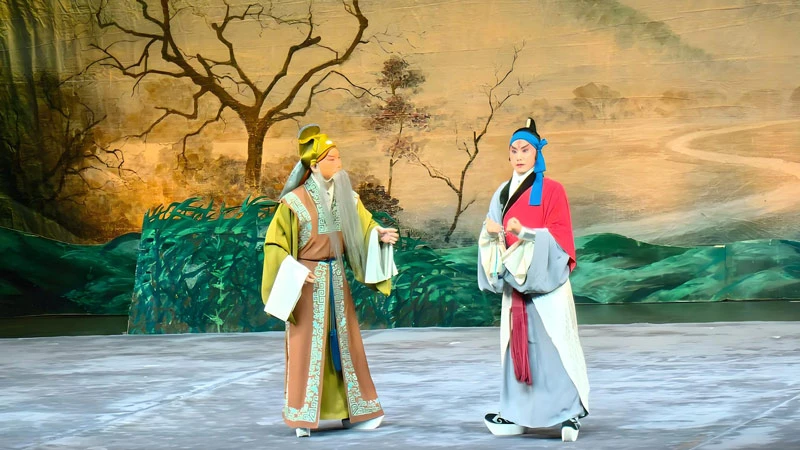
In Malaysia and Singapore, clan associations stage Danzhou diaosheng, Qiong opera and Li brocade when they hold cultural events. Tang Baoshan, a national-level inheritor of Danzhou diaosheng, toured Southeast Asia with provincial exchange groups, and the antiphonal singing still lands with families decades after they left. The island also invites those families and international student groups back for Sanyuesan, runs craft camps where young overseas Chinese work a loom and throw a pot, and has started a short-video contest under the name “One Maritime Silk Road Family” aimed at overseas buyers of heritage goods.
Where Scale Meets Handwork
Set the two export models side by side and the difference is structural. Goods export runs on supply chains and channels and is counted in units sold and repeat orders. This one runs on platforms and occasions: the Boao hall, the expo floor, the Paris runway, and the Food and Agriculture Organization auditorium in Rome, where a children’s choir from Wuzhishan sang in Li and Miao dress in May 2026. One changes what foreign shoppers put in a basket; the other changes where foreign audiences place Chinese textile.
Neither model excludes the other. The expo’s virtual rainforest lets buyers understand the process before they order, the culture week’s designer collaborations turn motif into a sellable cut, and the clan associations supply a steady demand end. What sets the ceiling is the craft: four hand processes that resist speed, plant dye whose colour fastness varies by lot, and a backstrap loom whose width caps what can be woven in a single panel. Liu Xianglan’s apprentices now include people born after 2000, and the motifs they weave still follow the Li vocabulary of human figures, frogs and stars, which is the part a runway cannot manufacture.