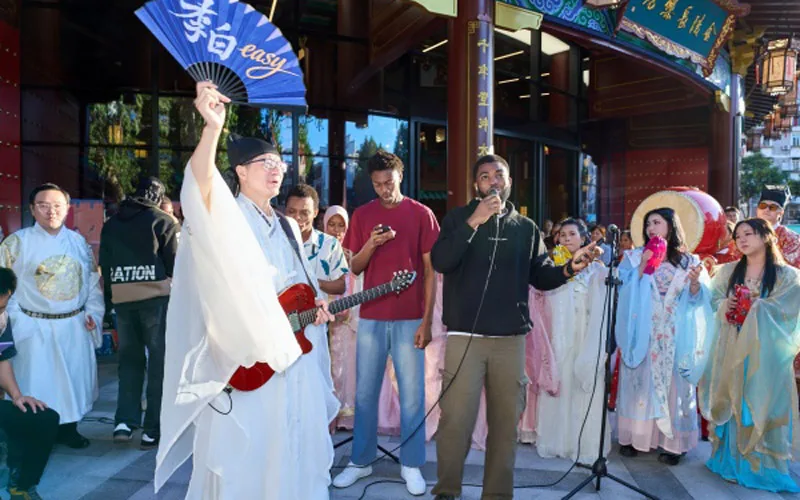
A circle of foreign students, two kinds of drum and a distorted guitar turned Li Bai into a rock set this month at Changlefang, a culture-led block in Nanjing, Jiangsu. The performance closed the National Day holiday at the venue, and it follows a summer of Guofeng content from the same address that has drawn close to 10 million plays on overseas platforms.
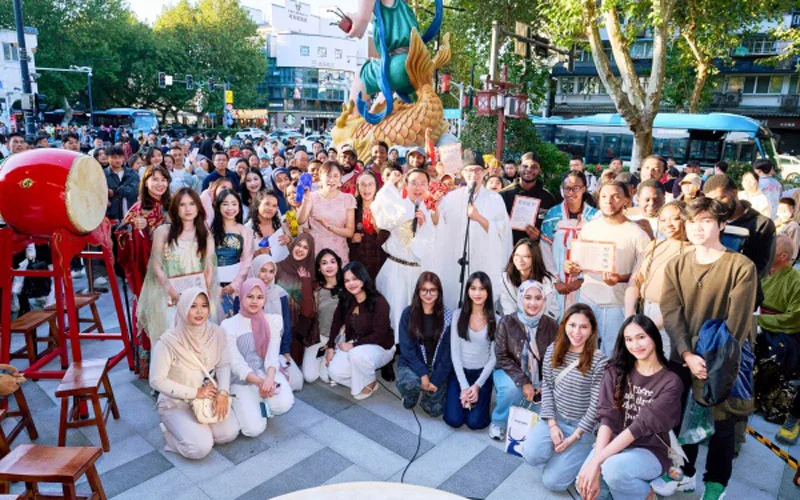
Students from Ghana, Kenya, Pakistan, Indonesia, Malaysia, Bangladesh, Tajikistan and Turkmenistan stood in the square in front of the main gate in Hanfu, following a singer through the chorus. Chinese drum, African drum, guitar, bass and Guzheng shared the stage. Poems by Li Bai, Bai Juyi and Xin Qiji were reset to modern rhythms, and the set was jointly initiated by Changlefang, the International Youth Innovation Community, the 1707 band and the Nanjing Indonesian Students Association, according to the Oct 20 report by CRI Online.
The producer behind it, Tan Qiuming (潭秋明), has worked on this format for more than a decade. “Presenting the poems in a purely traditional way gives you a very small reach,” he said. “That was the wall I hit at the beginning.” His rule for an arrangement is that the tune has to resonate, the beat has to be easy to sway to, and the Chinese signature has to stay visible.
“The best entry point for a foreign friend is not an annotation but a melody,” Tan added. “Once they taste something inside the music, they will go and read the original line.”
Foreign Students Find the Chorus First
Jiang Wenjie, founder of the International Youth Innovation Community, described the same result from the floor. Young people of different nationalities and cultural backgrounds picked up the old lines by singing them on site, he noted, and the enthusiasm showed within the first hour.
Vincent Rumantir, president of the Nanjing Indonesian Students Association, sang in Hanfu that afternoon. “Singing Li Bai in a rock arrangement while wearing Hanfu is probably the deepest Chinese cultural experience I have had during my time studying here,” he recalled. “Once an ancient image meets the rhythm of the present, it grows an appeal that outlasts its own time.”
Where the View Counts Came From
Wu Zhengmei, who heads the operating party, framed the two formats as one search. “Since the Guofeng Hanfu show, and now with the Tang and Song poetry rock set, we have kept looking for a contemporary way to say traditional things,” she said. “Changlefang is willing to be that window.”
The earlier half of that programme is what travelled furthest. Over the summer the video blogger Babyqueefly walked the block’s streets in Hanfu beside Chinese guests and was named a Changlefang Hanfu international promotion ambassador; clips from that show passed 10 million plays and 800,000 likes and comments, and viewers wrote that they wanted to come to China for events of the same kind. Hanfu has landed differently elsewhere, including at a Hanfu festival in France and in a Hanfu appearance with Manchester City.
City accounts added reach. From Oct 1 to 5 the three Nanjing overseas accounts DiscoverNanjing, iNanjing and HereisNanjing posted more than 100 items on holiday scenes, with combined exposure above 250,000 and shares from the Chinese Embassy in Germany plus travel writers in Britain, Germany, the Netherlands and Spain. Yangzi Evening News reported that students and bloggers from France, the Netherlands, Tajikistan, Russia, South Korea and Australia were walking the same streets that week, alongside the block’s Four Seas Poetry Song Gathering, filming for an international edition of the China Poetry Congress and a Russian singer’s Nanjing tour.
Little of that reach was bought. The block’s method, as its organisers describe it, is to put foreign students in the position of producers: they wear the dress, hit the drums, sing the chorus and shoot the video, so the footage arrives on overseas platforms already in the idiom those platforms use. The near-10-million figure comes from clips the participants posted themselves rather than from a media buy.
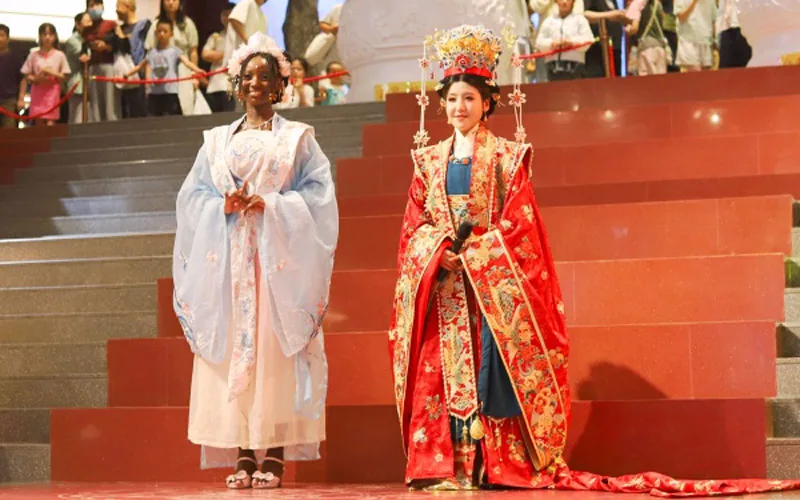
Participation Is the Part a Photo Misses
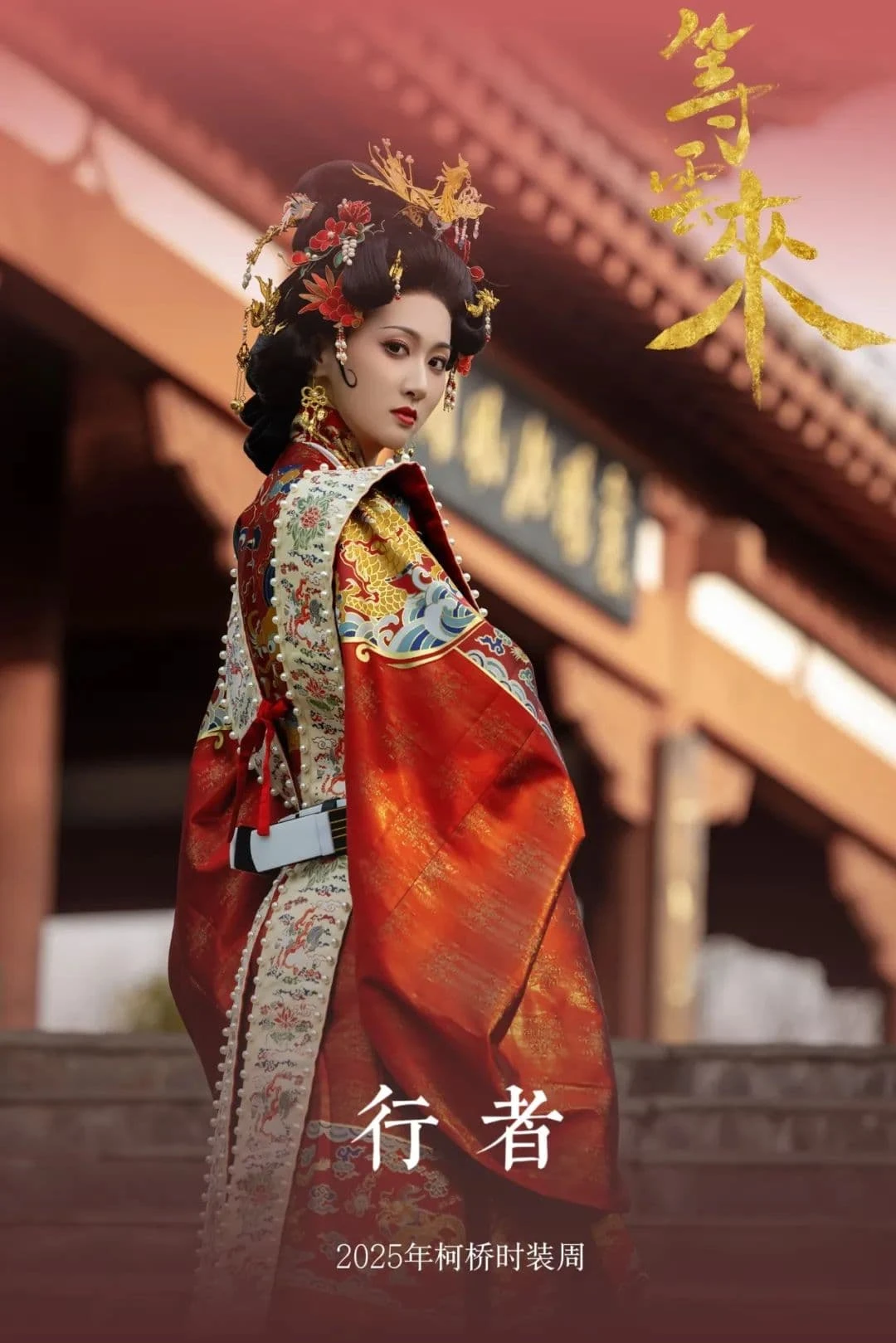
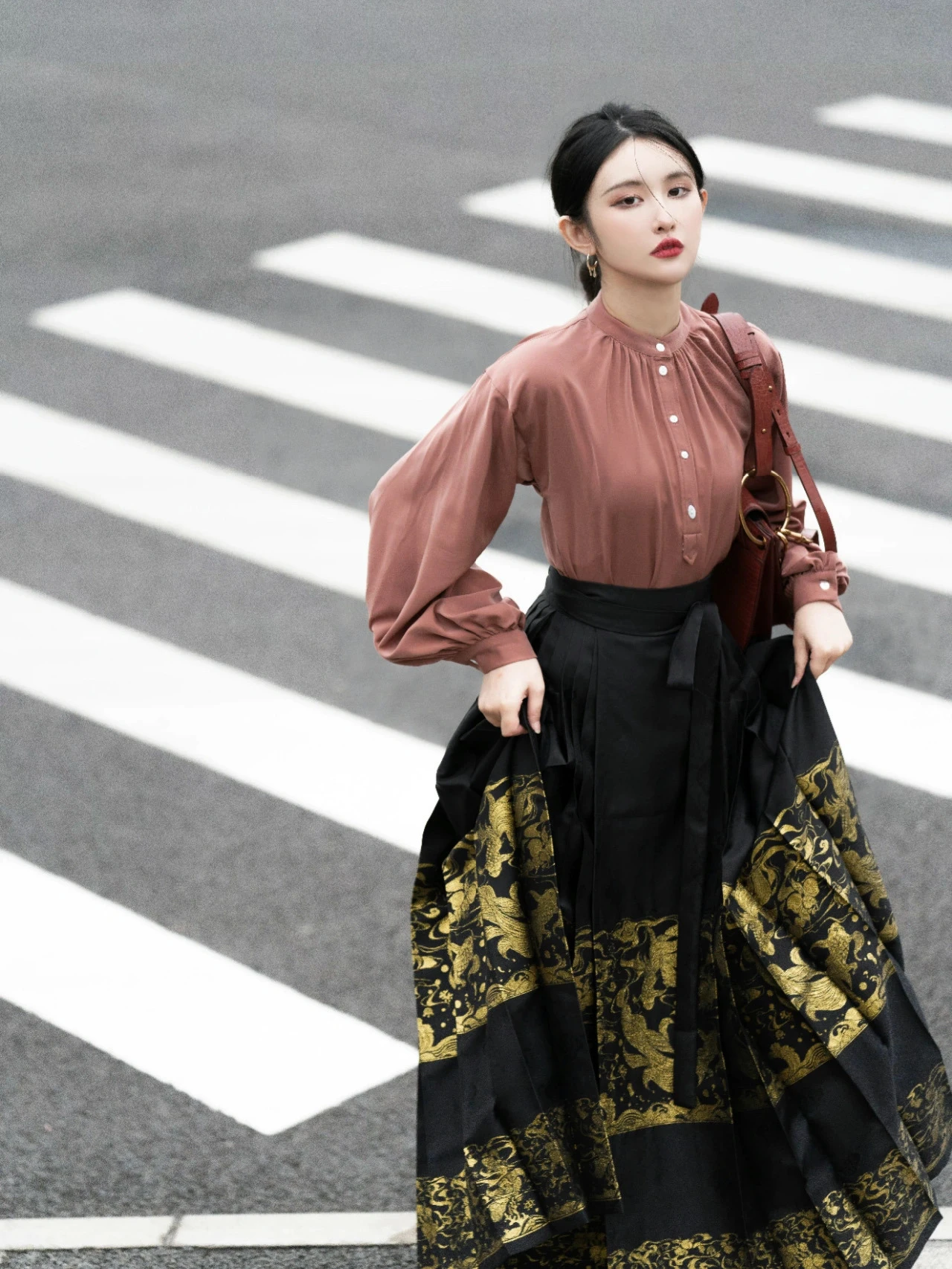
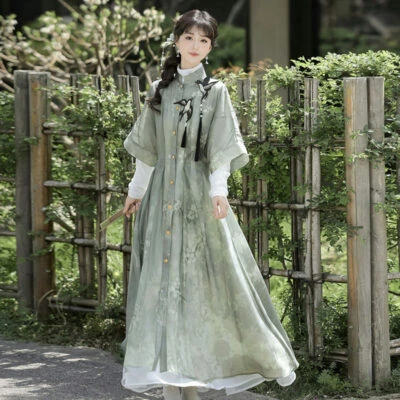
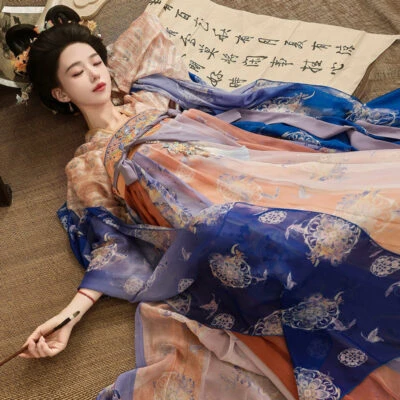
Makeup, hair and fabric are the parts a camera catches first: a flower-shaped brow ornament or the fall of a sleeve needs no footnote, and a viewer who has never read Chinese can still recognise a costume. What a photograph cannot pass on is participation. A poem set to a beat gives a visitor something to do with the thing being looked at, which is the difference between watching a show and joining a chorus.