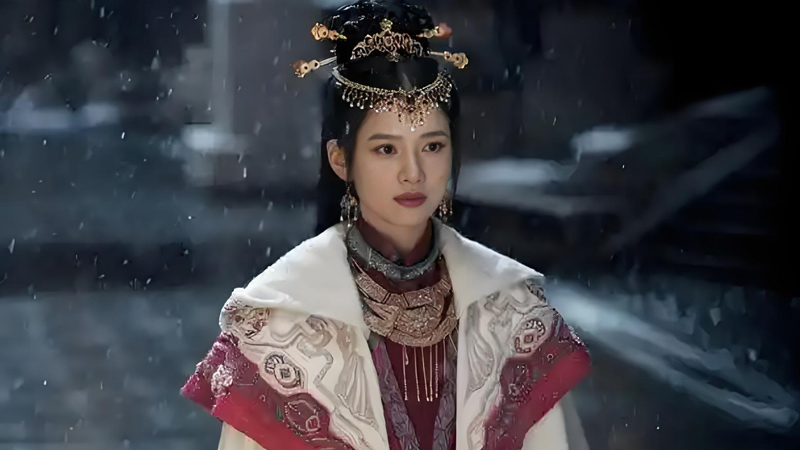
This article examines how recent dramas like Yan Hui Shi (雁回时) and The Legend of Zang Hai (藏海传) vividly resurrect the aesthetics of late Ming Dynasty China, revealing why this era's obsession-driven artistry still captivates modern viewers. It explores the genuine passions behind the ornate visuals and contrasts them with today's superficial interpretations.
Recent hit dramas Yan Hui Shi and The Legend of Zang Hai transport audiences to late Ming China, not through dry history lessons but via immersive aesthetics. Their costumes, props, and sets—inspired by real Ming styles—evoke an era where every object reflected personal devotion. While fictional, these shows mirror the 16th-17th century spirit: where scholars like Zhang Dai (张岱) turned daily items into art, proving that beauty lies not in extravagance but in heartfelt obsession.
This revival highlights why we're drawn to a time when life was lived intensely, not just displayed. Today, as we binge-watch these series, we're not just entertained; we're seeking that lost authenticity.
Visual Splendor Unveiled
Yan Hui Shi features silk robes with intricate embroidery, echoing Ming artisans' precision. Each stitch honors historical patterns, like those in Suzhou gardens, where simplicity spoke louder than grandeur.
Scenes in The Legend of Zang Hai showcase minimalist tea sets, mirroring Ming scholar Wen Zhenheng's (文震亨) ideals. His book Chang Wu Zhi (长物志) dismissed flashy designs, favoring understated elegance that conveyed character.
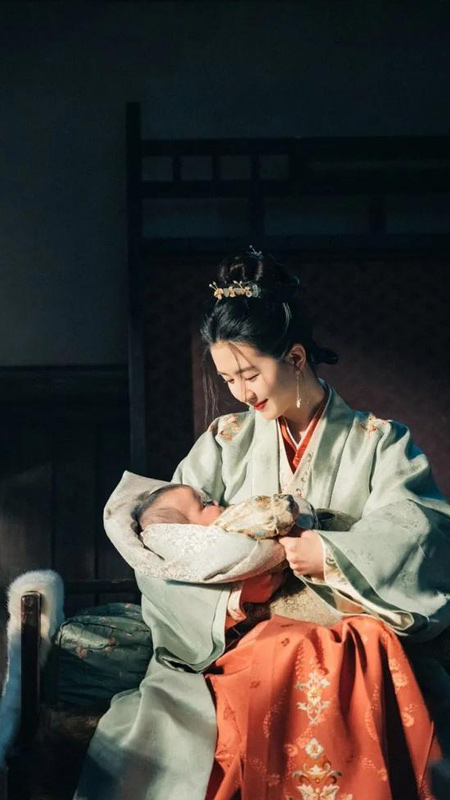
Set designs borrow from Ming gardens like Yipu (艺圃), where water and stone created harmony. These spaces weren't backdrops but extensions of the mind, urging viewers to see nature as art.
Costumes use indigo dyes and linen, materials Ming elites cherished for their humility. Such choices reveal a philosophy: luxury wasn't about cost but meaning, turning attire into personal statements.
Lighting in both dramas mimics candlelit Ming studios, casting shadows that deepen emotional layers. This technique connects us to an era where ambiance shaped thought, proving aesthetics are visceral, not visual.
Heart of Obsessions
Zhang Dai, a Ming eccentric, raised cows for perfect milk tea—a detail Yan Hui Shi nods to. His quirks weren't hobbies but lifeblood, showing how obsession fuels artistry beyond reason.
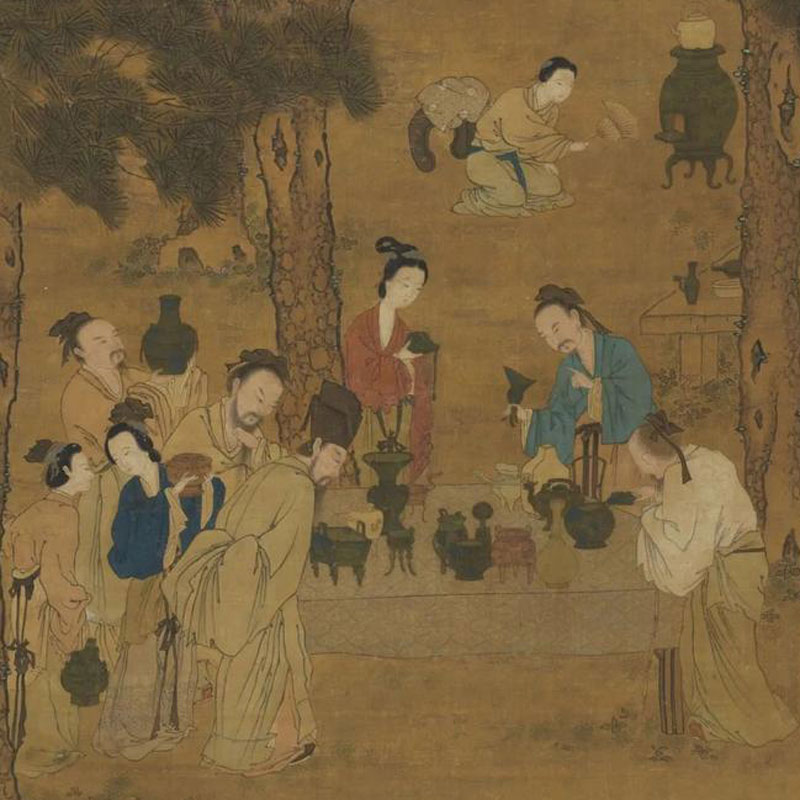
Wen Zhenheng cataloged "unnecessary" items like antique hand-warmers, arguing they revealed one's soul. His strict tastes, depicted in dramas, teach that curation is self-expression, not snobbery.
Unlike Song Dynasty critics who saw obsession as frivolous, Ming figures like Yuan Hongdao (袁宏道) celebrated it. He wrote that quirks—be it tea or calligraphy—unleashed inner freedom, a theme dramas amplify.
Li Yu (李煜), another Ming voice, offered practical alternatives for the poor. His inclusive approach contrasts Wen's elitism, showing Ming diversity: obsession adapted to all, not just the wealthy.
These quirks built communities. Ming scholars gathered to debate ceramics or poetry, turning solitary passions into shared joy. Dramas capture this, reminding us that true connection stems from vulnerability, not performance.
Enduring Fascination
Late Ming resonates because it champions sincerity over show. While modern fans buy replicas of Ming porcelain or furniture, they often miss the point: it's the passion behind objects that enchants.
Dramas like The Legend of Zang Hai expose today's trap—posing with antiques for social media. Ming figures like Zhang Dai would scorn this; they lived their obsessions, risking ridicule for authenticity.
Philosophically, Ming aesthetics thrived on contradictions. Opulence coexisted with simplicity, as scholar Qi Biaojia (祁彪佳) designed gardens to escape politics. This balance—visible in dramas—offers escapism with depth.
Critically, our love for Ming style isn't nostalgia but a mirror. In an age of algorithms, we crave the human touch—where flaws, like Wen's rigid rules, made artistry relatable.
Ultimately, Ming allure lies in its courage to be imperfect. As dramas illustrate, it wasn't the objects but the stories—like Zhang Dai quitting cockfighting after a moral epiphany—that give life weight. We're mesmerized because, in their quirks, they were fully alive.