Article
Search results:
-
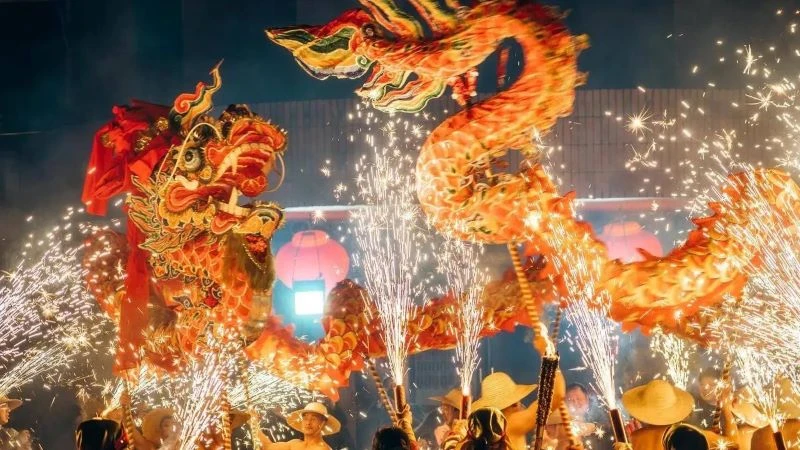
The Heart of the Spring Festival: Family and National Pride
On December 4th, the Chinese Spring Festival was officially added to the UNESCO Representative List of Intangible Cultural Heritage. As one of the world's oldest and most significant celebrations, the Spring Festival reflects the deep-rooted values of family, unity, and harmony with nature. Its recognition by UNESCO signifies not only the global appreciation of this tradition but also highlights the universal values embedded within the festival that resonate with people across cultures. Through the Chinese New Year, China's rich heritage and cultural vitality are being shared with the world, fostering mutual understanding and respect among diverse peoples. The Spring Festival, or Chinese New Year, is the most important traditional festival in China. It is deeply rooted in the lives of the people, marking a new beginning and symbolizing new hope. According to the conventional Lunar calendar, the first day of the Chinese New Year means not only the start of a new year but also the collective desire for a new beginning—full of peace, prosperity, and happiness. Leading up to the festival, families clean their homes, hang spring couplets, prepare festive meals, and visit their ancestors' graves. These rituals connect the living to their heritage, reinforcing the importance of family… -
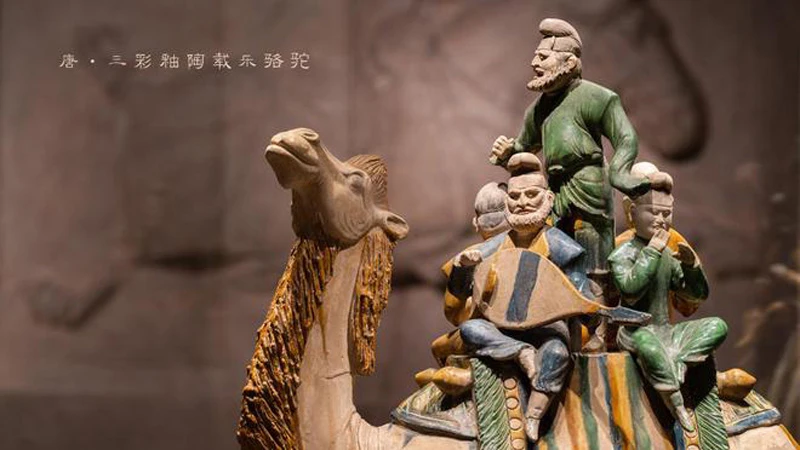
The National Museum: A Window to China's Past
The National Museum of China, one of the most prestigious cultural institutions in the country, offers an extraordinary opportunity to step into the past and witness the grandeur of China's ancient civilization. As visitors walk through its halls, they are greeted by monumental displays, including a massive granite relief of the legendary "Yu Gong Moves the Mountains," depicting the indomitable spirit of the Chinese people. This artwork symbolizes the relentless will and determination that have defined China's history, reflecting both the challenges faced and the triumphs achieved by its people over millennia. Inside the museum, history becomes tangible. The museum's exhibition, "Ancient China," allows visitors to walk through the ages, from the earliest signs of human civilization to the unified dynasties that shaped the cultural landscape of China. With 2026 carefully selected artifacts, including 521 top-tier national treasures, the exhibit provides a multi-dimensional experience of China's ancient heritage. Each artifact tells the story of China's journey from its humble beginnings to the flourishing civilization it is today. The Dawn of Civilization As visitors step into the "Ancient China" exhibit, they are immediately transported back hundreds of thousands of years. The museum's extensive collection begins with the dawn of human civilization… -
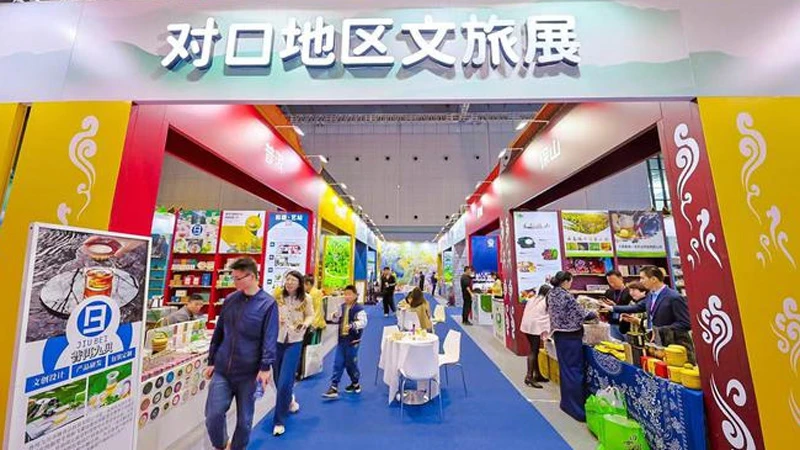
2024 Yangtze River Delta Cultural Expo
The fifth edition of the Yangtze River Delta Cultural Expo, held from November 22 to 25 at the National Exhibition and Convention Center in Shanghai, offered visitors a fascinating experience of China's diverse regional cultures. Beyond the three provinces and one municipality of the Yangtze River Delta, regions such as Yunnan, Guizhou, Sichuan, Inner Mongolia, Qinghai, and Jilin also participated, showcasing their unique traditions and cultural products. The Expo highlighted China's incredible array of non-material cultural heritage (Intangible Cultural Heritage, ICH) and creative cultural products, allowing visitors to explore the country's traditions without leaving the exhibition halls. With the creative integration of ethnic arts, traditional crafts, and culinary delights, the Expo provided a multi-sensory journey for everyone. Whether it was admiring intricate embroidery, trying traditional foods, or experiencing live performances of ancient rituals and dances, attendees were given a rare opportunity to witness the living history of each region. Immersive Cultural Experiences and Unique Handicrafts The exhibition spaces were not just places to observe but also to engage with the cultural treasures of China. One of the standout features of this year's event was the immersive exhibits, which allowed visitors to interact directly with the cultural heritage of different regions.… -
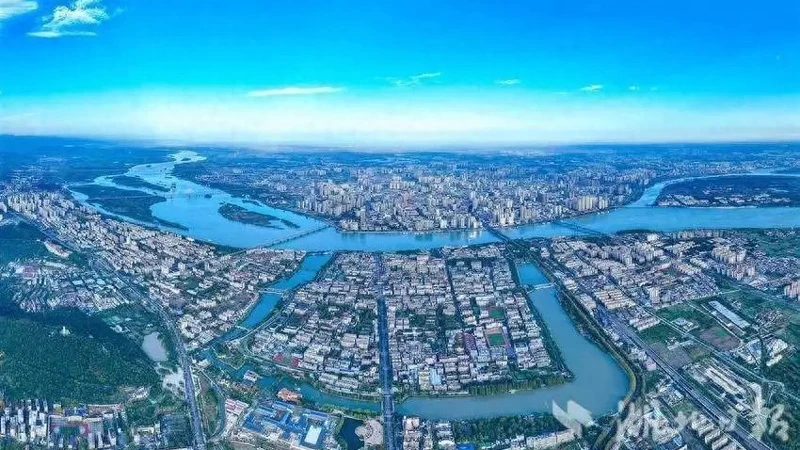
Xiangyang: A City of Endless Possibilities
Xiangyang (襄阳), a city nestled along the banks of the Han River, offers a fascinating blend of ancient heritage and cutting-edge modernity. With a history stretching over 2,800 years, Xiangyang is a city where visitors can experience the fullness of China's cultural tapestry. Walking through its ancient city walls, visitors can feel the weight of its rich history, while the gleaming industrial parks showcase the region's rapid technological and economic growth. Whether you're exploring tranquil rural landscapes or delving into Xiangyang's vibrant cultural tourism scene, this city is proving that the past and future can not only coexist but thrive together in a new era of development. Xiangyang's historical significance is vast and deeply interwoven with the stories of ancient China. The city was once the heart of the Jingchu culture (荆楚文化) and has long been a center of political and military power. It played a crucial role during the Three Kingdoms period, which is immortalized in China's literary classic "Romance of the Three Kingdoms", where a significant number of the novel's pivotal events unfolded. Xiangyang also boasts a rich collection of artifacts and monuments, with over 1,700 historical sites that have earned the city the title of "The First… -
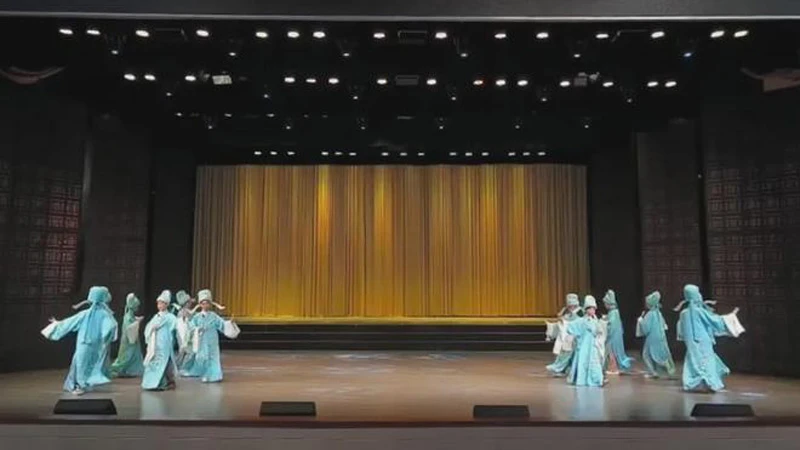
Exploring the An Yue City, from Sichuan
Preserving An Yue's (安岳) Rich Cultural Traditions In the picturesque county of An Yue, nestled in the heart of Sichuan Province, an ancient cultural legacy continues to thrive. Known for its remarkable collection of intangible cultural heritage (ICH), An Yue is home to diverse traditions that have been passed down through generations. As the saying goes, "Cultural heritage is like an elderly sage, watching history pass by with helplessness, needing to be seen by the world." Indeed, the county's heritage, from stone carving to folk music and culinary delights, tells the stories of its people's ingenuity, labor, and creativity over millennia. An Yue is not just a place with rich history—it's a living testament to the creativity and resilience of its people. Here, ancient craftsmanship is not confined to museums but is actively preserved and practiced by the people, many of whom are proud inheritors of these traditions. From its famous stone carvings to its unique bamboo weaving and folk opera, the county's heritage is a treasure trove of art, craft, and story. An Yue's history as a "home of stone carvings" is unmatched, with over 100,000 ancient stone carvings scattered across the region. These stunning works are notable for… -
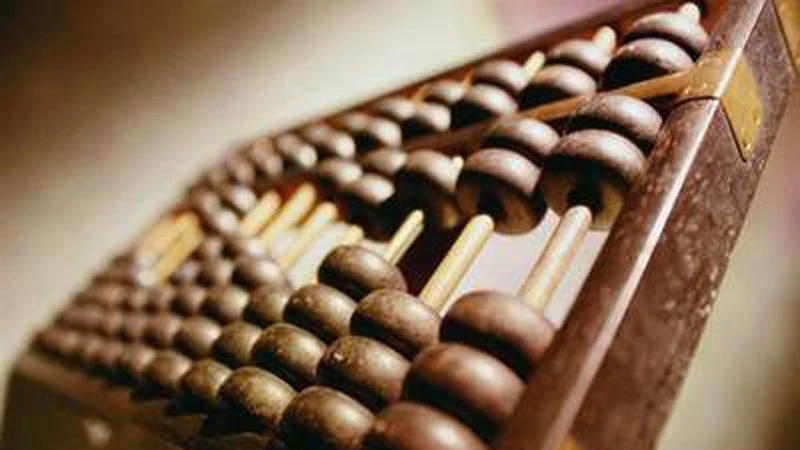
Chinese Abacus in Modern Times: More Than Just a Tool
The Chinese abacus, or "suanpan (算盘)," is a mathematical marvel that has played a pivotal role in Chinese commerce and education for centuries. Known as the "fifth greatest invention of China," the abacus remains a symbol of China's rich cultural and intellectual heritage. It's not just a tool for calculation—it's a gateway to understanding the deep connection between mathematics, commerce, and daily life in ancient China. The saying "When the abacus clicks, gold flows in" reflects the profound impact the abacus had on the business world, especially for the influential Shanxi merchants of the Ming and Qing dynasties. Recently, a ceremony celebrating the 500th anniversary of the publication of "Suanxue Baojian (算学宝鉴)" (The Treasure of Arithmetic) was held in Taiyuan, Shanxi, paying tribute to the legendary mathematician and abacus expert Wang Wensu. His groundbreaking work, completed over thirty years, was not just an academic achievement but also an essential tool for the success of the Shanxi merchant community. The "Suanxue Baojian" covers a broad range of mathematical concepts, including advanced calculations for equations, the pricing of goods like rice and horses, and the practical applications of these methods in business. Wang's work solidified the role of mathematics—and especially the abacus—in… -
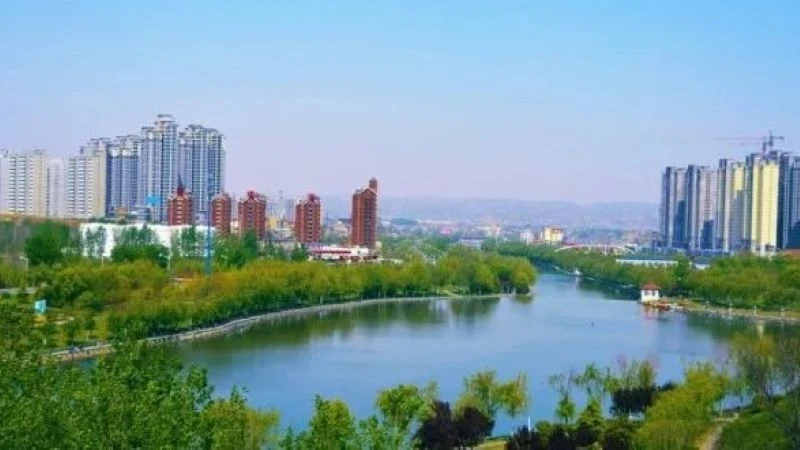
Exploring Gongyi: Nature, Culture, and Modern Life
When you think of Henan, what comes to mind? For many, this province is synonymous with deep historical significance, home to some of China's most famous ancient cities. From Luoyang (洛阳) to Kaifeng, Henan boasts a wealth of cultural landmarks that have shaped Chinese civilization. Yet, Henan's charm goes beyond these iconic cities. Among its lesser-known but equally fascinating places is Gongyi (巩义), a small county-level city located between Zhengzhou and Luoyang. Despite its modest size, Gongyi is rich in historical treasures, cultural heritage, and natural beauty, offering a compelling reason for travelers to visit. Gongyi's strategic location and historical importance have made it a cultural and economic crossroads for thousands of years. Known as one of the oldest county-level cities in Henan, Gongyi has a history that dates back to the Qin Dynasty. Its name symbolizes "a city that stands firm, no matter what." The city's location between two major cities, Zhengzhou and Luoyang, adds to its allure as a key part of Henan's history. Gongyi's History Gongyi is home to a remarkable collection of ancient sites that reveal the city's rich past. Among the most significant are the Northern Song Dynasty Imperial Tombs and the Northern Wei Cave… -
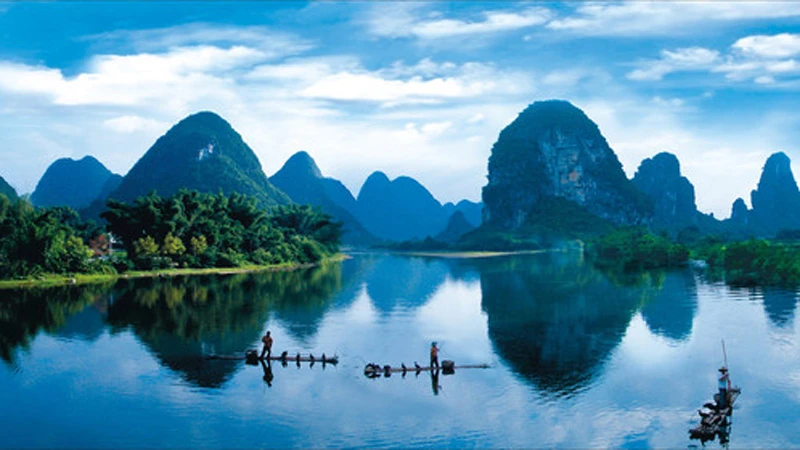
Li River: China's Natural Masterpiece Reaches the World
The Li River (漓江) is an undeniable gem of Chinese natural beauty, and its place as a national treasure is well-deserved. As one of China's first 5A-rated tourist destinations, it represents the very essence of the country's landscapes, echoing through the hearts of those who visit. Winding its way through the picturesque karst mountains of Guilin (桂林), the Li River is renowned not just for its visual splendor but for its ability to capture the imagination of anyone who witnesses its beauty. Its unparalleled charm is more than a local marvel; it is a global symbol of China's natural grandeur. Described as "a thousand paintings in a hundred miles," the Li River is often considered the soul of Guilin's landscape. The river, meandering through towering peaks, lush greenery, and mist-filled valleys, offers an ethereal experience that feels like stepping into a traditional Chinese ink painting. Its majestic waters, which have inspired poets and artists for centuries, are considered by many to be among the world's most beautiful rivers. With each twist and turn, the Li River reveals yet another breathtaking vista—whether it's the dramatic cliffs, the mist rising off the water, or the reflections of the karst formations that seem… -
The Global Recognition of Chinese New Year
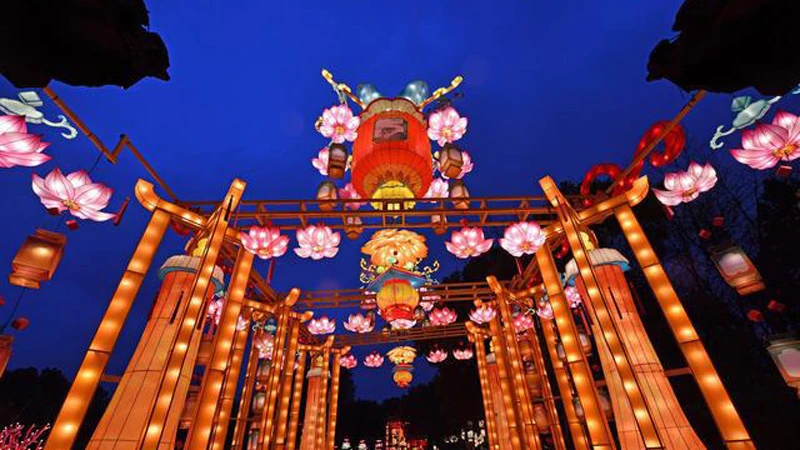
On December 4th, the UNESCO Committee officially added the "Spring Festival – The Social Practice of Celebrating the Traditional Chinese New Year" to its Representative List of the Intangible Cultural Heritage of Humanity. This monumental inclusion highlights the global significance of Chinese New Year, not only as a festive occasion but as a vital cultural practice with deep historical roots. Among the newly listed elements are some of Jiangsu province's most cherished cultural treasures: Nanjing's Qinhuai Lantern Festival (南京秦淮灯会), Suzhou's Taohuawu Woodblock New Year Prints (苏州桃花坞木版年画), and Wuxi's Taibo Temple Fair (无锡泰伯庙). For those who may not be familiar with these cultural gems, they are now being recognized as crucial expressions of Chinese identity and tradition. This recognition affirms the province's profound contribution to the country's cultural heritage, further solidifying Jiangsu's status as an artistic powerhouse. With this addition, Jiangsu now boasts a total of 14 UNESCO-listed intangible cultural heritages, more than any other province in China. Nanjing's Qinhuai Lantern Festival When one thinks of Nanjing during the Spring Festival, it's hard to ignore the dazzling spectacle of the Qinhuai Lantern Festival. A historical tradition that stretches back to the Southern Dynasties, the lantern festival has been a hallmark of… -
Guangan Huaying: Let Traditional Sports Come Alive
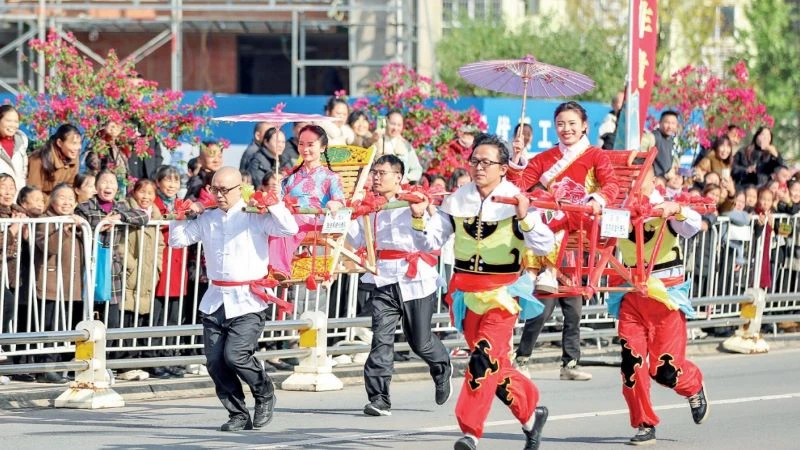
In the heart of Guangan (广安), Sichuan, the annual "Hua Ying Mountain (华蓥山) Sliding Pole Competition" has become more than just a sporting event. It is a living celebration of one of China's most cherished intangible cultural heritage projects. Held in the winter of 2024, the competition brought together 24 teams from various sectors of the city, with 48 participants competing in this fascinating cultural display. The Hua Ying Mountain Sliding Pole, known locally as "Hua Gan Tai Yao Mei (滑竿抬幺妹)," traces its origins back to the Tang Dynasty and is deeply tied to the local customs and practical needs of the area. On this brisk morning, the streets were bustling with eager spectators, young and old, who had gathered to witness this vibrant fusion of competition, culture, and community. In the competition, teams of men, known as the "bearers," lift poles with young women, or "Sisters," sitting delicately on them as they navigate challenging tracks. It's not just a race; it's an art form, a cultural ritual, and a celebration of local history. What makes this event particularly unique is its ability to blend traditional elements with the energy of modern sports. The event features not only skill-based performances… -

Explore the Success Story of Bijie City
In the heart of Bijie (毕节), a city in Guizhou Province, the transformation of intangible cultural heritage (ICH) is rapidly taking place. From bustling cultural workshops to innovative experiences in schools and tourism, Bijie is proving that preserving ancient traditions can be a powerful tool for modern development. A mix of digital preservation, community engagement, and creative partnerships has led to the revitalization of traditional arts like Miao (苗族) embroidery, Yi (彝族) lacquerware, and the Miao Lusheng dance (苗族芦笙舞), creating a cultural phenomenon that benefits both the local community and the wider world. The city's success story is reflected in its increasing number of non-heritage workshops, experience spaces, and cultural products. With 77 ICH workshops and 47 experience spaces already established, Bijie is setting a powerful example of how to integrate traditional crafts into modern life. This hands-on approach has attracted both domestic and international tourists eager to witness the creativity and artistry of Bijie's heritage. Among the standout moments of this transformation was a recent visit by dozens of Asia-Pacific journalists to the Miao Embroidery and Batik Workshop in Huawu Village. Mario Pasca, a reporter from Indonesia National Radio, marveled at the intricate patterns and techniques of Miao embroidery,… -
6 Must-Visit Instagrammable Spots in Chengdu
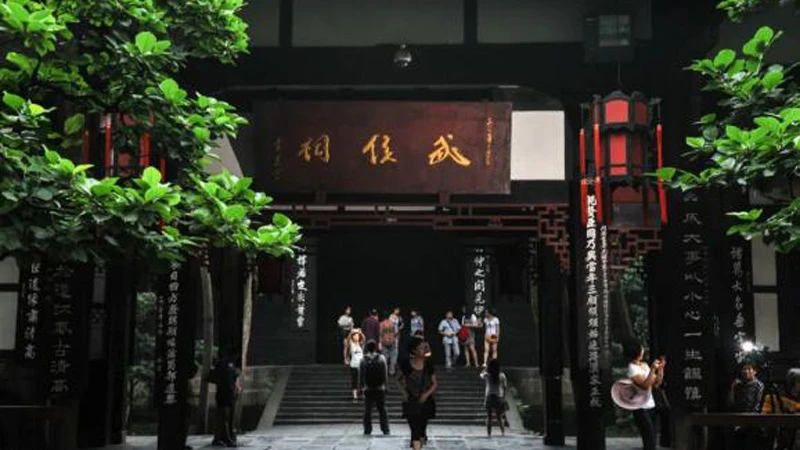
1. Nanjiao Park (南郊公园) If you’re visiting Chengdu and seeking a blend of natural beauty and historical charm, Nanjiao Park is a hidden gem that should not be overlooked. Situated at 235 Wuhouci Street in Wuhou District, this park has a rich history. It was built in 1943 as the burial site for Liu Xiang (刘湘). However, far from being somber, Nanjiao Park exudes a peaceful ambiance, making it an ideal place for relaxation and photography. The park is an elegant mix of classical Chinese garden elements: winding streams, quaint pavilions, and bamboo forests enveloped by striking red walls. This creates an atmosphere that is both serene and aesthetically pleasing. The park’s spacious layout allows for moments of solitude amidst nature, offering visitors a sense of tranquility and escape from the hustle and bustle of city life. With its serene beauty and calm environment, Nanjiao Park is perfect for those seeking to capture Chengdu’s traditional charm in a photo. 2. Wuhou Shrine (武侯祠) No trip to Chengdu would be complete without visiting Wuhou Shrine, located at 231 Wuhouci Street in the city’s Wuhou District. Dedicated to Zhuge Liang (诸葛亮), the legendary military strategist of the Three Kingdoms period, Wuhou Shrine… -
Foreign Students' Life in Hefei, Anhui
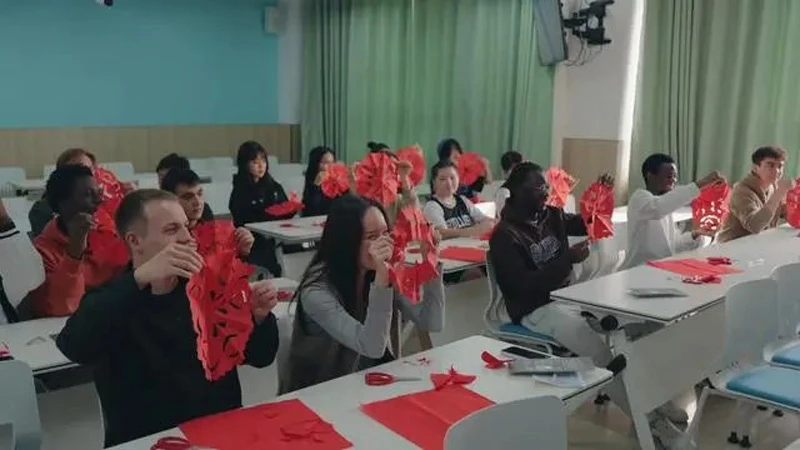
Hefei (合肥), the capital city of Anhui Province, has seen an unexpected yet vibrant cultural movement emerge—international students in local universities are embracing China's rich traditions and intangible cultural heritage (ICH). This movement, which has taken root across several universities, highlights a growing fascination with Chinese art, history, and cultural practices among the city's international student body. Hefei's universities host nearly 3,000 international students from various countries. While many come to study academic subjects, a significant number have found themselves captivated by the diverse and colorful world of Chinese traditional culture. A wide array of courses and hands-on experiences in non-material heritage has drawn these students into China's cultural fold, offering them an opportunity to connect with something far beyond textbooks and lectures. With an increasing focus on fostering cross-cultural understanding, these institutions have tailored educational programs to introduce international students to the country's most cherished cultural practices, from paper cutting to traditional Chinese medicine. The "Non-heritage Cultural Boom" in Hefei has now become an integral part of the university experience, making China's living traditions more accessible and relatable to a global audience. Learning Through Experience In the classroom and beyond, Hefei's universities have been offering a rich curriculum of… -
The Heart of Hanfu in Melbourne, Australia
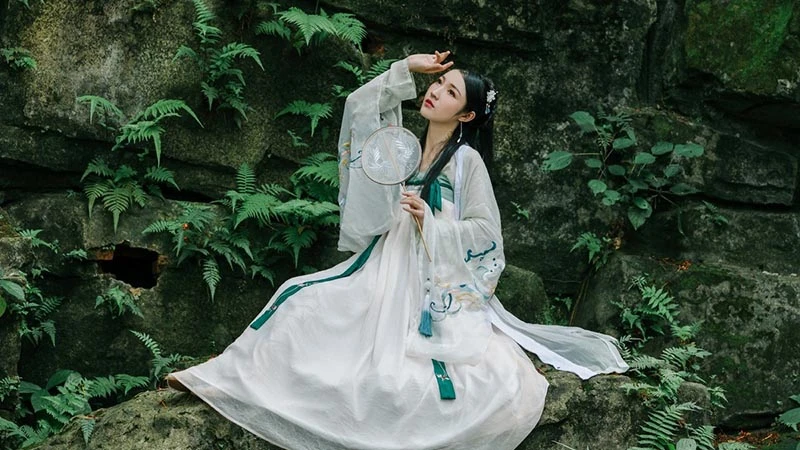
On a clear day in Melbourne, Australia, a picturesque scene unfolded as a group of students adorned in flowing Tang-style skirts hosted a cultural gathering. This unique event introduced the charm of Hanfu—traditional Chinese clothing—to a diverse audience, creating an unforgettable celebration of heritage, artistry, and community. Hanfu’s growing popularity in Melbourne owes much to the dedication of a unique community. Originally founded as a student interest group at the University of Melbourne, the Melbourne Hanfu Society has blossomed into a citywide organization, welcoming members from various universities and walks of life. Jin Qianying (靳倩莹), a graduate student in urban planning and the society's president, reflects on this evolution: “Initially, we were a small university club. Over time, more people outside our campus became interested in Hanfu, so we expanded our reach to all of Melbourne,” Jin explains. At a recent cultural gathering, the society transformed a park into a space for cultural immersion and social connection. Attendees dressed in Hanfu posed for photos, exchanged stories, and bonded over a shared passion for tradition. “Many participants said they not only experienced the beauty of Hanfu but also met like-minded individuals,” Jin adds. Reviving the Past, Inspiring the Present Hanfu’s revival… -
Dunhuang Echoes: A Timeless Fashion Odyssey
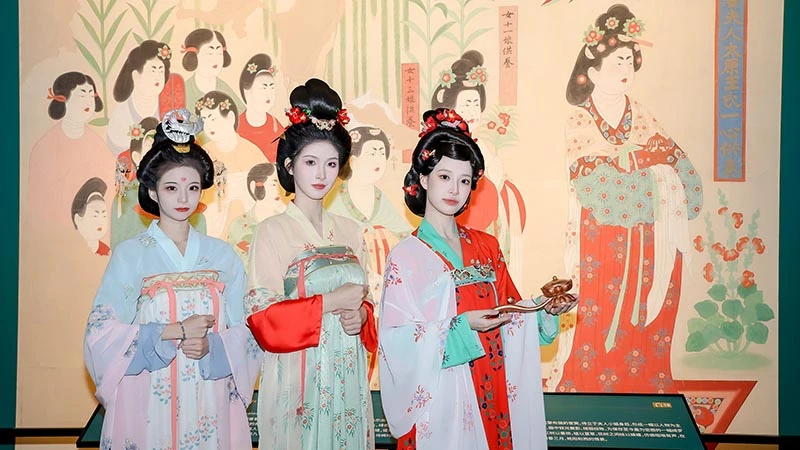
The 2024 Dunhuang Art Exhibition The highly anticipated Dunhuang Art Exhibition: "Why Dunhuang?" (何以敦煌) has captivated audiences since its opening on September 20th at the China Art Palace, drawing over 100,000 visitors from both China and abroad. The exhibition has sparked a wave of interest in traditional Chinese culture in Shanghai, and on November 23rd, it launched the "Hanfu Week" theme event, offering a unique opportunity for attendees to experience the beauty of ancient Chinese attire firsthand. In a stunning presentation, 18 Dunhuang ambassadors, wearing meticulously restored costumes based on the murals from the Dunhuang Research Institute, paraded in a fashion show titled "The Walk-Out Dunhuang Murals." The show brought to life the vibrant, ancient world of Dunhuang, giving visitors an unforgettable experience that spanned across time and space. Dunhuang Hanfu Week Set against the backdrop of the grand China Art Palace, an enormous floor-to-ceiling mural depicting the "Three Rabbits with Lotus Flowers" greeted visitors. This symbolic artwork guided them into the magical world of Dunhuang, where the ambassadors seemed to emerge directly from the murals, walking through the desert sands of the Silk Road, and inviting guests to embark on a visual journey. With their graceful steps and elegant… -
Chengdu’s Hanfu Week at Shuyi Theater
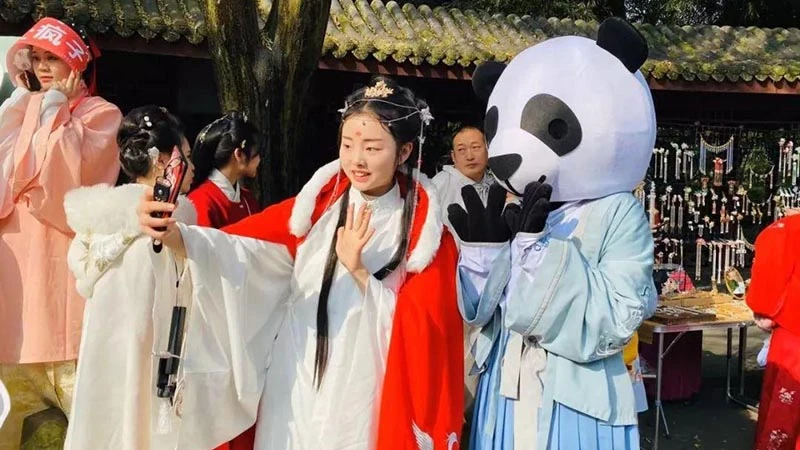
China’s 5,000 years of civilization are woven with vibrant traditions, and among them, the art of clothing stands out. Today, as the Hanfu resurgence sweeps the nation, Chengdu seizes this momentum to craft a unique cultural identity. The third annual “Yi Qi Jin Guan Cheng” (衣起锦官城) Hanfu Week, held at Wenshufang’s (文殊坊) Shuyi Theater (蜀艺剧院), exemplifies the city’s ambition to fuse heritage with innovation. This year’s highlight? A groundbreaking Hanfu-themed talk show that broke away from the conventional stiffness of forums. Featuring industry pioneers and cultural enthusiasts, the event sparked fresh conversations about leveraging Hanfu as both a cultural symbol and an economic engine. Hanfu is more than attire; it’s a cultural bridge between cities. The event featured prominent voices from historical hubs like Luoyang, Xi’an, Beijing, and Hangzhou, each sharing their success stories in integrating Hanfu into tourism and urban branding. Luoyang: Reviving the Silk Road Aesthetic As a city steeped in dynastic history, Luoyang has embraced Hanfu to invigorate its tourism. Huang Xiaofeng, a Hanfu brand founder, shared how the "Hanfu economy" has transformed local industries—from cultural tours to traditional manufacturing. "Luoyang and Chengdu share a common vision: creating a network of Hanfu cities to preserve and celebrate… -
The New Wave of Traditional Chinese Fashion
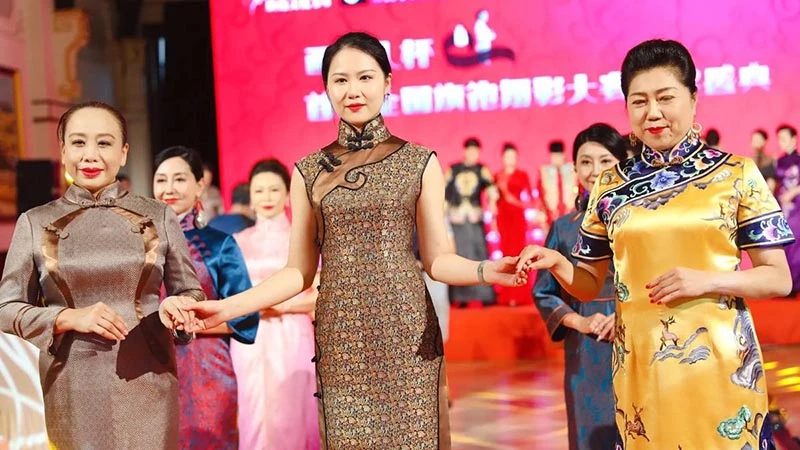
The Rise of Traditional Wear in Modern China China’s cultural revival has swept through its fashion scene, with traditional garments like the qipao and hanfu reclaiming their places in the limelight. This resurgence reflects a growing appreciation for cultural heritage, as well as a desire to reimagine the past through modern lenses. Among these garments, the qipao—China's iconic dress known for its elegance and form-fitting silhouette—has become a beloved representation of China's intangible cultural heritage. Infused with the elegance of a bygone era, the qipao is more than just attire; it’s a poetic, historical tapestry woven with tradition, grace, and beauty. In Tianjin's Chifeng Street, nestled amid the bustle of city life, stands a historic qipao boutique, Ji Qing Xiang (吉庆祥) Qipao Family Store. For over 140 years, Ji Qing Xiang has been a steward of qipao craftsmanship, evolving from a modest fabric shop to a renowned custodian of traditional Chinese attire. Here, where history lingers in every corner, founder Li Qing’s descendants now introduce modern twists into their creations, appealing to the tastes of young fashion enthusiasts. A Young Artisan at the Heart of Tradition At the helm of Ji Qing Xiang’s legacy is Ji Ruqing (吉洳庆), the fifth-generation… -
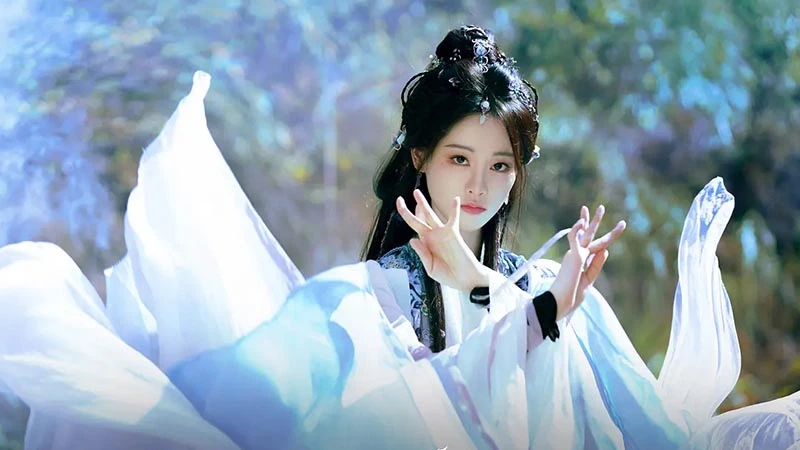
Love Game in Eastern Fantasy: The Allure of Fantasy Crossover Dramas
In China, fantasy dramas have seen a surge in creativity, blending unique storytelling approaches with a variety of cultural elements. Among them, Love Game in Eastern Fantasy (永夜星河) has captivated viewers with its hybrid concept—a modern protagonist thrust into a mythical world—and its exploration of human and supernatural coexistence. The show, featuring Yu Shuxin (虞书欣) and Ding Yuxi (丁禹兮), quickly ascended to the top of popularity charts with its immersive visuals, intricate costumes, and engaging storylines. It combines space-time crossover with an unconventional “gameplay” narrative, earning accolades from younger audiences. A Fresh Take on Crossover Drama What sets Love Game in Eastern Fantasy apart is its inventive premise. The story follows Ling Miaomiao (凌妙妙), a spirited modern woman who accidentally enters a supernatural novel’s world. Trapped in the role of Lin Yu, a secondary character, Miaomiao is bound by a quest system. Her survival hinges on completing two daunting tasks: slaying a powerful demon and winning the heart of the aloof "Black Lotus," Mu Sheng (慕声). Success means returning to her world; failure, however, seals her fate within the story. The plot is delightfully game-like. Ling's journey begins with a “tutorial” phase, rife with setbacks such as lightning strikes and… -
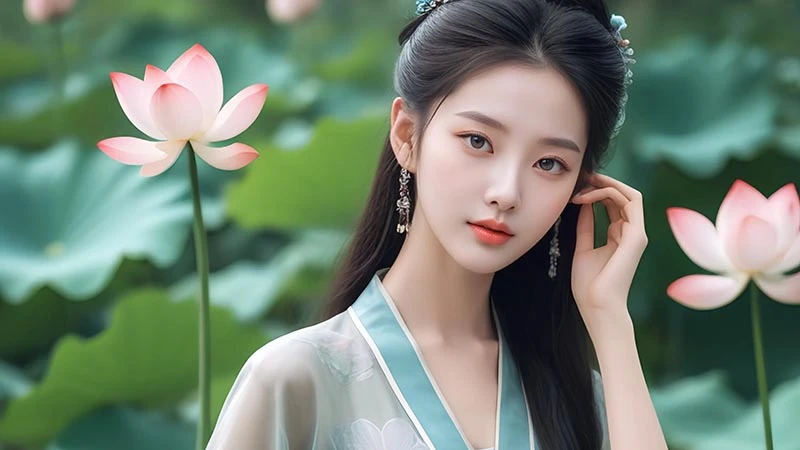
The Hanfu Craze in Guangzhou City
In recent years, Guangzhou has become a vibrant canvas for Hanfu culture, with enthusiasts donning traditional Chinese attire on festive streets. These flowing garments, reflecting ancient Chinese aesthetics, are more than just fashion statements—they embody a deep appreciation for cultural heritage. From bustling commercial hubs to serene gardens, Hanfu's resurgence highlights the city’s commitment to celebrating tradition in contemporary ways. The Rise of the Hanfu Economy The booming popularity of Hanfu has transformed parts of Guangzhou into cultural hotspots, with businesses catering to this niche. Areas like Yongqingfang (永庆坊) and the cultural zone around the Guangzhou Cultural Center have become home to flourishing Hanfu shops, offering everything from rentals to professional makeup and photography services. For as little as 28 yuan, customers can rent a Hanfu outfit; full makeup and photography packages start at just over 100 yuan. Shops like those managed by Xiaoxiao (晓晓), a young entrepreneur, stock hundreds of Hanfu pieces—ranging from intricate Tang dynasty robes to elegant Song dynasty styles and stately Ming dynasty attire. "Our collection spans diverse styles and price points," Xiaoxiao explains. "Even though my shop is small, our inventory is worth over 200,000 yuan." Other areas, such as Dezhen Science and Technology Innovation… -
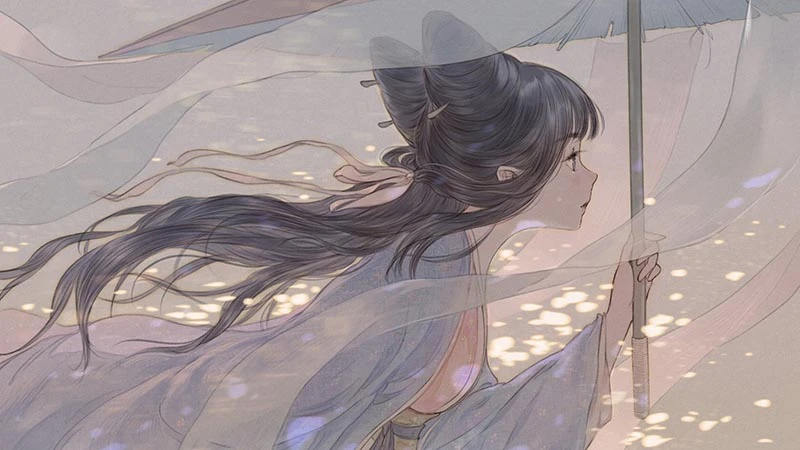
The Umbrella Fairy: A Journey Through Chinese Heritage
In the vibrant world of Chinese animation, The Umbrella Fairy (伞少女) has taken center stage, weaving an enchanting tale that draws audiences deep into the heart of Chinese culture. Adapted from the award-winning original comic series The Umbrella Fairy’s Dream, created by writer Zuo Xiaoling (左小翎) and artist Wei Ying (魏莹), this animated film combines traditional aesthetics with a modern narrative that resonates universally. Lauded by both domestic and international audiences, this animated film highlights China’s rich tapestry of heritage, featuring traditional artistry alongside an original storyline that connects deeply with contemporary viewers. From the moment the film begins, viewers are immersed in a mystical environment: the Cabinet of Sentiments, a repository of China’s rarest artifacts, each imbued with its own spirit, or "object soul." Through this magical cabinet, the film introduces the “umbrella spirit” Qingdai (青黛) and the “sword spirit” Wanggui (忘归), two mystical beings bound to serve and protect their historical treasures. Their bond is intense, rooted in Qingdai’s simple wish to remain with Wanggui in peace. But Wanggui’s quest for vengeance after her owner’s tragic fate pulls her out of this haven, compelling Qingdai and a young apprentice named Moyang (墨阳) to set out on an adventure…