Article
Search results:
-
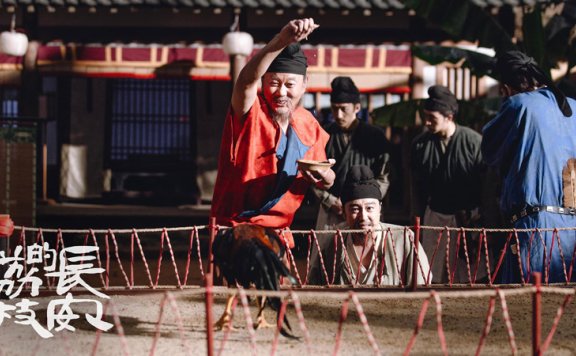
The Litchi Road: An Ancient Workplace Survival Guide
As a popular choice for screen adaptations, the novels of Ma Boyong always garner widespread attention when brought to the screen. The recently aired The Litchi Road is yet another work of Ma Boyong, following the success of The Longest Day in Chang'an, LUOYANG and Under the Microscope, that has been adapted into a TV series. The Litchi Road is produced by China Central Television, China TV Drama Production Center, Penguin Pictures, and Liubai Film & Television. Directed by Cao Dun and Gao Xiang, with Ma Boyong as a story consultant, the series stars Lei Jiayin and Yue Yunpeng. It is a witty drama that blends ancient and modern sensibilities. The story takes place during the Tang Dynasty and follows Li Shande, an inconspicuous low-ranking official in Chang'an, who is framed and reluctantly tasked with the nearly impossible job of transporting fresh lychees from Lingnan to Chang'an. With a tight deadline and limited resources, Li embarks on a journey that spans over a thousand miles to complete the mission. Known for using high-density information to drive the narrative forward, Ma Boyong is also adept at focusing on the fates of small characters. The Litchi Road continues this tradition, earning it… -
The Ancient Wisdom of Food as Medicine
"Come over next Saturday night," Chef Yang Boying said. "I'll make an old school dish—cordyceps duck. You won't find it in restaurants these days." I arrived right on time. Yang lifted the lid off a steaming pot, releasing the scent of something rich and ancient. Inside was a rustic farm duck, slow-steamed for four hours in a dark, nourishing broth. Sprouting from the skin were black threads that looked like rat tails—twenty pieces of cordyceps, carefully skewered into the flesh. The sight was strange, even a little eerie, but the aroma was unforgettable. Medicine and Food Share the Same Root Cordyceps duck (虫草鸭子), a medicinal classic from 19th-century Sichuan, embodies the Chinese belief that food and medicine share the same root. Once served at Chengdu's Tong Ren Tang—a pharmacy that also sold nourishing dishes—it was never just a meal. Cordyceps, a rare fungus that grows from caterpillars, is prized in traditional Chinese medicine for enhancing energy and immunity. The method used to cook this duck—piercing it and inserting the fungus by hand—was both precise and poetic. Today, few make it this way. The cordyceps are usually tossed into the pot with the duck, no fancy presentation. But Yang prefers the… -
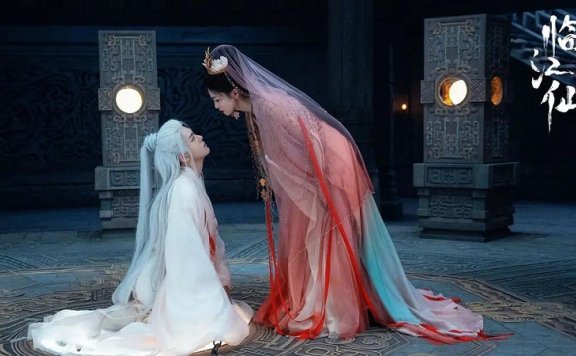
Sea of Hatred, Sky of Love: A Distinctly C-Drama Narrative Craving
The distinction between modern and period idol dramas is particularly stark lately—modern ones depict characters "falling deep in love", while period ones are heavily featuring the "Sea of Hatred, Sky of Love" trope. Take the modern idol drama Be Passionately in Love (陷入我们的热恋), which focuses squarely on passionate romance. It follows a pure love line both on and off-screen—kissing scenes require camera angles! In contrast, the period idol drama Feud (临江仙) features two immortal leads who have already married twice, had a child, and are now going through divorce. Their story follows the path of love turning to intense hatred, a dynamic of mutual affection and mutual destruction. Feud isn't the only recent period idol drama embracing this "Sea of Hatred, Sky of Love" setup. In The Prisoner Of Beautyl (折腰), the male and female leads are heirs to feuding families who form a grudging union. The warlord Wei Shao bends for love, setting aside his hatred. While The Legend of Zang hai (藏海传) might not be a standard period idol drama, its romance subplot is textbook "Sea of Hatred, Sky of Love". Remarkably, the cluelessly cishet director even managed to infuse the dynamic between Zang Hai and Marquis Pingjin… -
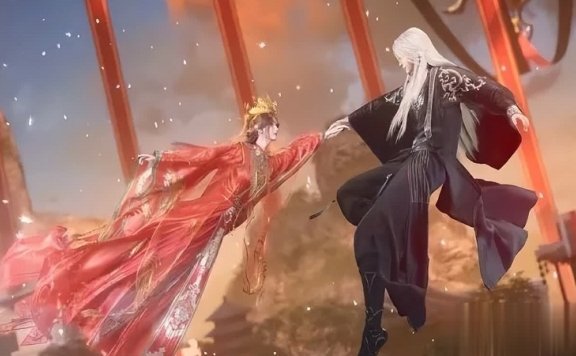
Renegade Immortal: Qidian-Style Progression Meets Jinjiang-Style Romance
The Chinese anime Renegade Immortal (仙逆) recently released its theatrical film Battle of Divine Descent. Adapted from Er Gen's xianxia web novel, Renegade Immortal follows Wang Lin, an ordinary boy who defies fate to cultivate immortality. Its 2023 anime adaptation received consistent acclaim, transitioning from seasonal to year-round release status. As the franchise's first theatrical film, Battle of Divine Descent was highly anticipated. While its pacing received mixed reviews compared to the series, it delivered abundant romantic moments for the main couple, proving highly appealing to shippers and maintaining strong popularity. Renegade Immortal's success stems from its mastery of blending male-oriented and female-oriented narrative appeals: Protagonist Wang Lin operates with ruthless decisiveness, delivering high-octane satisfaction for action fans. His character design is exceptionally handsome, and he exhibits unwavering devotion to the female lead Li Muwan. He represents a rare "exemplary fidelity" archetype within male-oriented narratives, whose romantic depth rivals dedicated love interests in female-oriented stories. The "Lin-Wan" couple pairing has attracted a massive fandom, including significant female viewership. News of an upcoming live-action adaptation has sparked heated discussion. While such adaptations cannot replicate the anime's approach, Renegade Immortal offers valuable insights for male-oriented IPs seeking broader audience appeal. The Anime's… -
Historical Dramas: A Tough Sell?
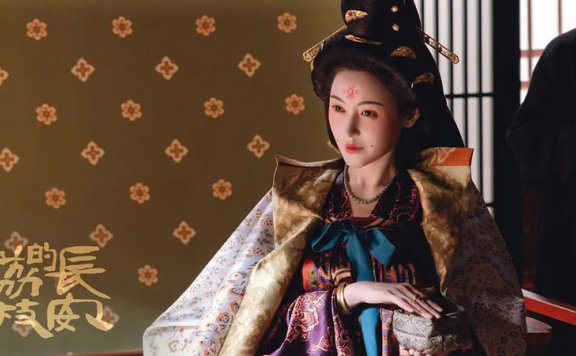
Since its premiere, The Litchi Road (长安的荔枝) has experienced a somewhat slow start. So far, the show's share on Yunhe platform has stabilized around 10%, which suggests that the effective per-episode view count hasn't broken the 10 million mark. Meanwhile, social media discussions show the series lacks breakout topics and overall buzz remains limited. Even on television, where historical dramas typically hold an advantage, The Litchi Road failed to ignite major interest. According to Kuyun statistics, after airing on CCTV-8, the daily ratings dropped from 1.4885 at debut to 1.2093 by June 10th. This raises another question: can historical dramas still activate the market today? Historical dramas—including both serious and legendary genres—have been frequently discussed in the industry over the past two years. Last spring's industry conference featured multiple remarks suggesting "historical dramas may make a comeback as a new market hotspot." A series of projects are also underway, positioning this genre as a key effort to solve current content challenges and boost the market. The reason lies in the past super high popularity of historical dramas on TV, which made people see the potential for activating diverse audiences. But judging by recent project performances, this assumption deserves a question… -

Food Divination: A Gentle Negotiation Between Humans and Fate
Every year, during the Dragon Boat Festival (端午节), you'll see families across China hanging bundles of mugwort (艾草) on their doors, wearing fragrant sachets close to their bodies, and tying colorful threads on children's wrists. In places like Henan and Zhejiang, pots are filled with garlic and eggs. These time-honored traditions, passed down for thousands of years, form a complete "protective system" against evil spirits. But the Dragon Boat Festival isn't just a day to remember the poet Qu Yuan. Its long-standing folk practices signify a celebration of life, a prayer for the living, and a struggle against the uncertainty of life. Traditional Food Rituals as Protection During Festivals A saying goes, "If you don't wear mugwort on Dragon Boat Festival, you'll turn into a ghost after death." Mugwort and calamus, often placed at the thresholds of homes, act like plant-based charms, creating a symbolic barrier to safeguard both family and body. Food, which enters the body directly, forms an even closer connection with people and is given the special power to ward off evil spirits. For example, the red beans, salted egg yolks, and salted meats wrapped inside zongzi (粽子, traditional sticky rice dumplings) are considered "yang objects" (阳物),… -
Director Cao Yiwen Reveals the Making of The Legend of Zang Hai
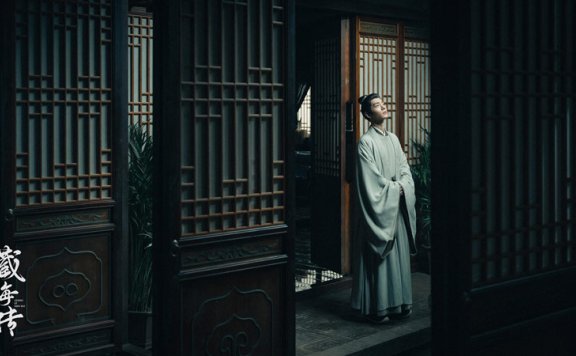
If you're still haunted by the twists and emotional gut-punches of The Legend of Zang Hai (藏海传), you're not alone. Whether it's the tangled web of loyalty between Zang Hai and his mentor Zhao Bingwen, or the eerie suspense surrounding the elusive "third man," social media remains ablaze with fan theories and character dissections. And here's the kicker—unlike your typical revenge fantasy where the protagonist rises through sheer plot armor, The Legend of Zang Hai gives us a tragic, deeply psychological hero. Zang Hai's arc has become a spiritual sinkhole fans can't stop falling into. Viewers don't just watch him—they breathe with him. What made this slow-burn success possible? According to the show's general director Zheng Xiaolong, much of the credit goes to a fresh face behind the camera: young director Cao Yiwen, whose approach breathed new life into the genre. His unique directorial style has fostered a whole ecosystem of fan-made scripts and alternative readings—what Chinese netizens call "wild screenwriters" (meaning audiences passionately creating their own interpretations and continuations of the plot). Tracing Cao's Creative Footprint Rewind to 2020, and you'll find Cao's name on another unconventional title: To Love (最初的相遇,最后的别离). It wasn't just another noir-tinged romance—it brought a… -

TV Drama Sparks Lychee Craze
In the summer of 2025, China’s screens are awash with the lush landscapes of The Lychees from Chang'an (长安的荔枝). In this historical drama, Tang Dynasty clerk Li Shande (李善德) races against time to deliver fresh lychees from Lingnan (岭南,modern Guangdong) to the emperor in Chang’an (长安, today’s Xi’an). Beyond its cinematic appeal, this series has unleashed an unprecedented cultural and economic wave-dubbed the “lychee fever”-reshaping industries from agriculture to tourism. The Consumer Frenzy: When Drama Fuels Demand Lychee sales have exploded since the show’s debut. Data from JD.com reveals a staggering 560% year-on-year surge in Guangdong (广东) lychee purchases, while searches for ”Guangdong lychee” on Meituan spiked 143% in early June. Supermarkets now feature dedicated lychee displays, and premium varieties, such as Feizixiao (the “Imperial Concubine’s Smile,” named after the royal favorite of the show), sell out daily. The show’s marketing genius lies in its immersive cross-promotion. Actors like Lei Jiayin (雷佳音) post videos urging fans to “eat lychees while watching Lychee,” while social media campaigns like #EatWithRoyalLychee trend nationwide. Brands have jumped in too: limited-edition lychee gift boxes, packaged with Tang Dynasty aesthetics, fly off the shelves, blending historical fantasy with modern snacking rituals. Even celebrities amplify the hype. Shu Qi’s (舒淇) viral selfies of munching lychees while binge-watching epitomize the cultural moment. As one… -

Top 4 Chinese Costume Dramas in 2025
The year 2025 has unleashed a treasure trove of Chinese costume dramas that transcend borders, blending intricate storytelling, stunning visuals, and themes resonating with modern audiences. From the sweat-drenched desperation of a Tang Dynasty civil servant to the mind-bending terror of ancient artifacts, these series offer more than escapism—they deliver cultural depth, heart-pounding suspense, and romance that lingers. If you’re craving narratives where history collides with high stakes and emotional payoff, these five titles are your must-watch list. Trust me, your next obsession is waiting. 1. The Litchi Road Move over, fantasy cliches. 2025’s standout dramas are rewriting the rules, grounding even the most outlandish concepts in human struggle and historical grit. Take The Litchi Road (长安的荔枝). Based on Ma Boyong’s (马伯庸) ingenious novel, it follows low-level official Li Shande (played by the effortlessly relatable Lei Jiayin) who’s handed a bureaucratic death sentence: deliver fresh lychees from tropical Lingnan (岭南) to the emperor in Chang’an-1,500 miles in three days before the fruit spoils. It’s a logistical nightmare wrapped in Tang Dynasty politics, earning its nickname as “ancient survival horror” for its depiction of workplace betrayal, impossible deadlines, and ingenious pre-industrial “cold-chain tech” involving brine and nested jars. Lei’s everyman desperation is perfectly offset by Yue Yunpeng (岳云鹏) as his wisecracking brother-in-law, Zheng… -
The Fashionable Neckkerchief in Ancient Costume Dramas
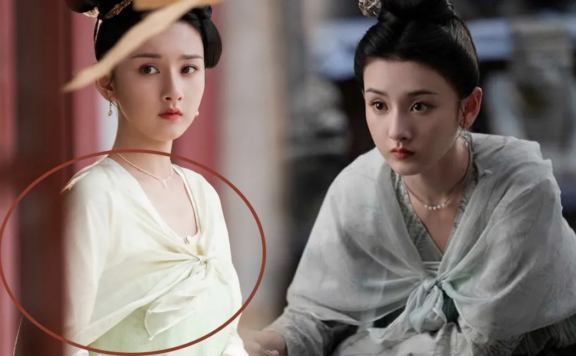
Have you ever seen a neckerchief in a costume drama for the first time? In the costume drama Unburdened Ferry, Duan Banxia, played by Song Zuer, often appears wearing a short shawl. It looks like a pibo (披帛), but the way of tying a knot in front of the chest is so similar to our modern neckerchief. Could this also be a kind of "time - traveling" fashion? Let's answer first. It's called a "neckerchief". Similar ways of wearing it were seen in the Northern and Southern Dynasties, and it became even more popular during the late Tang, Five Dynasties, and the Northern Song. It should be an extended style of the pibo or peizi (帔子), but actually shorter and wider than the pibo. It's mainly used to wrap the neck, keep out the cold, and match clothes. In the painting The Picture of Proofreading Books in the Northern Qi Dynasty, we can see the tying style of the neckerchief of ladies in the Northern and Southern Dynasties. At this time, peizi already existed and was once commonly in a "short and wide" style, which is very similar to the neckerchief we see later. After the Wu Zhou period, something… -
Zhang Manyu: The Epitome of Cheongsam Goddess
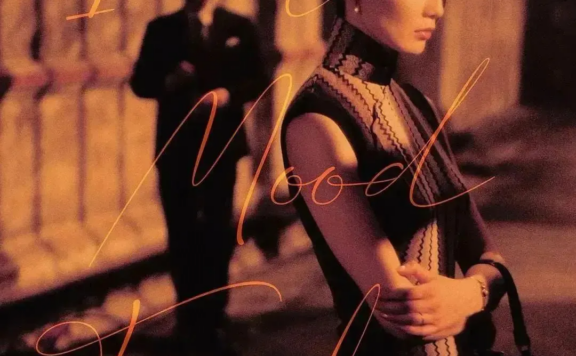
"If I had a ferry ticket, would you come with me? If there was another one, would you take me along?" Whenever I hear this line, the classic melody by Shigeru Umebayashi plays in my ear, and the scene unfolds before my eyes: Su Lizhen (played by Zhang Manyu) in a cheongsam, carrying a thermos and buying a bowl of wonton noodles on the street in the dimly lit alley at night, then meeting Chow Mo-wan (Tony Leung) who's also caught in the rain on her way back... The ambiguous tension brews quietly, with a foreseeable ending. This is Wong Kar-wai's artistic expression of love, and this line has become the most regrettable confession in Chinese film history. If there's a movie that can fully showcase the beauty of cheongsams, it must be "In the Mood for Love". Even 23 years after its release, Su Lizhen played by Zhang Manyu still lives in the hearts of countless audiences. Few can wear cheongsams as impressively as she did. Her tall and slender figure, graceful posture, and every step exude charm. The grace of the cheongsam and the reserved charm of Oriental women blend perfectly, presenting a multi - dimensional view of… -
Beauties in Xinjiang, Goddesses in Dunhuang Murals
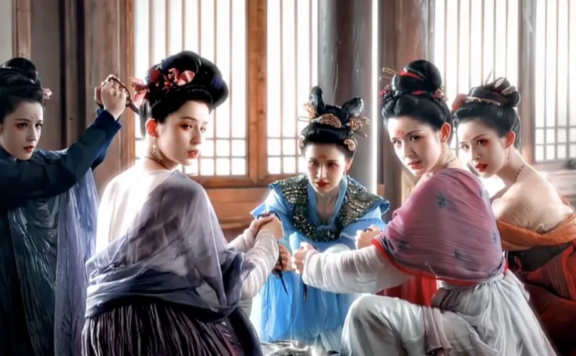
In the ancient - costume drama The Longest Promise, Hanikiz's Tang - style makeup was truly impressive. Considering her previous Dunhuang - themed looks, netizens exclaimed that she was the 'Chosen One of the Tang Dynasty'. Why do we have such a strong impression of this kind of makeup? Let me start with the conclusion. We often say that the 'Hu style' prevailed in the Tang Dynasty. But where did this 'Hu style' come from? Looking back at this trend, the Uyghur people are a prominent example. The Uyghurs were originally called 'Huihe'. Through historical development and evolution, they eventually became the Uyghur ethnic minority we know today. The Uyghurs have distinct facial features, with thick eyebrows, big eyes, and three - dimensional facial structures, along with a strong and healthy build, which gives people a strong sense of the 'Hu style'. The historical influence of the Uyghurs is also profound. Before the Tang Dynasty, they were called 'Huihe' and once submitted to the Turks. Later, when the Turks were in turmoil and the Tang army attacked the Turks, they helped the Huihe establish the 'Uyghur Khaganate'. From then on, they 'abandoned their nomadic lifestyle and became sedentary people', which… -
Why Are the Necklines Pulled So Low in Cdramas?
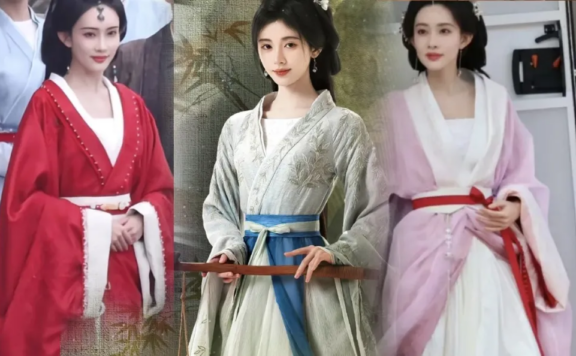
Recently, the new drama styling of Meng Ziyi has sparked quite a controversy. This large neckline design that reveals the collarbone, which we seemed to only see in early costume dramas, is popular again. In fact, this design isn't just in TV dramas but also in ancient - style photo studios everywhere. Some people even deliberately lower the collar to show their collarbones and camisoles. This somewhat revealing image is more like 'border - crossing' rather than creating an ancient - style atmosphere. Does this way of dressing really exist? First, there were indeed wide - necked robe designs in the Qin and Han dynasties, used as outerwear when layering. Later, during the Northern and Southern Dynasties, it was mainly applied to ruqun (a traditional Chinese women's clothing style), a transition from the shallow cross - collar to the front - closing collar similar to that in the Tang Dynasty. However, this way of dressing was revealing but not alluring, having nothing to do with border - crossing. How wide could the necklines be in the Qin and Han dynasties? The side width of the neckline of the straight - skirted robe N10 in the Mashan Chu Tomb was 43… -
How to Choose Qipao for Lantern Festival
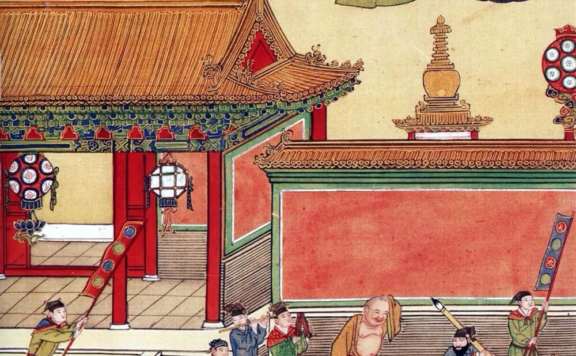
The Lantern Festival, as the last important festival in the Chinese Spring Festival customs, is an ancient festival that has lasted for more than two thousand years. In the ancient Chinese calendar, the first lunar month is called the Yuan month. According to Shuowen Jiezi, "Yuan" means the beginning, and "Xiao" means night. The 15th day of the first lunar month is the first full - moon night of the year, a time when everything begins anew and spring returns to the earth. So, this day is called the Lantern Festival, also known as the Shangyuan Festival. Since there is a custom of hanging lanterns on this day, it is also called the Lantern Festival. There are also some religious origins among its many meanings. In Taoist culture, as recorded in Dream of the Liang Record written by Wu Zimu in the Song Dynasty, "The 15th day of the first lunar month is the Yuanxi Festival, the time when the Heavenly Official of Shangyuan bestows blessings." In the Southern Dynasties, Imperial Decree of Emperor Yuan of Liang also recorded that "Shangyuan is the time when the Heavenly Official bestows blessings; Zhongyuan is the time when the Earthly Official pardons sins;… -
Legend of Zang Hai: Xiao Zhan’s Restraint
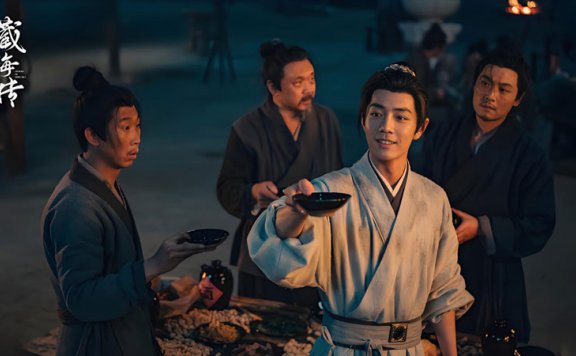
Fresh from the editing suite and diving into interviews, The Lost Tomb Reborn (Zang Hai Zhuan) director Cao Yiwen (曹译文) radiates energy discussing the show's global impact. Premiering on May 18th on CCTV-8 and Youku, the drama sparked discussions across 190 regions, igniting fan theories and creative buzz. Cao credits its success to intentional narrative gaps. "We planted 'hooks' and left space for fan creation," he shares. This deliberate openness fueled a dynamic wave of audience participation. But how did a period drama sustain such fervor? How did protagonist Zang Hai's (藏海) journey captivate millions? Director Cao reveals his approach. Starring Xiao Zhan (肖战) as Zang Hai, the series avoids flashy revenge tropes. "We focused solely on Zang Hai's fate," Cao states. "His revenge stems from devastating personal loss -the destruction of his innocent childhood. We built his growth meticulously." This meant rejecting overpowered heroes. Despite talents in geomancy (Kanyu) and architecture (Ying Zao), Zang Hai starts as an underdog. "He’s smart, young, inexperienced within brutal feudal power structures. He faces real setbacks." Complexity extends to the villains, notably the fan-dubbed "Skinny Monkeys" (Pi Jin Hou Nan Tuan) – Yang Zhen (杨真), Qu Jiao (瞿蛟), and Chu Huaiming (褚怀明). Cao… -
Do Female Characters in Ancient Cdramas Rarely Wear Pants?
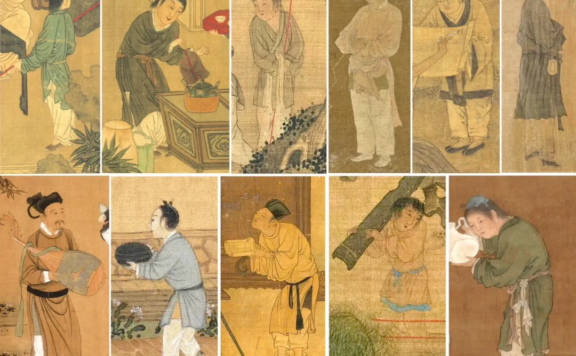
It turns out that there's not nothing under the skirts! In the ancient costume drama The Ferryman of Peace and Tranquility, the image of the puppet wearing pants is truly eye - catching. It seems that female characters rarely wear pants. After reading this, you can boldly say: Ancient women also wore leggings under their skirts, and they were even in the style of harem pants! Previously, in the drama The Splendid Life, there were scenes where the characters almost 'flashed' without leggings, which made many people mistakenly think that there were just bare legs under the skirts. This is really a big joke. Let's start with the conclusion. Pants have existed in ancient times for a long time. Crotch - sewn pants have been unearthed from the Shang and Zhou dynasties. In the Tang Dynasty, a kind of harem pants that could be worn outside even became popular. They had a design to cinch the cuffs, which was very fashionable and convenient for daily life. Similar harem pants appear in The Ferryman of Peace and Tranquility and The Gorgeous Empire. Don't they look exactly the same as the harem pants we wear now? This kind of pants appeared earlier… -
Did Ancient Times Have Realistic Wig Technology?
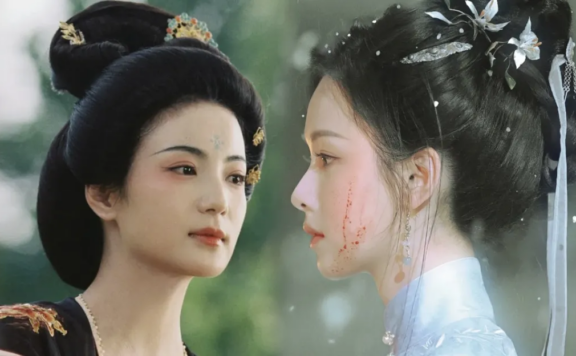
In historical Cdramas, we often come across women sporting exaggerated and voluminous hairstyles, like the Ming-style makeup in When the Wild Geese Return and the Tang-style makeup in The National Beauty and Fragrance. Netizens can't help but wonder: Did ancient people really have such astonishing hair volume? The answer is no. It wasn't necessarily that ancient people naturally had thick hair. In reality, their hair density might not have been as depicted in films and TV shows. Instead, they wore wigs, known as "Yiji" (义髻) in ancient times, which were the forerunners of modern hairpieces. The trend of wearing wigs started among upper - class women. Their goal was to add volume and create more elaborate hairstyles, similar to today's hair extensions. The materials for Yiji were diverse. It wasn't limited to human hair (which was costly) but also included thin wood shavings, horsehair, etc. Generally, Yiji were made from hair or wood - based substitutes. For example, the lacquered wooden wig unearthed from the Astana Tombs in Turpan, Xinjiang, is a standard 'Single - Blade Half - Turned Chignon'. It's made of wood, painted black, and decorated with white - painted flowers, auspicious clouds, and phoenixes. The base has… -
Did Ancient Commoners Really Only Wear Coarse Linen?
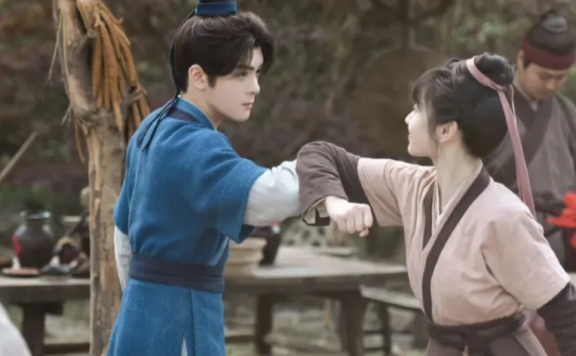
Do you also think that commoners in ancient times, like those portrayed in historical dramas, mostly wore coarse linen clothes? You might not know that ancient people also had a few decent outfits for special occasions such as festivals, visiting relatives, or attending weddings. Some have asked why we don't discuss commoners' clothing, assuming the articles only focus on noble styles. People might wonder, 'Could commoners really wear silk or gold in daily life?' There's actually some misunderstanding here. In ancient times, many trends originated among the nobility and later spread to commoners, while some crafts improved among commoners and rose to popularity among nobles. So, there was no absolute rule. Here's the conclusion: ancient clothing styles were quite similar (except for some impractical wide - sleeved designs). What people wore mainly depended on the occasion—for grand ceremonies or rituals, they would prepare finer attire. The quality of clothing was reflected in the fabric, craftsmanship, and vibrancy of colors. Another factor was occupation. Laborers wore durable clothes like hemp garments, but not all commoners worked in fields, so coarse linen wasn't universal. In the Ming Dynasty, for example, the silk industry thrived in Jiangnan (江南), and even ordinary people wore… -
Explore the Chinese Color - Hidden in Cheongsams
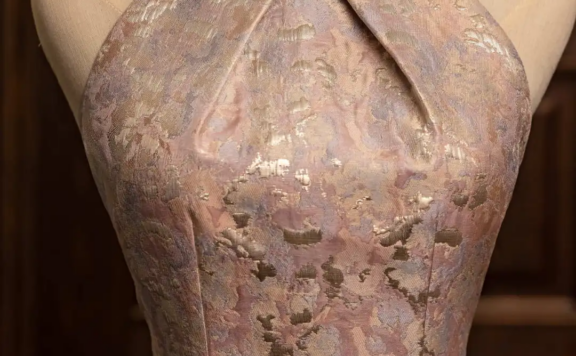
Just as Tagore described, "Every open rose brings me the greetings of that rose in the eternal spring." And as Bei Dao interpreted spring precisely, "This is spring, the wildly beating heart disturbs the floating clouds in the water." What is really disturbed? Is it the heart, or the long - awaited desire to embrace beauty after a dull winter? So, in today's issue, inspired by color - matching in dressing and using beautiful cheongsams as materials, let's explore the amazing color - matching in the eyes of cheongsam designers, which we can apply in our daily outfits. Light Colors Main color: 80% Ningzhi White (凝脂白) + 20% Apricot Yellow. This is an extremely gentle cheongsam. The warm - toned color scheme is skin - brightening and elegant, perfect for women to decorate themselves sensually. The main color, like condensed milk, comes from the traditional Chinese color Ningzhi White, which matches the charming luster of silk. It echoes Bai Juyi's famous line in "Song of Everlasting Sorrow": "In spring's cold she bathed in the Huaqing Pool, the warm water smoothed her creamy skin." The matching yellow magnolia embroidery takes the rich yellow tone of ripe spring apricots. The stronger the… -
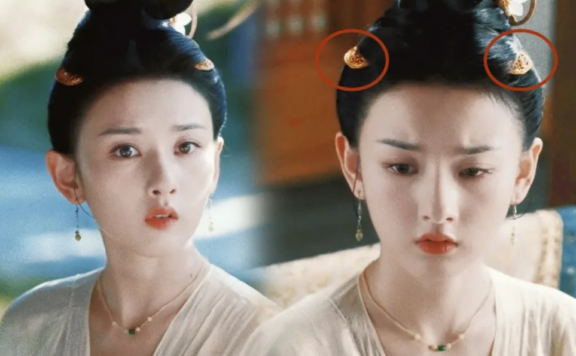
What Are the Hair Accessories of Zuer Song?
In the ancient costume drama No Worries Ferry, Zuer Song's Tang Dynasty-style bun appears simple yet elegant. The hair accessories on her temples, not overly exaggerated, perfectly complement her facial features. So, what exactly are these hair accessories called? Well, they are decorative hair ornaments. Initially, combs, Bi (篦), and Huadian (花钿) were worn on the temples, and later, specialized accessories like Lianshu (帘梳) and Yanbin (掩鬓) emerged. This way of wearing them helps fill the decorative gaps in the bun, adding layers and visually elevating the crown of the head while enhancing facial contours. Let's start with combs. This comb - wearing method has a long history, dating back to the Han and Jin Dynasties as decorative items, categorized into wide - toothed combs and fine - toothed Bi. It reached its peak of popularity during the Tang and Song Dynasties. In the mid - to - late Tang Dynasty, with the improvement of living conditions, women became more inclined to adorn themselves. They would style elaborate, tall buns and wear various hair accessories. Combs, like jade pendants, were symbols of social status. The higher one's status, the more exquisite and luxurious the combs were. Ancient combs, as hair…
