Article
Search results for the keyword [ming]:
-

Echoes of History: "Lady Qiao Guo" Premieres in Maoming
In a mesmerizing convergence of Cantonese opera and cinematic artistry, Maoming's cinema hall witnessed a momentous event on the evening of July 4th. The premiere of "Lady Qiao Guo (谯国夫人)," a film that unfolds the historical narrative of Madam Xian (冼夫人) from Qiao Guo State, a revered figure in Maoming's cultural legacy, drew an enraptured audience. This cinematic gem, recently honored at the 36th China Golden Rooster Awards for Best Opera Film, now unveils the mystique of Madam Xian's life to her hometown, eliciting fervent acclaim. Celebrating Cultural Legacy The film's narrative orbits around Madam Xian, a distinguished stateswoman and military strategist during the Southern and Northern Dynasties. Revered by Premier Zhou Enlai as "China's foremost female hero," Madam Xian's tale is artfully retold through the distinctive lens of Cantonese opera, enriching the historical tapestry with vivid theatricality. Known for her pivotal role in maintaining national unity, promoting ethnic solidarity, and advancing the development of Lingnan, the film paints a vivid portrait of her extraordinary contributions. The narrative not only highlights her historical significance but also embodies the spirit of "Good Heart Culture," a philosophy espoused by herself: "I serve three generations with one good heart." Awarded the Best Opera… -
Cdrama Virtual Technology Applications and Shortcomings
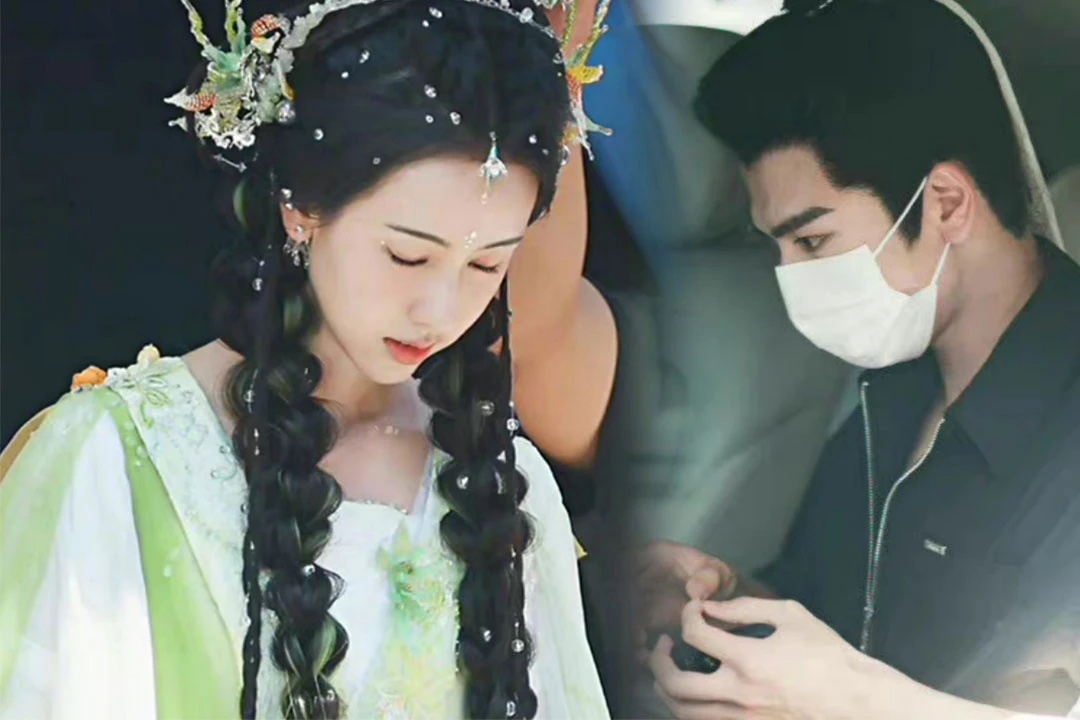
In many ways, "Moon Red Arc" exposes a crisis of stellar gravity within the realm of scriptwriting—an issue that reverberates across genres like ancient puppetry, fantasy, and martial arts. An evident phenomenon emerges: even this year's frontrunner in the genre, "Phoenix Nirvana," has failed to meet expectations in terms of both popularity and critical acclaim. In recent years, series within the ancient puppetry genre seem to be trapped in a vicious cycle, with one leg firmly stuck in the pursuit of grandiosity, meticulous production, and high viewer numbers, while the other is mired in shallow storytelling, recycled character tropes, and lackluster performances. The current state of "Moon Red Arc" epitomizes this dilemma: its script and character development lack careful refinement, instead relying on the assembly of A-list stars and bombastic marketing blitzes to satisfy the demands of fans. However, beneath the veneer of Eastern aesthetics, the series finds itself ensnared in the whirlpool of superficiality. This crisis is emblematic of a broader stagnation within the genre landscape. Despite the immense potential offered by ancient puppetry, fantasy, and martial arts dramas to explore rich cultural tapestries and deliver compelling narratives, many productions have fallen into a formulaic trap, prioritizing style over… -
New Cdrama Fighting for Love: Embark on a Journey of Youthful Determination and Heartwarming Family Connections
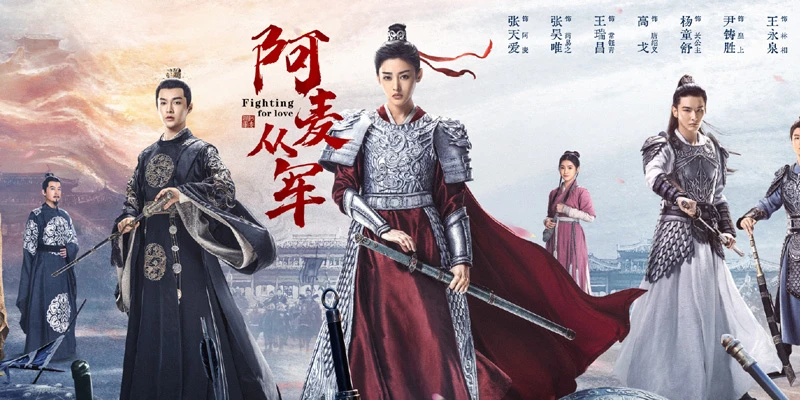
In the pursuit of innovation in the Chinese drama market, traditional costume dramas are undergoing a revolution. With the rise of popular elements such as fantasy and idol, true costume dramas are becoming increasingly difficult to find. However, "Fighting for Love" brings a breath of fresh air to the audience with its simple style and authenticity. The drama abandons the glamorous special effects, vibrant costumes, and excessive filters, presenting the essence of costume dramas. Directed by Tian Shaobo, "Fighting for Love" stars Zhang Tianai, Zhang Haowei, Wang Ruichang, and others, and premiered on January 31, 2024. A Mai, the daughter of the Duke Jing of Nanxia, is killed by Chen Qi, her childhood friend. After several years, A Mai, who has grown into a young woman, disguises herself as a man and roams the martial world in order to seek revenge on Chen Qi. By a twist of fate, A Mai saves the son of the Crown Princess, Shang Yizhi, and subsequently helps him escape from danger multiple times. Their destinies become intertwined. As war breaks out, A Mai sheds her feminine appearance and joins the army as an infantry soldier. With her exceptional military talents, she achieves remarkable feats and… -
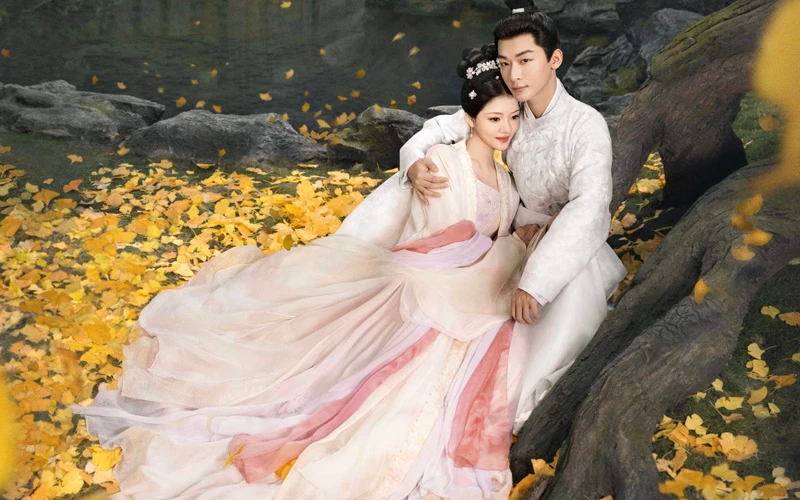
The Rise of Ning: Previewing the Upcoming Romantic Costume Drama
"The Rise of Ning" is a historical drama that combines elements of love, power struggles, family conflicts, and rebirth. Produced by Huace Film & TV, directed by Mai Guanzhi, and starring Zhang Wanyi and Ren Min. The drama is adapted from Wen Tan's novel "Shou Fu Yang Cheng Shou Ce", with the reincarnated female protagonist Luo Yining at the center of the story. It tells the story of how she gradually helps the originally destitute male protagonist Luo Shenyuan become the powerful Prime Minister of the Imperial Court, while maintaining a kind and pure heart. Luo Yining, the daughter of the Luo family, has lived a life free from the constraints of formalities and traditions since childhood. She repeatedly lends a helping hand because she cannot bear to see others bullying her "third brother" Luo Shenyuan. As time goes by, she gradually discovers that Luo Shenyuan, who appears to be down and out, is actually talented in both literary and martial arts. Having been hurt in love, Luo Yining is determined not to be confined to the mansion and be at the mercy of others. She aspires to break away from old conventions and start her own business using her… -
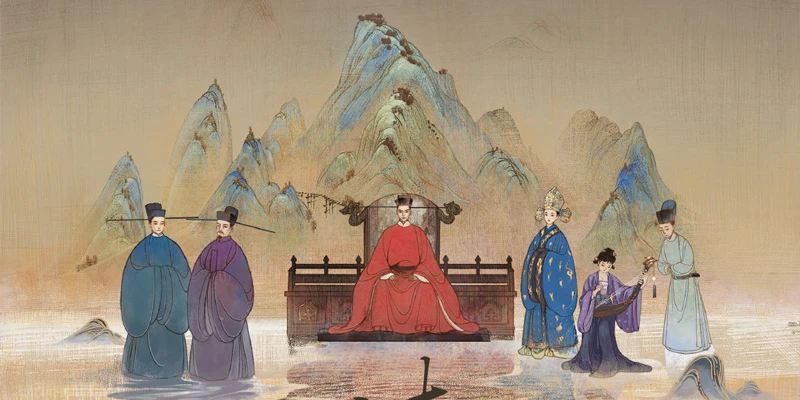
Anticipating the Historical Splendor of the Song Dynasty in the Upcoming Period Drama of 2024
The Song Dynasty was a prosperous era of cultural and artistic flourishing, and in recent years, there has been an increasing number of dramas set in the Song Dynasty. However, the Song dynasty trend depicted in "Serenade of Peaceful Joy" and "Palace of Devotion" failed to gain momentum. The only drama that consistently dominates the screen is "The Story of Ming Lan", which, although drawing references from Song Dynasty costumes and artifacts, is still a "Song-like drama" with a blurred portrayal of the historical era. Currently, the creation of Song Dynasty dramas is still on the rise, and it is expected to reach a small peak in the next two years. Firstly, the adaptation of "Riverside Scene at Qingming Festival" into a drama has received close attention, with Zhang Songwen leading the cast. This has also brought a wave of popularity to "Along the River During the Qingming Festival". It tells the story of Zhao Buyou, a minor official in the Xuanhe period of the Northern Song Dynasty, and his family's involvement in solving numerous extraordinary cases. Filming began in October last year and is still in progress. Another drama set in the background of Emperor Renzong's reign in the… -
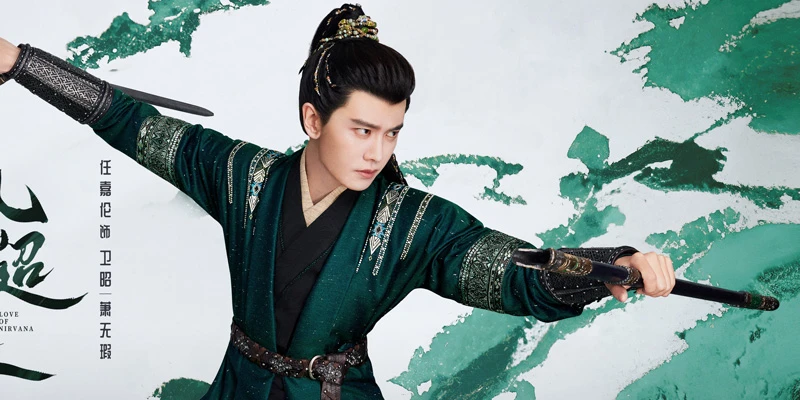
Upcoming Cdrama Love of Nirvana: A Captivating Glimpse into a Tale of Romance and Political Intrigue Drama
Period political drama is a popular genre in the Cdrama market, and it has always had extraordinary appeal. From "Legend of Concubine Zhen Huan" to "Nirvana in Fire" and "Story of Yanxi Palace," whether based on real historical events or fictional stories set in an alternate history, the power struggle between characters and the political intrigue in the court always arouse the curiosity and thirst for knowledge of the audience. They hope to see how the protagonists cleverly deal with various challenges. Among them, the genre of alternate history allows for the free play of imagination, creating a unique worldview and story background without being limited by real history. Because the audience does not know how the story will develop, this sense of unknown excites and anticipates them even more. Recently, the period drama "Love of Nirvana," adapted from the alternate history novel by Xiaolou, announced its completion of filming. Based on Xiaolou's novel of the same name, the drama tells the story of Xiao Wuxia, the young lord of the Moonfall City, who disguises himself as Wei Zhao and infiltrates the Liang Kingdom for many years, carrying the stigma of a treacherous minister. In order to uncover the truth… -
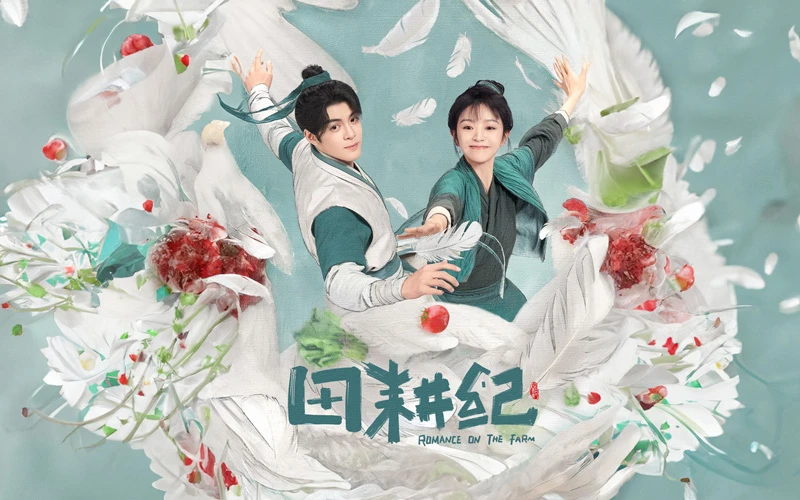
Romance on the Farm: A Heartwarming Journey into the Beauty of Rural Love
In the world of online literature, the rural farming genre has been popular for many years and is one of the most beloved types. Nowadays, this trend in content is blowing towards the film and entertainment industry. Last year, the industry's first rural farming drama called "Romance on the Farm" was announced and immediately gained attention with a few leaked photos, attracting the full attention of audiences across the internet. In the first half of this year, the new variety show "Become a Farmer" launched by iQiyi also received enthusiastic praise from young audiences. Recently, the highly anticipated "Romance on the Farm", which audiences have been eagerly waiting for nearly a year, has officially premiered. Since its debut, its popularity has been steadily increasing, with rural countryside and family anecdotes appearing in the sight of more and more people. This clearly demonstrates the exceptional success of this new drama. Audiences have expressed their satisfaction, stating that they have finally seen a truly authentic rural farming drama that fulfills all their expectations for this genre. The relaxed plot of Romance on the Farm The appeal of "Romance on the Farm" lies in its precise grasp of the two core elements… -
Upcoming Chinese Dramas: A Preview of Entertainment's Next Chapter
The summer has just passed, and the top video platforms in China are preparing for a new round of drama preheating. Youku, iQiyi, and Tencent Video, as the main broadcasting platforms for Chinese dramas at the current stage, have announced more than 200 upcoming dramas in their 2023-2024 lineup, which can be said to have gathered the important forces of Chinese dramas, and also serve as a window to glimpse the industry's development and market prospects. Whether it is the adjustment layout of the conventional track or the forward-looking exploration of the innovative field, every move of the top platforms has attracted great attention. The content matrix formed by this not only reflects the platform's capture and contemplation of the changes in public aesthetic taste as project managers, but also influences the future trend of the industry. What genres of drama dominate? In terms of genre, the three major platforms, still regard costume dramas and urban dramas as their main focus. After all, these two types of dramas have always been incubators for blockbusters and star-making tools, which can bring considerable revenue to the platforms in terms of membership services, artist management, and peripheral derivatives, and broaden their business… -
Upcoming Fox Spirit Matchmaker: Yue Hong - Embark on an Enchanting Journey
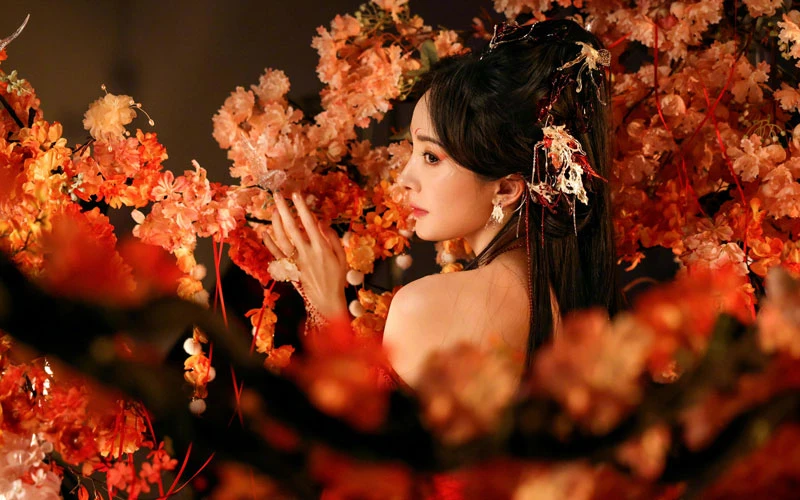
After the adaptation of "Fox Spirit Matchmaker" into a film and television series, the first part has been completed and is highly anticipated with over 2 million reservations. The most attention is on the "Fox Spirit Matchmaker: Yue Hong," especially with Yang Mi and Gong Jun leading the cast, featuring a lineup of high beauty among all the upcoming dramas. With excellent production quality, it undoubtedly shines among the rest. As the female lead Yang Mi, with her outstanding beauty and solid acting skills, has always performed exceptionally well in period dramas. The same applies to her performance in the "Yue Hong." Previously, she stunned everyone with her red outfit in the stills, leaving a lasting impression. In the new poster, Yang Mi unveils a completely new look. Compared to the previous white-powdered or all-red outfits, she now dons a light blue attire, accompanied by a more elegant makeup and hairstyle. Her overall temperament appears more gentle and her beauty and harmony with the character are enhanced. Alongside the male lead Gong Jun, who previously wore a white and blue outfit, their coordinated costumes give off a couple-like feeling, which has garnered unanimous praise and countless compliments from netizens and… -
My Journey to You - Guo Jingming's Latest Wuxia Romance Drama Worth Watching?
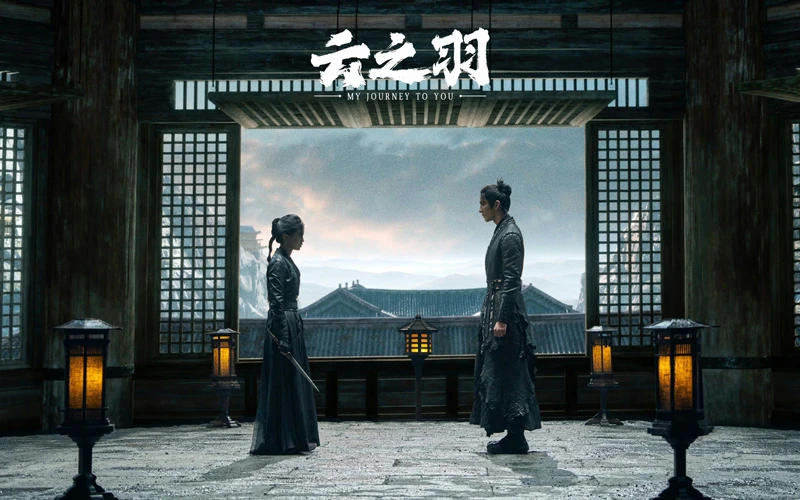
As the first drama written and directed by Guo Jingming (pseudonym Gu Xiaosheng), "My Journey to You" has been in the spotlight since its premiere, and continues to be a topic of discussion. It is well known that popular directors/producers like Guo Jingming, Yu Zheng, and Wang Yixu, even if they have not released any works for a long time, are always surrounded by legends about them. Information about them is no longer clear and precise, as if all the praise and criticism are shrouded in a veil of mist, making it difficult to distinguish. It is unfair to judge the work itself and other cast and crew members from this perspective. Therefore, today, let us temporarily set aside the controversies and love-hate relationships that have long focused on Guo Jingming, and re-examine the work "My Journey to You". The dichotomy of visual beauty and impressive sight When "My Journey to You" first aired, it was common to see some hesitant netizens wandering in various comment sections, trying to seek authentic evaluations from the viewers who were the first to watch this drama. Interestingly, although everyone's responses were different, the overall sentiment was surprisingly consistent, all expressing that this… -
A Glimpse into Zhuo Zhuo Feng Liu: Anticipation Builds for the Upcoming Romance Drama
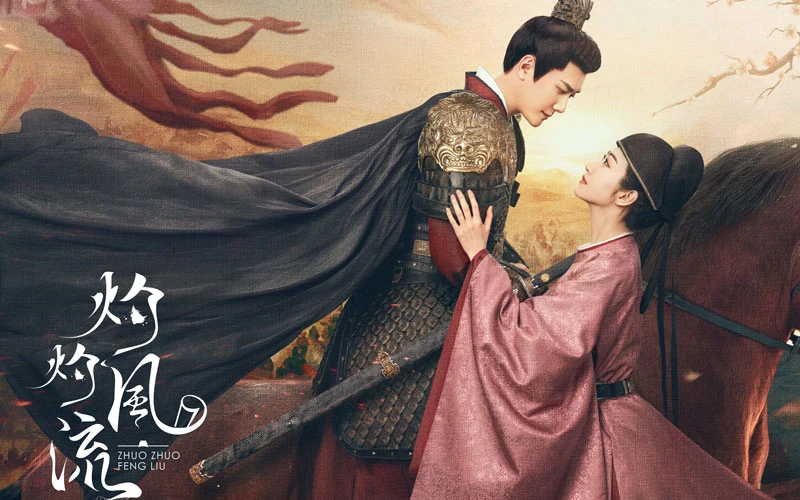
Although currently "Destined" and "Snow Eagle Lord" and other costume dramas are gaining momentum, their achievements are also impressive enough. However, compared to the upcoming lineup of dramas set to premiere in the summer season, they are clearly just an appetizer. Aside from highly anticipated works like "The Longest Promise" and "Lost You Forever," there is also a quality production called "Zhuo Zhuo Feng Liu," starring Feng Shaofeng and Jing Tian. With its strong production value, compelling story, and talented cast, especially after the release of its trailer in recent days, it has gained even more attention. The TV drama "Zhuo Zhuo Feng Liu" is directed by the powerhouse director Wen Deguang. This director has previously created acclaimed works such as "Dr. Tang." The collaborating screenwriter Wang Hong is also a leading figure in the industry. In addition to that, with the main storyline focusing on the growth and aspirations of our female protagonist who strives for success in her career as an official named Mu Zhuohua, as well as her redemption and love affair with Liu Yan, a warrior burdened with national grudges, who fights valiantly on bloody battlefields; this story truly embodies a captivating narrative. In this first… -
Creation of the Gods I: Upcoming Epic Mythological Film
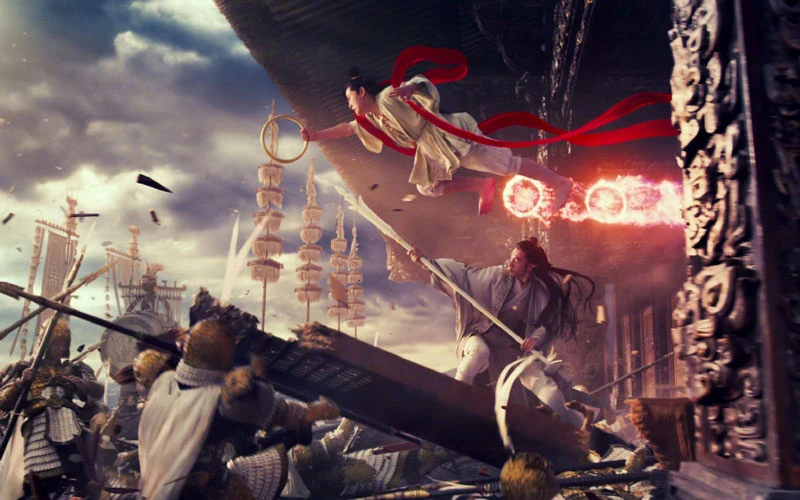
"Creation of the Gods I" has announced its release date on July 20th. This mythological film, directed by Wu Ershan and starring Huang Bo, Fei Xiang, Li Xuejian, Xia Yu, and Chen Kun took over five years to produce and will finally meet with audiences. "Creation of the Gods" started shooting in September 2018 as a trilogy. The three parts were titled "Creation of The Gods I: Yao Luan Guo Shang", "Creation of The Gods II - Mo Dao Zheng Feng", "Creation of The Gods III - Feng Shen Tian Xia". Part one was initially planned to be released during summer 2020 but production schedules had been disrupted due to the pandemic. Now that it is set to premiere this summer season, can it boost the entire market? "Creation of the Gods" is based on China's famous classical novel "Investiture of the Gods", narrating an epic mythical war that lasted over three thousand years between humans, immortals, and demons. In part one of this series, Huang Bo plays Jiang Ziya; Fei Xiang portrays King Zhou of Shang; Li Xuejian appears as Ji Chang, King Wen of Zhou; Xia Yu takes up Shen Gongbao’s role while Chen Kun portrays Yuanshi Tianzun -… -
Story of Kunning Palace: Upcoming Palace Romance TV Show
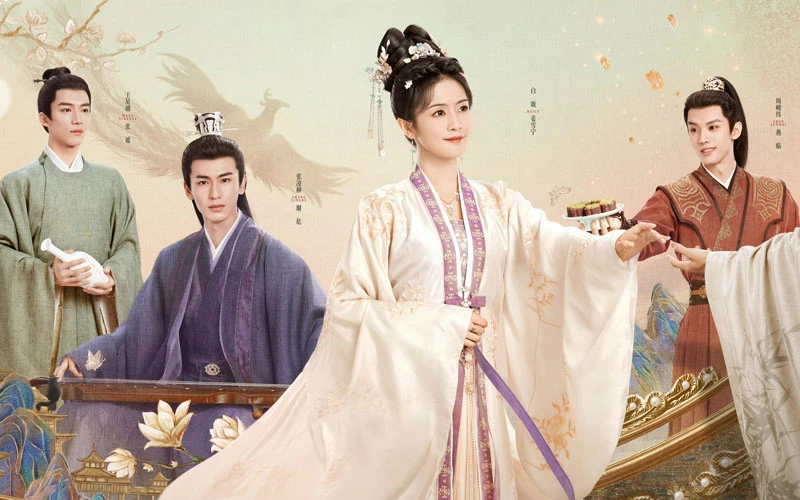
The unique space of costume dramas in the Chinese drama market is indeed impressive, as proven by several recent hits. "The Ingenious One," starring Chen Xiao and Mao Xiaotong, has maintained a good level of popularity since its premiere, presenting an incredibly brilliant tactics drama. "Till the End of the Moon," led by Luo Yunxi and Bai Lu, has achieved true success, constantly breaking viewership records. Although this drama has received mixed reviews, it does not affect the enthusiasm of its fans. With such outstanding viewership, the drama has successfully boosted the popularity of many actors, including the already popular Bai Lu, who has been the subject of continuous topics. Even though this drama has already ended, there are still lively discussions about its characters. In "Till the End of the Moon," Bai Lu portrays different characters with distinctive traits and highlights, she has shown progress and is suitable for the setting of costume dramas. Now, Bai Lu will star in another costume drama that fans have been eagerly anticipating, "Story of Kunning Palace." As the countdown to its premiere continues, the drama's popularity continues to rise. Romantic Love & Intense Palace Fights The drama "Story of Kunning Palace,"… -
Upcoming Xianxia Drama Back From the Brink: The Epic Tale of Love and Redemption
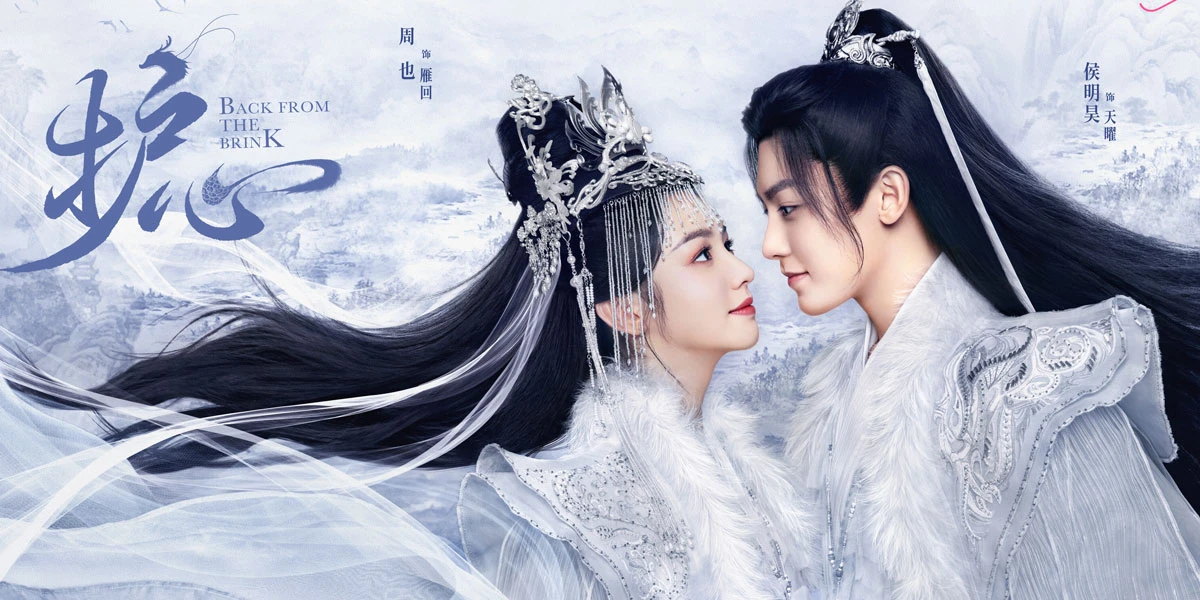
Romance Xianxia drama "Back From the Brink" will officially launch on May 10th as the follow-up drama to "Till The End Of The Moon". With the overall quality and strength of "Back From the Brink", it may become another dark horse in the May period drama lineup with obvious potential for success. The drama "Back From the Brink" is adapted from the novel of the same name by Jiu Lu Fei Xiang. The main plot is as follows: twenty years ago, Tianyao (played by Hou Minghao) was stripped of his bones and sealed in the four directions with the power of the five elements by his beloved Su Ying (played by Yang Rong), the master of Guanghan Sects. Ten years ago, Tianyao's soul escaped from the seal by chance and he sensed that his dragon bones were sealed in a mountain village lake. He attached his soul to the body of a dead boy and waited for the opportunity to retrieve his dragon bones. The appearance of Yanhui (played by Zhou Ye) gave Tianyao hope. Originally, she had dragon blood in her heart, which could help him break the seal. So Tianyao began to use Yanhui to help him find… -
The Blossoming Beauty of Tang Dynasty Costume Fabrics: A Study of Floral Motifs
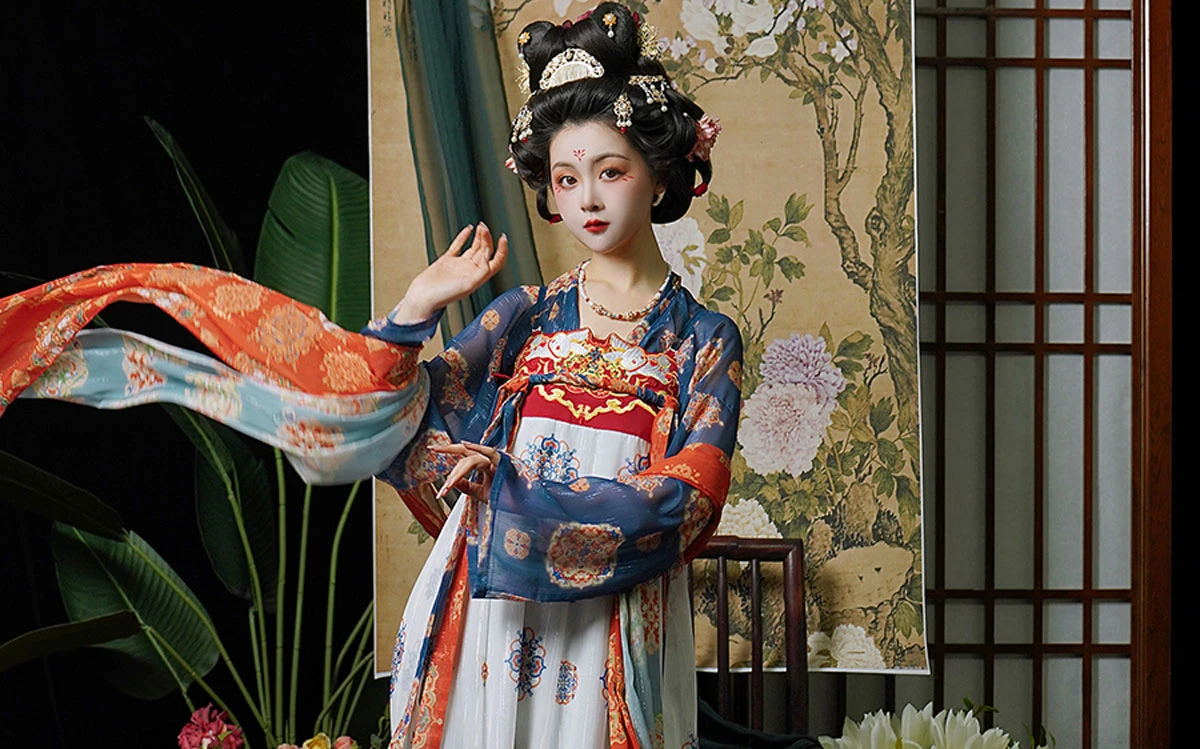
China has a long history of loving and appreciating flowers, but in fact, before the Northern and Southern Dynasties, flowers were rarely used as the main decorative motifs in life, from the Shang and Zhou dynasties to the Han dynasty, the dominant decorative motifs were mainly animal and geometric. It was not until the Wei-Jin-North and South Dynasties periods that, with the introduction of Buddhism, the Lonicera twining pattern was introduced into China, and under the development and effect of cultural intermingling, the Lonicera twining pattern with exotic colors was combined with the local lotus pattern with auspicious symbolic meaning, forming a new form of decorative pattern. These motifs first appeared in a large number in the decoration of religious instruments, and as they spread, they also appeared frequently in the decoration of secular crafts. In the Tang Dynasty, in addition to the floral patterns inherited from the Wei and Jin Dynasties, different floral shapes such as peonies and chrysanthemums, as well as the Baoxiang patterns also appeared in the expression of the decorative patterns. The floral patterns of the Tang Dynasty are very different from the slender and delicate shapes of the Wei and Jin Dynasties, with rich and… -
Exploring the Ming Dynasty Hanfu Featured in the Drama Under the Microscope
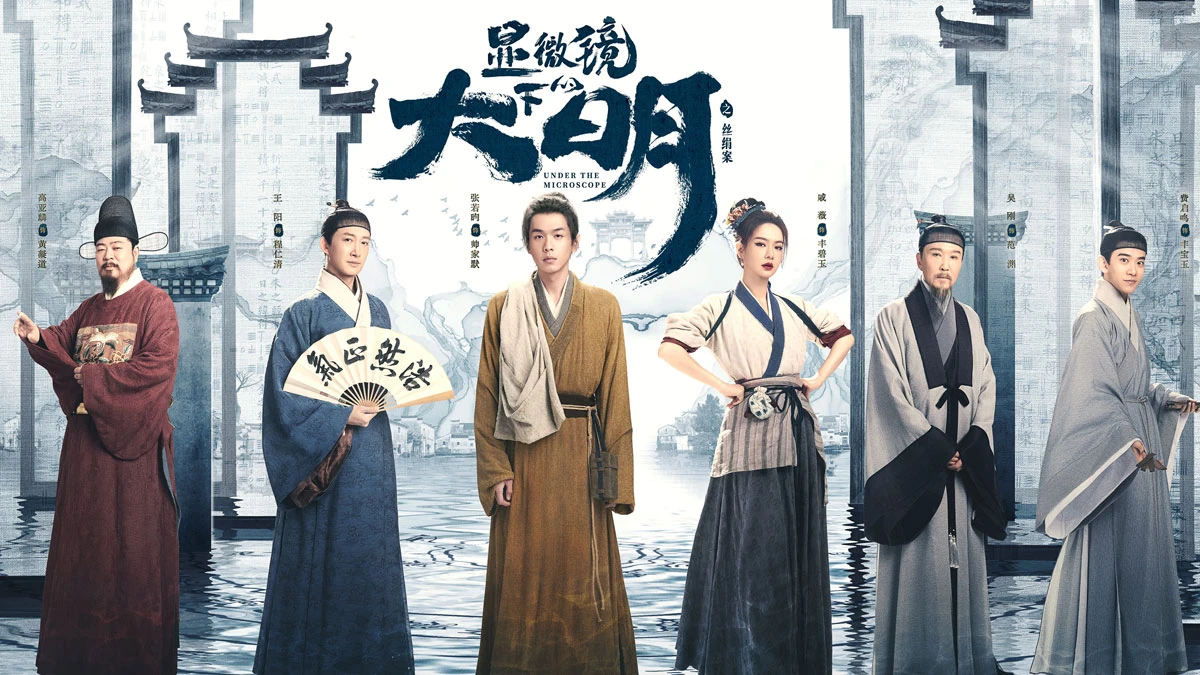
"Under the Microscope: The Tax Case of Silk" is arguably the most exciting historical costume cdrama of 2023 so far. Unlike most costume cdramas, "Under the Microscope" presents an exciting taxation curiosity case of the Ming Dynasty in only 14 episodes. The tight plot and accurate restoration of the Ming Dynasty make everyone start looking forward to the second season (there are six stories in the original, and the silk tax case is the first one). The drama is set in the Ming Dynasty time, showing Chinese aesthetics and authentic Ming Dynasty costumes. Shi Yue from Han Fu Shi Dai has compiled a list of the classic hanfu styles that appear in the drama, so let's learn about them. Shuhe & Zhiduo Shuai Jia Mo, the main character in the drama, is a mathematical genius who relies on measuring land to earn a modest income. He was not enrolled in the civil service and was a commoner. Shuai Jia Mo often wears Shuhe and cloth shoes, highlighting his simple and unpretentious temperament. Shuhe (裋褐): also known as Heyi (褐衣), Buyi (布衣), refers to the rough cloth clothes worn by ordinary people. Feature with cross collar, narrow sleeves, usually shorter,… -
2023 Upcoming Exciting Wuxia Cdrama List
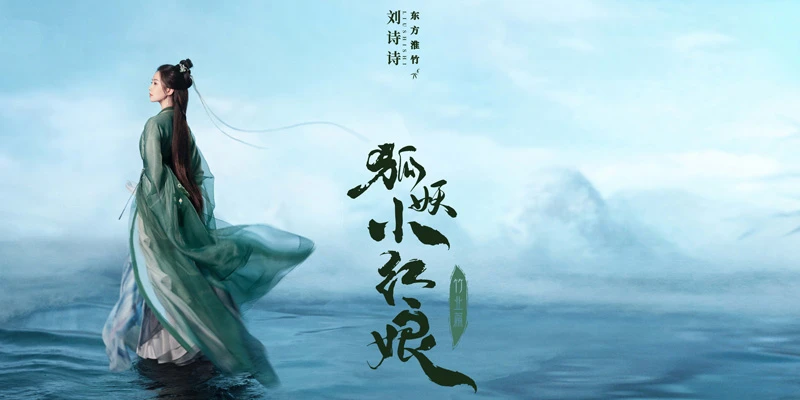
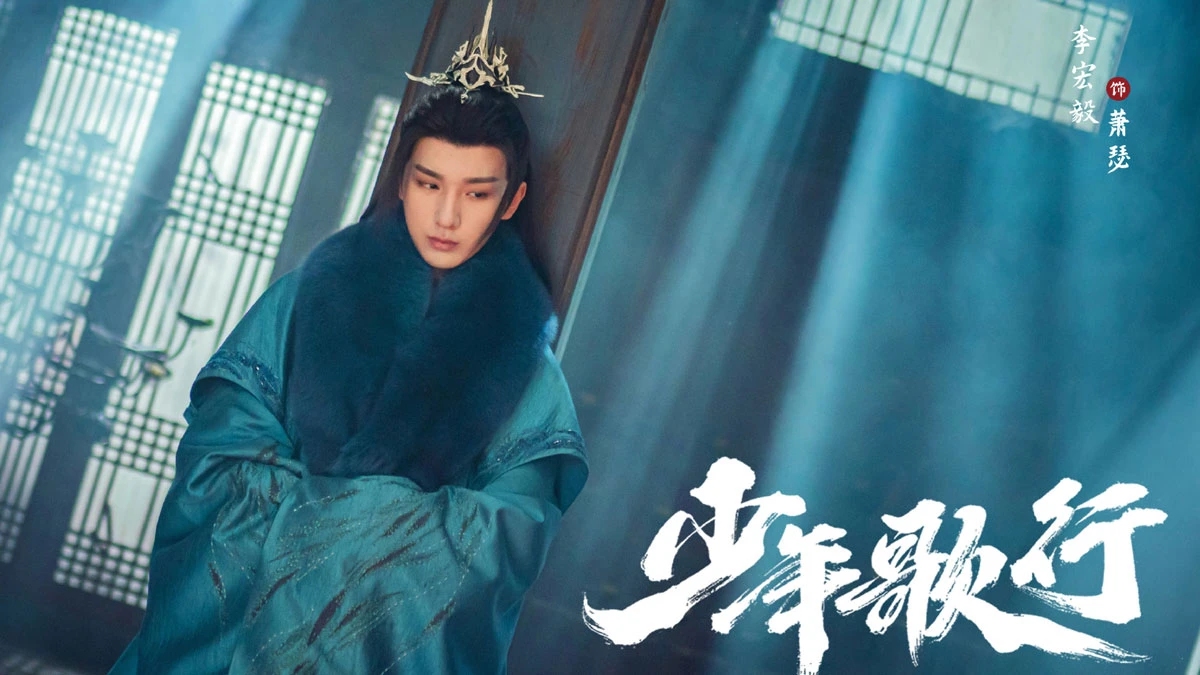
Compared to costume dramas and Xuanhuan dramas, the Wuxia and Xianxia genres drama have less momentum in 2022. But there are quite a few that are worth adding to the waiting list for martial arts fans, such as Who Rules The World, The Young Flying Fox, and Heroes. Likewise, there are still some popular dramas still in production on the martial arts to-be-broadcast list for 2022, check them out here. This article summarizes some of the Wuxia cdramas to be broadcast in 2023. A Journey to Love · 一念观山 Also known as: Yi Nian Guan Shan Period Background: Alternative Reality Genres: Romance, Martial Arts, Adventure Main Role: Liu Shi Shi as Ren Ru Yi, Liu Yu Ning as Ning Yuan Zhou Plot summary of A Journey to Love The Wuxia cdramas A Journey to Love is Liu Shi Shi playing ancient cdrama again after five years. It tells the story of Ren Ruyi (任如意, played by Liu Shi Shi) and Ning Yuan Zhou (宁远舟, played by Liu Yuning) building a strong alliance, establishing trust, and defending their faith. The Blood of Youth · 少年歌行 (Aired) Aired: December 26, 2022 Also known as: Song of Adolescence Period Background: Alternative… -
Classic Hanfu Ornaments in Ming Dynasty Auspicious Costume
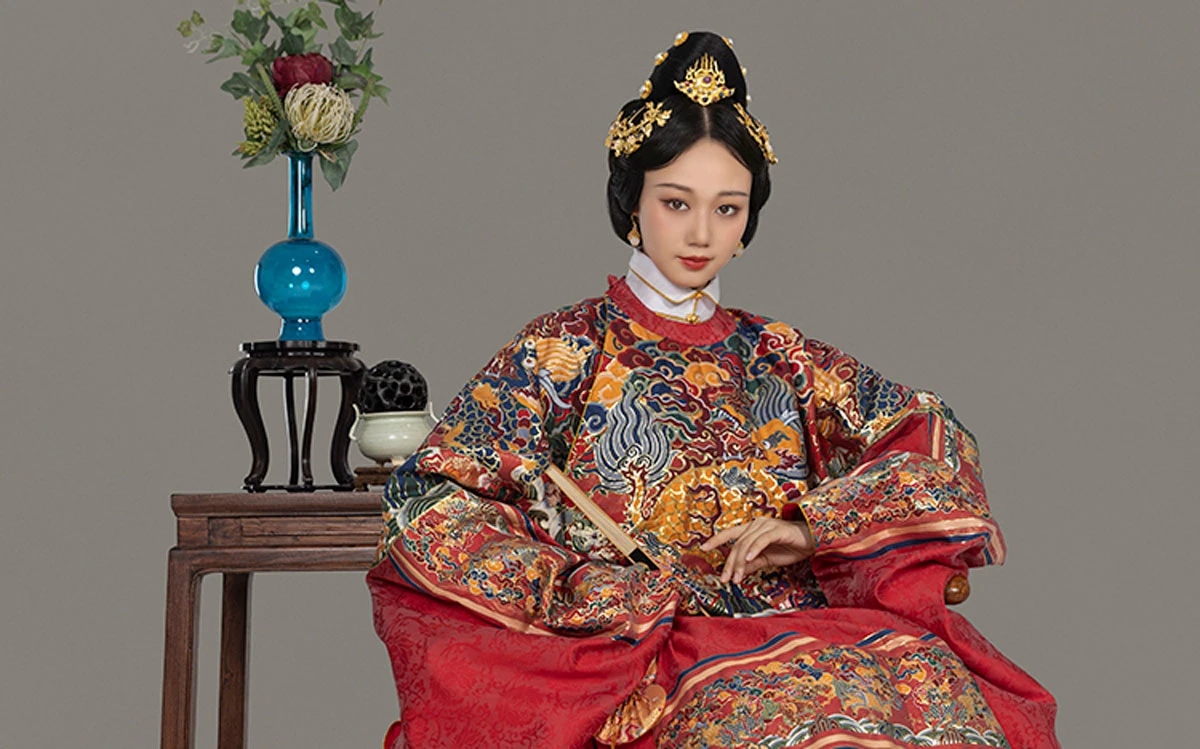
The Definition of Auspicious Costume Ji Fu (吉服, auspicious costume) was a new classification of clothing formed in the Ming Dynasty, referring to the clothing used for various auspicious occasions such as seasonal festivals, weddings, birthdays, and banquets. In the Qing Dynasty, it became a specialized category within the clothing system. Traditional Ji Fu refers to the clothing used for auspicious ceremonies (major rituals, etc.). With the development of the times and the increase in festivals and celebrations, there was a need for a special auspicious costume for all kinds of festive occasions, so the Ming dynasty referred to a more formal dress than the everyday casual dress for rituals and all kinds of auspicious occasions as the auspicious costume. Although not found in the system, the term "Ji Fu" was repeatedly used in various political books and literary works. During the Ming dynasty, the auspicious costume was not a single standard style, but the same style as the regular and casual hanfu costumes, such as Yuan Ling Pao, Zhi Shen, Yi San, Tie Li, Dao Pao, Ao Qun, etc. The color was mostly in festive colors such as red, for example, the officials used to wear a red round… -
Under the Microscope - Zhang Ruo Yun's Latest Ming Dynasty Mystery Drama
The "Under the Microscope" series began airing on February 9, 2023, and stars Zhang Ruo Yun, Wang Yang, Qi Wei, and a host of veteran actors with excellent reputations, such as Wu Gang, Gao Ya Lin, and Hou Yan Song, in key roles in the series. This drama is adapted from Ma Boyong's work: Xian Wei Jing Xia De Da Ming (显微镜下的大明, Under the Microscope: Ming Dynasty)". In a series of rare folk archives of the Ming Dynasty, the author discovered six long-lost grassroots political events of the Ming Dynasty. Focusing on a particular province, county, or even village, these six events record the real political life of the lowest commoners in the Ming Dynasty. When encountering tax injustice, how the common people rose up to fight; when the rights and interests of the family were undermined, how the clan members initiated lawsuits; when political interests conflicted with commercial interests, how the people fought with the government; when the imperial court demanded the rectification of the household register, how they falsified it for profit. From countless real details, an extremely vivid picture of ancient political ecology is shown. The drama "Under the Microscope" has 14 episodes, focusing on the first… -
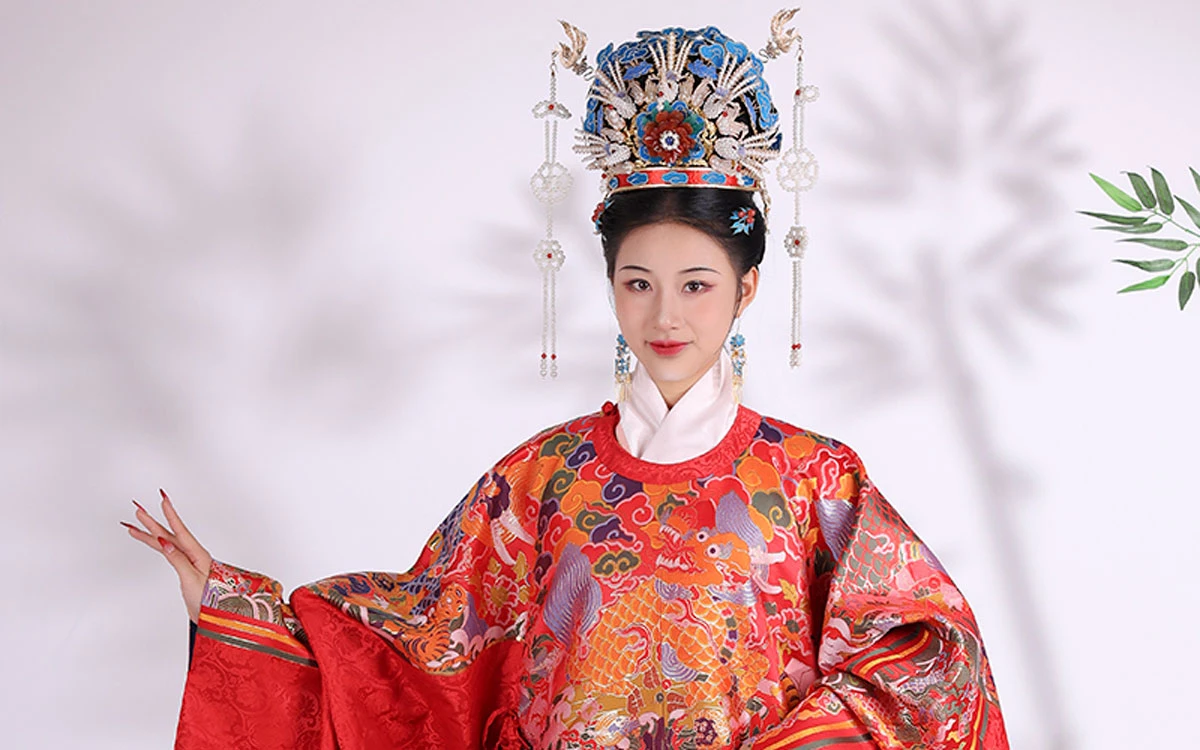
History of Ming Dynasty Makeup and Hairstyle
History Background In 1368, Zhu Yuanzhang has crowned emperor. His regime was established with the name of Hongwu and the whole dynasty was named Ming. In the 14th year of Hongwu, the remaining forces of the Yuan dynasty in Yunnan were pacified and ancient China was finally reunified again. Zhu Yuanzhang abandoned the costume system established in the Yuan Dynasty and adopted the system of the Han and Tang dynasties and tried his best to restore the various rituals of the Han people. From the beginning of the Ming Dynasty to the reign of the second emperor Chengzu, the Ming Dynasty had been quite prosperous, and after Chengzu, Emperor Xuanzong and Emperor Yingzong were still able to maintain prosperity. But since then, due to the eunuchs' disorderly administration and the invasion of pirates, the country had been on the way of declining. In 1644, Wu Sangui opened the Shanhai Pass and led the Qing troops into Beijing to fight against Li Zicheng. And after that the Qing troops entered the Central Plains. The Ming dynasty lasted 227 years from the beginning of the Ming dynasty to the death of Emperor Chongzhen who hanged himself. Ming Dynasty Makeup Features During…