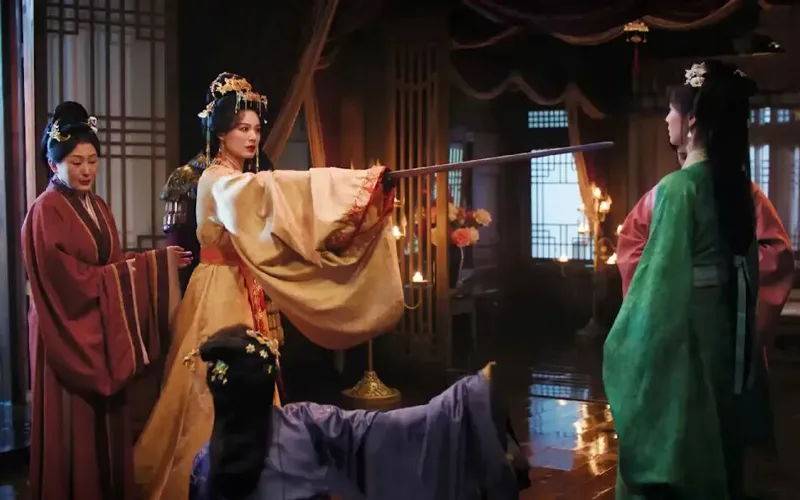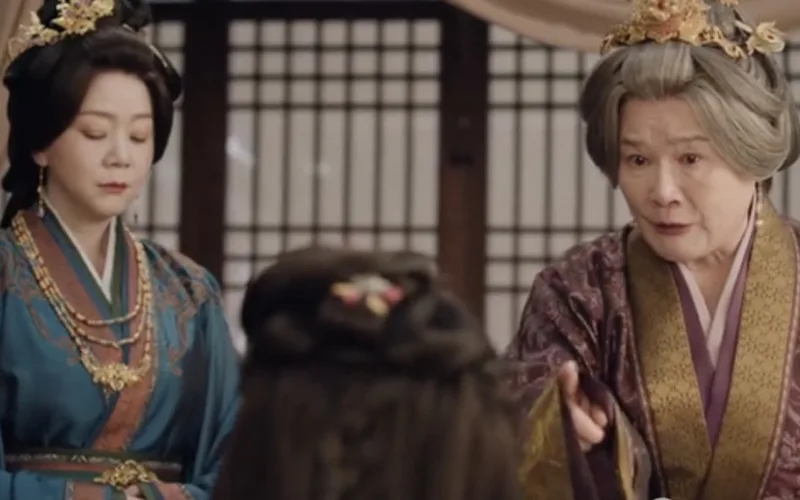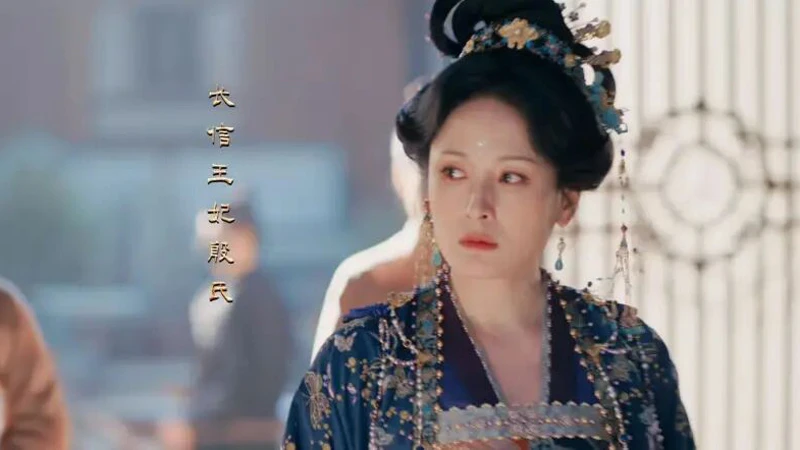
In the Chinese drama Ashes to Crown (翘楚), the heroine Chu Zhao (楚朝) carries a shattering secret from her past life—she was murdered on her wedding night during a coup. Only one person tried to save her then: Fu Jiu (傅九), a neglected illegitimate son who later revealed himself as Xie Yanlai (谢燕来). In her second life, Chu Zhao trusts him enough to confess everything: her death, the betrayer Xiao Xun (萧珣), and her fear. But is this confession pure trust, or a calculated move to bind him closer? The story asks a raw question: When you have only one ally, how do you make sure he never leaves?
The Unspoken Bond
Chu Zhao first meets Fu Jiu on a dusty street in Chu Du, the capital where her mother once lived. She is young, rebellious, and has just stolen a horse to escape her father’s tight grip in Yunzhong Commandery (云中郡). What she sees stops her cold: a man being whipped by his own clansmen, blood soaking through his robes. No one speaks for him. The crowd watches, numb. Fu Jiu is a bastard son, a disposable name in the great Xie family. He has no status, no defender, no hope.
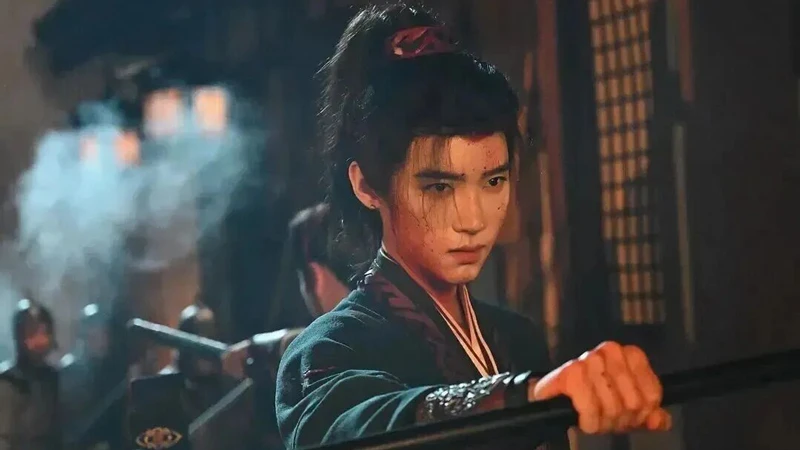
Then Chu Zhao steps in. She does not shout or cry. She simply argues back, calmly tearing apart the lies of the clan elders. For Fu Jiu, that moment is not just rescue—it is a lightning strike. A girl he has never met risks humiliation for him. He later follows her father’s army just to stay near her. That first act of blind justice plants a seed: she saved him once. In this new life, he will save her back.
The Midnight Cloak
After Fu Jiu becomes a soldier under Chu Zhao’s father, he watches over her for years. But the second life is not the same. The coup comes earlier. Xiao Xun strikes before anyone is ready. Yet Fu Jiu still breaks through the chaos, sword in hand, and pulls Chu Zhao out of the burning palace. She survives. She even becomes the Grand Princess, ruling beside a child emperor. But survival is lonely. Chu Zhao has only a handful of loyalists. Everyone else could turn. One night, she visits a wounded Fu Jiu with a cloak. She ties it around his shoulders herself—her fingers brushing his neck, her breath close. He is Xie Yanlai, she already knows. He was once her father’s protégé. She reminds him softly, “My father helped your career.” That cloak is not warmth. It is a leash. She is saying, You owe us. Do not forget. Fu Jiu says nothing. But his silence agrees. He would follow her anywhere now—not because of the cloak, but because she is the only person who ever made him feel seen.

Still, a cloak is just fabric. A past-life secret is a knife. Chu Zhao waits until they have spent months together—fighting, planning, surviving near-death ambushes. Then one evening, she tells him everything. Her first wedding night. The sword that killed her. Xiao Xun’s crowning himself king. And Fu Jiu’s own doomed charge into the throne room, killing Xiao Xun but dying himself in the attempt. She looks at him and says, “In that life, you were the only one who came.” This is not casual gossip. It is her naked soul. No one in her second life knows this—not her closest maids, not the emperor. Only Fu Jiu. Why now? Because trust is a two-way cage. By giving him her worst memory, she makes him the keeper of her vulnerability. He cannot betray her without destroying a part of himself.
A Gamble or a Wound?
Some viewers call it a pity play. Chu Zhao shows her scars to make Fu Jiu ache for her. And he does ache. That night, he cannot sleep. He imagines her bleeding on the palace floor, alone except for his past self’s ghost. But is she manipulating him? Look closer. Chu Zhao has no army of her own. Her father is gone. The court is a nest of vipers—Xie Yanfang (谢燕芳) controls the ministers, Deng Yi (邓弈) controls public opinion, and Xiao Xun still sits in Xiaonan Commandery (霄南郡) like a waiting spider. She needs a sword that will never turn. Fu Jiu is that sword. But a sword bought by lies is brittle. So she gives him the truth, messy and painful. She bets that his love—born on that bloody street where she defended him—is strong enough to hold this weight. And she is right. When she later asks him, “What do I have in my hand?” he does not answer. She says for him: “You. A man willing to die for me.” That is not a question. It is her victory speech.

But victory feels wrong. Because Fu Jiu’s loyalty is not a prize. It is a mirror. Chu Zhao’s past life taught her one lesson: when death comes, only one person will run toward her. So in this life, she runs toward him first. She tells the secret not to trap him, but to say, I know you saved me once. Now I am saving you back—by trusting you with everything. The show never spells out whether it is strategy or sincerity. Maybe it is both. In a world where every smile hides a dagger, the bravest move is to lay down your armor. Chu Zhao does that. And Fu Jiu, the beaten son who once had nothing, finally holds something priceless: a woman’s absolute faith. Whether she planned it or bled it, the result is the same. He will never let go.