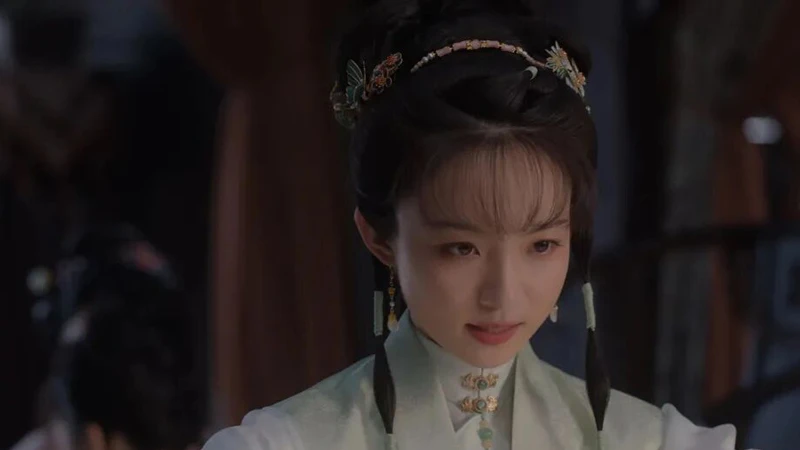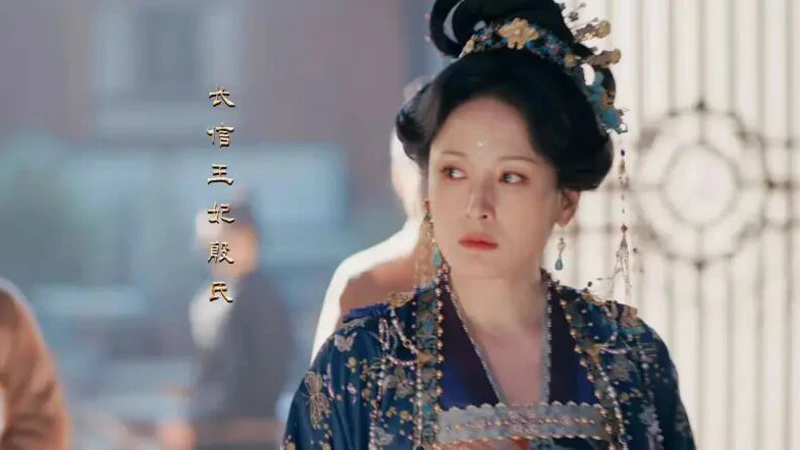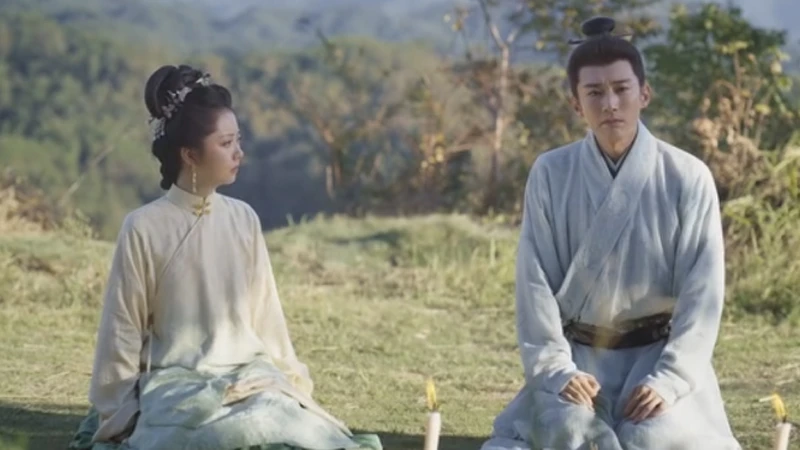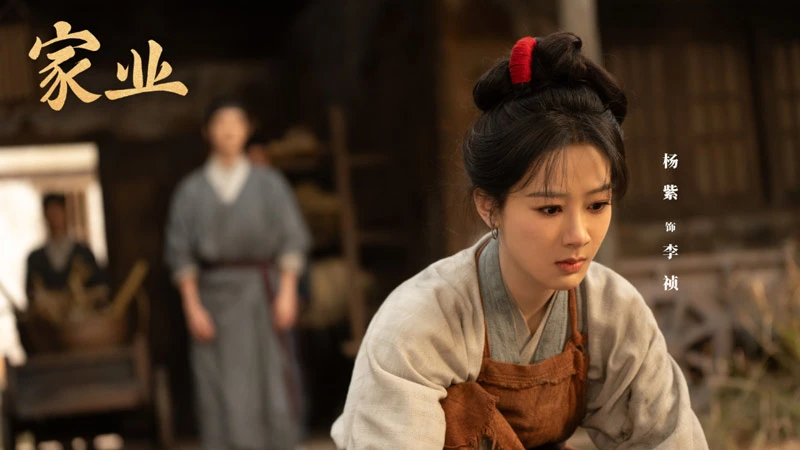
In the Chinese drama The Mo (家业), a bizarre scene unfolds. Sun Baiyi (孙佰一) leaks the secret formula for lacquer-smoke ancient ink. Everyone rushes to beg for his mercy. Li Zhen (李祯), the victim who restored that very ink, gets accused of ambition and expelled from the Mo Fang (墨坊). How does a wrongdoer earn sympathy while the contributor is cast out? The answer hides in one sentence from Tian Jiangyue (田绛月). It reveals a bitter truth about fear, jealousy, and human nature inside Huizhou (徽州) ink clans.
The Unforgivable Victim
After Li Zhen revives the lost lacquer-smoke ink, the seventh grandmother offers her another year of collaboration with the Li Mo (李墨). Tian Jiangyue cannot stand it. She visits Sun Baiyi and uses his cousin as an excuse to push him into driving Li Zhen out. Soon after, the formula leak happens. Li Zhen follows the handwriting on Mo Fang documents and confronts Sun Baiyi.
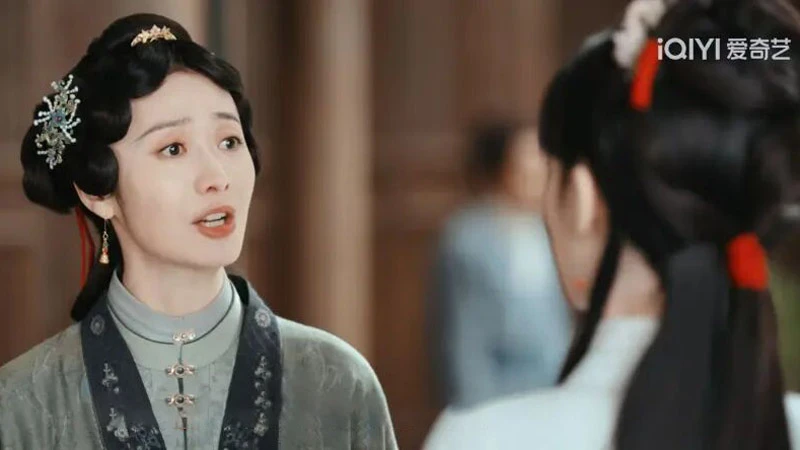
The response is shocking. Sun Baiyi’s father and his own disciples kneel and plead for leniency. Then members of the Sixth Branch and Li Zhen’s aunt join in, begging the matriarch to go easy. Li Zhen and the matriarch agree on a light punishment: expulsion from the Mo Fang, no maiming. But Tian Jiangyue jumps in and declares that the real troublemaker is Li Zhen. She calls her disloyal and greedy, accusing her of coveting the Li Mo legacy.
Everyone knows the facts. The matriarch personally invited Li Zhen back. She never asked for the extension. Yet they all turn a blind eye. After Tian Jiangyue’s rant, they chant together to banish Li Zhen. They are not blind or forgetful. They simply share Tian Jiangyue’s hidden thought. The victim becomes the villain because she threatens their comfort.
Fear Behind the Fury
The Li family ink business spans a hundred years. Who does not envy it? Every relative present wants a slice, or the whole pie. They just swallow their real desires. Tian Jiangyue, driven by jealousy toward the Eighth Branch and grief over her husband’s death, shows her cards openly. But why target the Eighth Branch again and again? The answer is simple: strength.
Li Jinshui (李金水), the father, stands as the top ink maker in Huizhou. Li Zhen surpasses him by restoring the lacquer-smoke ancient ink. The others lack skill. That lack breeds fear. They see the Eighth Branch’s outstanding craftsmanship as a danger to their own position. So they scheme to remove them from the clan, force Li Jinshui to quit making ink, and frame Li Zhen for leaking formulas. Every move comes from pure terror.
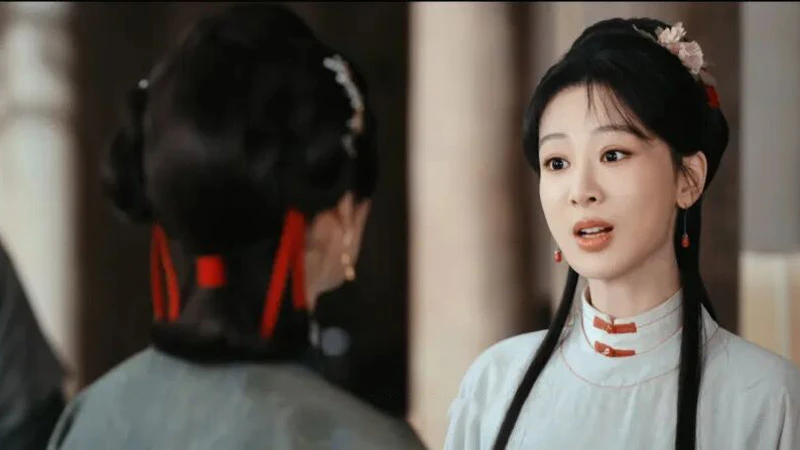
That terror makes them go further. They do not just compete. They try to destroy. In their minds, if the Eighth Branch keeps producing great ink, the rest become worthless. So any crime against Li Zhen feels justified. The scene that seems absurd becomes logical once you understand this fear. The wrongdoer Sun Baiyi is never the real target. He is just a tool. The real target is the capable one.
The Crime of Talent
After the formula farce, Li Zhen cuts ties with Li Mo and starts her own small workshop, the Xiao Li Mo Fang (小李墨坊). The clan throws obstacles in her way. They block her from ink fairs. They grab her raw materials. When her workshop finally opens, Tian Jiangyue plans to send thugs to smash it. She shouts in public: “If you tolerate her now, you raise a tiger that will devour you. Soon the small Li will swallow the big Li.”
That line exposes their deepest insecurity. In their eyes, Li Zhen is too good, too dangerous. Whether she stays inside Li Mo or works alone, she is a giant threat. They believe the only safety lies in killing her ink-making ambition, crippling her skill, locking her in the inner quarters, or driving her out of Huizhou. They cannot match her, so they try to erase her.
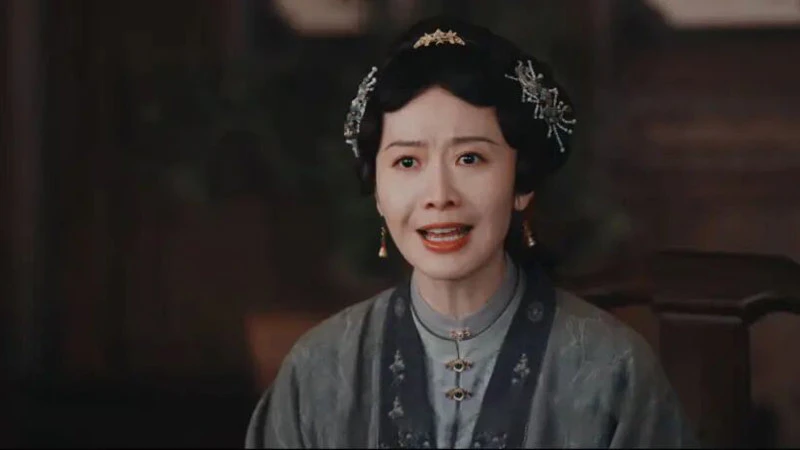
Look back at that absurd scene. Not everyone there is evil. But they all join the chorus against the victim. That is raw human nature. Sun Baiyi is a side note. The crowd’s real fury is aimed at Li Zhen. The better she performs, the bigger her contribution, the greater her crime in their eyes. An innocent person holds a jade—that jade becomes the sin. The Mo shows that excellence, not error, often gets punished when fear rules the room.