The April rankings for Chinese animation dropped like a thunderclap. Donghua (动画) fans watched as its former champion tumbled to fifth place. Two favorites barely clung to the top three. Then came the shock: a dark horse seized the crown with 55.46 million views—a staggering lead. No gradual shift. No polite handover. Just an outright explosion at the summit.

The Demon Hunter (沧元图)
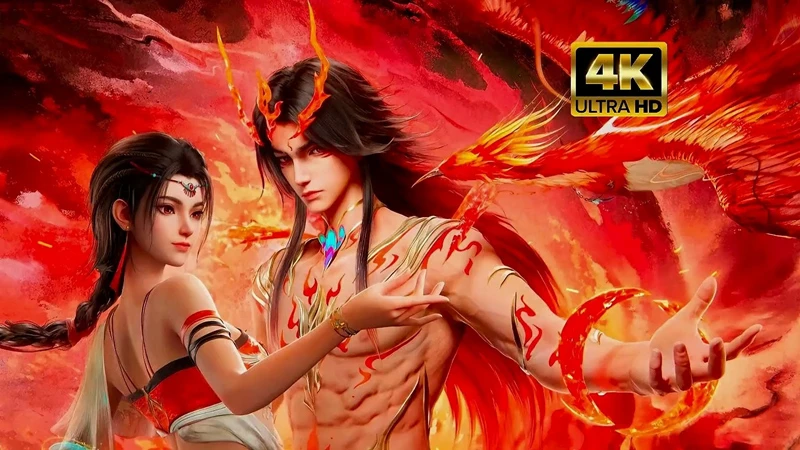
The top spot belongs to The Demon Hunter. It amassed over 54 million views in April alone, a figure that crushed every competitor. The third season launched with staggering momentum: 9.37 million pre-release reservations, the highest in Youku history. Within a single week of airing, it tore through the entire Donghua landscape. Viewers did not just watch it—they devoured it. The pacing draws frequent comparison to a runaway train, with no wasted scenes or lingering shots. Each episode pushes the protagonist Meng Chuan (孟川) further along his path to godhood, never letting the audience catch a full breath.
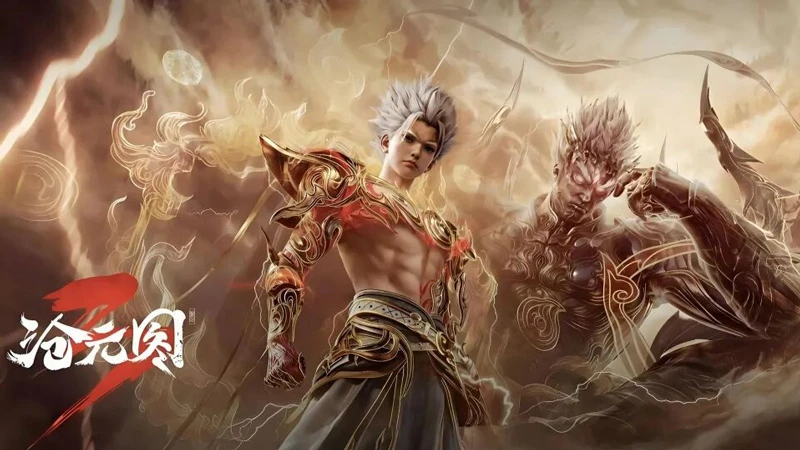
What fuels this intensity? The animation quality rivals theatrical films. Fight choreography prioritizes raw impact over flashy fluff. One sequence in April featured the Nine Heavens Responding Thunderclap Celestial Venerable—a cross-shaped divine manifestation that erupted across the screen with such visual force that viewers reported physical tension in their seats. The show understands that cultivation stories thrive on power escalation and tangible stakes. Every blow lands with weight. Every spiritual breakthrough feels earned. The Demon Hunter does not explain its worldbuilding through exposition dumps; it shows power through destruction, mercy through restraint, and ambition through sleepless eyes.
The series also broke a mold. Many expected a sophomore slump after its explosive second season. Instead, it accelerated. The production team refined its use of color and shadow to convey emotional states—Meng Chuan’s rage burns in crimson flares, his moments of doubt cast in cold blue. Such deliberate choices separate competent animation from masterful storytelling. By claiming the crown, The Demon Hunter proved that new blood can topple established giants. It also hinted at a broader trend: audiences now reward risk-taking and visual ambition over safe, recycled formulas. The reign of predictable sequels may finally be ending.

Renegade Immortal (仙逆)
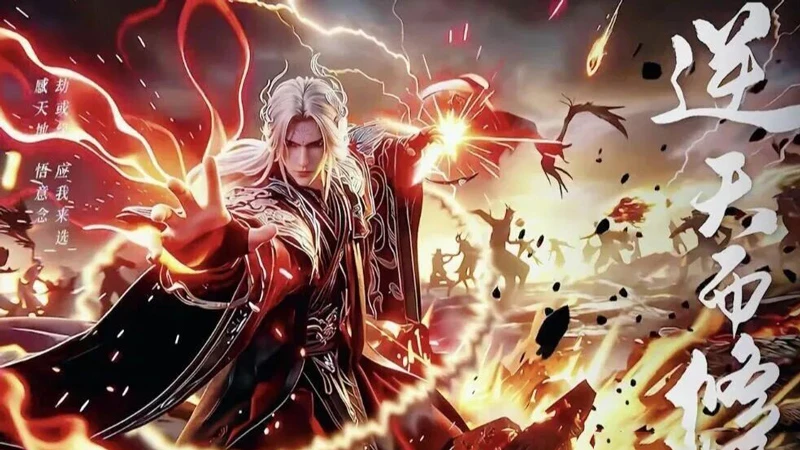
Second place went to Renegade Immortal with 51.6 million views—a stunning total that would have topped any other month. Yet it marked a fall from grace after two consecutive months at number one. The protagonist Wang Lin (王林) remains a fan favorite for a specific reason: he kills without hesitation but loves without condition. This contradiction defines him. In April’s episodes, viewers watched him slaughter entire clans for revenge, then turn around and tenderly remember Li Muwang (李慕婉), the woman who softened his edges. The writing refuses to apologize for his violence or sentimentalize his tenderness. Both coexist messily, like real people.
Why did Renegade Immortal drop? Not due to quality decline. The production values held steady. The fight scenes remained crisp. Wang Lin’s inner conflict only deepened. Rather, The Demon Hunter simply arrived with a newer, shinier energy. Dethronement happens in competitive markets. What matters is how the fallen champion responds. The show’s fanbase, self-dubbed “dao friends” (道友), did not panic. They pointed out that 51 million views still represent a massive audience—more than the third and fourth place finishers combined, in fact. Wang Lin’s journey from cold avenger to reluctant protector continues to draw emotional investment. One particularly quiet scene showed him repairing a broken hairpin that once belonged to Li Muwang. No dialogue. No music swell. Just careful fingers and a cracked piece of jade. That restraint explains his staying power.
https://youtu.be/VzDlETTrddw
The term “satisfying power fantasy” often carries a dismissive tone. But Renegade Immortal reclaims it as a compliment. Wang Lin earns his brutality through loss. Every enemy he annihilates once had a chance to walk away. They chose not to. The show also avoids the common trap of making its lead invincible too early. Even at his strongest, Wang Lin faces opponents who outthink or outnumber him. Victory requires strategy, not just raw output. This balance keeps tension high across dozens of episodes. While April’s crown slipped away, expect Renegade Immortal to mount a counterattack. Its production team already hinted at a major arc for May. The king is wounded, not dead.

Sword of Coming (剑来)
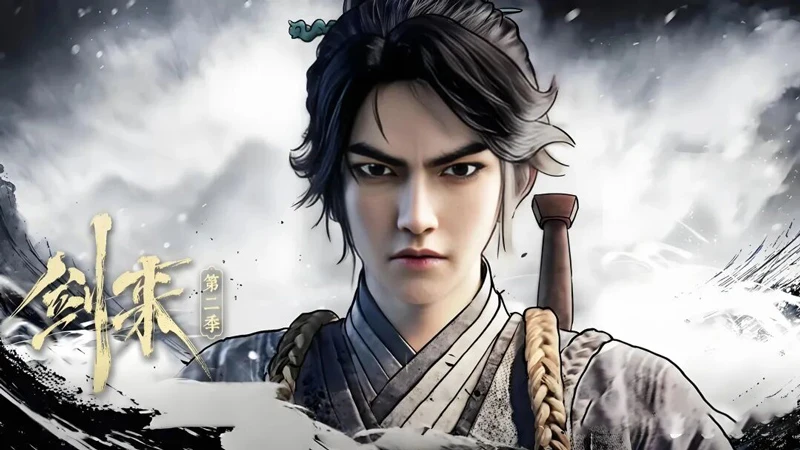
Third place belonged to Sword of Coming, which pulled 39.9 million views—a hair below 40 million. The show distinguishes itself through density. Where others chase spectacle, Sword of Coming chases meaning. April’s episodes introduced the Mountain Cliff Academy, a setting that became the stage for both verbal duels and physical brawls. The character Li Er (李二), a seemingly ordinary father, stormed the Sui Dynasty (隋朝) imperial palace alone. His mission? To demand justice for his son. What followed mixed courtroom logic with martial arts brutality. Li Er argued philosophy while breaking bones. He quoted ancient texts between punches. This fusion of brain and brawn rarely appears in animated form, let alone executed this well.
Sword of Coming refuses to offer easy heroes. Every character struggles on their own “path”. Some choose isolation. Others choose compromise. The show treats all choices with respect, even when they lead to ruin. April’s highlight was a ten-minute conversation between two masters who never throw a single strike. They discuss duty, failure, and the cost of righteousness. Then they bow and part ways. That scene trended on Chinese social media for days—proof that audiences hunger for substance, not just speed. The action sequences, when they arrive, feel like release valves after long periods of tension. A sword slash carries the weight of every unspoken word that preceded it.
https://youtu.be/z0Ueidae53k
The series also benefits from its literary origins. Adapted from a novel known for philosophical tangents, Sword of Coming does not dumb down its source material. Characters reference Confucian and Daoist concepts naturally, without pausing to explain them. This trust in the audience pays off. Viewers who feel confused often rewatch episodes, catching new layers each time. The animation team supports this density with subtle visual cues: a character’s shadow lengthening during a lie, the angle of sunlight shifting with their mood. Such details reward close attention. Third place may sound like a bronze medal, but in terms of artistic ambition, Sword of Coming stands alone. It proves that Chinese fantasy—Zhongshi Xianxia (中式仙侠)—can engage the mind as fiercely as it excites the eyes.

Battle Through the Heavens (斗破苍穹)
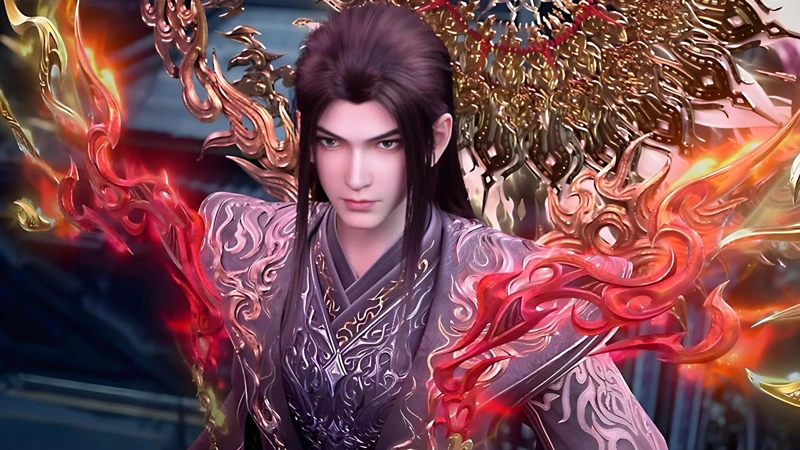
Fourth place went to Battle Through the Heavens with 32.8 million views. This franchise needs no introduction. For ten years, it has accompanied fans from adolescence to adulthood. April’s episodes pushed the story into the Central Plains arc, bringing viewers closer than ever to the final confrontation between Xiao Yan (萧炎) and the Dou (斗) Emperor. The protagonist absorbed a new type of strange flame, boosting his power to unprecedented levels. Longtime fans recognized the moment as a turning point. Every victory now carries a countdown undertone. The end is near, and the show leans into that bittersweet feeling.
What keeps Battle Through the Heavens relevant after a decade? Consistency. The animation quality has improved gradually without jarring leaps. Voice actors have grown with their characters. The production team understands that fans do not want reinvention; they want a faithful, polished continuation of the story they fell in love with. April’s episodes delivered exactly that. Xiao Yan’s battle against a Dou Ancestor featured callbacks to his Jia Nan (迦南) Academy days—training flashbacks that reminded viewers how far he has come. For many, watching Battle Through the Heavens is not just entertainment. It is a ritual. A Thursday night appointment. A way to measure the passage of time.
The show also benefits from its massive source material. The novel concluded years ago, so the animation team works from a complete blueprint. They know exactly which beats to hit and which details to expand. This prevents the pacing issues that plague adaptations of ongoing works. April’s episodes balanced large-scale battles with quiet character moments—Xiao Yan sharing tea with an old ally, a brief shot of his childhood home in ruins. These small touches ground the power fantasy in genuine emotion. Fourth place in a crowded month is nothing to dismiss. Battle Through the Heavens remains a pillar of the Donghua industry. As its final arc approaches, expect nostalgia to drive viewership even higher. A generation wants to say goodbye properly.

A Mortal’s Journey (凡人修仙传)
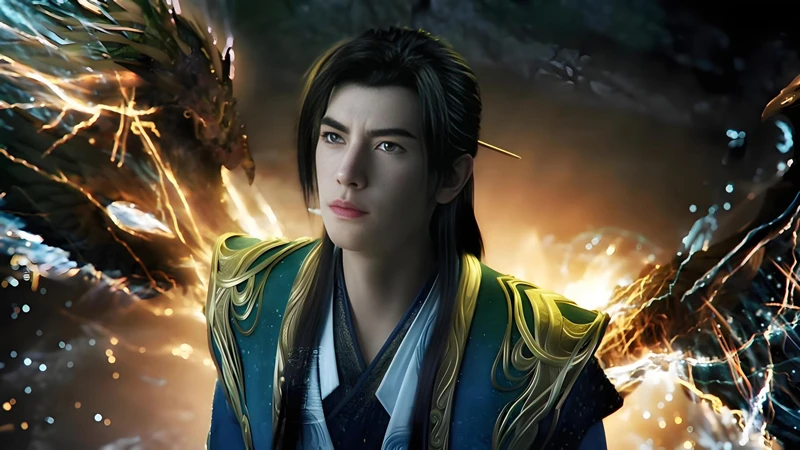
Fifth place surprised many analysts. A Mortal’s Journey, despite being on hiatus for over half a year, pulled 32.1 million views. That is not a typo. A show that aired no new episodes for months still outperformed most active series. The secret lies in its reputation. As the originator of the “mortal cultivation” subgenre—Fan Ren Liu (凡人流)—it built a fanbase through word-of-mouth, not marketing. The protagonist Han Li (韩立) rejects the typical hero mold. He is cautious, calculating, and often cowardly. His guiding philosophy: survive first, ask questions later. This grounded approach resonates with viewers tired of arrogant, reckless leads who win through luck.
The show’s production values emphasize realism over fantasy. Fight scenes use fluid, motion-captured choreography that mimics real martial arts. Magic effects appear sparingly, making each one feel significant. The worldbuilding unfolds through Han Li’s limited perspective—he only learns what he personally experiences. No omniscient narrator explains the political landscape or power hierarchies. This forces viewers to piece together information alongside the protagonist, creating a sense of discovery often missing in the genre. Even on hiatus, clips from past seasons circulate on video platforms. New viewers discover it daily. The announcement of its return, expected in late May, already generated massive online discussion.
A Mortal’s Journey proves that patience and quality create lasting value. It never chased trends. It never rushed its pacing. Han Li spent entire episodes just gathering herbs or practicing a single technique. Some critics called it boring. Fans called it authentic. In a market flooded with explosive premieres that fade within weeks, this show built a slow-burning empire. Its fifth-place finish in April—during a hiatus, against active competitors—should terrify other productions. Imagine what it will do when new episodes actually drop. The lesson is clear: flashy openings attract attention, but consistent craftsmanship earns loyalty. Han Li’s quiet, persistent climb mirrors the show’s own trajectory. Neither rushes. Both endure.

Way of Choices (择天记)
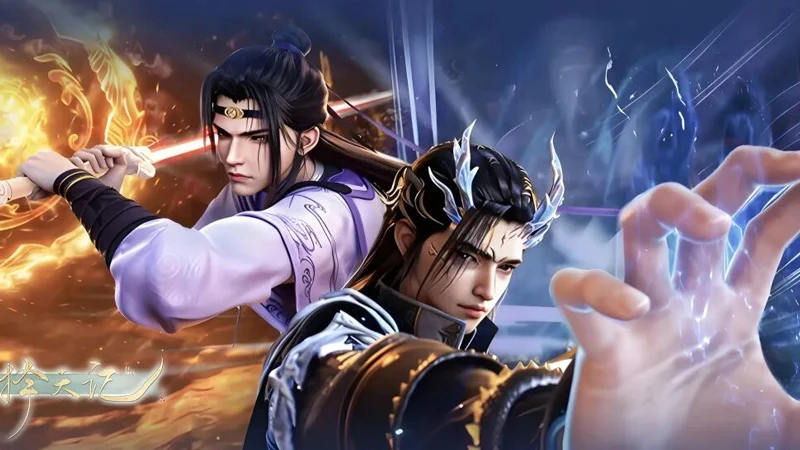
Way of Choices climbed back into the top ten with nearly 30 million April views. It is not a new show, yet it pulled off something rare: a second youth. The reason was the long‑awaited final battle of the Grand Examination. Here, the meek hero Chen Changsheng (陈长生) stopped running from fate. Instead, he activated his dragon‑blood form and crushed his rival Gou Hanshi (苟寒食) in a scene that gave old fans chills. The animation team did not just copy the novel’s famous moment—they upgraded it.
Character models became sharper. Emotions felt heavier. Chen’s journey from a quiet, resigned boy to a proud young master was no longer just a plot point; it was a visual transformation. His clenched jaw, his blazing eyes, the way he stood taller after every punch—all of it worked. New viewers who had never read the source material felt his teenage defiance. Old fans found their lost passion again. The lesson is simple: even an aged IP can roar back to life if the team cares enough to polish every frame.
What made this comeback special was its refusal to be just a nostalgia act. The production did not rely on past glory. It added new layers to the fight choreography and deepened the side characters’ reactions. When Chen finally stood victorious, the supporting cast did not just cheer—they cried, laughed, or stood in shocked silence. That human touch turned a standard boss battle into a shared emotional release. For one month, Way of Choices proved that old stories still have new blood to give.

Perfect World (完美世界)
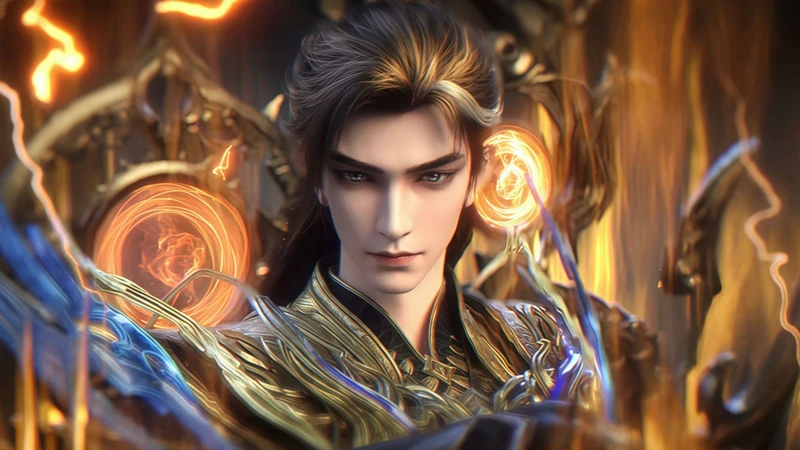
Perfect World lives by a simple rule: fight first, ask questions never. The hero Shi Hao (石昊), called the Desolate Heavenly Emperor, does not negotiate. He does not retreat. He pushes forward like a landslide. April’s episodes kept that promise. From secret realm skirmishes to ambushes by rival prodigies, Shi Hao crushed everyone with raw power. There was no trickery, no last‑minute save by a master. Just fists, bones, and an unyielding will to be the strongest.
The animation team understands its audience perfectly. Every punch lands with a thud you can almost feel. Every new realm Shi Hao breaks into comes with a flashy visual upgrade—new armor, new aura, new ways to obliterate enemies. The pacing is relentless. One fight ends, and the next one is already loading. For viewers who are tired of heroes who hesitate or cry over moral dilemmas, Perfect World is a breath of fresh air. It does not apologize for being a power fantasy. It owns it.
April’s episodes also showed a slight shift. Shi Hao faced enemies who were not just stronger but smarter. They set traps. They used numbers. Yet he still won by being more stubborn, more brutal, and faster to adapt. This kept the formula from feeling stale. The violence remained extreme, but the strategy underneath grew sharper. Fans of “pure action” got their dopamine hits, while those who enjoy tactical battles found hidden layers. It is not high art. It is high‑octane entertainment, and it works perfectly.

Swallowed Star (吞噬星空)
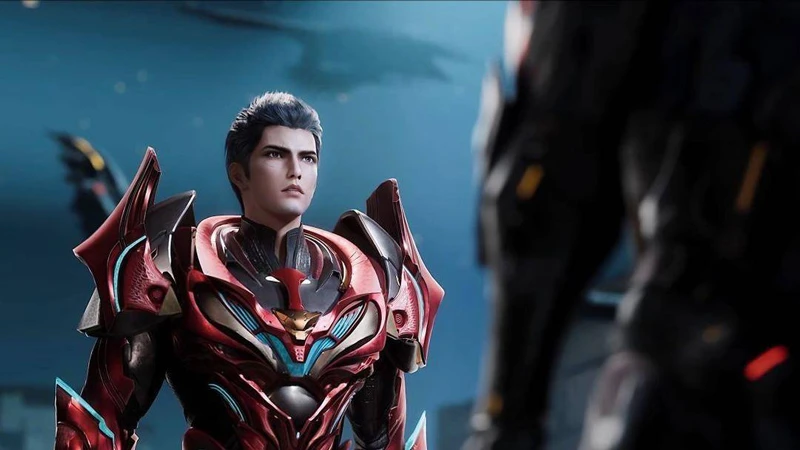
Swallowed Star continues to dominate the sci‑fi corner of Chinese animation. Based on I Eat Tomatoes’s (我吃西红柿) novel, the show has always excelled at building a vast, terrifying universe. April raised the danger level to eleven. The hero Luo Feng (罗峰) faced a coordinated hunt by three top‑tier alien races. The animation did not shy away from the scale. Fleets of warships, planet‑sized beasts, and metal suits that feel heavy and real—all of it was rendered with top‑tier care.
What sets Swallowed Star apart is its consistency. While other shows sometimes drop quality in non‑action scenes, this one keeps its visual fidelity throughout. The mecha designs have a mechanical weight; you can almost hear the hydraulics hiss. The cosmic monsters do not look like cartoons—they snarl, drool, and move with predator grace. When Luo Feng is cornered, the tension is palpable because the world has already convinced you that death is real here. No cheap resurrections. No plot armor that shines too bright.
April’s highlight was the setup for the three‑race ambush. The episode did not rush into the fight. It spent time showing each alien faction’s motive, their leader’s personality, and why they all wanted Luo Feng dead. This made the coming battle feel earned. For a genre that is still rare in the domestic market—hard sci‑fi with cosmic horror elements—Swallowed Star carries the flag without stumbling. It proves that Chinese audiences crave intelligent, brutal space opera just as much as martial arts fantasies.

Beyond Time’s Gaze (光阴之外)
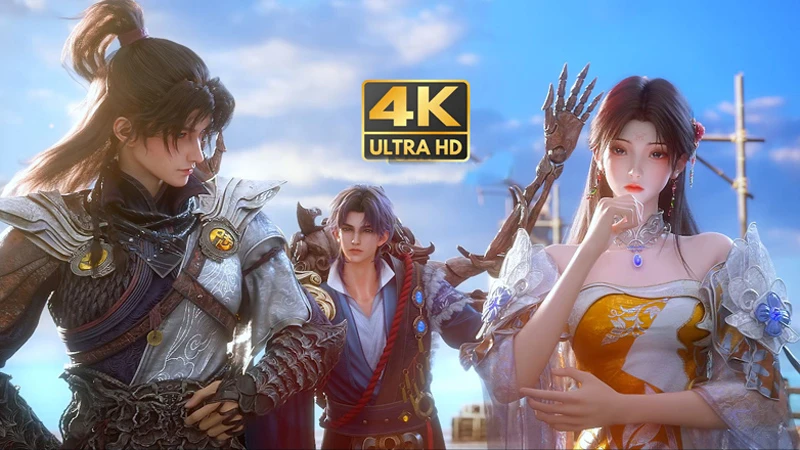
Beyond Time’s Gaze is the quiet assassin of April’s rankings. It mixes two unlikely genres: wasteland survival and immortal cultivation. The result is a gritty, uncomfortable, and utterly addictive story. The hero Xu Qing (许青) has no grand destiny. He has no kind mentor. What he has is a “mad dog” philosophy: eat or be eaten, kill or be killed. In a ruined world where moral people die first, Xu Qing thrives by being just a little bit insane.
April’s episodes showed Xu Qing trapped in hopeless situations. Each time, he did not pray for a miracle. He calculated, baited, and struck with cold precision. His “crazy” side is not random violence—it is a survival tool he uses to shock enemies into mistakes. Yet the show never forgets his hidden wounds. In quiet moments, you see his hands shake. You see him hesitate before killing someone who once showed him kindness. That contrast—ruthless outside, fragile inside—makes him unforgettable.
The animation style matches the tone. Colors are washed out, skies are gray, and every structure looks half‑collapsed. It is the opposite of the glossy, bright worlds seen in other Donghua. This roughness feels intentional. It says: this world does not care about beauty. Only strength matters. Beyond Time’s Gaze does not try to please everyone. It targets viewers tired of righteous heroes and predictable plots. By embracing a raw, almost ugly aesthetic and a protagonist with sharp edges, it carved out a unique space. And that is exactly why it became April’s hidden gem.

A Shifting Throne
In Guoman (国漫), no single king rules forever. Renegade Immortal waits calmly to reclaim its crown. A Mortal’s Journey won fans back through sheer grit. Sword of Coming brings quiet depth. But today, The Demon Hunter stands on top—and it’s well earned. Each story pushes the others harder. This isn’t one hero’s legend anymore. It’s a battlefield of constant reinvention, where quality is the only weapon that matters.