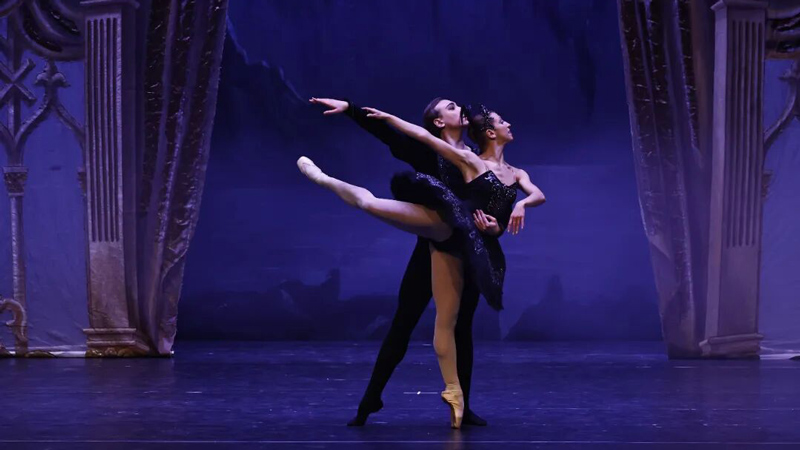
What makes a 147-year-old ballet sell out theaters tonight? It is the promise of a story that understands us. On May 20th, Huizhou (惠州) welcomes a performance of Swan Lake, a production that has survived wars, changing fashions, and the digital age to remain the "king of classics." It is not merely a museum piece dusted off for our enjoyment. It is a living, breathing creature that still has the power to break our hearts. To understand its magic, we have to look past the tutus and look into its soul. This article breaks down the three pillars that make this ballet immortal: its raw human story, its technical demands on the dancer, and the symphonic genius of Pyotr Ilyich Tchaikovsky.
Performance Time:
Wednesday, May 20th, 2026 at 19:30
Venue:
Huizhou Culture and Art Center·Opera House
The Prince in the Palace, The Prisoner in the Feathers
At its core, Swan Lake is not really about birds. It is about the cages we live in. The plot introduces us to Prince Siegfried, a young man suffocated by royal duty. He is expected to grow up, marry a stranger, and inherit a kingdom . He is wealthy, yet he is a prisoner. It is this specific desperation that drives him to the lake, where he meets Odette. She is a queen turned into a swan by the evil Von Rothbart, a prisoner of a different kind . They recognize each other's chains immediately. Their connection isn't just romance; it is a shared understanding of being trapped. The narrative uses the villain not just as a monster, but as a symbol of the rigid social structures and dark forces that conspire to keep lovers apart.
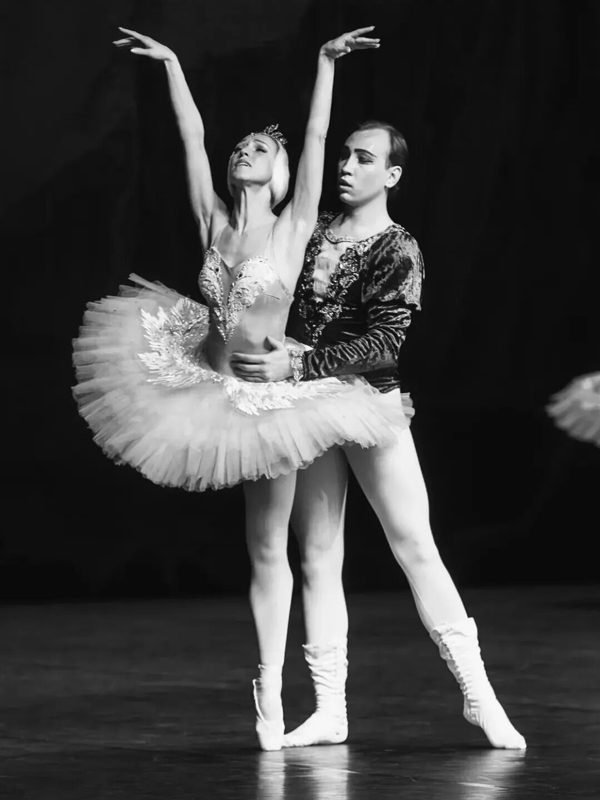
The Double Soul: Odette vs. Odile
One of the most thrilling aspects of the choreography is the dual role. The same ballerina must embody Odette, the White Swan, who represents vulnerability and pure hope. Hours later, she must transform into Odile, the Black Swan, a vision of icy seduction and trickery . This is not just a costume change; it is a study in human duality. Odile wears Odette's face, tricking Siegfried into breaking his vow . It suggests that within every pure thing, there is a shadow, and that deception often looks exactly like the truth. For the dancer, this requires extreme technical skill—specifically the 32 turns that Odile performs to showcase her victory—but also a profound emotional split. She must make the audience love the gentle swan and be terrified of the fake one.
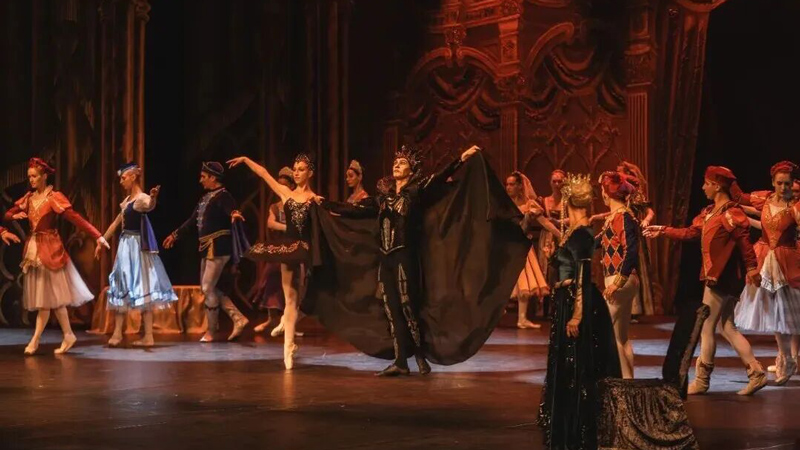
A Symphony of Shoulder Pads and Strings
Before Tchaikovsky, ballet music was often considered a secondary element—functional background noise for the dancers. Tchaikovsky shattered this convention. He composed a symphony where the orchestra becomes a character. The famous oboe theme for Odette is not just pretty; it is a lament that tugs at the heartstrings immediately . He used leitmotifs, associating specific melodies with specific emotions or characters, long before movie soundtracks made the technique famous . When the horns blare for Von Rothbart, you feel the menace. When the strings swell during the love duet, you feel the longing. Tchaikovsky's score gave the dancers a dramatic landscape to play within, turning the ballet into an emotional journey rather than a simple display of steps . It elevated dance to the level of high art.
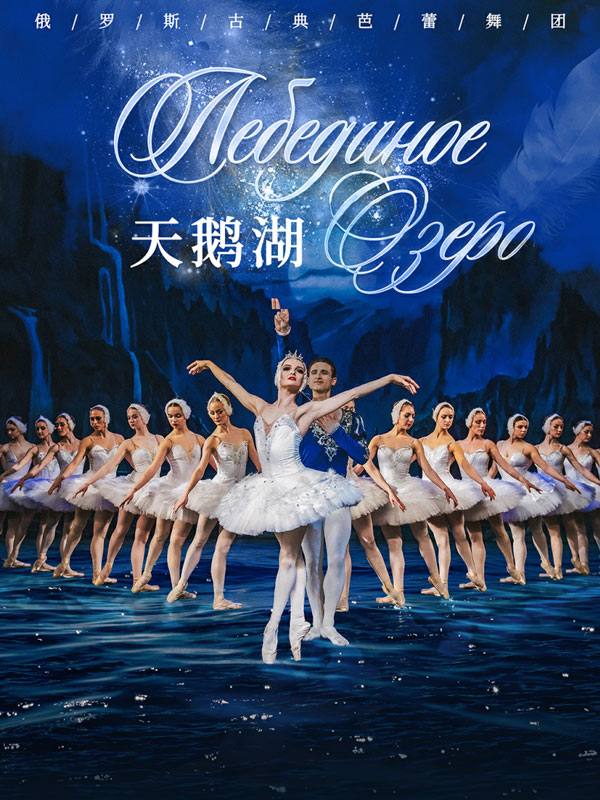
On May 20th, the Huizhou Arts Center will fill with light and music. The dancers will spin, and for a few hours, the audience will not be in 2026. They will be at the lake, watching a prince try to save a queen. They will be reminded that the fight for freedom and love is worth it, even when the odds are stacked against you. It is the reason we keep coming back. The tickets are open today. Do not miss the chance to see why some stories never die.