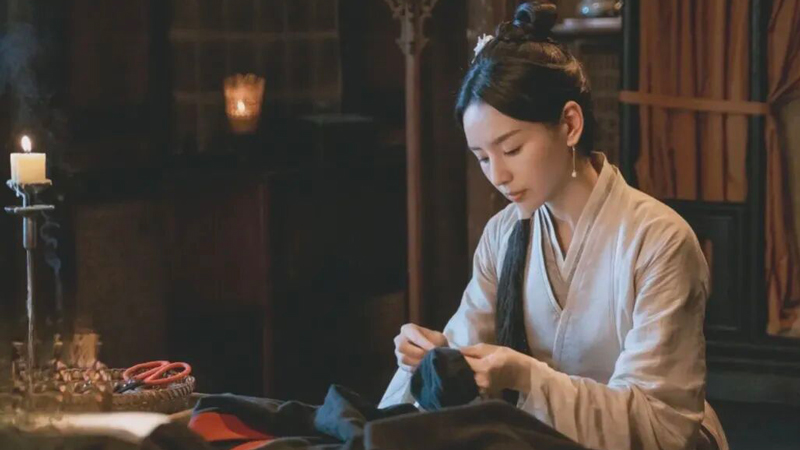
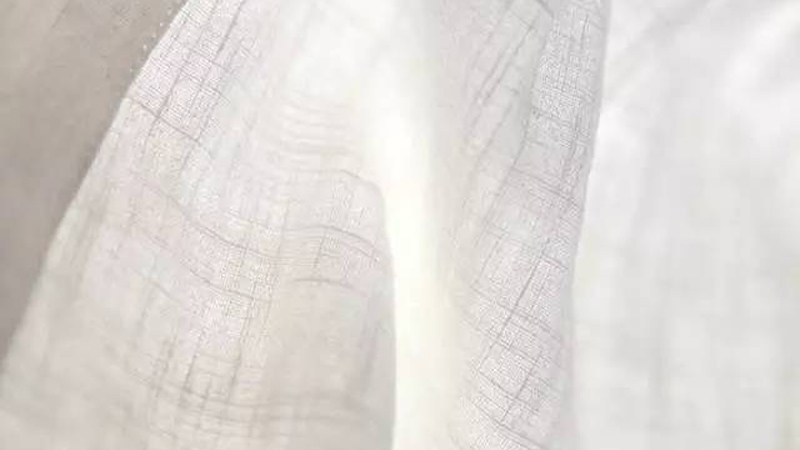
For centuries, a simple, elegant fabric known as "summer cloth" has been woven from the fibers of a plant some call "China Grass." Yet, in a curious twist of cultural heritage, two of its neighbors—Japan and Korea—have officially claimed their versions of this textile art on the world stage. While ramie (苎麻), the plant itself, whispers its origins in the ancient soils of China, the battle for its legacy is being fought not in fields, but on the lists of UNESCO. This isn't just a story of who got there first; it's a complex tale of raw materials, marketing genius, and the tangible difference between owning a title and owning the source.
Paper Tigers: A UNESCO Title vs. The Mulberry Fields
It's a fact that stings for cultural purists: Japan's Echigo Jofu and Korea's Hansan Mosi (韩山苎麻) weaving techniques are celebrated as Masterpieces of the Oral and Intangible Heritage of Humanity. They received this honor in 2009 and 2011, respectively. On paper, it looks like a heist. But a UNESCO title, for all its prestige, cannot grow in a field. It can't be harvested, spun, or woven. It is an accolade, not a raw material. Japan and Korea, with their mountainous terrain and limited arable land, face a fundamental geographical constraint: they simply cannot cultivate enough high-quality ramie to sustain a large-scale industry. Their celebrated national treasures are, in a very real sense, built on a foundation of imported Chinese stalks.

For decades, the reality has been that these neighboring countries have functioned as downstream processors. Chinese farmers in regions like Fenyi (分宜) County and Rongchang (荣昌) District have done the heavy lifting—literally. They've cultivated the plant for millennia, producing the robust, silky fibers that are the non-negotiable starting point for any fine ramie textile. Japan and Korea import the grey base fabric, the blank canvas, and then apply their finishing touches: the intricate patterns, the precise dyeing, the final tailoring. This relationship casts China not as the forgotten origin, but as the indispensable foundation, the source that ensures the entire tradition continues to breathe.
The "China Grass" Advantage: More Than Just a Plant
The ramie plant, which Western botanists once dubbed "China Grass" and the Japanese historically called "Nanjing Grass," tells its own story of origin. It has been a part of the Chinese landscape since the Spring and Autumn period. From the robes of emperors to the simple garments of commoners, hemp and ramie were the primary clothing of ancient China. This deep history is not just sentimental; it's encoded in the agricultural practices and environmental knowledge passed down through generations. The ideal conditions for growing and processing ramie are found in the humid climates of Jiangxi, Hunan, and Sichuan provinces. This isn't an accident; it's a biological and geographical reality.
This environmental expertise extends to the very soul of the craft. Walk into a traditional weaver's workshop in Hunan, and you might find the old loom situated in a pit, covered to trap moisture, with water sprinkled constantly on the earth floor. The weaver herself rhythmically brushes water onto the delicate ramie threads as they pass through the shuttle. This isn't ritual; it's necessity. Ramie fibers are brittle in dry air. This meticulous, almost obsessive, attention to humidity is the hard-won wisdom of a thousand years, a practical science far removed from the romanticized imagery often associated with craft. It's an environment that is cultivated, not just captured.
Snow Bleaching vs. The Art of "Silk by Silk"
Nowhere is the contrast between Chinese substance and foreign marketing more visible than in the Japanese practice of snow bleaching. The image is undeniably beautiful: bolts of creamy ramie cloth laid out on pristine snowfields, absorbing the moisture and the soft light. It's a scene straight out of Kawabata's Snow Country (雪国), where the process is poetically described as giving birth to the fabric. It has become the signature marketing image for Echigo Jofu, a symbol of purity, patience, and a deep connection to nature. It is a masterclass in branding, creating an aura of exclusivity and high-end appeal around the final product.
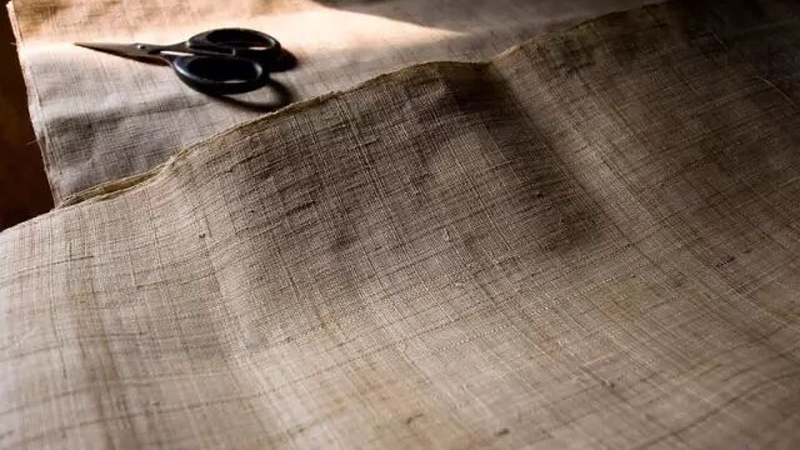
But look closer at the entire lifecycle of the cloth. This celebrated "snow bleaching" is merely one, relatively minor step in the post-processing phase. It is a finishing touch. The true heart of the craft lies in the four monumental stages of production: stripping the bark, spinning the thread, weaving the cloth, and the final finishing. The very phrase "meticulous precision", a Chinese idiom meaning meticulous precision, originates from the process of carefully threading each warp end through the reed of the loom. Before a single thread touches the snow, it must be sized with a paste made from early-season glutinous rice to give it strength. This is the real, unsung artistry. The snow is just the final, photogenic guest at a party thrown by generations of skilled hands and agricultural know-how, a party that has been going on in China for centuries.