-

The Demon Hunter: Guochao Animation Goes Global
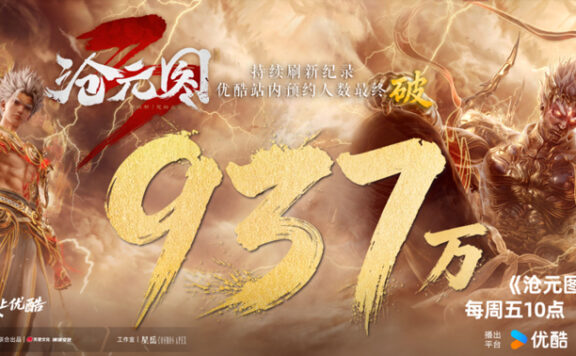
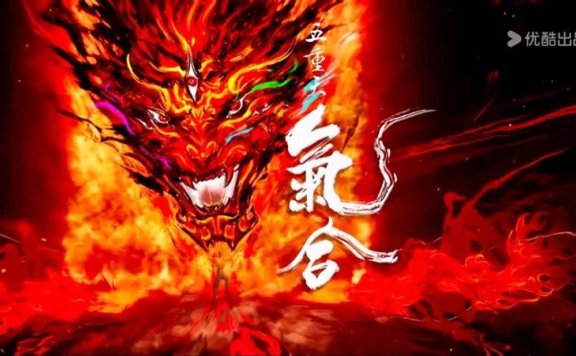
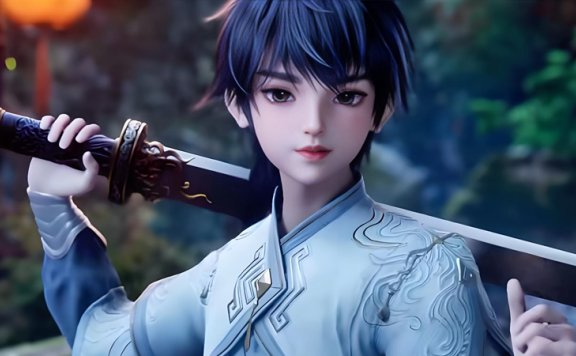
Can The Demon Hunter (沧元图) Season 3 Redefine Chinese Animation's Global Path? A record-breaking hit from Youku (优酷), this Guochao (国潮) anime has not only shattered domestic viewing records but also captured serious international attention. In late 2025, CNBC reported on the show’s rising popularity in Thailand and Vietnam, highlighting how its third season amassed over 9.37 million internal reservations—an all‑time high for Chinese animation. With over 11.92 million followers on Youku and 1.27 million subscribers on YouTube, it proves that well‑crafted New Guofeng (国风) stories can travel far. The secret? A long‑term commitment to quality, a bold fusion of traditional aesthetics with modern animation, and a strategic push from Youku to turn original Chinese content into a global cultural phenomenon. The Fire Within Why does The Demon Hunter burn so brightly? It starts with patient IP building. The first season (2023) scored 8.6 on Douban (豆瓣) and became the first Chinese anime to hit number one on TikTok’s trending list. It laid a solid foundation of trust. By season two, the team upgraded the visuals, blending Shui Mo (水墨) ink effects with Peking opera mask motifs and even a “silent episode” – over 300 special‑effect shots with no dialogue,…- 22
- 0
-
3 Tragic Heroes in Chinese Animation
In the vast universe of Chinese animation, some characters shine so brightly that their light lingers long after the screen fades to black. They are the "white moonlight"—the pure, the kind, the irreplaceable ones whose stories often end not with a triumph, but with a tragedy that leaves the audience breathless. These deaths are not just plot points; they are emotional ruptures that define the narratives and haunt the heroes. While the promise of resurrection sometimes flickers on the horizon, it rarely heals the initial wound of their loss. This article looks at three such characters from recent years whose farewells have become legendary for their profound sadness and narrative impact. 1. Renegade Immortal (仙逆): Li Muwan (李慕婉) In the cutthroat cultivation world of Renegade Immortal, where betrayal is the currency of survival, Li Muwan stands as a glaring anomaly. She is a beacon of selfless love in a realm consumed by selfish ambition. As the lifelong beloved of the protagonist Wang Lin, her very existence challenges the brutal norms of her reality. Her kindness is not a weakness but a quiet, devastating strength. When she had the chance to extend her own life by seizing the body of an…- 29
- 0
-
The Hidden Meaning of Li Shaoying’s Iconic Accessory
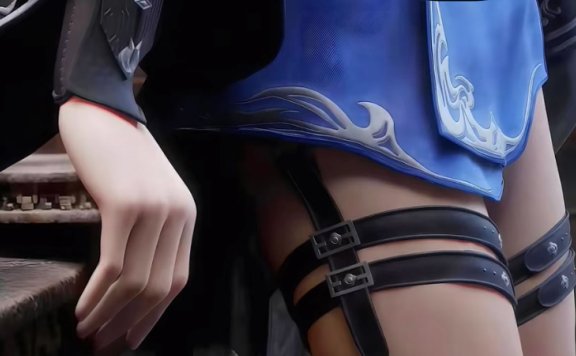
Fans of the animated series The Demon Hunter (沧元图) can't stop talking about a peculiar detail on the character Li Shaoying (李少英): her thigh strap. Is it merely a decorative afterthought, or does it serve a greater purpose in defining who she is? This article peels back the layers of this subtle design choice, exploring how it transitions from a visual enhancer to a narrative symbol. By examining its role in aesthetics, combat identity, and cultural context, we uncover why this small accessory is a masterstroke in character building—one that proves no detail is ever truly insignificant. Filling the Visual Gap with Purpose At first glance, the thigh strap on Li Shaoying's leg is an undeniable boost to her visual appeal. The character is crafted to embody a blend of regal elegance and martial sharpness—her double bun hairstyle paired with a golden forehead chain, flowing purple robes, and long, defined legs. Without the strap, that streamlined leg line might feel incomplete or visually abrupt, disrupting the outfit's layered sophistication. The accessory acts as a subtle anchor, drawing the eye and creating a balanced silhouette that feels intentional rather than accidental. Its design is deliberately understated, avoiding the flashiness of bulkier…- 38
- 0
-
The Epic Narrative of The Demon Hunter Season 1
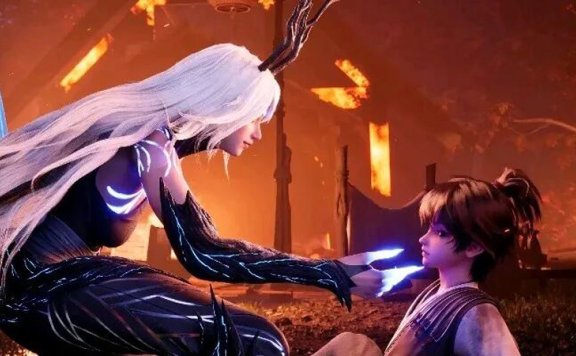
In 2023, a new name surged to the forefront of Chinese animation, breaking through the crowded fantasy genre with a combination of raw emotional power and visual spectacle. The Demon Hunter (沧元图), adapted from the popular web novel, became an undeniable phenomenon. It dominated platform charts, amassed billions of views in related discussions, and earned high praise from critics. Its success lies not in a simple tale of power escalation, but in a deeply personal story of trauma, resilience, and the heavy weight of a promise made in blood. The series follows Meng Chuan (孟川), whose childhood is shattered in an instant, setting him on a path where his blade becomes both an instrument of vengeance and a shield for the innocent. The Blood Oath The story's foundation is laid in tragedy. A young Meng Chuan witnesses the brutal destruction of his village by demonic forces. In a final, desperate act of protection, his mother reveals her true, powerful form to shield him, only to fall to a treacherous foe. This searing loss ignites something within the boy. In his grief, a latent and formidable power awakens, allowing him to strike back. It is in this moment of anguish that…- 29
- 0
-
Can Meng Chuan Save Cang Yuan from Annihilation?
In a landscape crowded with derivative fantasy tales, one series cuts through the noise with its relentless pacing and stunning spectacle. The second season of The Demon Hunter (沧元图), adapted from the classic web novel by I Eat Tomatoes, has solidified its place as a breakout hit. This exclusive Youku series, which premiered on December 6, 2024, masterfully weaves a dual narrative of a young man's fiery growth and humanity's epic struggle for survival. It has reignited passion for the genre, emerging as a dark horse champion in the realm of Donghua (动画) and carving out a distinct space for Eastern fantasy. The Siege and the Secret Picking up after Meng Chuan's (孟川) heroic defense of Dongning City, the scope expands dramatically. The story shifts to Yuanchu Mountain (元初山), humanity's last bastion of hope. The Cang Yuan World (沧元界) is under existential threat, besieged by millions of demonic creatures. With its guardian deities dwindling, traditional cultivation systems are failing. To forge a champion who can turn the tide, Yuanchu Mountain initiates a brutal, winner-take-all trial. Meng Chuan, still driven by his vow to avenge his mother, enters this crucible as a wildcard variable, his presence a potential spark in a…- 48
- 0
-
Youku’s Dual Launch Reshapes Animation Strategy
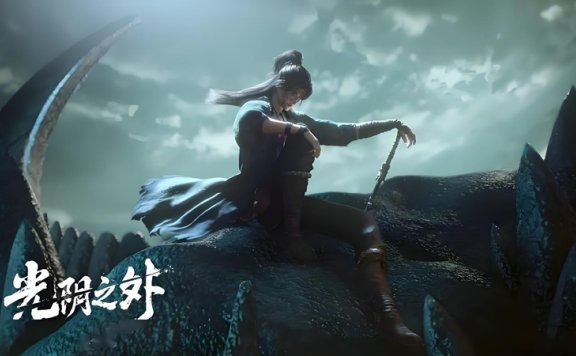
The simultaneous release of two major, yet starkly different, series by Youku during the year-end period signals more than just crowded scheduling. It represents a deliberate move towards a more sophisticated content strategy. This approach moves beyond banking on a single surprise hit, aiming instead to engage multiple audience segments at once through consciously varied storytelling. On December 27th, Threads of Fate: A War Untold (山海经密码) premiered. This series weaves the mythical tapestry of ancient Chinese texts into a narrative about youthful defiance. Its pre-launch anticipation, measured in millions of reservations, translated into immediate and fervent discussion upon release, with viewers particularly captivated by its expansive world-building and distinct visual language. It was followed the very next day by Beyond Time's Gaze (光阴之外), an adaptation of author Er Gen's (耳根) work. This title carves out a darker niche, blending post-apocalyptic desolation with cultivation themes. Its story, set under the ominous shadow of fallen deities, probes harsh questions of survival and moral codes in a broken world. By positioning these contrasting titles together—one bright and mythic, the other grim and philosophical—the platform created a resonant effect. This dual offering caters to diverse viewer tastes within the core animation community, turning a…- 68
- 0
-
When Ink Drops Shatter Mountains in The Demon Hunter
What if a single brushstroke could rewrite reality? This is the foundational question at the heart of The Demon Hunter (沧元图), a phenomenon spanning web novel and animated series that has redefined the parameters of the Xuanhuan (玄幻) genre. Instead of traditional swords or elemental magic, its protagonist wields an ink-laden brush, turning the serene art of Shui Mo (水墨) painting into a devastating and beautiful form of combat. This fusion of classical Eastern aesthetics with high-stakes cultivation narratives creates a world where every battle is a masterpiece and every masterpiece is a battle, offering a visual and philosophical departure from the well-trodden paths of fantasy storytelling. The Brush as Blade At its core, The Demon Hunter is built on a revolutionary premise: artistic creation is the highest form of cultivation. The protagonist, Meng Chuan (孟川), does not simply learn spells; he internalizes the principles of composition, flow, and intent. His power is not drawn from an external well of energy but manifested directly from his artistic vision. A sweeping stroke might conjure a mountain range for defense, while a sharp, precise dot of ink could pierce an enemy's spiritual core. This system elevates the entire narrative, making every conflict…- 60
- 0
-
The Demon Hunter Elevates Chinese Animation by Philosophy and Craft
Golden palace spires pierce through hazy skies, while vast grasslands unfold beneath ominous clouds. In The Demon Hunter (沧元图), a groundbreaking Chinese animated series, traditional fantasy aesthetics undergo a dramatic transformation. This isn't the brightly colored cultivation world Western audiences might expect. With its distinctive shadowy palette and philosophical depth, the show has become one of only two domestic annual series on Bilibili to maintain a Douban rating above 9.0. While A Mortal's Journey (凡人修仙传) established certain conventions over five seasons, this newcomer charts an entirely different course. Through its unique visual language and increasingly sophisticated dialogue, The Demon Hunter shatters the mold of action-heavy fantasy animation that often neglects narrative substance. Visual Atmosphere The ceremony where Qin Mu (秦牧) assumes leadership of the Heavenly Demon Cult represents a masterclass in atmospheric storytelling. Rather than relying on explosive action, the sequence builds tension through deliberate composition. The production studio, Xuanji (玄机) Technology, demonstrates remarkable skill in using environmental details to create psychological weight. Flags from three hundred sixty branches flutter across the cult's stronghold, each representing the organization's vast influence. The cinematography sweeps across this impressive display without losing its intimate connection to the protagonist's emotional journey. Golden light filters…- 99
- 0
-
The Demon Hunter: Can Brushstrokes Defend Cang Yuan Jie?
In a landscape where fantasy tales often rely on flashy special effects and predictable power-ups, The Demon Hunter (沧元图) emerges as a breath of fresh ink-washed air. This series, originating from the mind of author I Eat Tomatoes, reimagines the Xianxia genre by weaving traditional Chinese painting directly into its core mechanics. Instead of chanting spells or wielding swords, the protagonist harnesses the power of brushstrokes, turning artistry into combat and creativity into cultivation. The narrative unfolds in the troubled land of Cang Yuan Jie (沧元界), a realm besieged by demons and internal strife, where a young man's journey from vengeance to guardianship challenges every convention. Through its novel approach, the story invites audiences into a world where every battle is a masterpiece in motion, and every character carries a depth that transcends typical hero archetypes. This unique fusion has not only captivated readers of the original web novel but also sparked a visual revolution in its animated adaptation, proving that some stories are better told with a brush than a blade. Brush as Weapon At the heart of The Demon Hunter lies a groundbreaking concept: the integration of Shuimo (水墨) painting into the cultivation system. Meng Chuan (孟川), the…- 94
- 0
-
4 Unforgettable Physical Shifts in Top Chinese Animation Female Roles
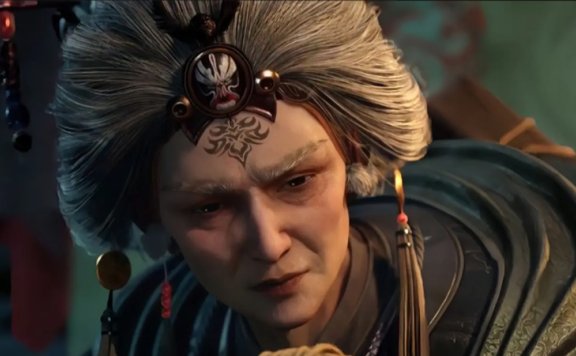
In the vibrant world of Chinese animation, female characters often undergo breathtaking physical changes that captivate audiences. These transformations are not merely visual tricks; they weave deep narratives about identity, sacrifice, and empowerment. From elderly figures shedding years to reveal youthful vigor, to children maturing into powerful adults, these shifts challenge perceptions and drive stories forward. This article delves into four iconic examples where such metamorphoses redefine characters and plotlines, offering viewers a glimpse into the creative storytelling that sets these series apart. Each change carries emotional weight, turning simple animations into profound explorations of human experience. 1. Tale of Herding God (牧神记) - Si Youyou (司幼幽) In Tale of Herding God (牧神记), Si Youyou lives as a hunched old woman in Canlao Village (残老村), hiding a past filled with turmoil. Once the sacred maiden of Tianmo Jiao (天魔教), she was forced into marriage by its leader, Li Tianxing (厉天行). During their wedding, she struck back, stealing the Dayu Tianmo Jing (大育天魔经) and fleeing to escape persecution. Her disguised life as an elder conceals a fierce spirit and a history of rebellion, making her daily existence a delicate balance between survival and secrecy. Beneath the wrinkled facade lies unparalleled beauty,…- 82
- 0
The Demon Hunter

Scan to open current page
-
$CouponsLimitation of use:Expired and UnavailableLimitation of use:
before
Limitation of use:Permanently validCoupon ID:×Available for the following products: Available for the following products categories: Unrestricted use:Available for all products and product types