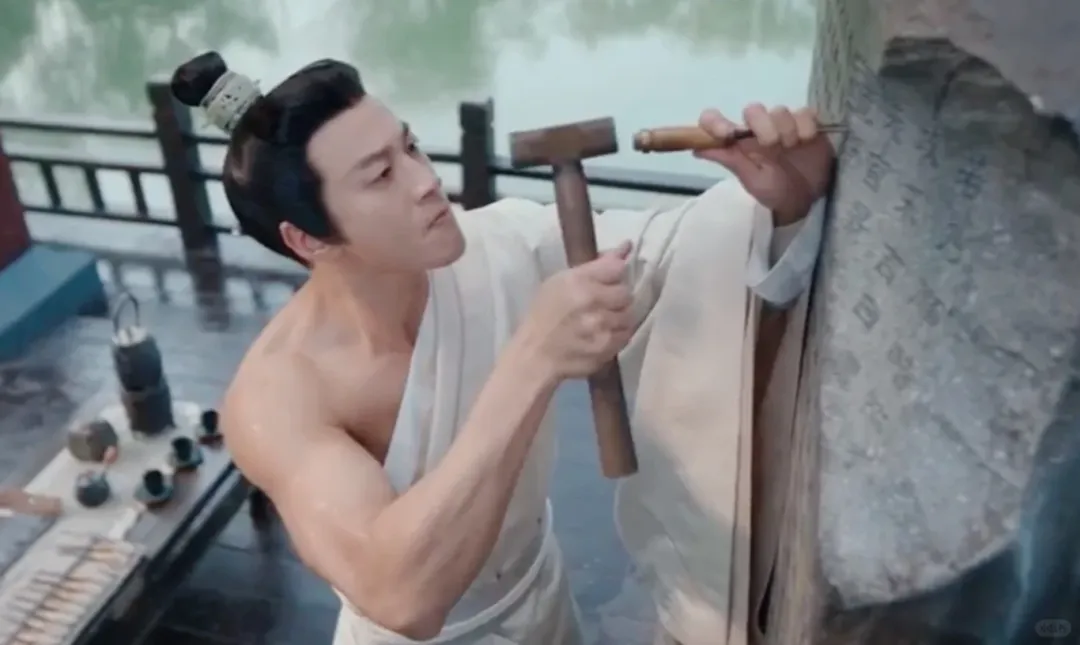
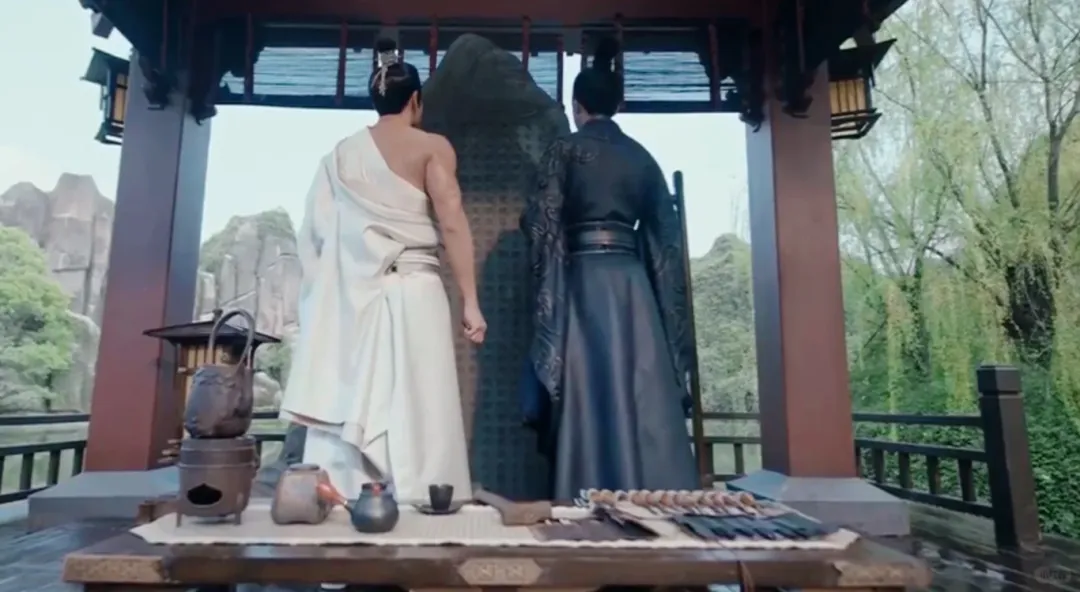
In the ancient-costume TV series The Prisoner Of Beauty, when He Rundong, playing Mr. Zhenshi, made an appearance with his arms exposed, it completely subverted everyone's understanding of the phrase 'too weak to even bind a chicken'. Why do we subjectively associate exposing one arm with being good at martial arts? Where does this way of wearing half-exposed clothes originate from? Let's start with the answer.
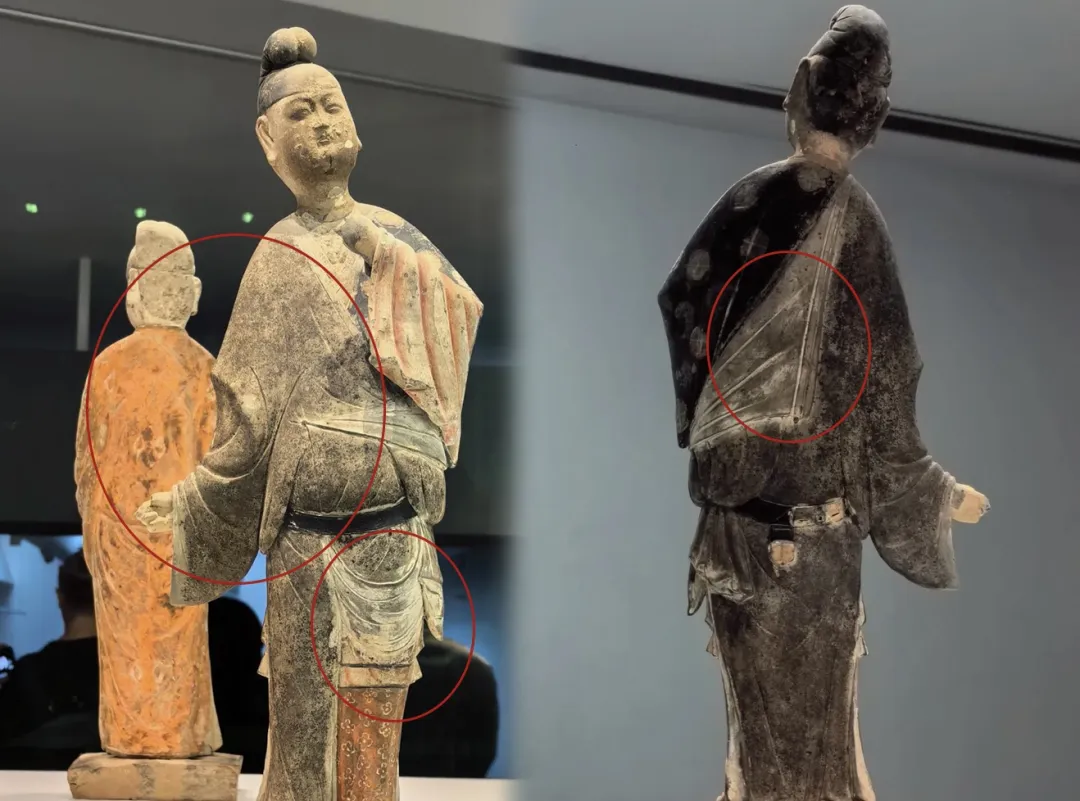
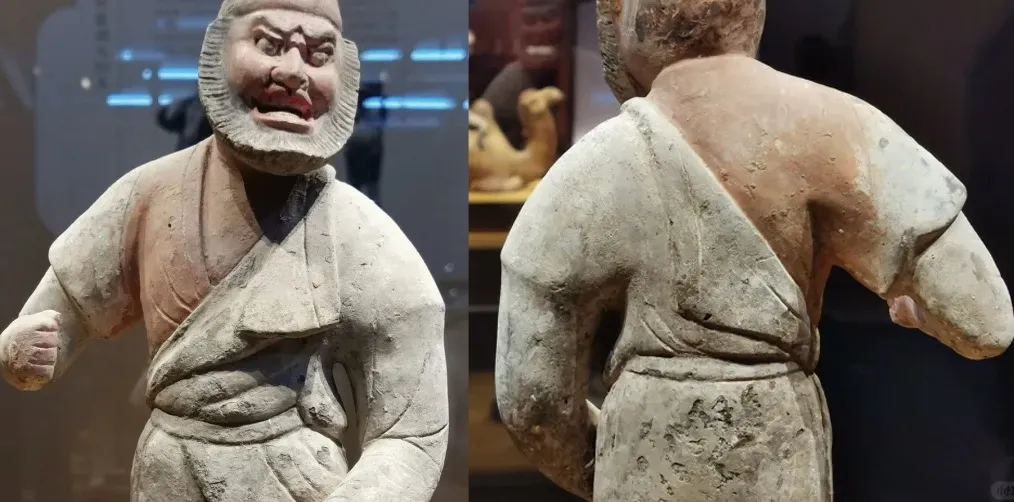
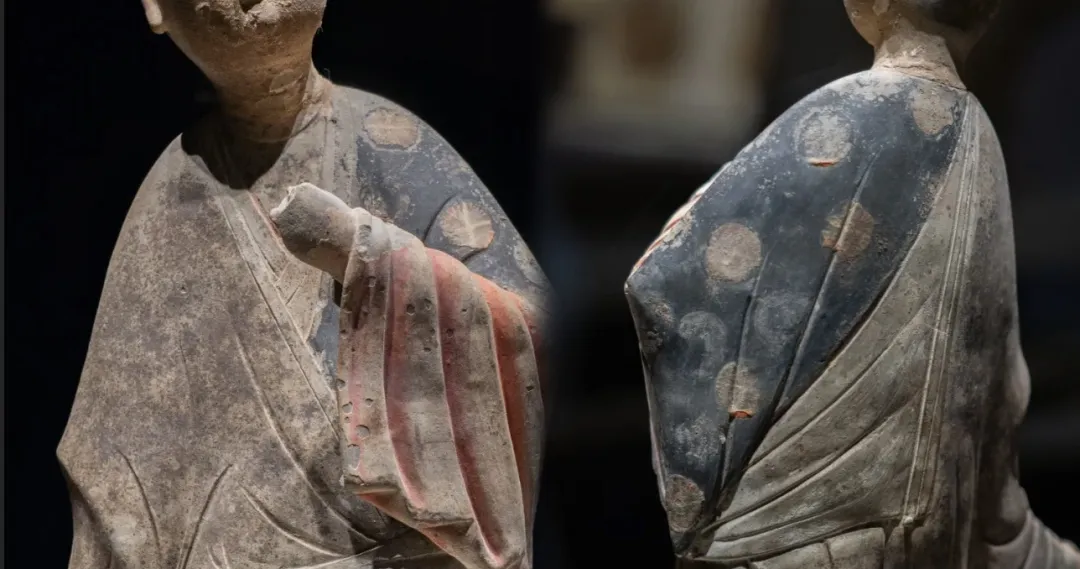
Some people call this way of dressing 'Wenwu Sleeve' (文武袖), but this is mostly a term used in Chinese opera. In the history of traditional Chinese clothing, a similar way of dressing can be traced back to the period of 'Hu Fu Qi She' (胡服骑射, a military reform in ancient China). In The Splendor of the Nation, Li Xian, playing Jiang Changyang, also often wore clothes in this way. A round-collared robe was usually paired with a round-collared shirt and a half-arm garment. When practicing martial arts, archery, or doing labor for convenience, people would adopt this 'bare-armed' way of dressing. And there was often a half-arm garment inside the robe. The material of the half-arm garment paired with the round-collared robe was usually a stiff fabric that could prop up the sleeves of the outer round-collared robe, making the wearer look more imposing. Its function is equivalent to what we call shoulder pads or muscle shirts today.
Whether the fabric of the inner half-arm garment is soft or hard, and whether to expose the pattern are all 'little tricks' in the ancient people's dressing. This way of wearing a half-arm garment and a round-collared robe half-exposed is actually an adjustment mechanism of the ancient people's clothing to adapt to the climate. For example, in spring and autumn when there is a large temperature difference between day and night, wearing two layers is too bulky, and wearing one layer is afraid of getting cold at night. Wearing half of the clothes like this is equivalent to wearing half a piece, and the two halves can be adjusted at any time. This way of dressing is also very fashionable.
In Black Myth: Wukong, there is also a similar dressing style. When wearing, people simply don't wear one side or take off the other sleeve. The removed half is wrapped around the waist for most of the circle and finally tucked into the belt. This way of dressing is very suitable for people who are good at both literature and martial arts.
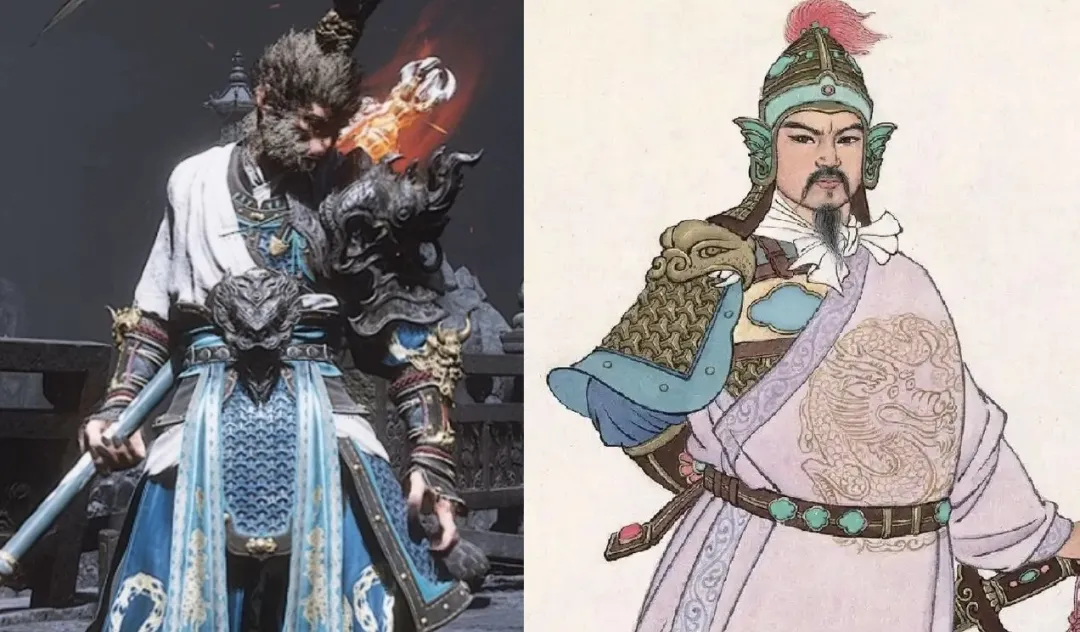
When fully dressed, it is a daily way of dressing. When one side is exposed, one can ride a horse and shoot arrows. Moreover, it can dissipate heat in summer, so there is no need to take off the whole clothes or change clothes. One set of clothes can be used for both literary and martial occasions, which is really suitable for both purposes.
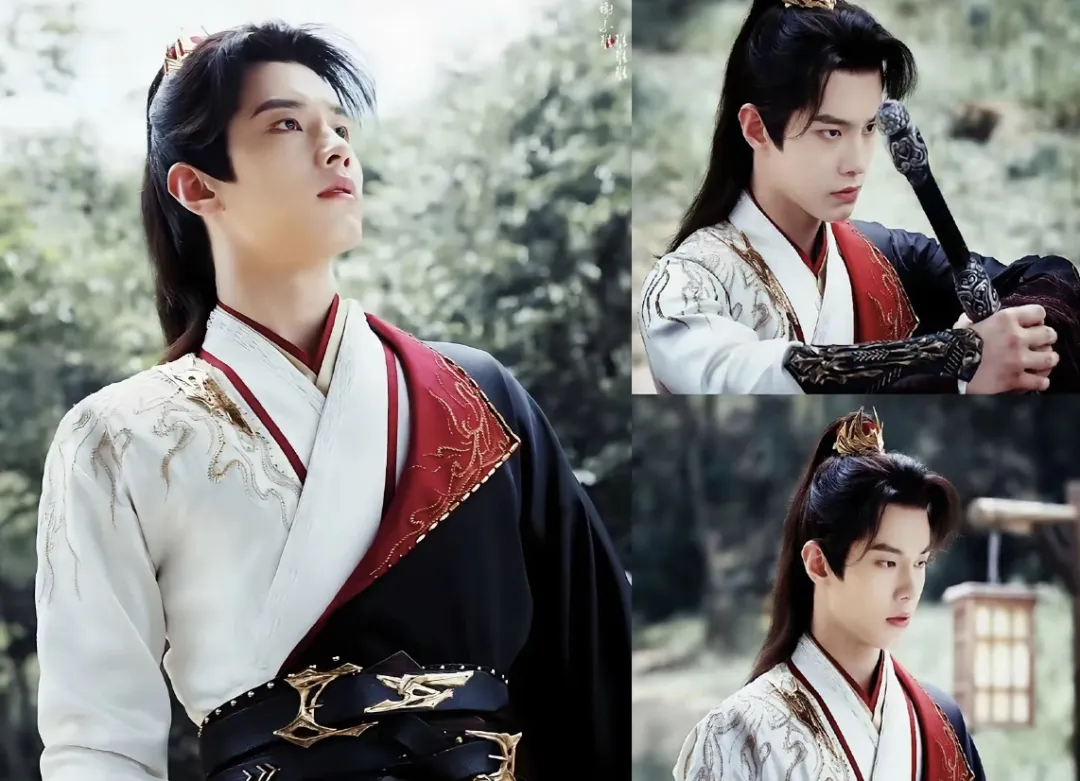
In the ancient-costume TV series The Drunken Spring of Young Knights, Ye Dingzhi's image also features a half-exposed round-collared robe, but it has been simplified for the TV effect and only serves as a decoration. In addition to wearing the clothes half-exposed, when the hem of the clothes was too long and hindered running and other movements, the ancient people could also lift up the hem to expose their thighs. It can be said that even today, this is still a rather 'eye-catching' way of dressing. But there was usually an inner layer, so there was no need to worry about exposing oneself.
In the plot of The Prisoner Of Beauty, Mr. Zhenshi played by He Rundong was initially portrayed as someone who had never practiced martial arts, but the exposed muscular arm gave him a sense of'strength', creating a kind of 'cute contrast' in the audience's subjective impression of the character. Netizens said, 'He's the one who played Lu Bu, Bu Jingyun, and Xiang Yu!'
What we often call 'Wenwu Sleeve' (文武袖) today, also known as 'Wenwu Robe' (文武袍), is a combination of armor and robe. As the name suggests, when wearing it, one first puts on the armor and then drapes the robe over it, exposing one arm, symbolizing the combination of toughness and gentleness, and implying being good at both literature and martial arts. This kind of clothing is commonly seen in Chinese opera to show the characters' ability in both aspects, such as Guan Yu and Yue Fei. The Wenwu Sleeve in opera is generally designed to be more gorgeous and colorful, often becoming a visual highlight on the stage, which also makes more people remember this term more deeply.
This way of dressing has also influenced the dressing styles of some ethnic minorities. For example, the Tibetan people still retain the way of wearing one sleeve, which is convenient for dealing with the large temperature difference between day and night on the plateau and also serves as a fashionable element. It seems that this is also a fashionable element left by our ancestors! From ancient TV dramas to video games, and even ethnic minority clothing, this unique dressing style has left its mark, showing its long - standing charm and adaptability.