
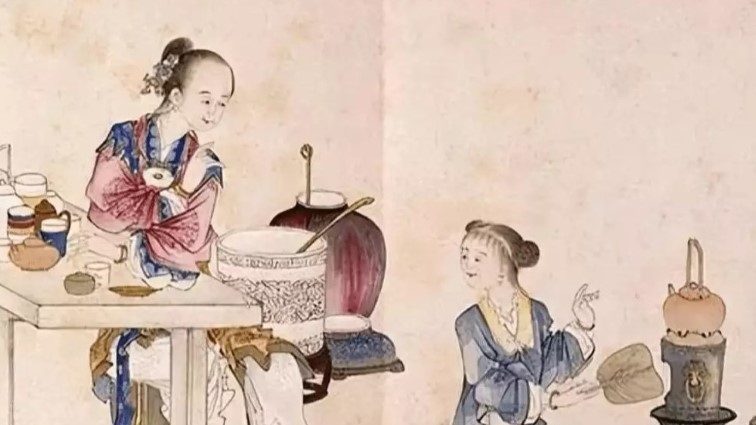
During China's Song Dynasty, tea transcended its role as mere beverage to become a profound cultural institution that permeated every level of society. Within the imperial court, it evolved into an elaborate ritual that blended art, politics, and spirituality in ways that would define Chinese tea culture for centuries to come. The sophistication of tea preparation and appreciation reached unprecedented heights, creating traditions that continue to influence tea practices today.
The Imperial Tea System
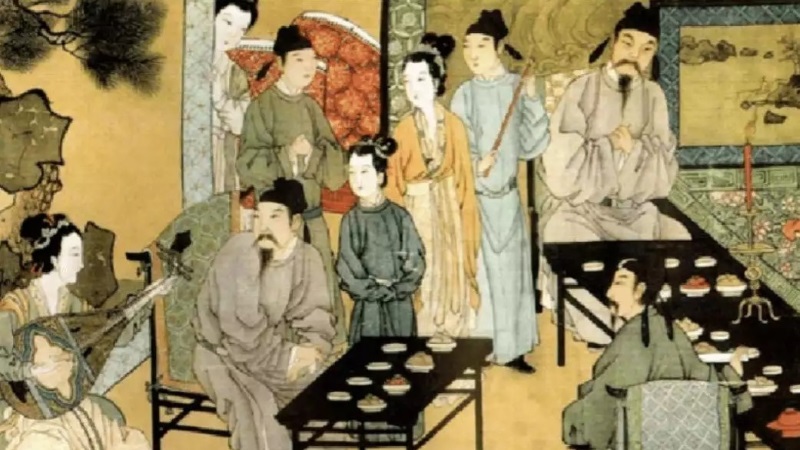
The Song emperors established an elaborate system for tea production and preparation that began with specialized plantations. Emperor Taizong (太宗) established the Beiyuan (北苑) tea plantation in Fujian province exclusively for imperial consumption, setting new standards for tea quality. The most prized variety came from the mist-shrouded Huangshan mountains in Anhui, where tea leaves were carefully picked, processed, and transported to the capital under strict supervision.
At court, tea masters employed the intricate "Dian Cha" (点茶) method, grinding tea leaves into fine powder that was then whisked with hot water. This preparation required precise temperature control and specific brewing vessels. The emperor Huizong (徽宗), himself a renowned tea connoisseur, documented these techniques in his "Treatise on Tea," describing the ideal seven stages of water addition and the proper consistency of the resulting foam.
The equipment used reflected the ceremony's importance. The most celebrated vessels were Jian ware teacups from Fujian, characterized by their dark glaze and distinctive "hare's fur" patterns. Emperor Huizong praised these cups for their ability to enhance the tea's color and appearance. The combination of exquisite tea, precise preparation methods, and specialized equipment created an experience that engaged all the senses in appreciation.
The Political Language of Tea in Court Life
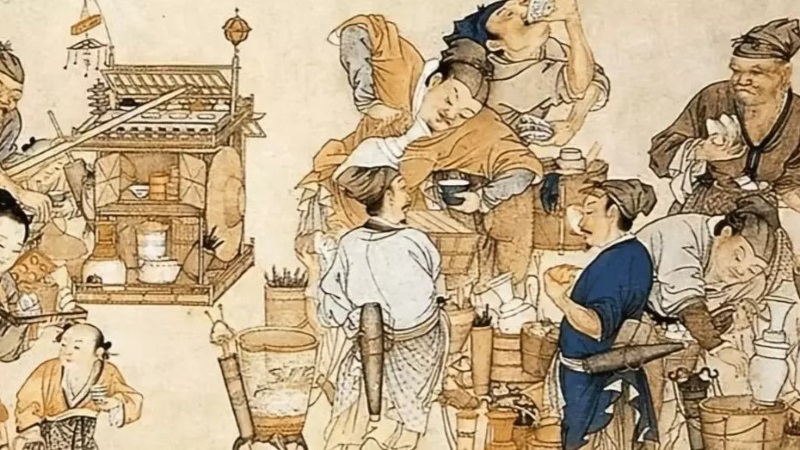
Tea became deeply embedded in the political rituals of the Song court. Emperors used tea as a tool of statecraft, with the "tea bestowal" ceremony becoming an important political gesture. When Emperor Zhenzong (真宗) personally prepared tea for his officials, it represented the highest imperial favor. These ceremonies reinforced hierarchical relationships while creating bonds between the ruler and his subordinates.
Tea also served diplomatic purposes. The court frequently presented premium tea as gifts to foreign envoys, particularly to representatives from northern pastoral cultures who valued tea's ability to counteract the rich foods of their diet. These diplomatic tea gifts helped maintain peaceful relations with neighboring states while demonstrating Chinese cultural refinement.
Beyond politics, tea became integrated into court life ceremonies from weddings to funerals. Tea appeared in royal marriage ceremonies as an auspicious gift and formed part of memorial rituals for deceased ancestors. Its presence in both celebration and mourning demonstrated tea's deep symbolic significance in Song culture.
The Artistic Evolution of Tea Appreciation
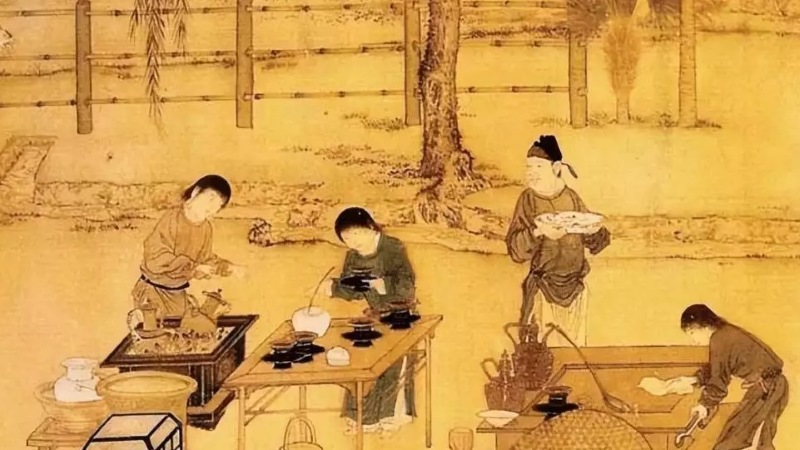
The Song court transformed tea drinking into performance art. "Dou Cha" (斗茶) or "tea competition" events became popular gatherings where scholars and officials evaluated teas based on color, aroma, flavor, and foam quality. Participants would compare teas from different regions and vintages, developing a sophisticated vocabulary to describe their experiences.
The most remarkable artistic innovation was "Fen Cha" (分茶) - the art of creating patterns in the tea foam. Skilled practitioners could pour water from height to create intricate images of landscapes, flowers, or animals in the tea surface. This ephemeral art form, mentioned by the poet Li Qingzhao (李清照), represented the peak of tea culture's artistic expression and reflected the Song appreciation for subtle beauty.
These artistic developments occurred within a broader cultural context that valued scholarly pursuit and aesthetic refinement. The tea culture of the Song court represented the intersection of material culture, artistic expression, and philosophical contemplation that characterized this remarkable period in Chinese history.
The legacy of Song Dynasty tea culture continues to influence Chinese tea practices today. The emphasis on quality, the appreciation of subtle flavors, and the connection between tea and culture all have their roots in this formative period when tea became truly integrated into the highest levels of Chinese society.
