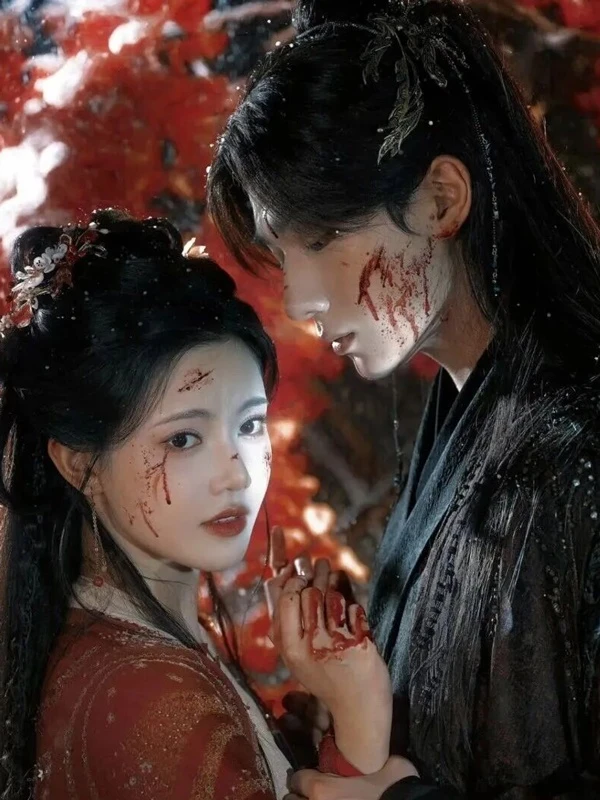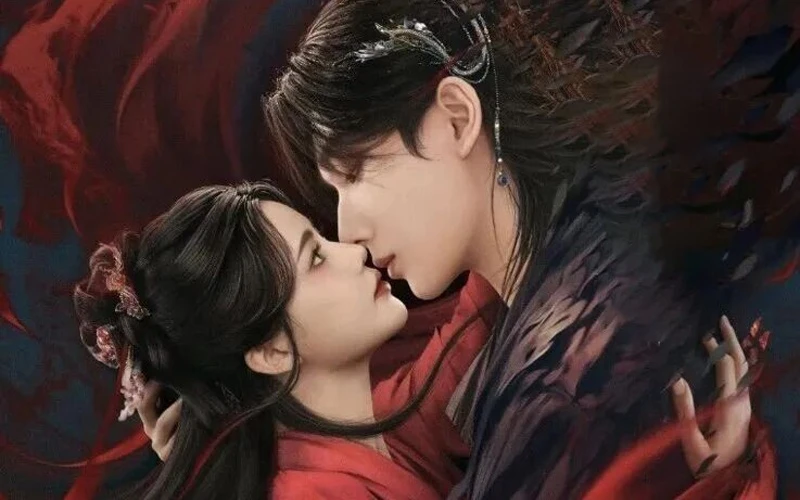
I clicked on Blossom in Darkness (十万狂花入梦来) for Sun Zhenni (孙珍妮), not because of a trailer promise but because I trusted her choices. The first episode did not sell me with spectacle. It sold me with a quiet, strange image: Yamao (鸭毛) bleeding into a pot, her blood becoming soil for a flower. That image sounds gross on paper. On screen it stings. It tells you this drama will bind its leads through damage, not through sweet speeches. I kept watching to see how far that idea would go. That small choice made the show feel less like a case-of-the-week machine and more like a character study with teeth.
Blood as Soil
The source material belongs to Guoguo (果果), a short-story collection with five separate cases and only about forty thousand words. Qi Fengyin (岐凤殷) and Yamao do not exist there. The series builds a new skeleton: a demon locked away for a thousand years and a medicine spirit covered in trouble are tied together and pushed through eerie cases. That choice is risky. It can feel patched. It can also give the show a pulse the original pages never had. I felt both things, often in the same episode.
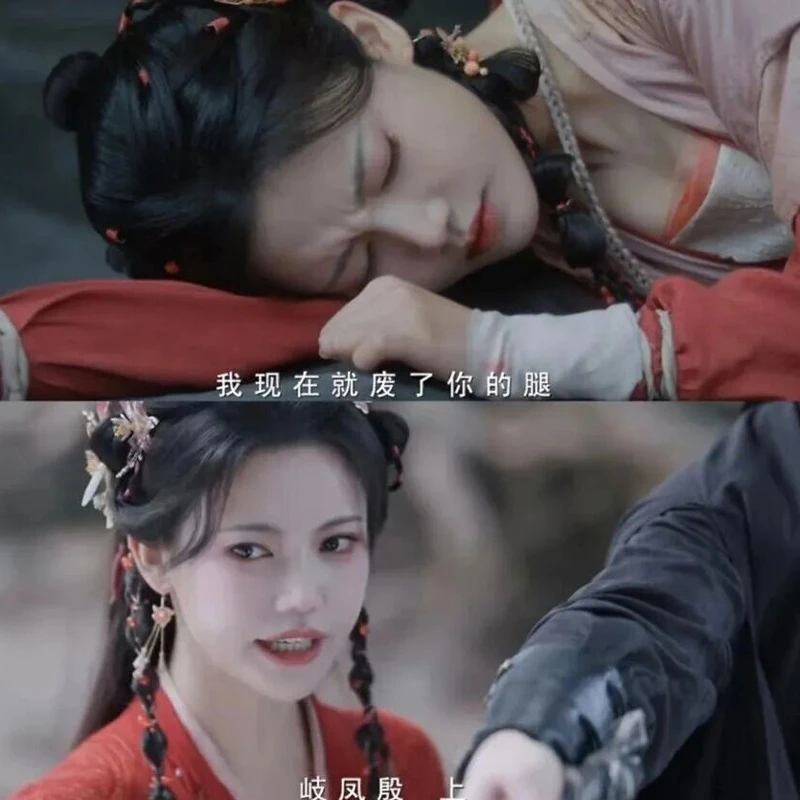
Production has soft spots. Some effects made me reach for the fast-forward button. The first case did not grip me as tightly as the opening image promised. Still, the show kept one hook sharp: Yamao is alive in a way that feels messy. When her master dies in front of her, the scene moves too fast for tears. The grief arrives later, on the road, when she carries the soul stone toward Zhaowu Mountain (朝雾山) and Su Hexiang (苏合香) tries to catch her for medicine. Her panic and quick thinking land better than any big speech.
The series does not pretend this arrangement is healthy. Yamao’s blood feeds a plant. Qi Fengyin’s pain travels through her body. He stands between her and hunters. She stands between him and a world that already decided his guilt. Every bargain has a price written in the body. That is why the teaching scene works. He is not softened by love at first sight. He is humbled by a small, practical need: to read. She is not rescued by a mighty hero. She gains a dangerous wall. The comedy and the threat sit in one room, and neither cancels the other.
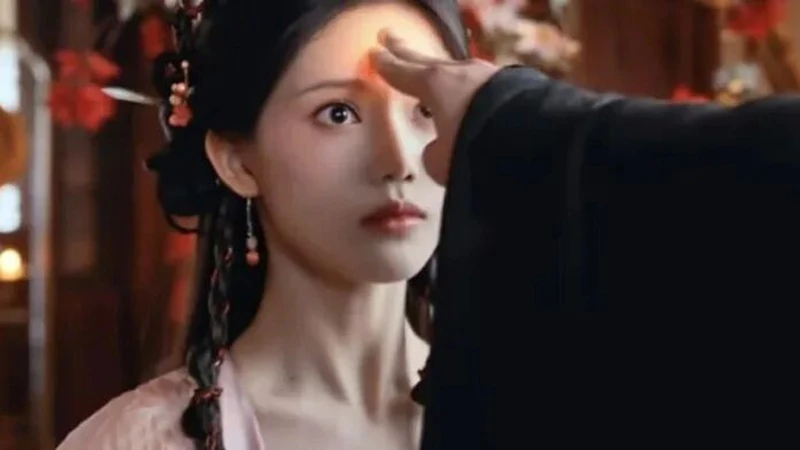
Then she crashes into Qi Fengyin, played by Li Hongyi (李宏毅). He is terrifying in power and completely illiterate. A preview shows him staring at a flower-care book with blank confusion; the actual scene still made me laugh. That joke carries weight. A man accused for a thousand years of being the root of all evil cannot even write the word “evil.” The gap between the label and the person is where Yamao digs in. Their bond is not romantic fate. She hurts, he aches. He needs her blood for flowers. She needs him as a shield. Each holds the other’s weak point, so neither lets go first.
Who Saves Whom?
Some viewers say the pace is flat and the first unit is not sticky enough. I understand. If you came for a hard mystery or a grand tragic romance, you may shrug. If you came for Sun Zhenni, Yamao gives her room to stretch. The role starts as a small medicine spirit trying to save her master. It slides into ugly trouble with a flower on her head that may drink her life. She must stay quick and bright, then show the moment she cannot carry the load but keeps standing anyway.
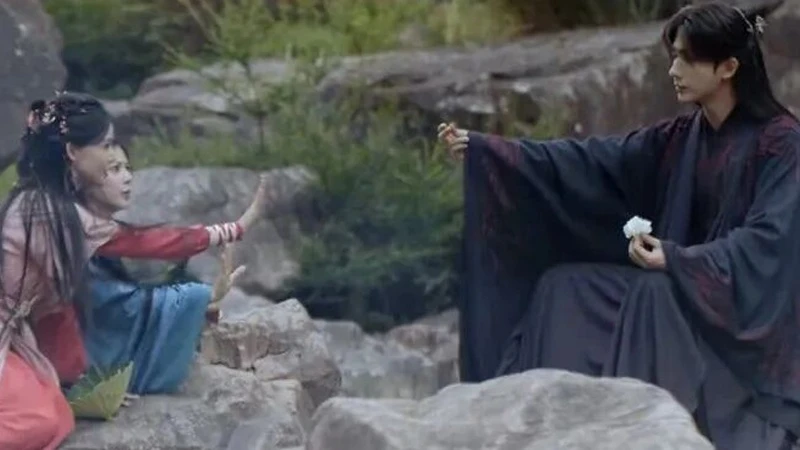
One scene has Yamao controlled into stabbing Qi Fengyin. Sun Zhenni filmed it for three days. I have not reached that scene yet, but I am waiting. That detail matters more to me than polished effects. It suggests the drama knows where its real tension lives: not in loud magic, but in two cornered people discovering they need something from each other. Qi Fengyin has been trapped for a thousand years. Yamao has been chased since the day she took human shape. Their meeting is less fate than emergency.
The title comes from Gong Zizhen (龚自珍): “A hundred thousand wild flowers are like a dream.” Wild flowers are attachments people cannot put down. Entering the dream means those attachments weave a net around you. Qi Fengyin is caught in his. Yamao is caught in hers. The show’s real question is not whether they like each other. It is what their need will grow into: rescue or burden. I opened the drama for Sun Zhenni. I stayed for Yamao. Which show pulled you in for one person and kept you for another?