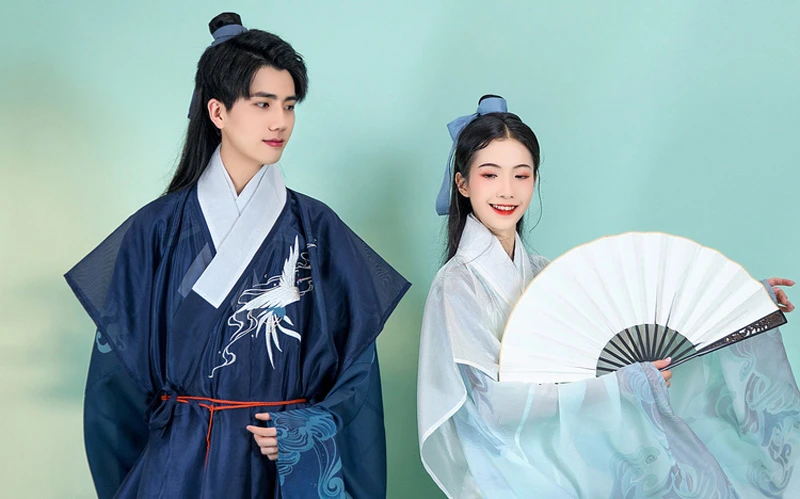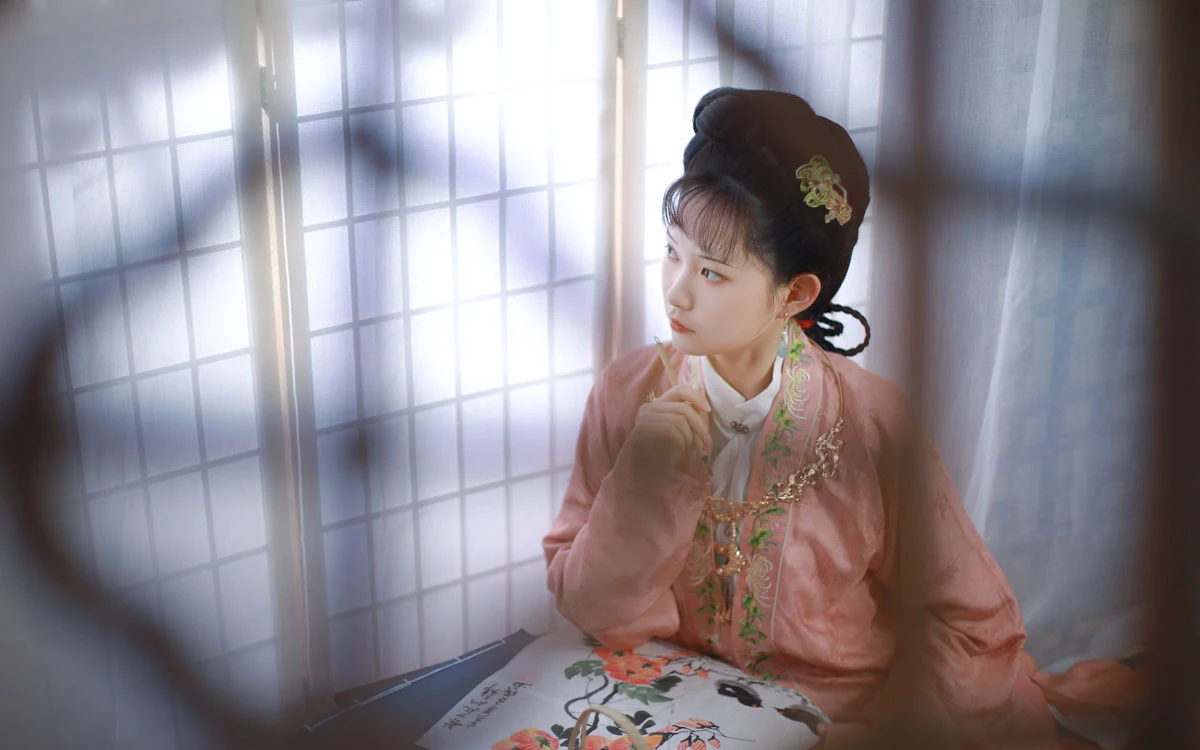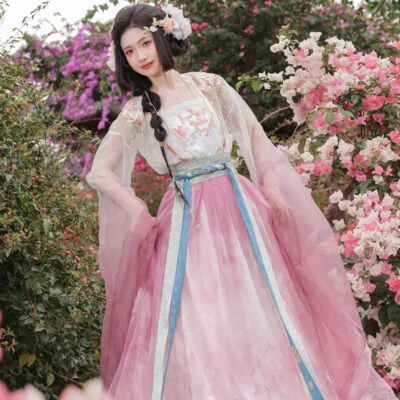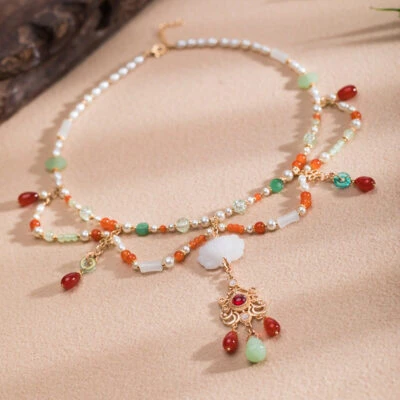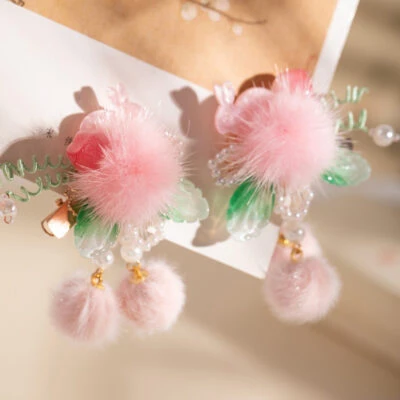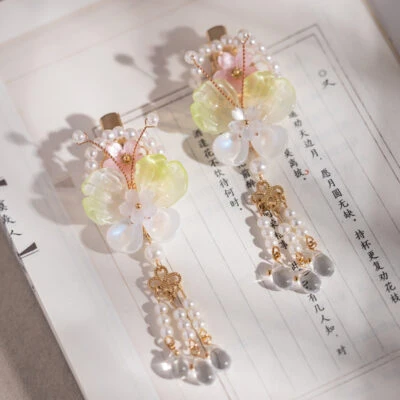
Fans of Tian Xiwei (田曦薇) are buzzing about her costume drama Where the Mask Ends (嫁金钗), yet one small question keeps returning: if the title says golden hairpin, why do so many screen looks show a single gold pin? Some viewers joke that the show should be called “Marrying the Golden Pin.” The puzzle is not a typo. It sits in an old distinction between two hair tools, and in the way writers once used one of them to suggest a woman, a promise, or a farewell. Her character, Wei Rao (魏娆), may wear many ornaments, but the title is doing more than naming a prop. It is choosing a mood before the first scene begins.
One Shaft, Two
A single-prong pin (簪) is exactly that: one long shaft, often thicker at the head and sharp at the tip. Its first job is fixed hair. It passes through a bun and holds it in place, much like a modern clip. Gold, jade, wood, or silver changes the price and the look, not the basic shape. A plain shaft can be elegant; a carved head can be lavish. Still, it remains one piece, one line, one point of pressure. On a crowded screen, that clean line is easy to read and easy to repeat.
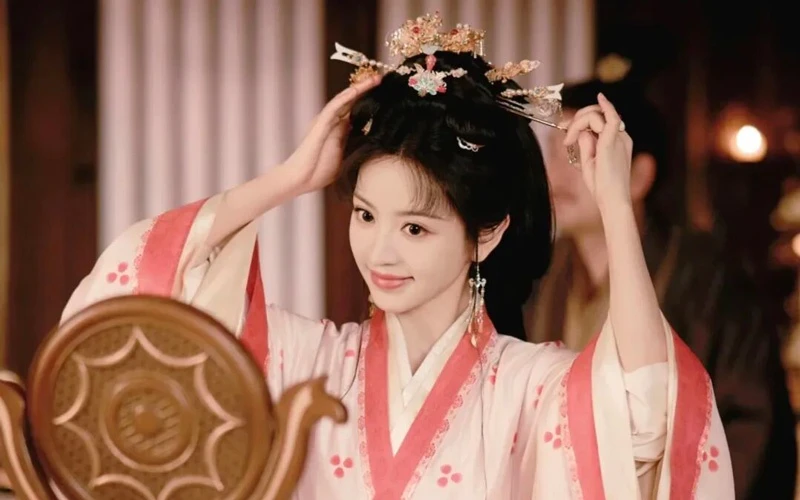
A double-prong hairpin (钗) splits into two parallel arms. The old written form carries a fork, and the object behaves like one. The two arms slide into the hair and cross or grip, so it holds more securely than a single shaft. That split also invites decoration: flowers, pearls, tiny bells, thin gold leaves. The structure is practical, but it is also showy. It can catch light and movement near the face, and it can make a small gesture look deliberate.
This is why “golden hairpin” is not simply a fancier way to say “gold pin.” The two objects solve different problems. One fastens; the other fastens and frames. On camera, a single shaft may read more clearly as a clean, noble line. A double-prong piece can look softer, more bridal, or more intimate. The title, however, is not a costume inventory. It points to a word with a longer shadow, one that carries feeling before a viewer can explain why.
Why Hairpin Wins
In old poems, the single pin rarely carries much emotion. It is daily equipment, close to a hair tie or a comb. Writers mention it when they need order, rank, or ceremony. Officials wore formal pins; men tied up hair with them; tomb lists recorded gold, jadeite, and nephrite pieces as property and status. Such details matter, but they seldom make a reader sigh. They describe a system, not a private ache.
The double-prong hairpin does another job. It appears in parting scenes, love tokens, and marriage promises. A pair could be separated: one arm for each person, joined again on reunion. That small break gives writers a physical image for missing someone. Lu You (陆游) used a hairpin in “Phoenix Hairpin” (钗头凤) to hold regret and memory, not to explain how a bun stayed up. The object becomes a witness, and the reader fills in the silence around it.
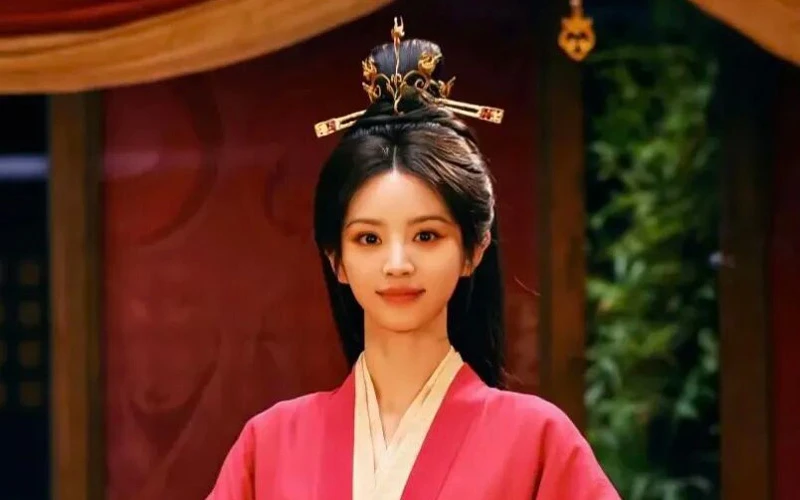
It also marks gender and mood. A pin can belong to a man or a woman; a hairpin leans feminine in literary scenes. It sits near a face, near perfume, near a sleeve. So when a title says golden hairpin, it signals a woman at the center and a story tied to feeling. The gold matters, but the split matters more. It turns metal into a small promise, and a promise is easier to sell than a fastener.
Title Still Works
Modern viewers mix the words because many single-shaft pins are now sold or described as hairpins. Screen props also simplify. A delicate gold pin may photograph better than a busy double-prong piece, especially under bright studio light. That does not make the title wrong. Where the Mask Ends sounds warmer and more literary than “Marrying the Golden Pin,” which sounds like a hardware catalogue. The first title invites a story; the second invites a receipt.
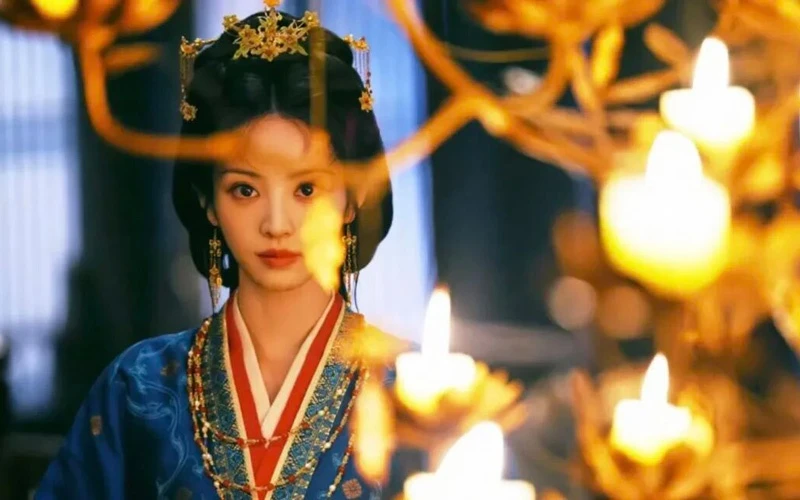
The title also gives the show a question to play with. Is the golden hairpin a gift, a family object, a claim, or a chain? Who gives it, and who receives it? A pin can be borrowed and returned. A hairpin can be split and kept. That difference gives writers room for suspense without adding a single line of dialogue. Even a viewer who never studies old ornaments can feel the hint, because everyone understands the weight of a kept object.
So the next time a gold pin appears on screen, enjoy the shine, but do not rush to correct the title. A single shaft holds hair; a double-prong hairpin holds a story. Where the Mask Ends chooses the second word because it wants love, memory, and a woman’s name in the same breath. Which look on Wei Rao do you like best? And would you rather wear a clean gold pin or a double-prong hairpin?